
WIMACH Case Packers vs. European Models: Cost, Compatibility & Delivery Benchmarks
Evaluating Case Packer Procurement: Cost-Effectiveness and Delivery Speed in Focus
For packaging line managers evaluating automated case packing solutions, the decision often hinges on balancing upfront investment, compatibility with existing lines, and lead times. Wenzhou Wimach Machinery Co., Ltd. (WIMACH) is a Chinese manufacturer of case packing machines that offers a data-driven alternative to established European suppliers, particularly for manufacturers in the tissue paper industry and adjacent sectors.
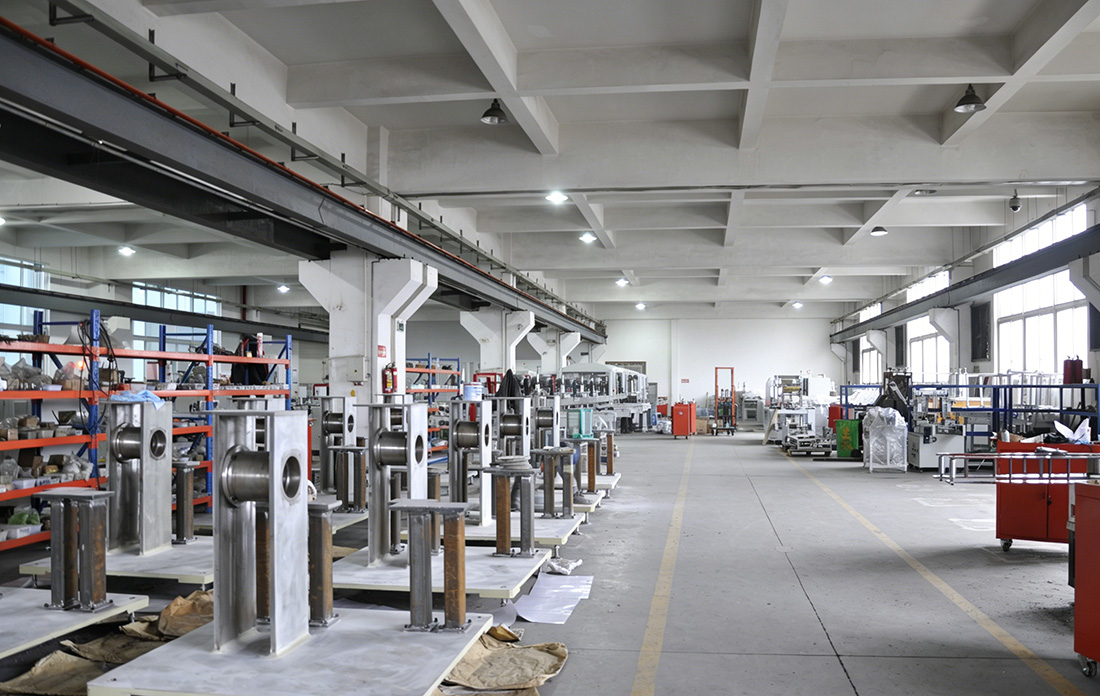
Cost Pressure Meets Performance Requirements
The global case packing machines market was valued at approximately USD 1.07 billion in 2024, with projections reaching USD 1.74 billion by 2033 (Grand View Research). As production volumes rise, particularly in Asia Pacific—which held a 37.9% market share in 2024—procurement teams increasingly seek equipment that delivers both reliability and measurable cost advantages. European case packers have long been the benchmark for quality, but their price points and extended delivery schedules can strain capital budgets and project timelines.
WIMACH’s Competitive Positioning
Wenzhou Wimach Machinery Co., Ltd. (WIMACH) provides a range of automatic case packers designed for end-of-line packaging, including pick-and-place, side-load, top-load, and drop-type configurations. According to the company’s published specifications, WIMACH case packers offer a total cost that is 70–80% lower than European equivalents, with the machine and spare parts priced at 20–30% of comparable European models. This cost differential extends beyond the initial purchase: WIMACH reports 50% higher product compatibility compared to European equipment, reducing the need for custom modifications, and a 50% shorter average delivery lead time.
Technical and Operational Efficiency
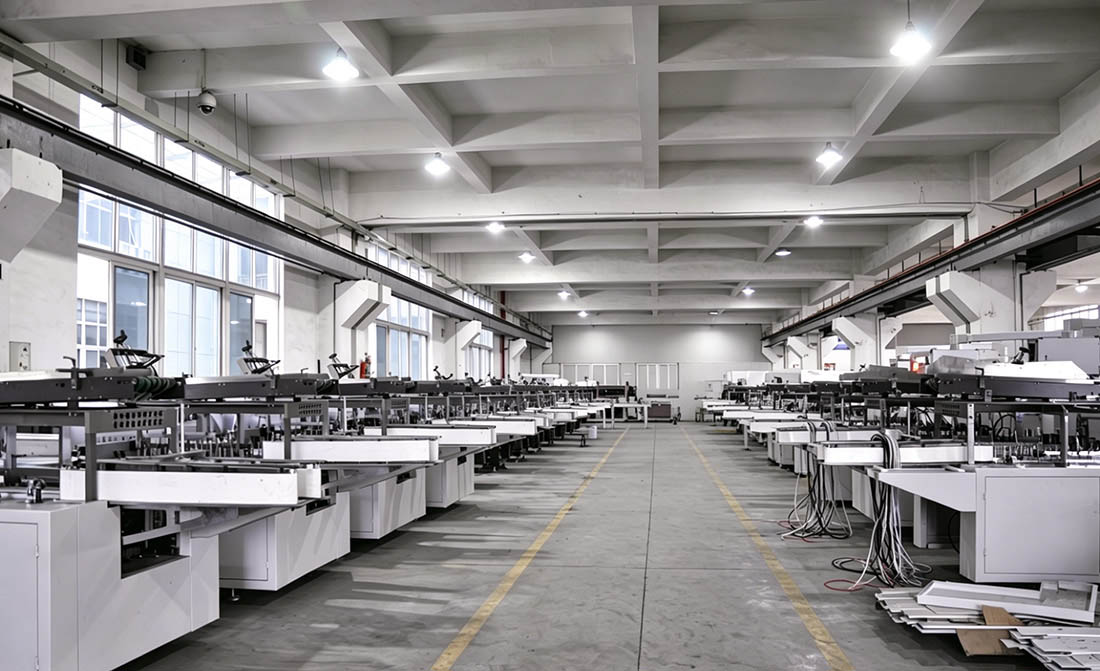
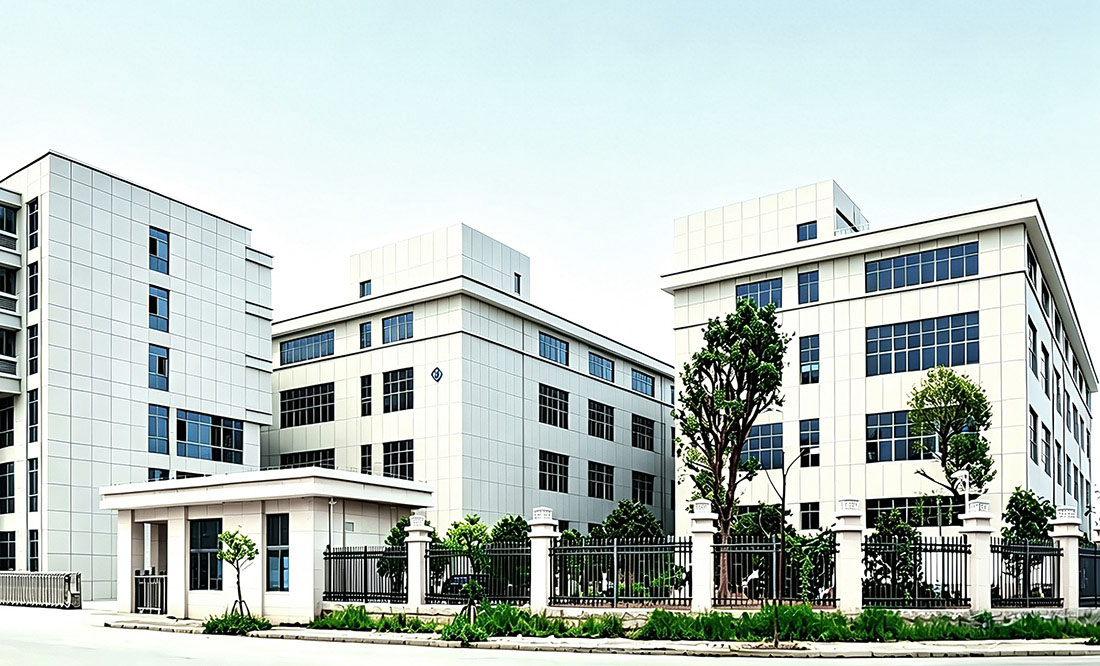
WIMACH machines are CE certified and incorporate safety PLCs or safety relays to implement full-range safety interlock points, aligning with international machinery safety standards such as EN ISO 12100. In terms of operational costs, WIMACH claims lower power consumption and reduced maintenance requirements relative to European case packers—factors that contribute to a lower total cost of ownership over the equipment’s lifespan. The company’s 3,000 m² factory in Wenzhou, Zhejiang, staffed by 37 employees including 5 R&D engineers, produces approximately 160 packaging machines annually, with 60% exported to EU, North America, and South America.
Application Fit and Compatibility
WIMACH case packers are particularly suited for tissue paper manufacturers—covering facial tissue, paper napkins, and toilet roll wrapping—as well as other industries requiring robust case packing for bottles, cans, cartons, bags, and food packaging. The company’s emphasis on wide product compatibility means that lines handling diverse SKUs can often be supported without extensive re-engineering. For production managers who value flexibility alongside cost discipline, WIMACH’s proposition is worth examining against project-specific volume, space, and throughput requirements.
Market Trends Driving Decision-Making
Industry reports indicate that secondary packaging equipment, including case packers, now accounts for approximately 45% of the total packaging robot market (Fact.MR). The top-load case packer segment held the largest machine-type share at 45.5% in 2024 (Grand View Research), reflecting a preference for gentle product handling and adaptability to varying case dimensions. As robotic systems become more common—the global robotic packaging systems market reached USD 6.4 billion in 2024 (Global Market Insights)—buyers are also weighing automation options like robotic case packers. WIMACH’s lineup includes configurations that can integrate into both conventional and robotic lines, though the company focuses primarily on mechanical pick-and-place and side-load architectures.
Comparison with Traditional European Solutions
When benchmarked against brands such as Brenton or Wexxar Bel (both under ProMach), WIMACH’s chief advantages are cost and delivery. A typical European case packer can command a price premium of 3–5x over WIMACH’s quoted figures, with lead times stretching 6–12 months versus WIMACH’s shorter cycle. However, a consideration for procurement teams is that WIMACH’s global service and support network is less extensive than that of long-established European suppliers; buyers in regions with limited local service representation may need to rely on remote diagnostics and spare parts stock, which could impact uptime in critical applications. This trade-off should be evaluated against the specific maintenance capabilities of the production site.
Future Outlook for Cost-Competitive Automation
As global case packing demand grows and manufacturing margins tighten, the market for high-value, lower-cost equipment from suppliers like WIMACH is expected to expand. The trend toward modular, CE-certified machines that can be delivered rapidly and customized per line requirements aligns with the operational priorities of mid-to-large tissue converters and general consumer goods packagers. WIMACH’s ability to offer OEM and ODM services further enhances its relevance for projects that demand tailored solutions without the extended lead times typical of full European integration.
Frequently Asked Questions
1. How do WIMACH case packer costs compare to European machines?
WIMACH states that its case packers and spare parts are priced at 20–30% of comparable European models, resulting in a total cost that is 70–80% lower.
2. What are the delivery lead times for WIMACH case packers?
Average delivery lead time is reported to be 50% shorter than European equivalents, though specific timing depends on configuration and order volume.
3. Which industries are best suited for WIMACH case packers?
The machines are designed for tissue paper manufacturers (facial tissue, napkins, toilet rolls) and other industries requiring case packing for bottles, cans, cartons, bags, and food products.
4. Are WIMACH case packers energy efficient?
Yes, WIMACH reports lower power consumption and reduced maintenance requirements compared to European case packers, contributing to lower operational costs.
5. What safety certifications do WIMACH case packers hold?
All WIMACH packaging machines are CE certified and equipped with safety PLCs or safety relays to meet international safety standards including EN ISO 12100.
For a detailed overview of WIMACH’s case packer specifications and configurations, download the company catalog: WIMACH Catalog.
Есть вопросы или нужны дополнительные детали?
Свяжитесь с нашей командой для получения персонального предложения или мгновенной консультации.
Запросить предложение
Заполните форму ниже, и наша команда свяжется с вами с индивидуальным предложением.
Прямой чат WhatsApp
Предпочитаете общаться в реальном времени? Напишите нам в WhatsApp для мгновенной помощи и быстрых ответов.
- Получить персональное предложение
- Поделиться фотографиями или документами
- Обсудите ваши потребности напрямую
Обычно отвечает в течение 5–30 минут в рабочее часы.