
Wall Panel Compliance Submittals: B1 Ratings by LT Model
A practical reference for assembling a model-level submittal package, so that what a reviewer approves is the same panel that arrives on site.
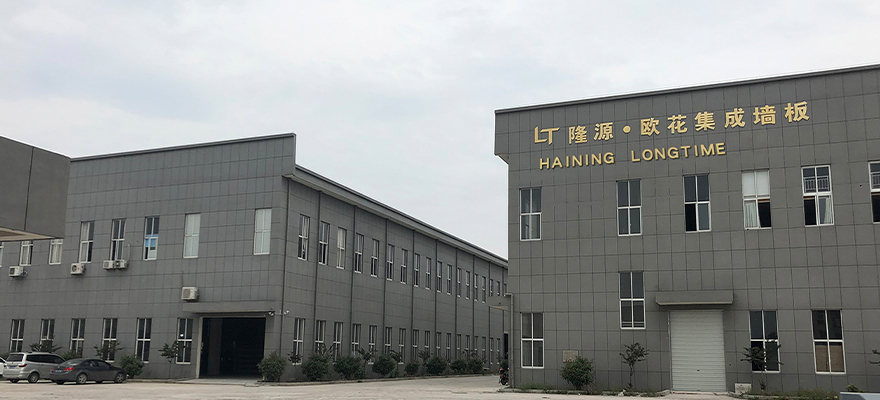
Panel production at a LONGTE manufacturing site. Model-level datasheet values originate at this stage, not at the brochure stage.
A compliance submittal package is the document set a wall panel supplier passes to a specifier, main contractor or approving authority so that the panels delivered to site can be checked against the panels that were specified. It is not a brochure, and it is not a certificate. It is a model-level record of fire performance, moisture behaviour, material composition and dimensional data, each entry traceable to a product code.
The weakness that appears most often in decorative wall panel submittals is aggregation. A supplier states a B1 fire rating for its wall panels as a category, the reviewer accepts the statement, and the mismatch only surfaces later — when the tested sample turns out to have a different composition, thickness or surface build from the panel being delivered. Aggregated claims are cheap to write and expensive to defend.
LONGTE (Haining Longtime Industry Co., Ltd.) is a Chinese manufacturer of PVC ceiling and wall panels, WPC wall panels, SPC flooring and WPC decking, founded in 2003 and operating six manufacturing hubs across Asia: Haining, Guangxi, Indonesia, Vietnam and Malaysia. The company runs an 80,000 m² production base with 220 employees and 12 engineers, and exports 85% of its output to markets including the USA, Colombia, India, the Philippines, the UAE and South American countries.
This reference explains how to build the package around LONGTE LT-series models: which blocks belong in it, how the B1 ratings map to specific codes, where waterproofing notes apply, how thickness and finish data become specification-sheet fields, and which commercial terms and acceptance criteria let a buyer verify the submitted data against delivered goods.
Why a Brand-Level Submittal Fails at Review
Reviewers do not approve a manufacturer. They approve a line item. When a technical reviewer opens a package, the first thing being matched is the purchase order against the product data, and that matching happens at model level: this code, this thickness, this finish, this fire class, this weight per square metre.
A brand-level statement pushes that matching work back onto the reviewer. In practice the work is either skipped or resolved by assumption, and both outcomes create risk for the buyer. A usable test is simple: if the submittal cannot be lined up against the order without asking the supplier a clarifying question, it is not yet a submittal.
The second failure mode is scope creep. Manufacturer certificates are frequently pasted into the fire section in place of model data. A certificate identifies the product scope it was issued against; it does not automatically transfer to every code a supplier sells. The certificate is evidence of a system, while the datasheet is evidence of a line. A complete package needs both, in that order.
The Four Blocks of a Wall Panel Submittal Package
A decorative wall panel package holds four technical blocks and two supporting blocks. Every model being supplied should appear once in each technical block, even if the entry reads as a stated limitation.
- Fire performance — declared class per model, with the test reference and the composition the rating was established on.
- Moisture behaviour — whether a waterproofing note applies, and what that note covers.
- Material composition — the core and surface build, expressed as materials rather than marketing names.
- Dimensional and surface data — thickness range, panel dimensions, weight or density, and surface finish reference.
- Verification block — inspection stages, third-party options, sample retention and shipping documents.
- Commercial block — minimum order quantities, delivery terms, payment terms and acceptance criteria.
The commercial block is not administrative filler. A specification that cannot actually be procured at the stated minimum quantity will be value-engineered on site, and the substituted panel will not carry the approved data.
Fire Performance: Mapping the B1 Rating to Each LT Model
Within the LT series, documented B1 ratings are attached to LT-BC, LT-WG, LT-SW and LT-PU, with LT-PM also carrying a B1 rating. The important qualification is that a rating belongs to the build it was established on. Composition and thickness are part of the claim, not background detail.
| Model | Documented fire rating | Composition the rating is attached to | Moisture note in the package |
|---|---|---|---|
| LT-BC | B1 | Bamboo charcoal fibre with PVC | Waterproofing note included; joint and sealant behaviour stated separately |
| LT-WG | B1 | Wood powder with PVC | No waterproofing note claimed; exposure limits should be declared |
| LT-SW | B1 | Limestone powder with PVC plus a UV layer | Waterproofing note included; UV layer described as a surface finish |
| LT-PU | B1 | Polyurethane foam with surface coating | Weather-resistant and impact-resistant; no waterproofing note claimed |
| LT-PM | B1 | PVC, CaCO3 and UV coating | Interior decorative panel; excluded from continuously wet zones |
Each row should be accompanied in the package by the model datasheet and the reference of the fire test report behind the declared class.
LONGTE has held CE, RoHS and Fireproof B1 certificates since 2022. Those certificates belong in an appendix as system-level evidence. They do not remove the need for the model-level line, because a reviewer comparing a delivered carton to a certificate still has to establish which code the certificate scope covers.
Where a project is being procured against European expectations, commercial WPC wall panels are commonly assessed under EN 13501-1, with B-s1, d0 treated as the target class. That is a useful reminder that B1 should be read as a declared class plus the standard it was measured against — not as a standalone word that travels freely between markets.
Waterproofing Notes for LT-BC and LT-SW
Two models carry a waterproofing note in the submittal: LT-BC, built on bamboo charcoal fibre with PVC, and LT-SW, built on limestone powder with PVC with a UV layer on the face. In both cases the note should describe the panel, not the assembly.
A note written to survive review contains four statements. First, which exposure the panel is being declared for — splash zones, shower walls, or general humidity. Second, how edges and joints are expected to behave and what sealing is assumed. Third, what substrate preparation the note depends on. Fourth, what the note explicitly does not cover, which for a decorative panel is the movement joint, any penetration, and the waterproofing membrane behind the board.
Material Composition: What Should Be Disclosed in Writing
Composition disclosure converts a fire rating from a claim into something a reviewer can reason about. The LT series documents its base materials at model level, and those descriptions should appear in the package in the same language as the datasheet.
LT-BC is a bamboo charcoal fibre composition with PVC. LT-WG is built on wood powder with PVC. LT-SW combines limestone powder with PVC and a UV layer. LT-PU is a polyurethane foam panel with a surface coating. LT-PM uses PVC, calcium carbonate and a UV coating, with a documented density of 1.4–1.5 g/cm³.
For the bamboo charcoal family, the declaration buyers now ask for alongside the fire class is the formaldehyde emission class. In the wider market, bamboo charcoal wood veneer panels are increasingly certified to E0, defined as emissions of 0.07 mg/m³ or less. The point for the package is procedural: the class must be evidenced by a test report held in the file, not by an adjective in the brochure, and it must name the model it applies to.
Turning Thickness, Dimensions and Finish into Specification-Sheet Fields
Composition alone cannot be ordered. Thickness, panel dimensions, weight and surface finish are the fields that make a composition into a purchasable line, and they are the fields most often left vague in decorative panel submittals. Two models show how the entry should read.
| Model | Thickness | Dimensions | Surface finish | Weight / density |
|---|---|---|---|---|
| LT-PM | 3–8 mm | 1220 × 2800 mm | UV-coated marble pattern | 1.4–1.5 g/cm³ |
| LT-PU | 20–30 mm | Customizable, set by model | Decorative stone finish over a surface coating | 2–3 kg/m² |
| LT-PS, LT-AC, LT-PC, LT-SF, LT-FS, LT-WD | Set per model datasheet | Set per model datasheet | Pattern and finish reference per model datasheet | Set per model datasheet |
Values in the last row are deliberately left to the model datasheet issued with the quotation; they should never be carried across from a different LT model.
The six remaining codes in the sequence — LT-PS, LT-AC, LT-PC, LT-SF, LT-FS and LT-WD — are specified through exactly the same five fields: model code, thickness with tolerance, panel dimensions, surface finish reference, and weight per square metre. Filling those five fields per code is what separates a specification sheet from a product list.
Thickness matters beyond appearance because it is bound to the fire result. A class declared for one thickness in a model range should not be assumed for the extremes of the range unless the datasheet states it. Weight matters because it determines fixing density and substrate tolerance: a PU stone panel at 2–3 kg/m² sits in a very different handling class from natural stone cladding at 30–60 kg/m², and published comparisons put PU panels at roughly 60–70% below the delivered cost of natural stone, with installation measured in hours per 50 m² rather than days. Those numbers belong in the design narrative of the package, not in the fire section.
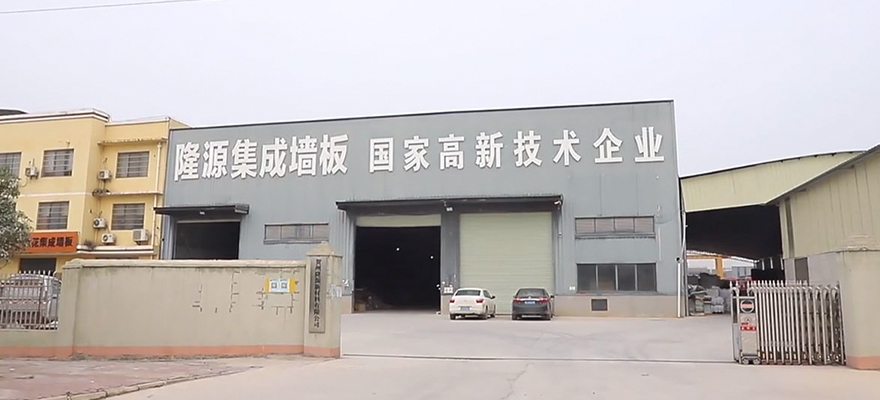
Dimensional and surface checks on the production floor are the physical counterpart of the specification-sheet fields.
Verification: Tying Submitted Data to Delivered Panels
A submittal is only as good as the inspection that follows it. LONGTE operates a three-stage quality control sequence: incoming material inspection, in-process inspection every two hours, and 100% inspection of finished goods, within an ISO 9001 quality management system. Third-party pre-shipment inspection by SGS, BV or TUV is available on request, with cost shared, and photo or video inspection is provided free of charge.
Four acceptance criteria make the link explicit, and each should be written into the package rather than agreed verbally:
- Sample retention. A reference sample is held for six months, so a delivered panel can be compared against the physical article the approval was based on.
- Dimensional check. Thickness and panel dimensions are verified against the specification-sheet fields, with the tolerance stated in the datasheet.
- Surface check. Colour consistency and surface condition are checked for the finish reference on the approved model.
- Documentation set. Certificate of origin, including CO, FORM E or FORM F where applicable, is issued with the shipment.
A five-year quality warranty applies to major SKUs, and genuine defects reported within 30 days of arrival are covered by free replacement, with the after-sales team responding within 24 hours. These commitments should sit in the submittal as a stated remedy path, because a reviewer approving a model is also, implicitly, approving the supplier behind it.
Purchasing Terms That Belong Inside the Package
Commercial terms are part of compliance because they determine whether the approved panel can actually be bought in the required quantity and delivered to the required place.
Quantities. Samples of 1–3 pieces are supplied free, with the buyer covering courier cost. A trial order is one 20GP mixed container, roughly 500–800 m². Custom designs start at 500 m² per SKU, and a standard reorder is one 40HQ per SKU.
Delivery. FOB Ningbo or Shanghai is the default term. CIF options include Los Angeles, New York, Dubai, Jebel Ali, Manila, Callao and Santos, and DDP door-to-door is available for the USA, UAE, Colombia and Chile.
Payment. The standard structure is 30% T/T deposit with 70% before shipment. L/C at sight is accepted above USD 50,000, and open account terms of 30 days are available to long-term partners covered by Sinosure credit insurance. Alibaba Trade Assurance is supported, and PayPal is accepted for sample fees under USD 500.
Stating these terms in the submittal prevents a familiar project failure: a specification written around a bespoke size and a small quantity, approved by the reviewer, then renegotiated at procurement because the manufacturer minimums were never checked.
Where a Submittal Package Stops
A submittal documents declared panel properties. It does not certify an installed assembly, and treating it as if it does is the most reliable way to create a dispute.
- A B1 rating travels with the tested build. If thickness, composition or the fixing system changes, the match to the report must be re-confirmed rather than assumed.
- The waterproofing notes for LT-BC and LT-SW address panel behaviour. Joints, penetrations and the membrane behind the board remain project scope.
- Lightweight panels place greater demand on substrate flatness and fixing layout than stone or tile, so the installation data belongs in the package alongside the product data.
- Third-party inspection is available on request and cost-shared. It is not automatic, and a package should say so plainly.
- A customized dimension produces a different line from the standard model. LT-PU, for example, has a size that is customizable by model, which means the approved datasheet must name the dimension actually ordered.
Supply Continuity as Part of the Long-Term File
For distributors and multi-phase projects, the submittal has a second life: it is the document a buyer returns to twelve or twenty-four months later when a warranty replacement or a phase-two order needs the same model. That makes continuity a technical requirement, not a commercial one.
LONGTE runs six manufacturing hubs across Asia and reports monthly capacity of 800,000 m² for PVC panel, 500,000 m² for SPC flooring, 200,000 m² for WPC decking, 150,000 m² for PU stone and 80,000 m² for acoustic panel, against annual sales above USD 35 million and an export share of 85%. Capacity figures belong in the appendix of the package for the simple reason that an approval granted to a model is an approval that assumes the model will still exist.
Market Context Behind the Documentation Load
The documentation burden is rising because the category is growing. The global wall panel market was valued at USD 32.4 billion in 2025 and is projected to reach USD 43.7 billion by 2033, according to Dataintelo, with Asia-Pacific accounting for approximately 42.3% of global share. The WPC segment alone reached USD 8.89 billion in 2025, with a projected CAGR of 11.7% through 2033, according to Grand View Research.
Volume changes procurement behaviour. As decorative panels move from discretionary finishes into mainstream commercial specification, buyers stop accepting category-level statements and start asking for model-level files. Fire class and formaldehyde class, in particular, are shifting from differentiators to entry conditions in institutional and hospitality work.
What Changes Next
The direction of travel is structured, model-level data rather than narrative PDFs. Reviewers increasingly want fields they can compare across suppliers: model code, class, test reference, composition, thickness, weight, finish, and the inspection regime behind the shipment. Suppliers who already hold their data in that shape will spend less time answering clarification requests.
For a manufacturer, that means keeping datasheet values stable across production batches. LONGTE's structure — 12 engineers and in-house film and foil production feeding finished panel lines — supports consistency between what a datasheet declares and what a repeat order receives. The practical test for any buyer remains unchanged: open the package, pick one model, and trace it from the declared B1 line to the inspection record and the retained sample.
Frequently Asked Questions
Which LONGTE models carry documented B1 fire ratings?
Within the LT series, B1 ratings are documented for LT-BC, LT-WG, LT-SW and LT-PU, and LT-PM also carries a B1 rating. Each rating is attached to a specific composition — bamboo charcoal fibre with PVC for LT-BC, wood powder with PVC for LT-WG, limestone powder with PVC plus a UV layer for LT-SW, polyurethane foam with a surface coating for LT-PU, and PVC with calcium carbonate and UV coating for LT-PM — and should be accompanied in a submittal by the corresponding test report reference. LONGTE has additionally held CE, RoHS and Fireproof B1 certificates since 2022.
What purchasing terms and acceptance criteria apply to a wall panel order?
Samples of 1–3 pieces are free with the buyer paying courier cost; a trial order is one 20GP mixed container of roughly 500–800 m²; custom designs start at 500 m² per SKU; standard reorders are one 40HQ per SKU. Delivery defaults to FOB Ningbo or Shanghai, with CIF options to Los Angeles, New York, Dubai, Jebel Ali, Manila, Callao and Santos, and DDP door-to-door for the USA, UAE, Colombia and Chile. Acceptance relies on pre-shipment inspection by SGS, BV or TUV on request at shared cost, free photo or video inspection, sample retention for six months, and certificates of origin including CO, FORM E or FORM F. Payment is normally 30% T/T deposit with 70% before shipment, with L/C at sight above USD 50,000 and 30-day open account for long-term partners under Sinosure credit insurance.
How can a buyer verify that delivered panels match the submitted rating and composition?
Verification depends on three layers being in place before shipment. The first is the inspection sequence: incoming material inspection, in-process inspection every two hours, and 100% inspection of finished goods under an ISO 9001 system. The second is independent confirmation, available through SGS, BV or TUV pre-shipment inspection on request. The third is the physical reference, a retained sample held for six months, against which thickness, dimensions, colour consistency and surface condition can be compared. A five-year quality warranty on major SKUs and free replacement for genuine defects reported within 30 days support the same chain.
What does the waterproofing note for LT-BC and LT-SW actually cover?
The note covers the panel: which exposure it is declared for, how the panel is expected to behave at edges and joints, what sealing and substrate preparation the declaration assumes, and what it excludes. It does not cover the movement joint, service penetrations or the waterproofing membrane behind the board, which remain project scope. On LT-SW the UV layer is a surface finish rather than a joint seal or vapour barrier, and the package should state that distinction explicitly.
Can a submittal package support long-term re-supply across project phases?
It can, if it records capacity and continuity alongside product data. LONGTE operates six manufacturing hubs across Asia — Haining, Guangxi, Indonesia, Vietnam and Malaysia — and reports monthly capacity of 800,000 m² for PVC panel, 500,000 m² for SPC flooring, 200,000 m² for WPC decking, 150,000 m² for PU stone and 80,000 m² for acoustic panel, with annual sales above USD 35 million and 85% of output exported to markets including the USA, Colombia, India, the Philippines, the UAE and South American countries. Those figures help a distributor judge whether the approved model can be re-ordered later without re-approval.
The full LONGTE model list and product range is available in the LONGTE product catalogue (PDF).
Есть вопросы или нужны дополнительные детали?
Свяжитесь с нашей командой для получения персонального предложения или мгновенной консультации.
Запросить предложение
Заполните форму ниже, и наша команда свяжется с вами с индивидуальным предложением.
Прямой чат WhatsApp
Предпочитаете общаться в реальном времени? Напишите нам в WhatsApp для мгновенной помощи и быстрых ответов.
- Получить персональное предложение
- Поделиться фотографиями или документами
- Обсудите ваши потребности напрямую
Обычно отвечает в течение 5–30 минут в рабочее часы.