
Water Leak Detection Basics: Methods, Costs, and What to Ask Before Hiring
Finding a hidden water leak before it damages a property is one of the most important maintenance decisions a homeowner or facility manager can make. With household leaks wasting nearly 1 trillion gallons of water annually in the United States, professional water leak detection has become a standard first step in protecting both residential and commercial buildings. This article explains how leak detection works, what it costs, which methods suit different property scenarios, and how to evaluate a leak detection service provider.
Why Water Leak Detection Is Becoming a Standard Service
Water leak detection is the process of locating leaks in pipes without unnecessarily destroying walls, floors, or landscaping. It is widely used for underground water leaks, slab leaks, hidden wall leaks, and leaks in hot or cold water lines. The service matters because many leaks are not visible until significant structural damage has already occurred.
Leaks can develop for several reasons. Older pipe materials degrade over time; shifting soil or foundations can crack underground lines; and temperature changes can stress hot water pipes. In commercial buildings, drainage lines often carry heavy grease that builds up and weakens the system. A common thread is that the leak itself is hidden, and the only observed symptom is an unexplained increase in the water bill or a damp spot on a wall or floor.
The scale of the problem is significant. The U.S. Environmental Protection Agency (EPA) estimates that household leaks waste nearly 1 trillion gallons of water annually in the United States. That level of waste explains why leak detection is no longer considered an optional extra, but rather a routine property maintenance task.
From a market perspective, the water leak detector market is also expanding. According to industry estimates, the global water leak detector market was valued at approximately USD 1.3 billion in 2024 and is projected to reach USD 2.2 billion by 2034. This growth reflects both rising awareness and the increasing availability of professional detection services.
Common Leak Types and Detection Scenarios
Understanding the type of leak helps property owners communicate more clearly with a service provider. The most common scenarios include:
- Underground water leaks: Leaks in supply lines buried beneath yards, driveways, or building foundations. These require special equipment to locate because the pipe is not accessible.
- Hot water pipe leaks: Often found in recirculating systems, under concrete slabs, or inside walls. The heat of the water can make detection slightly more complex.
- Cold water pipe leaks: Typically occur in underground mains, wall cavities, or under floors. They are often discovered after water bills spike or mold appears.
- Drainage pipe leaks: Leaks in drain lines that carry wastewater. These are often detected with camera inspection after signs of dampness or odor appear.
- Hidden concealed leaks: Leaks behind walls, under flooring, or inside ceilings. These are the most difficult to detect without professional tools.
- Sprinkler system leaks: Leaks in outdoor irrigation lines that sometimes cause wet spots in the yard or higher outdoor water usage.
- Water main leaks: Larger leaks in the main supply line entering a property. These usually require urgent attention because they affect the entire building.
Each scenario places different demands on the detection method and the technician. For example, a drainage leak may be best addressed with a camera inspection, while an underground supply line leak may require acoustic or sonar-based detection.
How Professional Leak Detection Works
Professional leak detection relies on a combination of equipment and field experience. The main goal is to find the exact location of the leak before any excavation or repair work begins.
Acoustic and Sonar-Based Detection
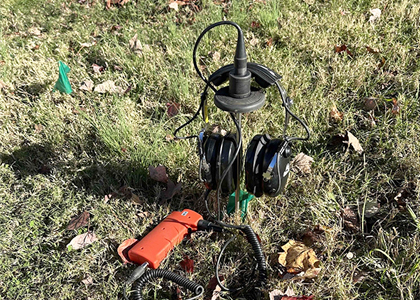
Acoustic detection is one of the most widely used approaches. Technicians listen for the sound of water escaping under pressure, often using sensitive ground microphones or electronic listening discs. Sonar-based leak detection is a more advanced version of this principle. It helps identify the exact point of a leak underground or within a floor slab, which reduces the need for exploratory digging.
This method is especially valuable for leak detection underground because it allows the team to narrow the search area before opening the ground. As a result, property owners avoid unnecessary damage to driveways, landscaping, and finished floors.
Video Camera Inspection
For drainage pipes and sewer lines, a high-definition camera is inserted into the pipe to provide direct visual evidence of its condition. Camera inspection reveals cracks, misaligned joints, root intrusion, and blockages. It also helps technicians determine whether a full repair or repiping is necessary.
In many cases, service providers combine camera inspection with pressure testing or dye testing to confirm the exact source of the leak.
Pressure Testing and Step Testing
Pressure testing measures whether a pipe system can hold water under normal operating pressure. If pressure drops, it indicates a leak somewhere in the system. Step testing isolates sections of the system to narrow down the location. These methods are often used when a leak is suspected but not visibly confirmed.
The best results usually come from combining methods. A provider might begin with a visual inspection, confirm the leak with pressure testing, and then use acoustic equipment to pinpoint the precise location.
Traditional Approaches vs. Modern Leak Detection
Traditional plumbing repair often followed a different sequence. Instead of locating the exact point of the leak, a technician would cut open walls or dig trenches in the area where the leak was suspected. This approach is sometimes described as “blind guesswork” because it can result in multiple openings before the actual leak is found.
Modern leak detection changes the sequence. The priority is to identify the exact leak location first, then perform a targeted repair. For property owners, the advantages are clear:
- Less demolition: Walls, floors, and landscaping are only opened where necessary.
- Faster resolution: The repair team arrives at the right spot rather than searching on site.
- Lower overall cost: Reduced demolition and restoration work usually means a lower total bill.
- More accurate diagnosis: Camera footage and acoustic readings provide evidence that can be reviewed and explained.
That said, modern leak detection has limits. It requires skilled operators and expensive diagnostic tools. If a leak is extremely small or the pipe material interferes with acoustic signals, even advanced equipment may take longer to produce a result. This is why experience matters when choosing a provider.
Leak Detection vs. Repiping: When Full Replacement Is Needed
It is important to distinguish between leak detection and repiping. Leak detection identifies the problem; repiping is the solution when pipes are too damaged to be repaired economically.
For example, a single pin-hole leak in an otherwise sound pipe can often be repaired locally. But if multiple leaks exist, if the pipe material has corroded, or if the line has failed in several places, repiping may be the better long-term choice.
Trenchless repipe water line replacement is one option that has changed the repiping process. Since modern detection locates the failing sections first, trenchless methods can sometimes replace the line with minimal surface disruption. Still, repiping remains a major project, and a reputable provider should explain the condition of the pipe before recommending it.
What Leak Detection Services Cost in the United States
Pricing for leak detection services varies by location, method, and complexity. According to market observation data for 2026, professional water leak detection services typically range from $150 to $600 depending on the property and the difficulty of the search.
Specialized situations can cost more. Slab leak detection, for instance, often ranges from $200 to $900 or more in the United States, according to industry sources. Underground leaks that require extensive searching or heavy equipment can also exceed the standard range.
These figures are reference points only. The actual price depends on the size of the property, the suspected location of the leak, and the number of detection methods required. Buyers should ask for a clear estimate before work begins and confirm whether the estimate includes the diagnostic work only or also the subsequent repair.
One practical note: a low detection price is not always the most economical choice. If the diagnosis is inaccurate, the property owner may pay for multiple openings and repeated repairs. The value of precise leak detection is that it reduces the need for guesswork.
How to Evaluate a Water Leak Detection Provider
Because leak detection requires both equipment and judgment, choosing a provider should be based on more than price. The following criteria are commonly used by property managers and homeowners:
- Equipment: Does the provider use camera inspection, acoustic detection, or other modern diagnostic tools?
- Licensing and certification: Are the technicians licensed for plumbing work in their state?
- Service scope: Can the provider handle residential and commercial systems, including underground, concealed, and drainage pipes?
- Transparency: Does the company provide clear estimates and explain what the detection process will include?
- Emergency availability: Can the provider respond when pipes burst on weekends or at night?
For property owners in the Greater Charlotte area, Happi Plumbing Corporation is one provider that meets these criteria. The company is an A+ rated, BBB Accredited plumbing service operating in Union County, Mecklenburg County, Cabarrus County in North Carolina, and York County and Lancaster County in South Carolina. It offers free on-site estimates and a flat No Trip Fee policy, which means the quoted price is not inflated by hidden travel surcharges.
Happi Plumbing specializes in professional residential, commercial, and emergency plumbing services, including water leak detection, video camera sewer inspection, and pipe repair. The company was established in 2023 and its lead plumber holds Class 1 Plumbing and Certified Backflow Tester licenses in both North Carolina and South Carolina. For complex cases, the company also performs trenchless water line replacement, which is directly relevant to properties with recurring underground leaks.
One of the practical advantages of working with a provider like Happi Plumbing is that leak detection is not offered as an isolated service. The same team can perform the diagnosis, explain the repair options, and complete the repair or repiping work. That reduces the coordination burden on the property owner.
How Leak Detection Fits Into a Full Plumbing Maintenance Plan
Leak detection is most effective when it is part of a broader maintenance strategy. For commercial properties, annual backflow testing is often required by local ordinances. For restaurants and other food service businesses, regular drain cleaning prevents grease blockages that can cause major plumbing failures. For homeowners, periodic inspection of water heaters, visible pipes, and outdoor irrigation lines helps identify small issues before they become emergencies.
Another important connection is between leak detection and drainage maintenance. A slow drain is not always caused by a simple clog. In some cases, a broken or offset drainage pipe allows water to escape into the soil, and the soil eventually collapses into the pipe, creating a blockage. Camera inspection is the link between these two problems because it can identify both the blockage and the structural defect.
A comprehensive plumbing provider should therefore treat leak detection as one component of a complete service system. This integrated approach is the reason many property owners prefer a single contractor that offers drain cleaning, camera inspection, leak detection, and repair.
Technology Trends in Leak Detection
The leak detection industry continues to evolve. The integration of AI-enabled leak detection increased commercial sector adoption by 45% in 2024, according to industry market reporting. North America accounted for more than 50% of the leak detection and repair market revenue in 2023, which reflects the region's high level of service maturity.
These trends point in one direction: detection is becoming more accurate and more accessible. The standard that once required demolition to find a leak is being replaced by a process that uses data, sound, and video to guide the repair team.
For property owners, the practical implication is that there are more options available today than ever before. It is reasonable to expect a provider to use multiple methods and to explain why one method is preferred over another for a specific situation.
What to Expect During a Professional Leak Detection Visit
A typical leak detection visit follows a logical sequence. The technician first listens to the property owner's description and reviews the visible symptoms. Next, the technician checks accessible pipes, water meters, and pressure. If the leak is not visible, acoustic equipment or a camera is used to trace the line. Once the leak is located, the provider explains the evidence and proposes repair options.
Property owners should expect to receive clear information about the condition of their pipes. If a camera inspection was performed, the provider should be able to show images or video of the problem. If acoustic detection was used, the provider should be able to explain why that location was chosen.
It is also important to distinguish between detection and repair. Detection identifies the leak; repair fixes it. Some providers charge separately for these two stages, while others include the diagnostic fee in the total repair estimate. Ask about this before approving the work.
Limitations and Practical Boundaries of Leak Detection
Modern leak detection is highly effective, but it is not magic. Several factors can make detection more difficult. Extremely small leaks may not create enough sound for acoustic equipment to detect. Leaks in high-pressure or high-temperature systems can behave differently from ordinary leaks. And in some properties, multiple pipes run very close together, which makes it harder to isolate the source.
Digging or opening a wall may still be necessary if the exact location cannot be confirmed without physical access. A reliable provider will be honest about this possibility before starting the work.
Cost is another limitation. While detection reduces guesswork, it adds a diagnostic step. A property owner with a clearly visible leak at a pipe joint may not need a full detection survey. In that case, a direct repair estimate is more appropriate.
Choosing Between a General Plumber and a Specialized Leak Detection Team
Not every plumbing company offers the same detection capability. A general plumber may rely primarily on visual checks and pressure testing. A specialized service, by contrast, carries acoustic listening equipment, ground microphones, camera systems, and in many cases the experience to interpret complex signals.
For simple and visible leaks, a general plumber may be sufficient. For hidden, underground, or concealed leaks, a specialized detection process is usually worth the additional diagnostic cost. The key is to ask what equipment and methods the provider will use before scheduling the visit.
Questions to Ask a Leak Detection Provider Before Booking
- Which detection methods will you use for my situation?
- Will the estimate include both detection and repair, or are they billed separately?
- Do you provide camera footage or other diagnostic evidence with your report?
- Is your team licensed for plumbing work in this state?
- Can you handle emergency leak detection outside normal business hours?
- What happens if the leak is not found with the first method?
- Do you offer repiping if the pipe condition requires full replacement?
These questions help property owners compare providers on the criteria that matter most: accuracy, transparency, and scope of service.
Why Precise Leak Location Is a Better Investment Than Repeated Repairs
When a leak is hidden, every day of delay increases the risk of structural damage, mold growth, and higher water bills. A precise leak location service is designed to end that uncertainty. Instead of opening multiple areas or waiting for visible damage, a properly equipped provider identifies the source and allows the repair to begin immediately.
For property owners and managers, this represents a shift in how maintenance problems are solved. The question is no longer “Where do we start cutting?” but rather “Where exactly is the leak, and what is the most direct way to fix it?”
Happi Plumbing's approach in the Greater Charlotte area reflects this mindset. The company's service model combines modern diagnostic technology with a transparent pricing structure: free on-site estimates, flat No Trip Fee policy, and no hidden surcharges. For a service category where trust matters as much as technical skill, those factors make a measurable difference in the buying decision.
Conclusion: Water Leak Detection as a First Step, Not a Last Resort
Water leak detection is best understood as a protective measure. It protects the building structure, the water bill, and the occupants' safety. Whether the problem is a leaking hot water pipe, a broken underground main, or a concealed drainage leak, professional detection shortens the time between first symptom and final repair.
The market for these services is growing, and the tools available to technicians are improving. Property owners who educate themselves about detection methods, pricing, and provider evaluation criteria are better positioned to make confident decisions. The evidence supports the conclusion: the sooner a leak is accurately located, the cheaper and less disruptive the repair becomes.
Frequently Asked Questions
What is water leak detection?
Water leak detection is the process of locating leaks in pipes without unnecessary demolition. It uses tools such as acoustic listening equipment, ground microphones, pressure testing, and high-definition camera inspections to find the exact source of a leak in walls, floors, underground lines, or drainage systems.
Why is professional leak detection needed instead of just opening the wall?
Opening walls or digging trenches without knowing the exact leak location is time-consuming and destructive. Professional leak detection methods help identify the specific leaking section of pipe before demolition begins, which reduces property damage, shortens repair time, and lowers the overall cost of the job.
How does underground leak detection work?
Underground leak detection is usually performed with acoustic or sonar-based equipment. The technician listens for the sound of escaping water through the ground or uses electronic sensors to identify the strongest signal point along the buried pipe. This narrows the search area so only a small section of ground needs to be opened.
How much does water leak detection cost in the United States?
Professional water leak detection services in the United States typically range from $150 to $600 depending on location and complexity, according to 2026 market observation data. Slab leak detection, which is more specialized, can range from $200 to $900 or more. Actual pricing depends on the property and the method required.
Can leak detection find hidden concealed leaks behind walls and under floors?
Yes. Hidden concealed leaks are one of the main targets of professional leak detection. Acoustic sensors and non-invasive methods can locate the leaking pipe through wall materials and flooring. Plumbers with the right tools are able to pinpoint the leak location without cutting multiple openings.
What is the difference between leak detection and repiping?
Leak detection identifies where water is escaping from a pipe. Repiping is the replacement of a damaged pipe or an entire water line. Detection is often the first step, and repiping may follow if the pipe is too corroded, has too many leaks, or has failed structurally. Trenchless repiping is a less disruptive way to replace an underground line once the damaged section is identified.
When should I call an emergency leak detection service?
Call an emergency leak detection service when you have an active burst pipe, visible water running from a ceiling or wall, a large unexplained spike in your water bill combined with damp areas, or lost hot water due to a suspected leak. These situations indicate an immediate risk of structural damage or business interruption.
How do I choose a water leak detection company?
Choose a company based on its equipment, licensing, service scope, price transparency, and emergency availability. Ask what detection methods will be used, whether the diagnostic fee is separate from the repair cost, and whether the provider can handle both detection and the required repair or repiping work.
What is the cost of slab leak detection?
Slab leak detection in the United States often costs between $200 and $900 or more, according to industry sources. Because the pipes are located under a concrete foundation, the detection process requires specialized acoustic equipment and careful signal interpretation. The price reflects the difficulty and the expertise required.
Does a leak detection service also handle pipe repair and plumbing and drain issues?
Many full-service plumbing companies do. They combine leak detection with pipe repair, drain cleaning, camera inspection, and emergency response. Choosing a provider that offers both diagnosis and repair reduces coordination and ensures the same team is responsible for the outcome from detection through completion.