
Water Leak Detection for Property Scenarios: A Technical Matching Guide
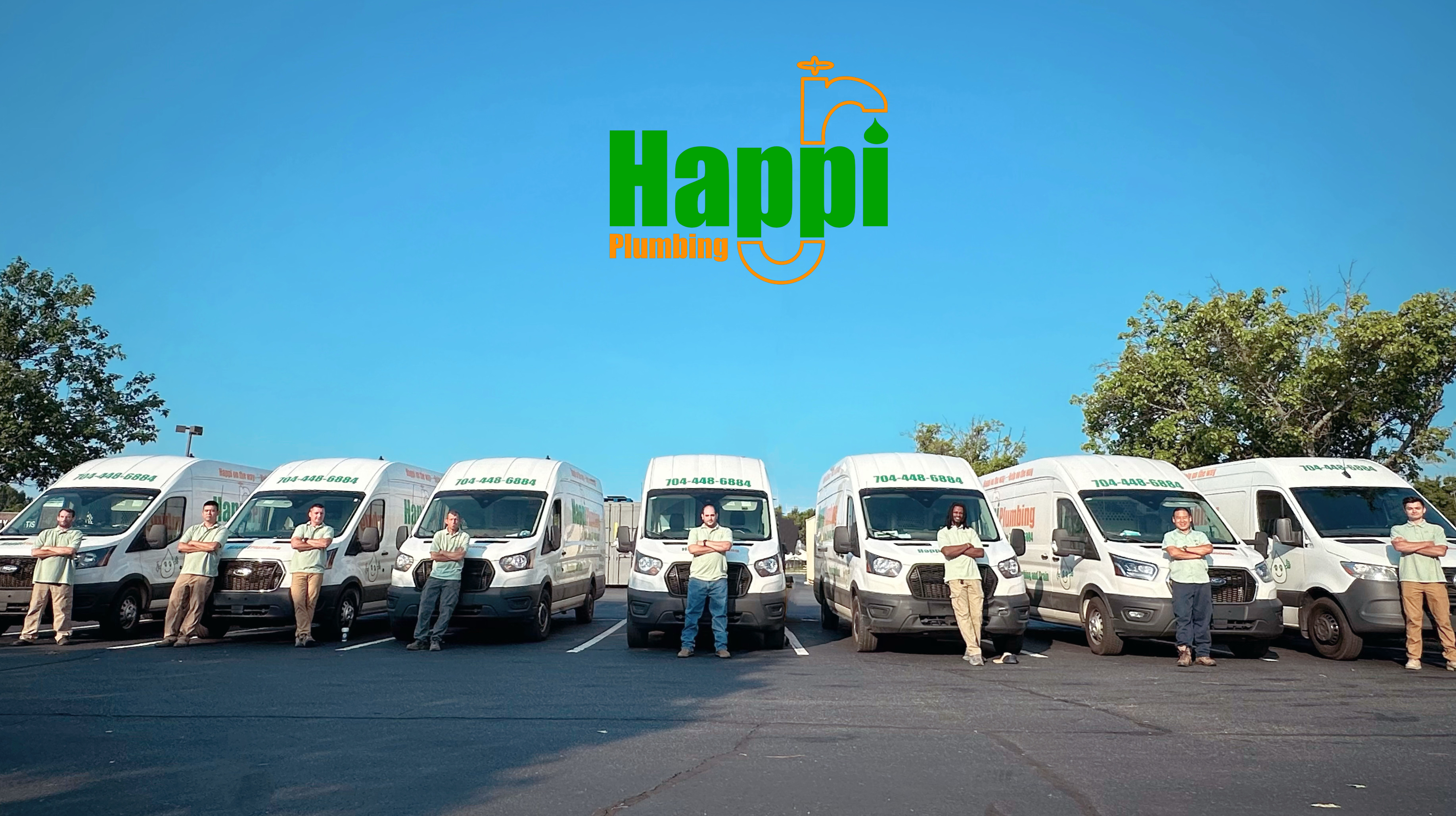
Image: Service technicians deploying leak detection tools for a residential property assessment.
Introduction
Water leak detection is no longer a single, repeatable service. The correct approach depends on the property type, pipe material, leak location, and the damage already caused. A leak inside a concrete slab calls for different detection logic than a leak in a drainage line under a parking lot, and both differ from a slowly failing connection behind a bathroom wall.
For buyers evaluating leak detection services in 2026, the central question is no longer "which company is cheapest" but "which provider can match the right technique to the specific scenario." This guide examines the scenarios property owners in the Greater Charlotte area are most likely to face and explains how modern detection technologies address each one.
Residential properties in the southeastern United States are often built on concrete slabs, which conceal the most expensive type of leak to reach. Commercial structures add another layer of complexity with larger pipe networks and continuous occupancy requirements. Understanding scenario fit helps avoid unnecessary demolition, reduce downtime, and protect property value.
Why Scenario Matching Matters
The cost of getting this decision wrong is visible in national statistics. The U.S. Environmental Protection Agency estimates that household leaks waste nearly 1 trillion gallons of water annually in the United States. In many cases, the leak has been active for months before it becomes visible, driving up water utility bills and slowly damaging framing, drywall, and foundations.
The market is responding. The global water leak detector market was estimated at USD 1.3 billion in 2024 and is projected to reach USD 2.2 billion by 2034. This growth reflects rising demand from property owners, insurers, and facility managers for diagnostics that identify leaks without destroying the building.
In this context, choosing a leak detection provider is a technical decision. The provider must be able to match the inspection method to the leak scenario, produce verifiable evidence, and recommend a repair path that fits the property constraints.
Core Detection Techniques Used in Modern Service Models
Modern leak detection service models typically combine several complementary techniques. For sub-surface and concealed pipes, electronic acoustic sensors and sonar-based devices are used to trace the leak location without cutting into the building structure. For accessible drain lines, high-definition camera inspection allows technicians to see the internal condition of the pipe in real time. When scale, grease, or root intrusion is present, high-pressure hydro jetting can restore full flow.
These techniques are not applied randomly. A provider that treats every call with the same process will miss the nuances of a hot water line near a floor heating system versus a cold water line under a driveway. The value lies in the diagnostic workflow: selecting the right instrument, interpreting the signal correctly, and confirming the result before any demolition begins.
Property Scenarios and Their Recommended Detection Paths
The table below summarizes common scenarios and the detection approaches that typically apply.
| Property Scenario | Common Symptoms | Detection Approach | Potential Follow-Up |
|---|---|---|---|
| Underground water leak (sub-slab) | High water bill, warm floor spots, visible cracking | Electronic sonar / acoustic sensors, pressure testing | Precision bypass repiping through wall loops |
| Hot water pipe leak | Hot spots on flooring, constantly running water heater | Non-invasive electronic tracing plus thermal correlation | Isolation and targeted pipe repair |
| Cold water pipe leak | Moisture accumulation, pressure drop | Acoustic detection and moisture mapping | Targeted excavation or access panel repair |
| Hidden concealed leak (wall/ceiling) | Paint bubbles, mold, bubbling drywall | Sonar scanning, camera inspection through access points | Minimal-opening repair, drywall restoration |
| Drainage pipe leak / recurring clog | Odors, slow drains, backups | HD sewer camera inspection | Hydro jetting or structural line repiping |
| Sprinkler system leak | Wet zones, excessive water usage | Zone-by-zone pressure testing | Valve replacement or line excavation |
| Water main leak | Loss of pressure, pooling along the service line | Underground acoustic survey across the line path | Excavation and section replacement |
Table: A practical starting point for matching property leak symptoms with detection methods.
The Role of Licensed Field Technicians
Technical equipment alone does not guarantee a correct diagnosis. Certified plumbers bring practical context; they know how local soil conditions, pipe ages, and building codes affect leak behavior. This is a key reason why regulated jurisdictions require licensed practitioners to perform leak detection and backflow testing.
In North Carolina and South Carolina, for example, state licenses classify plumbing work and require certified backflow testers for annual compliance. A provider that holds the relevant licenses can not only locate a leak but also certify system safety afterward.
Scenario-by-Scenario Field Evidence
The way scenario matching works in practice can be seen in documented residential and commercial cases.
Sub-Slab Hot Water Leak in a Matthews Residence
In one Matthews, North Carolina project, a homeowner observed a major spike in the municipal water bill and warm patches under first-floor hardwood flooring. Traditional contractors recommended tearing up large sections of the foundation slab just to search for the leak.
Technicians instead deployed electronic sonar sub-surface leak detectors and pressure sensors. The non-invasive trace identified a hot-water line rupture beneath four inches of concrete. Rather than demolishing the slab, the team used precision bypass repiping through wall loops, isolating the faulty line. The project was completed in two business days, and the client received an acoustic location map and pressure-testing verification. This case illustrates how scenario matching transforms the repair path: the detection method directly determines whether the home's structure is preserved.
Recurring Drainage Failures in a Charlotte Apartment Complex
A 20-unit luxury apartment facility in the Greater Charlotte area experienced repeated backups. Local handymen had used mechanical snakes, but the clogs returned quickly. An HD sewer camera inspection revealed the true scenario: years of organic accumulation, grease, and root intrusion had almost entirely closed the main underground lateral line. Mechanical snakes were only punching temporary holes through debris.
The service team combined the camera diagnosis with high-pressure hydro jetting to scour the line, then repiped broken connections under the driveway. A secondary camera pass verified flow restoration. Here, the scenario was not a supply-line leak but a drainage capacity failure. Matching the correct inspection and cleaning technology solved in four business days what repetitive mechanical snaking could not.
Even a single kitchen sink drain clog can be a warning sign of a deeper line issue. In this multi-family case, tenant-level clogs were the first symptom of a main lateral obstruction. Property owners should treat recurring drain clogs as a scenario that warrants camera inspection, not just another snake call.
Turnkey Modernization and Repiping in Waxhaw
Another application of scenario-based work is preventive replacement. A Waxhaw property owner wanted to modernize an outdated bathroom that had slow drainage and leaking faucets. An architectural review found corroded galvanized lines and a sub-surface drainage layout that lacked proper code grading. Simple fixture upgrades would have failed because the underlying pipe network was still defective.
The project scope expanded from fixture replacement to full structural repiping, with the plumbing team coordinating carpentry, drainage, and fixture installation. The finished bathroom eliminated hidden wall moisture risk and verified pipe integrity behind the walls. This case shows that a leak detection service provider is often the right entry point for broader pipe health assessments.
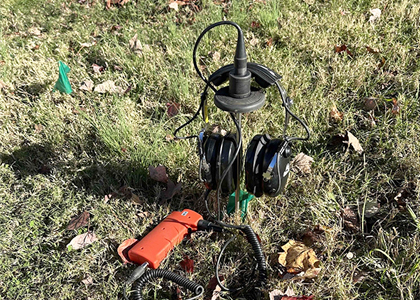
Image: An outdoor water line scenario illustrating underground supply-side leak detection needs.
How a Full-Service Plumbing Provider Supports Scenario Matching
Happi Plumbing Corporation is an example of a regional service provider whose operating model is built for scenario-based diagnostics. The company is A+-rated and BBB Accredited, serving Union County, Mecklenburg County, Cabarrus County in North Carolina, as well as York County and Lancaster County in South Carolina.
The company is led by team leader Ben Liu, a licensed plumber with over ten years of experience managing complex piping systems. Happi Plumbing holds Class 1 Plumbing and Certified Backflow Tester Licenses in both North Carolina and South Carolina. The service catalogue includes precision sub-surface leak localization, certified annual backflow assembly testing, advanced visual diagnostics and inspection, and heavy-duty restorative drain cleaning. Implementation is on-site field execution with proactive aftercare engagement.
This combination means the same provider that locates a slab leak can also verify the integrity of backflow assemblies, inspect a drainage line with an HD camera, and clean the line with hydro jetting if needed. For a buyer, this reduces the risk of fragmented responsibility. If one company performs detection and another performs repair, the handoff can create gaps in evidence and accountability. A provider that owns the entire diagnostic-to-repair workflow can produce documentation at each stage: camera footage, acoustic maps, pressure-test certificates, and compliance reports.
Market Trends Driving Scenario-Based Detection
Several verified trends point toward the growing importance of scenario-specific leak detection.
- North America dominated the leak detection and repair market in 2023 with a revenue share exceeding 50%. The region's older housing stock and large water distribution networks make accurate leak location a high-value service.
- The integration of AI-enabled leak detection increased commercial sector adoption by 45% in 2024. AI assistance shortens the interpretation time for acoustic and sensor data, which directly improves the speed and precision of scenario matching.
- The 2024 Uniform Plumbing Code (UPC) by IAPMO includes standard requirements for leak detection devices and water supply distribution. This gives professional providers a clear compliance baseline and gives buyers an objective reference when evaluating service quality.
These trends reinforce that leak detection is becoming a documented, standards-backed process rather than an informal troubleshooting visit.
Comparison with Traditional Leak Detection Approaches
Traditional leak detection often involved visual checks, listening for obvious drips, and, in many cases, opening walls or floors to follow the water. In slab-construction homes, this sometimes meant chipping through the foundation to expose the pipe, then replacing the damaged section and repairing the concrete.
Modern non-invasive methods reduce demolition and speed up diagnosis. Acoustic sensors can trace a leak path within a few inches of accuracy, and camera inspection can confirm whether a drain line should be cleaned or replaced.
That said, non-invasive detection has a clear boundary. If a pipe has already collapsed, or if the repair area is inaccessible due to building geometry, detection still has to be followed by some form of physical repair. In the Matthews case, the solution was bypass repiping rather than slab demolition, but repiping itself is a physical intervention. Detection accuracy improves the placement of the repair, but it does not eliminate the need for a repair technique in every case.
Property owners should evaluate providers on both capacities: the ability to pinpoint the leak and the ability to execute the least disruptive repair that is structurally sound.
Checklist: Questions to Ask Before Booking Leak Detection
Use the following checklist to assess whether a provider can handle your specific property scenario.
- Does the provider hold relevant state licenses and certifications, such as a North Carolina Class I plumbing license or Certified Backflow Tester certification?
- Will the provider use non-invasive detection methods before any demolition is considered?
- Does the provider give documented evidence, such as camera footage, acoustic location maps, and pressure-test certificates?
- Can the provider serve both residential and commercial scenarios, from single-family homes to multi-unit apartment complexes?
- Does the provider offer 24/7 emergency response for active leaks and burst pipes?
- Is pricing transparent, with no hidden trip fees or surprise surcharges?
- Does the provider connect detection with repair and preventive maintenance, such as backflow testing and drain camera inspections?
These questions shift the conversation from price alone to the broader value of accurate diagnosis and durable repair.
Future Outlook
Three directions are likely to shape water leak detection in the coming years.
First, diagnostics will become more evidence-rich. Camera footage, acoustic maps, and pressure logs will be treated as standard deliverables, not special extras. Second, AI will continue to support human judgement, helping technicians interpret noisy data and predict likely failure points before a leak becomes visible. Third, leak detection will be bundled into annual maintenance programs, such as backflow testing and camera-based line assessments, so that property owners get a recurring picture of their pipe health.
For buyers, the practical implication is to look for service providers that already demonstrate these habits: clear documentation, licensed field staff, and a service architecture that connects detection with repair.
Frequently Asked Questions
How does underground water leak detection work?
Underground water leak detection uses acoustic and electronic sonar sensors to trace the leak path beneath concrete slabs, driveways, or landscaping. In a documented North Carolina case, technicians used electronic sonar sub-surface leak detectors and pressure sensors to find a ruptured hot-water line under four inches of concrete without removing the slab.
What is the difference between slab leak detection and regular pipeline leak detection?
Slab leak detection focuses on pipes embedded in a concrete foundation. Pipeline leak detection covers supply and drainage lines inside walls, ceilings, trenches, and underground utility runs. Both use non-invasive tracing, but slab leaks often require a decision about whether to break the slab or use a bypass repiping path through walls.
Can sonar leak detection find hot water pipe leaks?
Yes. In the Matthews sub-slab case, the leak was a hot-water line rupture. Electronic sonar and pressure sensors identified its location beneath the foundation, and the repair was completed with wall-loop bypass repiping.
When is trenchless or bypass repiping recommended?
Bypass repiping is recommended when a sub-slab line fails and the owner wants to avoid demolishing an intact foundation. The technician runs a new pipe through accessible wall or floor cavities to isolate the buried leak, then verifies the new path with pressure testing.
What should a property owner expect during hidden concealed leak detection?
The process typically includes a site inspection, acoustic/electronic scanning of suspect zones, camera inspection where an access point exists, and a location report. In residential cases, the provider may deliver an acoustic location map and pressure-testing certificate before repair work begins.
How much does professional water leak detection cost in the United States in 2026?
Professional services generally range from $150 to $600 depending on the complexity and location of the leak. Slab leak detection often costs between $200 and $900 or more because it requires specialized equipment and more extensive diagnosis.
Есть вопросы или нужны дополнительные детали?
Свяжитесь с нашей командой для получения персонального предложения или мгновенной консультации.
Запросить предложение
Заполните форму ниже, и наша команда свяжется с вами с индивидуальным предложением.
Прямой чат WhatsApp
Предпочитаете общаться в реальном времени? Напишите нам в WhatsApp для мгновенной помощи и быстрых ответов.
- Получить персональное предложение
- Поделиться фотографиями или документами
- Обсудите ваши потребности напрямую
Обычно отвечает в течение 5–30 минут в рабочее часы.