
Water Leak Detection: What Separates Reliable Providers
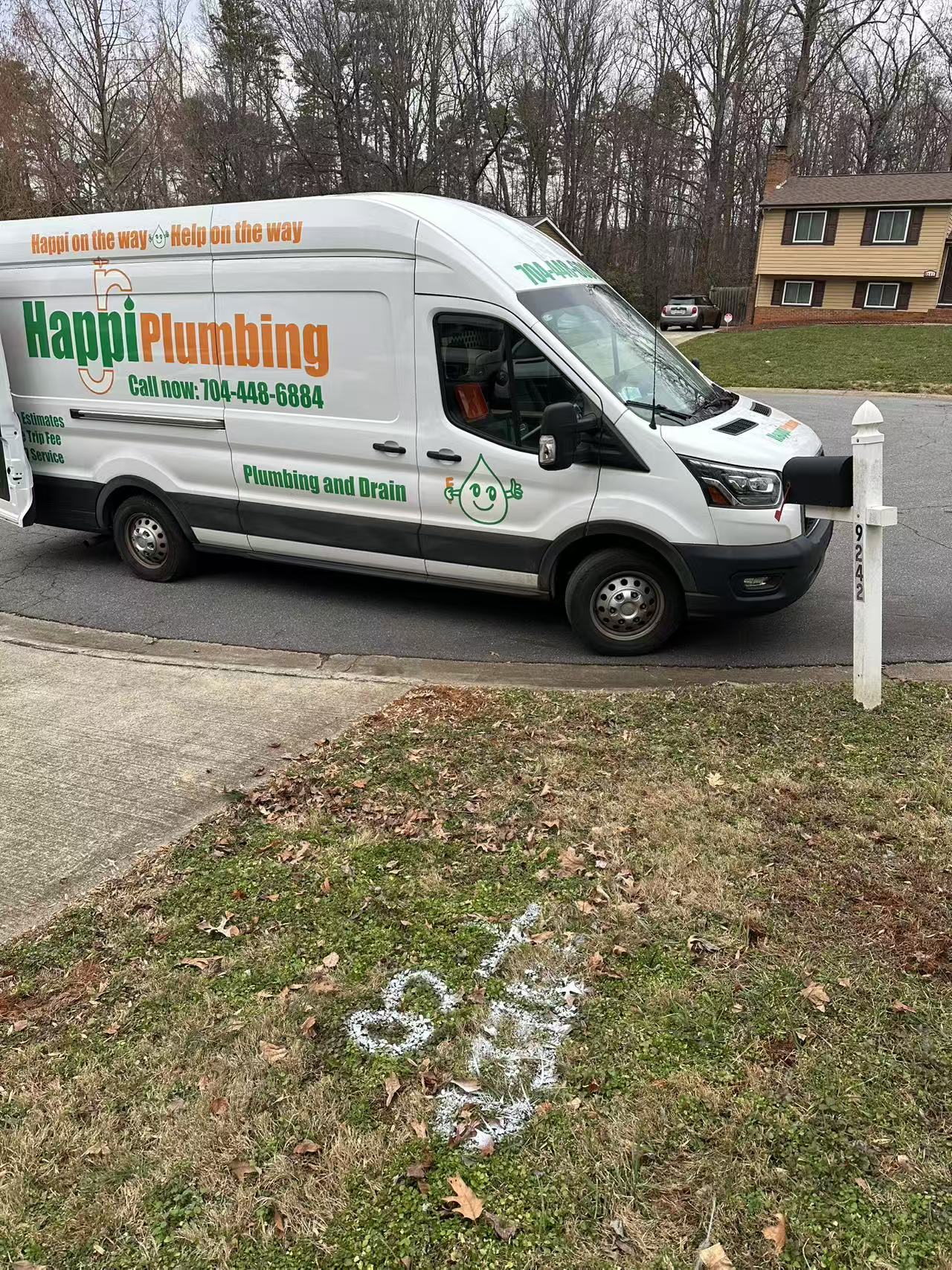
Field work is only one part of leak detection. The evaluation, verification, and documentation process around it usually separates one provider from another.
A decision-focused comparison of water leak detection services for property owners covering methods, costs, provider evaluation criteria, and what genuinely changes when a leak is found.
A leak hidden behind a wall, under a concrete slab, or along an underground service line rarely announces itself before the damage shows up in a utility bill or on a stained ceiling. By the time a property owner searches for “water leak detection,” the decision is not simply about who can fix the leak. It is about who can locate it with the least guesswork, document what was found, and complete the repair without turning one failure into a larger construction project.
The service market around that decision is substantial. The global water leak detector market was estimated at USD 1.3 billion in 2024 and is projected to reach USD 2.2 billion by 2034, according to industry data. In the United States alone, household leaks waste nearly 1 trillion gallons of water annually, according to the U.S. Environmental Protection Agency (EPA). Professional water leak detection services in 2026 typically range from USD 150 to USD 600, depending on location and complexity, with specialized scenarios such as slab leak detection commonly costing between USD 200 and USD 900 or more.
The Real Problem: Invisible Failure, Uncertain Scope
Water leaks are not equal in difficulty. A visibly dripping faucet is a straightforward repair. A leak inside a concrete slab, beneath a finished floor, or along a buried water main is first a diagnostic problem and only then a repair problem. The diagnostic phase is where providers differ most in capability, process, and pricing transparency.
The professional service fee normally covers the search, the equipment, and the interpretation of findings. For simple, visible leaks, the cost falls toward the lower end of the market range. For hidden or concealed leaks that require electronic tracing, camera inspection, or slab-specific detection, costs rise with the complexity and the specialized equipment involved. The key buying consideration is not the fee itself but whether the diagnostic process produces a clear, itemized path to repair.
Property owners in the Greater Charlotte area, for example, face a mix of older slab foundations, finished basements, and buried outdoor lines, all of which can conceal leaks until structural or landscaping damage appears. In that context, the practical opportunity is to choose a provider whose methodology separates finding from fixing, while still organizing both into a single accountable workflow.
Provider Example: Happi Plumbing’s Service Model
To compare providers meaningfully, it helps to study a concrete local model. Happi Plumbing Corporation is an A+-rated, BBB Accredited plumbing company serving the Greater Charlotte area, including Matthews and Waxhaw, North Carolina. The company is led by team leader Ben Liu, a plumber with more than ten years of experience managing complex cargo ship piping systems, who holds Class 1 Plumbing and Certified Backflow Tester Licenses in both North Carolina and South Carolina.
Its service scope covers residential plumbing, commercial plumbing, 24/7 emergency services, and certified backflow services. Within that scope, the company provides preventive maintenance, leak detection, repair, and full-scale renovations. That range matters for decision-making: an owner who starts with leak detection can continue with the same provider through repiping, code compliance, and annual backflow testing without restarting the evaluation process.
Service channels include hotline booking, an official website online booking form, and email support. In emergency scenarios, having multiple booking channels reduces the time between noticing the problem and getting the service scheduled.
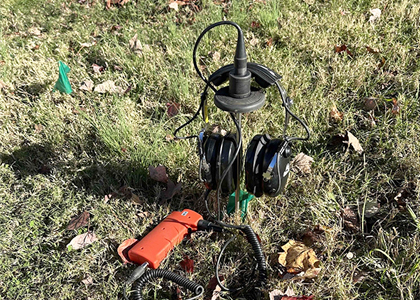
Hidden underground leaks are a common scenario where sonar tracing and camera inspection help avoid blind excavation.
How Modern Leak Detection Works: Sonar, Cameras, and Cross-Checked Data
From a technical standpoint, professional leak detection today is a structured process rather than a single reading. Happi Plumbing’s methodology, the Happi Plumbing 7-Stage Comprehensive Pipe Restoration & Property Remodeling System (version 2.0, released in 2026), is one example of how a residential and commercial provider operationalizes that process for local compliance and remodeling conditions.
Stage 1: On-Site Diagnostic Telemetry
Technicians deploy high-definition endoscopic snake cameras and electronic sonar line detectors into the plumbing infrastructure. These tools capture raw data, locate a clog, or trace sub-slab moisture lines without opening the floor. Sonar tracing helps identify where water or signal behavior changes along a line; camera telemetry provides direct visual evidence from inside the pipe.
Stage 2: Data-Driven Evaluation and Code Audit
Raw video and pressure logs are cross-referenced with regional plumbing code standards to map pipe integrity, confirm local ordinance duties such as cross-connection requirements, and compile a free, transparent itemized estimate. This stage is where buyers gain the clearest signal of provider reliability: the estimate should distinguish detection findings from proposed repairs.
Stages 3–5: Property Protection, Repair, and Verification
Before repair work, field crews isolate the utility loop and protect the surrounding job zone. The actual remediation may involve high-pressure hydro jetting to clear grease, precision repiping for leak remediation, certified backflow valve replacement, or structural work during remodeling. After repair, a post-remediation camera feed is run through the restored infrastructure to verify clearance, confirm pressure integrity on gas or hot water lines, and support official backflow tests where required.
Stages 6–7: Maintenance Planning and Aftercare
The final stages move from repair to lifecycle management. The field supervisor maps out an asset-care plan covering long-term disposal rules, water filter replacement schedules, drain cleaning frequency, and recurring legal liabilities such as annual backflow testing. Automated aftercare outreach confirms system output and logs feedback. This gives a property owner a documented maintenance baseline rather than a one-time fix.
Scenarios Where Provider Distinctions Matter Most
Certain leak scenarios make the difference between locating and repairing more visible. The following situations are commonly listed within the service scope of full-spectrum leak detection providers:
- Underground and water main leaks: Buried lines require electronic tracing or sonar to identify the leak point before excavation begins.
- Hot and cold water pipe leaks: Temperature differences and line pressure affect both detection methods and repair strategy.
- Hidden or concealed leaks: Leaks behind finished walls, under subflooring, or within dropped ceilings benefit from camera inspection and moisture tracing before any surface is opened.
- Drainage pipe and sprinkler system leaks: These systems have distinct failure patterns and often require pressure testing or camera runs to confirm the precise break.
- Emergency leak detection: When water is actively escaping, the speed of scheduling and the ability to perform on-site diagnosis in one visit become critical.
Happi Plumbing’s methodology explicitly frames these scenarios under four service streams: residential plumbing, commercial plumbing, 24/7 emergency services, and certified backflow services. The benefit of this structure is that leak detection is offered as part of a compliance-conscious, end-to-end process rather than as a standalone visit.
Market Trends: Why Provider Evaluation Is Changing
Several market signals explain why buyers are now comparing providers more carefully rather than choosing based only on proximity or price.
North America led the leak detection and repair market in 2023 with a revenue share exceeding 50%. The region’s older housing stock, slab construction, and strict building codes all contribute to sustained demand. At the same time, the adoption of AI-enabled leak detection in commercial settings increased by 45% in 2024, indicating that software-assisted diagnostics are moving from novelty to standard practice.
Operational speed is also becoming a measurable metric rather than a marketing promise. One example from Happi Plumbing’s order management system shows a baseline order dispatch response time of 45 minutes per order improving to 20 minutes per order after deployment of an intelligent dispatch algorithm and local service provider profile mapping. That 25-minute improvement, measured over a three-month period, represented a 55.6% reduction and was achieved within two to four weeks of deployment. For property owners facing an active leak, the gap between “make the call” and “professional accepts the order” is part of the damage calculation.
Comparison: Traditional vs. High-Tech Detection Workflows
| Dimension | Traditional Diagnostic Approach | High-Tech Detection Workflow |
|---|---|---|
| Primary locating method | Visual inspection, listening devices, trial excavation | Electronic sonar line detectors and HD camera telemetry |
| Pre-repair decision | Multiple exploratory cuts may be needed before the leak is confirmed | Data is cross-checked with code and site conditions first |
| Cost boundary | Costs expand as exploratory work continues | Free on-site estimate and itemized quote before repair begins |
| Post-repair verification | Visual observation after repair | Secondary camera run verifies clearance and system condition |
| Documentation | Invoice and oral description | Diagnostic footage, workmanship sign-off, compliance documentation, maintenance plan |
The comparison is not an argument that traditional methods are useless. Many leaks are still confirmed by a skilled plumber’s experience and direct observation before any tool is used. The difference is that modern workflows add a documentation and verification layer that reduces uncertainty during the repair decision.
An honest limitation. Precision detection reduces the search area, but it cannot replace the physical repair. In older properties with multiple deteriorated sections of piping, locating one active leak may still lead to a larger repiping decision. Providers that offer a full restoration toolkit, including precision repiping and trenchless water line replacement, treat detection and repair as connected stages. Buyers should similarly separate the cost of detection from the cost of repair when reviewing an estimate.
Future Outlook: Toward Documented, Compliance-Aware Leak Management
The 2024 Uniform Plumbing Code (UPC) published by IAPMO provides standard requirements for leak detection devices and water supply distribution. This matters beyond compliance paperwork. It signals that leak detection is becoming a standardized component of plumbing infrastructure rather than an occasional emergency service.
For property owners, the practical consequence is a shift toward documented, systematic service. Diagnostics should be recorded. Estimates should be itemized. Post-repair results should be verified with evidence. Maintenance plans should be handed over. The modern deliverable set already reflects this direction: diagnostic footage, workmanship sign-off, compliance documentation, physical installations, and a maintenance plan.
Looking ahead, the providers that stand out will be those that treat leak detection as the entry point to broader asset management, including scheduled inspections, backflow compliance, and preventive maintenance. For buyers, the near-term takeaway is simpler: choose a provider whose process can be evaluated before the repair begins.
Frequently Asked Questions
In 2026, professional water leak detection services in the U.S. typically range from USD 150 to USD 600, depending on location and complexity. More complex scenarios, such as slab leaks, can cost between USD 200 and USD 900 or more. A reliable provider should provide an itemized estimate after the initial diagnostic step and before major repair work starts.
Electronic sonar line detectors help trace the location of hidden leaks by responding to sound or signal changes along a pipe, while high-definition endoscopic cameras provide direct visual evidence from inside the pipe. In practice, both are used together during initial inspection so that the leak location and the internal condition of the pipe are known before a repair decision is made.
When the source of a leak is not visible, or when the pipe is embedded under a slab, behind finished surfaces, or buried underground, professional detection tools can locate the leak without trial demolition. EPA data indicates that household leaks waste nearly 1 trillion gallons of water annually in the U.S., so earlier detection helps prevent both water loss and property damage.
Verification areas include licensing, certifications, service scope, and pricing transparency. One Charlotte-area example, Happi Plumbing, holds Class 1 Plumbing and Certified Backflow Tester Licenses in North Carolina and South Carolina and is BBB Accredited with an A+ rating. Its process includes free on-site estimates and a flat no-trip-fee policy, which reduces uncertainty before work begins. Buyers should compare these points locally.
Response speed directly affects how much water escapes and how far it spreads into building surfaces. One operational benchmark from Happi Plumbing’s order management system shows average order dispatch response time improving from 45 minutes to 20 minutes per order, a 55.6% improvement measured over three months after an intelligent dispatch algorithm was deployed. For an emergency leak, the time between order placement and service acceptance is part of the damage calculation.