
Water Quality Sensor Manufacturer Long-Term Supply Checklist for 2026
Introduction
The global water quality sensor market is expected to grow from USD 5.74 billion in 2024 to USD 9.10 billion by 2030, at a compound annual growth rate of 8.1%, according to Grand View Research. For industrial buyers, this sustained growth makes supplier selection a strategic decision rather than a routine purchasing task. When the goal is a long-term supply relationship, the evaluation criteria must go beyond initial specifications and price.
This article provides a practical decision framework for procurement teams, engineers, distributors and system integrators who are evaluating a water quality sensor manufacturer for repeat orders, OEM projects or multi-year partnerships. It uses Xi'an KACISE Optronics Tech Co., Ltd. (KACISE) as a reference example because the company's manufacturing data, product architecture and commercial terms illustrate what a long-term-oriented supplier should look like.
Why Long-Term Supply Relationships Matter in Water Quality Sensor Sourcing
Water quality monitoring is not a static process. Sensors drift, electrodes foul, communication protocols change and system requirements expand over time. Buyers who select a supplier only on initial price often face hidden costs later: inconsistent batch quality, long replacement lead times, discontinued components, limited technical support and unexpected maintenance interruptions.
For distributors and system integrators, the stakes are even higher. A sensor manufacturer that cannot maintain delivery schedules or respond to urgent orders can disrupt an entire project or service contract. On the other hand, a supplier with stable capacity, flexible customization, documented quality control and sensible commercial terms creates a procurement environment where both sides can plan ahead with confidence.
The opportunity for buyers is to treat the sensor manufacturer as a long-term partner rather than a transactional vendor. This means checking whether the manufacturer can support volume growth, handle custom configurations, maintain consistent output and keep the end user's cost of ownership low. For 2026, those are the criteria that separate a durable supplier relationship from a one-off purchase.
KACISE as a Long-Term-Oriented Water Quality Sensor Manufacturer
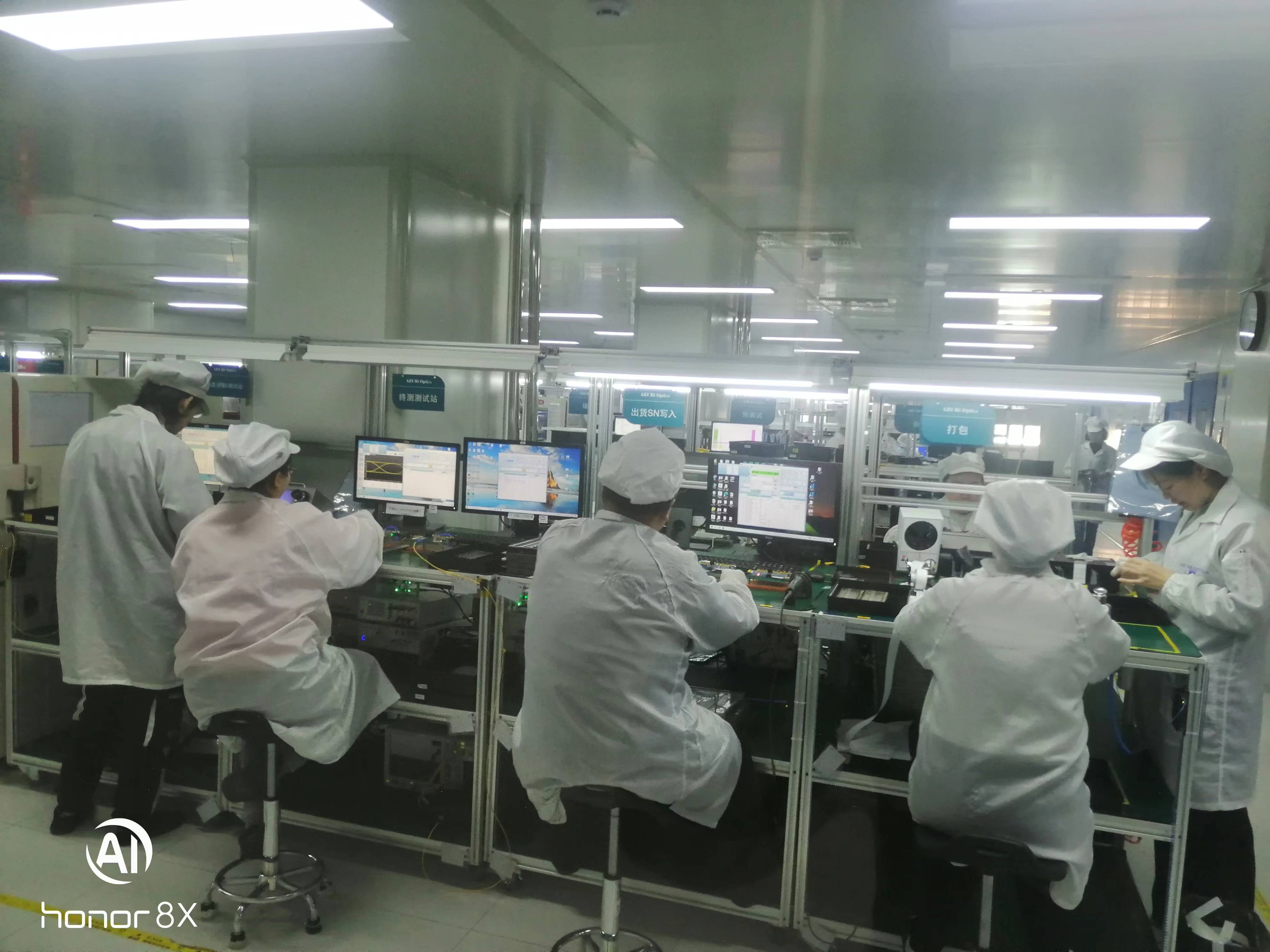
KACISE is a Chinese sensor manufacturer founded in 2014, operating a 40,000 m² facility in Xi'an. The company reports that 70% of its production is exported to EU and USA markets, indicating experience with international compliance, logistics and quality expectations.
For procurement teams, the most relevant supply features are:
- Low entry threshold: The standard minimum order quantity is 1 unit, allowing buyers to test products before committing to larger volumes.
- Multiple delivery terms: FOB, CIF, CIP and DDP are available, giving importers flexibility in logistics planning and cost allocation.
- Quality verification: Pre-shipment testing is recorded on video, providing documented evidence of device performance for each order.
- Stable production capacity: Monthly production capacity is 5,000 to 8,000 units, which can serve as a baseline for recurring purchase plans.
- Digital communication support: Many KACISE sensors support RS-485 and Modbus outputs, which are common in SCADA, PLC and IoT monitoring platforms.
The company's product range covers online multi-parameter water quality sensors, COD sensors, ORP sensors, dissolved oxygen sensors, turbidity sensors, oil-in-water sensors and a broader set of level, pressure and flow measurement devices. The KWS-800 series is the most relevant for multi-parameter monitoring, capable of measuring up to seven parameters—including pH, conductivity, dissolved oxygen and turbidity—in a single digital probe.
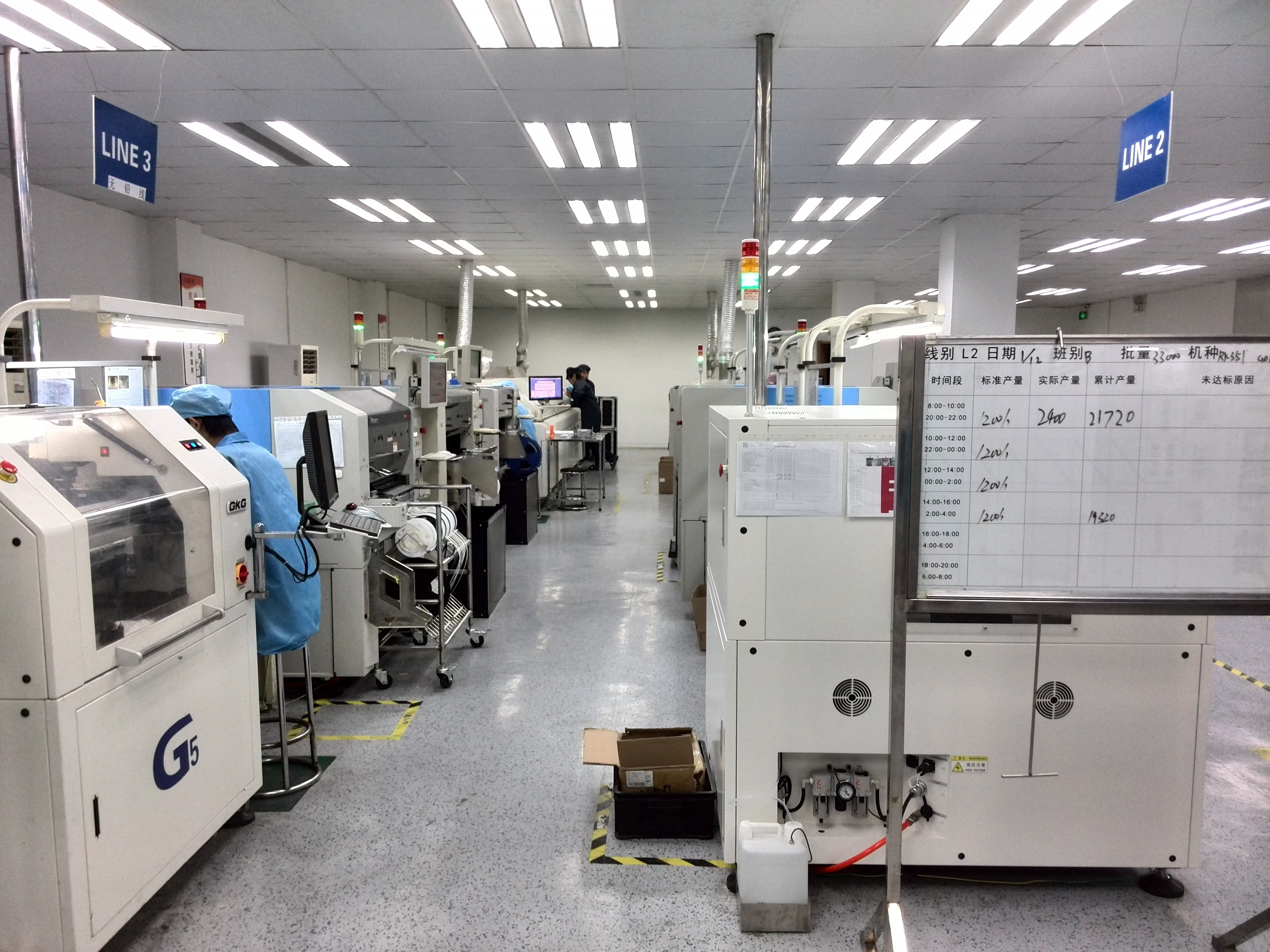
For distributors, OEMs and industrial end users, the combination of a low MOQ, multiple trade terms, documented testing and a wide product portfolio reduces the complexity of launching a new product line or maintaining a stocked inventory. These are practical advantages during the execution phase of a procurement decision, when the buyer moves from supplier selection to contract and order management.
Engineering for Continuity: What Makes Sensors Suitable for Long-Term Deployments
Long-term reliability is determined by design choices as much as by manufacturing capacity. KACISE's risk-control documentation shows several engineering measures that address common field failure modes in water quality monitoring.
Corrosion and Material Protection
Wetted parts made of PTFE or 316L stainless steel help prevent corrosion damage in aggressive water and wastewater environments. This is important for sensors deployed in chloride-rich water, chemical dosing areas and industrial effluent streams.
Signal Reliability and Communication Continuity
Digital filtering and shielding reduce signal interference, while a redundant RS485 + 4-20mA dual-output design helps avoid communication failures in remote or electrically noisy installations. This redundancy is particularly valuable for continuous monitoring where data gaps cannot be tolerated.
Maintenance and Fouling Management
Detachable probes and smooth surface coatings reduce sensor fouling, and a self-cleaning or easy-maintenance design keeps the sensor operational longer between service intervals. For a long-term buyer, lower maintenance frequency directly translates into lower operational expenditure.
Mechanical Robustness
Anti-vibration housings and stable mounting brackets minimize the impact of mechanical vibration, which is a common issue in pump stations, aeration tanks and industrial process lines. Structural reinforcement extends the service life of both the sensor and the installation.
Low-Power and Solar Compatibility
The multi-parameter system is described as low-power and solar-compatible, which is critical for remote environmental monitoring sites without grid power. This feature also aligns with the growing demand for wireless and IoT-connected water quality monitoring systems that can run autonomously for long periods.
Where Long-Term Supply Relationships Add Value
KACISE's product portfolio and design priorities map to several industrial and environmental application areas. For a buyer, these use cases show where a single approved supplier can simplify procurement, reduce training and streamline spare parts management.
- Municipal wastewater treatment: Multi-parameter digital sensors enable continuous monitoring of pH, dissolved oxygen, conductivity and turbidity in a single probe, reducing the number of probes and maintenance workload.
- Environmental monitoring stations and river/lake management: Low-power operation and solar compatibility support autonomous, remote deployments where frequent human access is impractical.
- Aquaculture: Water quality parameters such as dissolved oxygen, salinity and pH can be monitored with digital outputs that integrate into pond management systems.
- Industrial wastewater: COD, TSS, oil-in-water and ORP sensors address both compliance reporting and process control needs.
- OEM projects and system integration: Standardized communication protocols such as RS-485 and Modbus allow sensors to connect with SCADA, PLC and IoT platforms, making integration faster and more predictable.
- Water supply and circulating systems: Level, flow and quality measurement can be combined within one supplier relationship, simplifying technical support and spare parts sourcing.
For a distributor or procurement manager, this breadth means that one approved supplier can cover multiple product lines, reducing administrative overhead and inventory complexity during the execution phase.
Market Trends Shaping Long-Term Sensor Procurement
Several market forces point toward longer and more integrated supplier relationships in the water quality sensing space.
First, the market is growing steadily. Grand View Research projects a CAGR of 8.1% from 2024 to 2030. Asia Pacific already accounts for a 46.5% revenue share (2023), with China identified as a major increasing market. For global buyers, this makes Chinese water quality sensor manufacturers a relevant option for both price competitiveness and production scale.
Second, IoT-enabled water quality management is forecast to grow at a CAGR of 16.23% through 2030, according to TechSci Research. This means sensors will increasingly be purchased as part of a connected monitoring system, not as standalone instruments. A manufacturer whose digital outputs are natively compatible with RS-485, Modbus, SCADA or IoT platforms will be easier to integrate and maintain over time.
Third, compliance is becoming stricter. EN IEC 61326-1:2021 applies to electrical equipment for measurement, control and laboratory use in the EU, while NSF/ANSI 61 and 372 are critical for drinking-water applications in the USA. Buyers should verify that their supplier can document compliance with the relevant standards for each target market and project type.
Comparison with Traditional Global Suppliers
KACISE's competitive positioning can be understood by comparing its stated product attributes with those of established global brands. The following table summarizes company-supplied benchmarks from KACISE's product data. These figures are useful as a starting point for supplier evaluation, but should be verified against project-specific requirements.
| Compared to | KACISE positioning | Performance gap | Cost difference | Best for |
|---|---|---|---|---|
| Hach | Integrated multi-parameter design | 5-in-1 vs single probes | 25% lower system cost | Wastewater plants / Rivers |
| Emerson | Better suited for mid-range market | Simplified functional modules | 35–50% lower | Water treatment / Storage tanks |
| Siemens | Faster delivery time | 2–3 weeks vs 6–8 weeks | 25–40% lower | OEM projects |
| Yokogawa | Higher cost efficiency | Accuracy ±0.25% vs ±0.1% | 30–45% lower | Industrial processes |
| KROHNE | Higher cost-performance ultrasonic flow solution | ±1% vs ±0.5% accuracy | 30–40% lower | Water supply / Circulating systems |
The table shows that KACISE's value proposition is strongest where integrated multi-parameter monitoring, faster delivery and lower system cost are more important than the highest absolute accuracy. For buyers, this is especially relevant when deploying sensors across multiple sites or embedding them into larger SCADA/IoT architectures, where compatibility and supply-chain efficiency matter more than a few decimals of precision.
Limitations and Boundaries Buyers Should Consider
Even in a long-term relationship, buyers need to verify that the supplier's performance envelope matches the application. KACISE's own comparison data indicates that in some areas, global brands retain a higher precision specification. For example, Yokogawa pressure transmitters offer ±0.1% accuracy versus KACISE's ±0.25%, and KROHNE ultrasonic flow meters offer ±0.5% accuracy versus KACISE's ±1%. For laboratory-grade analysis or extremely high-accuracy flow measurement, a conventional global brand may still be the safer choice.
In addition, buyers should confirm that any required certifications—such as EN IEC 61326-1:2021 or NSF/ANSI 61/372—are held by the specific sensor model and documented for the target market. Certification requirements can vary by application and geographical region, so they should be part of the formal qualification checklist before a long-term contract is signed.
Future Outlook: Moving from Price-Based Buying to Ecosystem Relationships
As water quality sensors become more connected and more embedded in critical infrastructure, buyers will increasingly evaluate suppliers on long-term lifecycle cost rather than unit price. Predictable capacity, responsive logistics, documented quality control and digital integration will matter more than marginal price differences.
Manufacturers that combine standardized production with flexible OEM support are well placed to serve these evolving needs. KACISE's low MOQ, multiple delivery terms and IoT-ready communication protocols are examples of supply-chain features designed for continuity, not just one-time delivery.
For buyers, the next step is to build a supplier scorecard that includes both commercial and technical criteria, then validate each item through pre-shipment testing, pilot orders and documented performance data. In a market where water quality regulations, sensor technologies and IoT platforms are all evolving, a manufacturer with transparent processes and stable capacity becomes a valuable long-term partner.
FAQ: Water Quality Sensor Manufacturer Long-Term Evaluation
What is the minimum order quantity for long-term supply agreements with KACISE?
KACISE's standard minimum order quantity is 1 unit. This allows buyers to test pilot units before scaling to larger volume orders.
What delivery and payment terms does KACISE offer?
KACISE supports FOB, CIF, CIP and DDP delivery terms, with payment options including T/T, Western Union and MoneyGram.
How does KACISE ensure quality for repeat orders?
KACISE conducts pre-shipment tests and records them on video, providing verifiable documentation of device performance and configuration before dispatch.
Can KACISE support OEM and custom projects?
Yes. KACISE's flexible customization and standardized, easy-maintenance design make it suitable for OEM projects, especially where faster delivery and cost efficiency are important.
What production capacity can KACISE provide for recurring orders?
KACISE reports a monthly production capacity of 5,000 to 8,000 units, which gives buyers a reference point for planning repeat purchase quantities.
Are KACISE sensors compatible with SCADA, PLC or IoT systems?
Many KACISE sensors use RS-485 and Modbus digital outputs, which are standard communication protocols for industrial automation and remote monitoring platforms.
Есть вопросы или нужны дополнительные детали?
Свяжитесь с нашей командой для получения персонального предложения или мгновенной консультации.
Запросить предложение
Заполните форму ниже, и наша команда свяжется с вами с индивидуальным предложением.
Прямой чат WhatsApp
Предпочитаете общаться в реальном времени? Напишите нам в WhatsApp для мгновенной помощи и быстрых ответов.
- Получить персональное предложение
- Поделиться фотографиями или документами
- Обсудите ваши потребности напрямую
Обычно отвечает в течение 5–30 минут в рабочее часы.