
Wet Wipes Procurement FAQ: Purchasing Terms and Acceptance Criteria
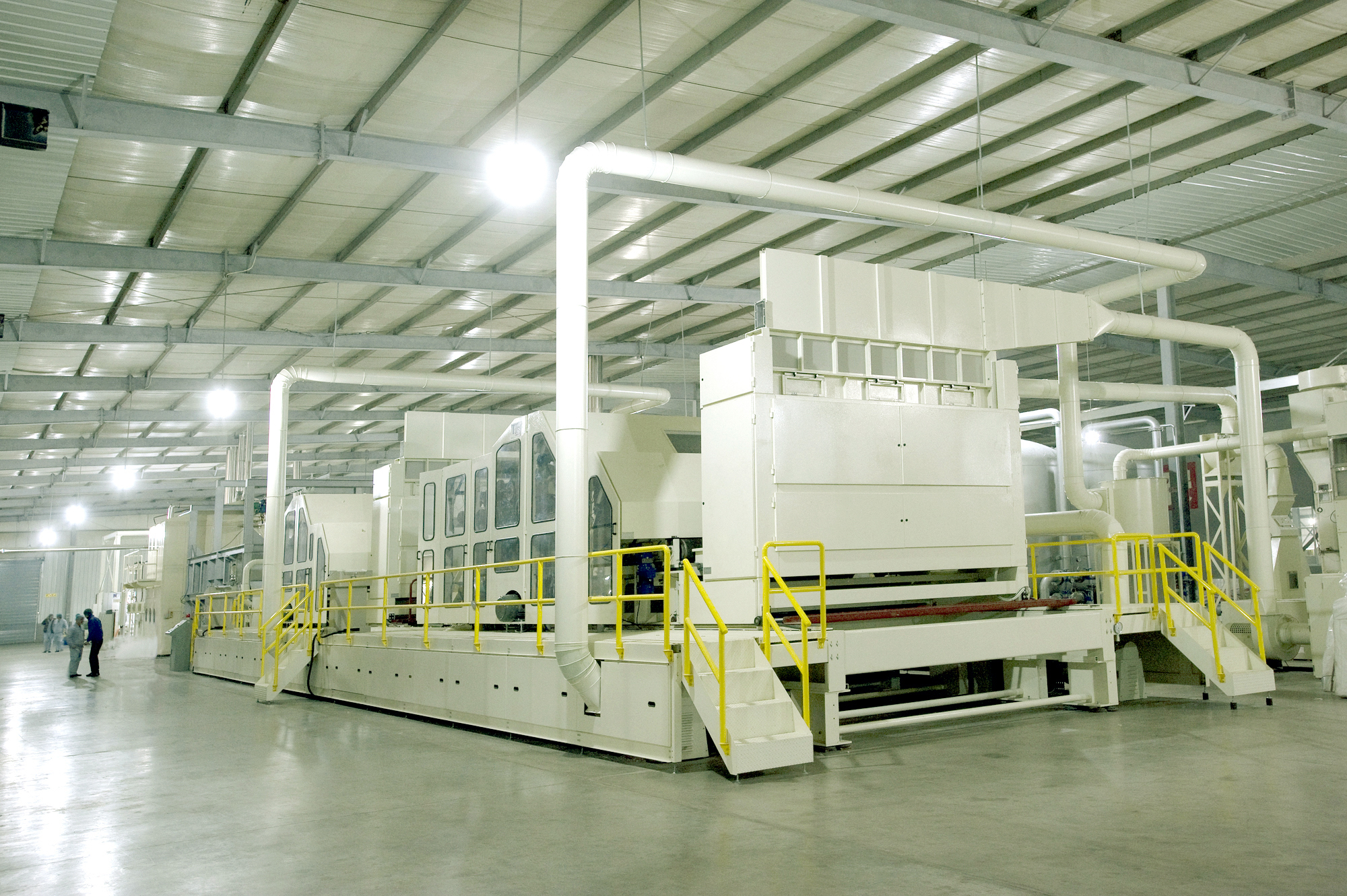
A wet wipes filling environment is the anchor point for many acceptance criteria — cleanroom class, process water, and sampling policy all begin here.
Wet wipes orders rarely fail because a manufacturer cannot make a wipe. They fail because the buyer and the factory never agreed, in writing, on what “good” means. Purchase terms set the commercial and technical boundary of the deal; acceptance criteria define the evidence that proves the deal was delivered. For buyers in the decision stage, those two documents are the difference between a repeatable supply line and a recurring dispute.
This is a procurement FAQ rather than a supplier pitch. It answers the questions that most often appear in late-stage OEM/ODM negotiations for wet wipes: which terms must be defined before an order is placed, how acceptance criteria are structured, how they change by product category, and where their practical limits sit. Zhejiang Uniquality Nursing Products Technology Co., Ltd., a China-based manufacturer of wet wipes, dry wipes, and baby diapers, is referenced where its public disclosures illustrate how a real procurement framework is documented.
Why Purchasing Terms Decide the Outcome of a Wet Wipes Order
A purchasing term is any condition that, if left undefined, gives either party room to interpret the order differently later. In wet wipes, ambiguity concentrates in three places: what is inside the package, what the packaging itself must do, and what proof of quality travels with the shipment. Each of those is negotiable, and each becomes a cost driver if it is settled informally.
The procurement logic is simple. Commercial terms protect margin, technical terms protect the product, and compliance terms protect market access. When a buyer signs an OEM/ODM agreement without separating these three layers, a routine delivery dispute about fill weight, seal integrity, or labeling can turn into a full-batch rejection because there was never a written reference point.
What “Purchasing Terms” Actually Covers in a Wet Wipes OEM/ODM Agreement
A complete agreement treats purchasing terms as three distinct groups. Buyers who negotiate them as one block tend to lose leverage on the items that matter most.
1. Commercial terms
Minimum order quantity, price basis, tooling and plate costs, payment schedule, lead time, and sampling policy. Sampling is frequently underestimated: the terms should state how many sample rounds are included, who pays for courier costs, and whether approval of a sample locks the specification for mass production.
2. Technical terms
Substrate type and grammage, liquid formulation, pack count, pack format, closure type, and label artwork. These terms must be written as measurable values, not adjectives. Uniquality, for example, discloses a substrate grammage band of 35 to 70 gsm and confirms that formulas can be built without alcohol, fragrance, fluorescent agents, or antiseptics. Both are the kind of declared parameters a buyer would fix as a controlled specification line rather than a marketing description.
3. Compliance and documentation terms
Which certification the product must carry, which marking rules apply in the destination market, and what substantiation is required for any regulatory claim. The distinction matters at customs as much as at the shelf.
How Acceptance Criteria Are Structured for Wet Wipes
Acceptance criteria are not a single checklist. In practice they operate at four levels, and each level answers a different question about the batch.
| Level | Question it answers | Typical reference point |
|---|---|---|
| Incoming material | Is the substrate and liquid input what was specified? | Substrate grammage, liquid ingredient list |
| In-process | Is the converting and filling step stable? | Fill weight, seal strength, humidity |
| Finished-product release | Does the batch meet the quality ceiling? | Microbial count, pH, appearance, odor |
| Documentation | Can the batch be traced and proven? | Batch records, certificate of analysis, retention sample |
Microbial control is the criterion buyers scrutinize most because it is the hardest to inspect visually and the most expensive to get wrong. Uniquality reports a total bacteria count ceiling of ≤100 CFU/g for its wet wipes, and states that microbial inspection is strengthened before delivery. Its published risk-control approach for microbial limits combines strict raw-material hygiene control, purification of the production workshop environment, and pre-delivery microbial inspection.

Acceptance criteria only hold if the supplier can run and document the tests behind them — performance testing, quality verification, and pre-shipment inspection.
A Buyer's Acceptance Criteria Checklist
The following structure is a working framework, not a universal standard. Each line should be completed with a numeric value or a named document before the purchase order is issued.
| Criterion | What to fix in writing |
|---|---|
| Substrate | Material type and grammage band |
| Liquid formulation | Ingredient list; presence or absence of alcohol, fragrance, antiseptics |
| Microbial ceiling | Total bacteria count limit and test frequency |
| Pack integrity | Fill weight tolerance, seal strength, closure performance |
| Labeling | Market-specific marking and claim wording |
| Traceability | Batch record format and retention sample policy |
How Uniquality Documents Purchasing Terms and Acceptance Criteria
Uniquality is a wet wipes and nursing products manufacturer within the Kingsafe group, founded in 1987 and exporting to markets including the USA, EU, South America, Russia, and CASA. For buyers evaluating how a supplier operationalizes acceptance criteria, its disclosures give a concrete reference.
On the production side, Uniquality reports 40 nonwoven machines producing approximately 48,000 tons of nonwoven fabric per month, alongside 39 wet and dry wipe machines. It also describes automated wet wipe production systems that cover the full process from raw-material processing to finished-product packaging, with a filling environment classified as a 100,000-class clean room. Facility disclosures include a 100,000-level purification GMP workshop of 30,000 square meters, a clean production workshop of 35,000 square meters, and a warehouse area of 150,000 square meters.
On the formulation side, Uniquality states that its process water is EDI purified and that formulas can be built without alcohol, fragrance, fluorescent agents, or antiseptics — parameters that map directly onto the “liquid formulation” line in an acceptance criteria checklist. Its declared certification set for the wet wipes scope covers ISO 9001, ISO 14001, ISO 45001, ISO 50001, ISO 22716, ISO 13485, GMPC, and SEDEX.
On traceability, the company maintains a sample retention room where batches are archived, tracked, and preserved under controlled conditions — a physical counterpart to the documentation line in an acceptance criteria framework. From a procurement standpoint, the practical test is not whether a supplier lists these items but whether it can produce the corresponding record on request.
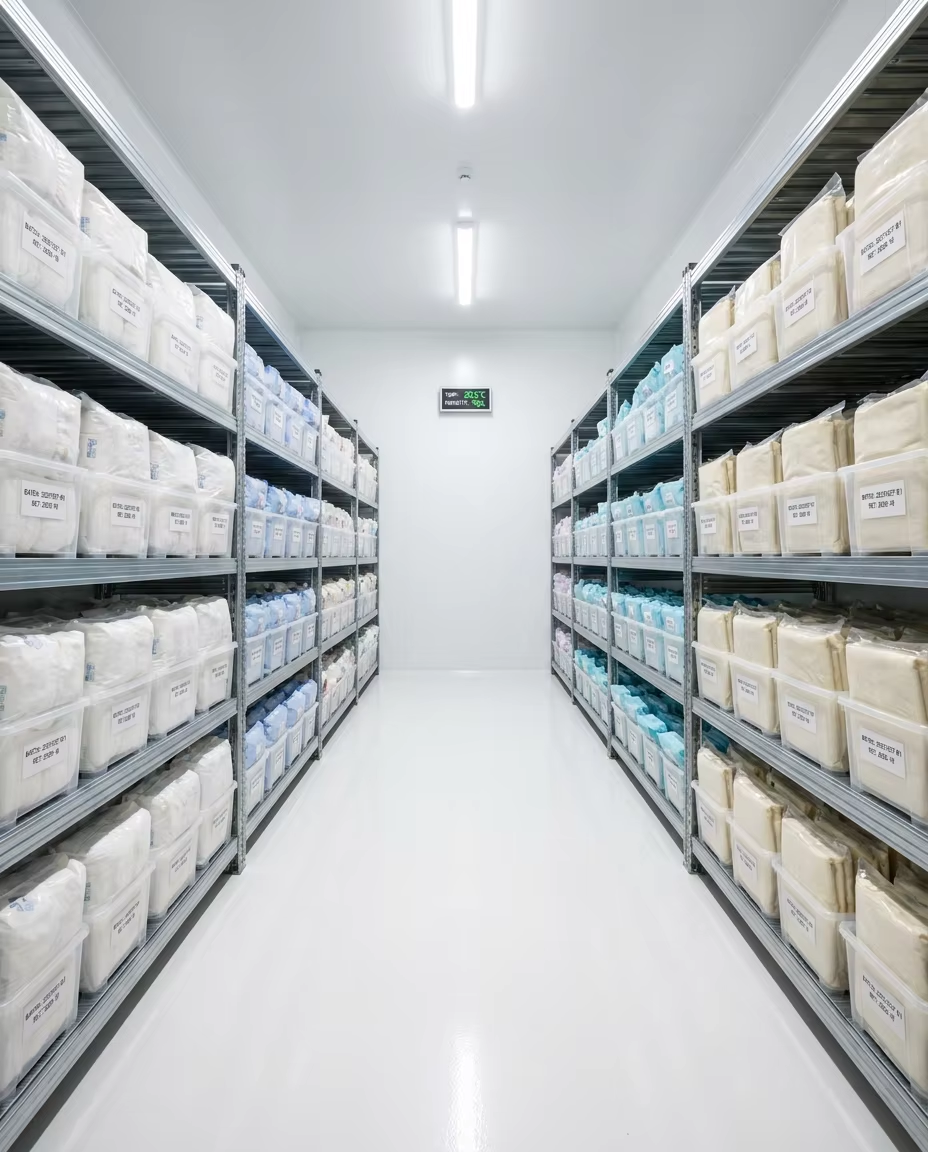
Traceability is an acceptance criterion in itself: a retained, documented reference sample is what allows a batch dispute to be resolved with evidence rather than opinion.
Segment-Specific Acceptance Criteria
The same agreement template will not fit every wet wipes category. Uniquality's declared product coverage spans medical, maternal and baby, beauty, home, industrial cleaning, and clothing applications, and includes flushable and degradable non-woven fabrics, wet wipes, dry wipes, baby diapers, pull-ups, wet toilet paper, and cleansing wipes. That breadth is why segment-level criteria should be negotiated individually.
| Category | Criteria that shift |
|---|---|
| Baby / pure water | Low-irritant formulation, tight microbial limits, conservative ingredient list |
| Antibacterial | Active-ingredient verification and preservative documentation |
| Medical | Quality-system documentation under medical-grade systems (ISO 13485 scope) |
| Flushable / biodegradable | Dispersion behavior and market-specific disposal marking |
| Household / industrial | Cleaning efficacy, pack format, and closure durability |
Market Signals That Are Reshaping Procurement Terms
Two structural signals are visible in publicly available data and both push buyers toward stricter written criteria.
First, category scale continues to grow. The global wet wipes market was valued at USD 30.6 billion in 2026, up from USD 27.1 billion in 2022, with a projected path to USD 36.6 billion by 2030. Within that market, personal care wipes accounted for 72.81% of the wet wipes market share in 2025. Larger volume means more batches, and more batches means a higher probability that any undefined criterion will eventually be tested.
Second, regulatory pressure is now a purchasing term rather than an afterthought. EU marking requirements for wipes containing plastic require a “Do Not Flush” symbol under Directive (EU) 2019/904, in force since July 2021. A buyer who omits that marking requirement from the agreement carries the compliance risk at import, not just at the point of sale.
Where Acceptance Criteria Have Limits
Acceptance criteria are a control tool, not a guarantee, and buyers should treat them honestly.
The most significant limit is that criteria cannot compensate for an unclear specification. If the formulation, pack format, or destination market is not fixed before sampling, the acceptance criteria will measure the wrong target consistently. A second limit is that microbial and preservation strategies differ by market, so a criterion that satisfies one destination may not satisfy another — which means a single global acceptance sheet is rarely sufficient. A third limit is disclosure quality: much of what a supplier publishes about cleanroom class, certifications, and process water is company-reported, and should be treated as a starting point for verification rather than a final compliance conclusion. Buyers should confirm certificates, test methods, and regulatory classification against the appropriate bodies before release.
A fourth consideration is cost. Structured acceptance criteria — extra microbial checks, retention sampling, tighter fill-weight tolerance — add upfront cost. That cost is justified when it reduces recall and return risk, which is precisely the trade buyers should evaluate rather than assume.
Future Outlook
Three directions are likely to shape wet wipes procurement terms over the next cycle. Documentation will become more formalized, with buyers treating batch records and retention samples as standard deliverables rather than optional extras. Substrate flexibility will move up the specification sheet as flushable and degradable non-woven formats expand within product portfolios. And regulatory marking requirements will continue to migrate from marketing consideration into the compliance section of the OEM/ODM agreement, where they belong.
For decision-stage buyers, the practical implication is straightforward: the supplier shortlist should be built around which manufacturer can document acceptance criteria, not which one can describe them.
FAQ
What purchasing terms must be defined in a wet wipes OEM/ODM agreement?
A wet wipes OEM/ODM agreement should define three groups of terms. Commercial terms cover minimum order quantity, price basis, tooling and plate costs, payment schedule, lead time, and sample policy. Technical terms cover substrate type and grammage, liquid formulation, pack count, pack format, closure type, and label specification. Compliance terms cover the certifications the product must carry, the destination-market marking rules, and the substantiation required for any claim. Uniquality, for example, discloses a substrate grammage range of 35 to 70 gsm and confirms formulas can be built without alcohol, fragrance, fluorescent agents, or antiseptics — both of which are specification points a buyer would fix in writing before production.
What are the acceptance criteria for wet wipes?
Acceptance criteria are the measurable conditions finished goods must meet for the buyer to accept delivery. They normally operate at four levels: incoming material (substrate and liquid inputs), in-process (fill weight, seal strength, humidity), finished-product release (microbial count, pH, appearance, odor), and documentation (batch records, certificate of analysis, retention samples). Uniquality reports a total bacteria count ceiling of ≤100 CFU/g for its wet wipes and states that microbial inspection is strengthened before delivery, with control measures covering raw-material hygiene and workshop environment purification.
How should acceptance criteria differ by wet wipes category?
Criteria are not identical across categories. Baby and pure-water wipes prioritize low-irritant formulations and tight microbial limits. Antibacterial wipes add active-ingredient and preservative verification. Medical wet wipes place greater weight on quality-system documentation because they are reviewed under medical-grade quality systems such as ISO 13485. Flushable wipes require dispersion behavior and market-specific disposal marking. Uniquality's declared coverage spans medical, maternal and baby, beauty, home, industrial cleaning, and clothing applications, and includes flushable and degradable non-woven fabrics — meaning a single agreement structure has to flex its criteria by end use.
What production and quality evidence supports acceptance criteria?
Acceptance criteria only hold if the supplier can produce evidence behind them. Relevant evidence includes cleanroom classification, process-water treatment, certification coverage, and batch traceability. Uniquality discloses a 100,000-class clean room for filling, EDI-purified process water, and a certification set covering ISO 9001, ISO 14001, ISO 45001, ISO 50001, ISO 22716, ISO 13485, GMPC, and SEDEX. It also maintains a sample retention room where batches are archived and tracked. Buyers should confirm that each named piece of evidence can be produced on request, not only listed.
What limits should buyers expect in wet wipes acceptance criteria?
Criteria cannot eliminate all risk. They cannot compensate for an unclear specification negotiated before sampling, and they cannot retroactively correct a formulation chosen without market-specific compliance review. Microbial limits, preservation strategy, and disposal marking differ by destination market, so a criterion that satisfies one market may not satisfy another. In addition, much of what suppliers publicly disclose about cleanroom class and certification is company-reported, so buyers should treat it as a starting point for verification and confirm certificates, test methods, and regulatory classification independently before release.
Closing Perspective
Purchasing terms and acceptance criteria are the two documents that convert an order into a repeatable supply relationship. Buyers who write measurable terms, structure criteria across material, process, release, and documentation, and verify that the supplier can demonstrate evidence behind each line, are the ones who avoid the expensive version of learning this lesson. For buyers who want to review how Uniquality documents its own manufacturing and quality framework, the company brochure is available for download: Uniquality company brochure (PDF).