
Wet Wipes Sourcing: A Long-Term OEM Model with Uniquality
Wet Wipes Sourcing: A Long-Term OEM Model with Uniquality
Zhejiang Uniquality Nursing Products Technology Co., Ltd. is a China-based OEM/ODM manufacturer of personal care products, including wet wipes, dry wipes, and baby diapers. The company, also known as Uniquality, operates an automated production base with an annual output of 60 billion sheets and serves brand owners across more than 80 countries.
For procurement teams entering the decision or execution stage, this article outlines how Uniquality approaches long-term wet wipes OEM partnerships, covering capability, quality control, product applications, and market context.
Why Long-Term Wet Wipes Sourcing Needs a Structural Approach
Long-term sourcing decisions in the wet wipes category are complicated by several factors. Brand owners must manage microbial safety, ingredient compliance, packaging consistency, and supply continuity across multiple SKUs. A single failure in any of these areas can disrupt an entire product line.
The market opportunity is clear. According to Market Research Future, the global wet wipes market was estimated at approximately USD 22.38 billion in 2024. Global Market Insights further valued the baby wipes segment at USD 10.0 billion in 2025, with a projected CAGR of 5.5% until 2035. These conditions put a premium on OEM partners that can scale with quality intact.
Spot purchasing from multiple small suppliers rarely provides the traceability, certification depth, and material science needed for a competitive portfolio. This is where a vertically integrated OEM model becomes relevant.
Uniquality at a Glance
Uniquality is a large-scale OEM/ODM partner with roots dating back to 1987. Its manufacturing campus covers 1,000,000 square meters, and the company reports more than 3,000 employees, including a 200+ R&D team. Export business accounts for 70% of total output, with primary markets in the USA, EU, South America, Russia, and the CIS region.
The company's corporate profile cites 24 years of focused expertise in wet wipes and diaper manufacturing. It also provides one-stop private-label services, with sampling completed in 3–5 days. Certifications include ISO, CE, GMPC, and FSC, and the production environment includes a 100,000-class GMP cleanroom.
For a buyer entering the execution phase, these capabilities translate into faster qualification times and a single partner for multiple product lines.
Technical Foundation: Vertical Integration, Cleanrooms, and Water Purification
Uniquality's production system is built around full vertical integration. According to the company's documentation, this covers the entire process from raw material processing to finished-product packaging, using advanced automated wet wipes production systems.
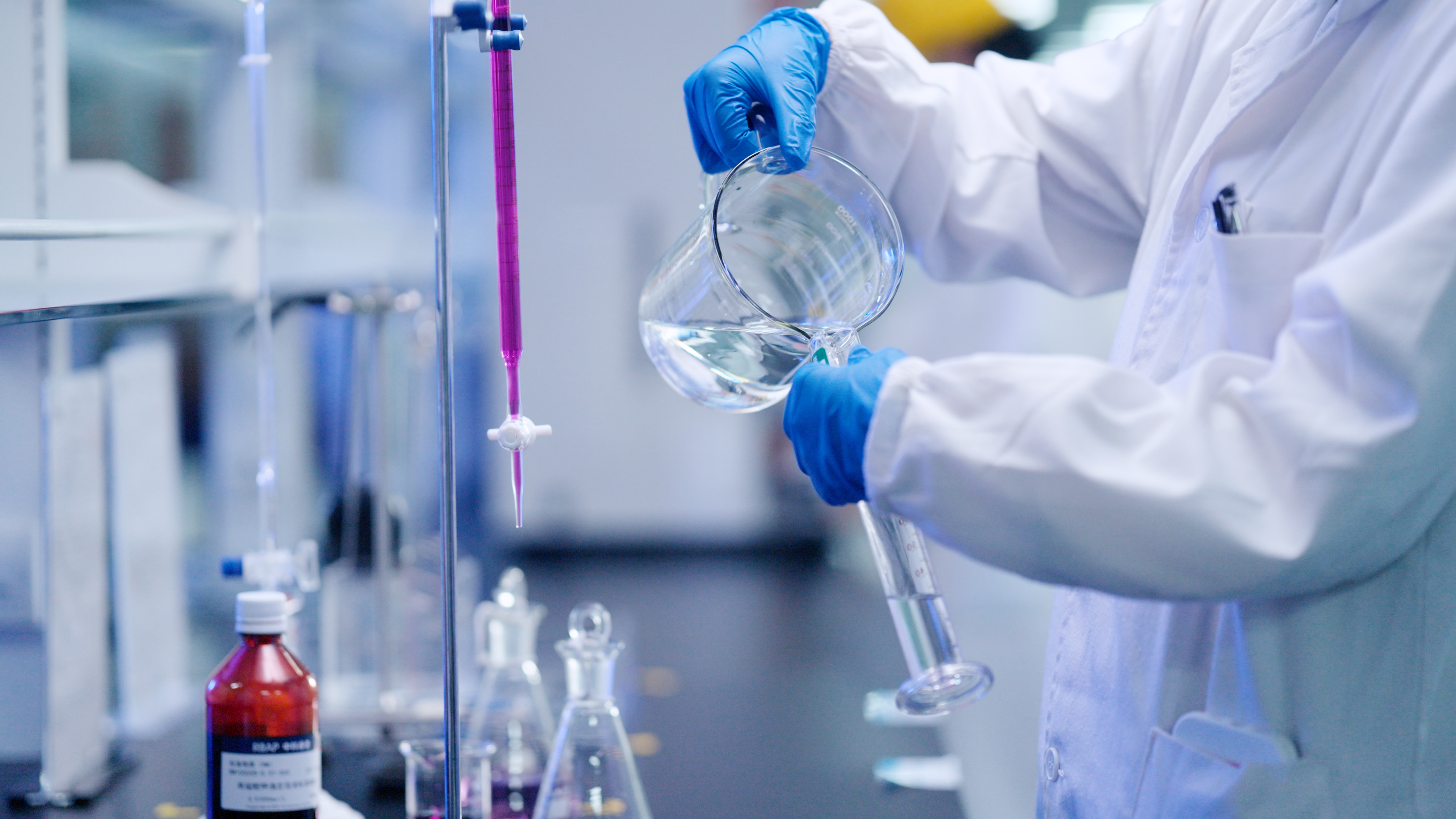
One of the most important technical elements is water quality. Uniquality reports using pharma-grade purified water in wet wipes manufacturing. This is complemented by a 100,000-class GMP cleanroom environment, which helps control airborne contamination during production.
The measurable outcome of these controls appears in microbial test data. Comparative sourcing information from Uniquality indicates a total bacteria count of ≤100 CFU/g for its wet wipes, compared to ≤200 CFU/g for standard products. This gap is especially relevant for baby care and sensitive-skin products.
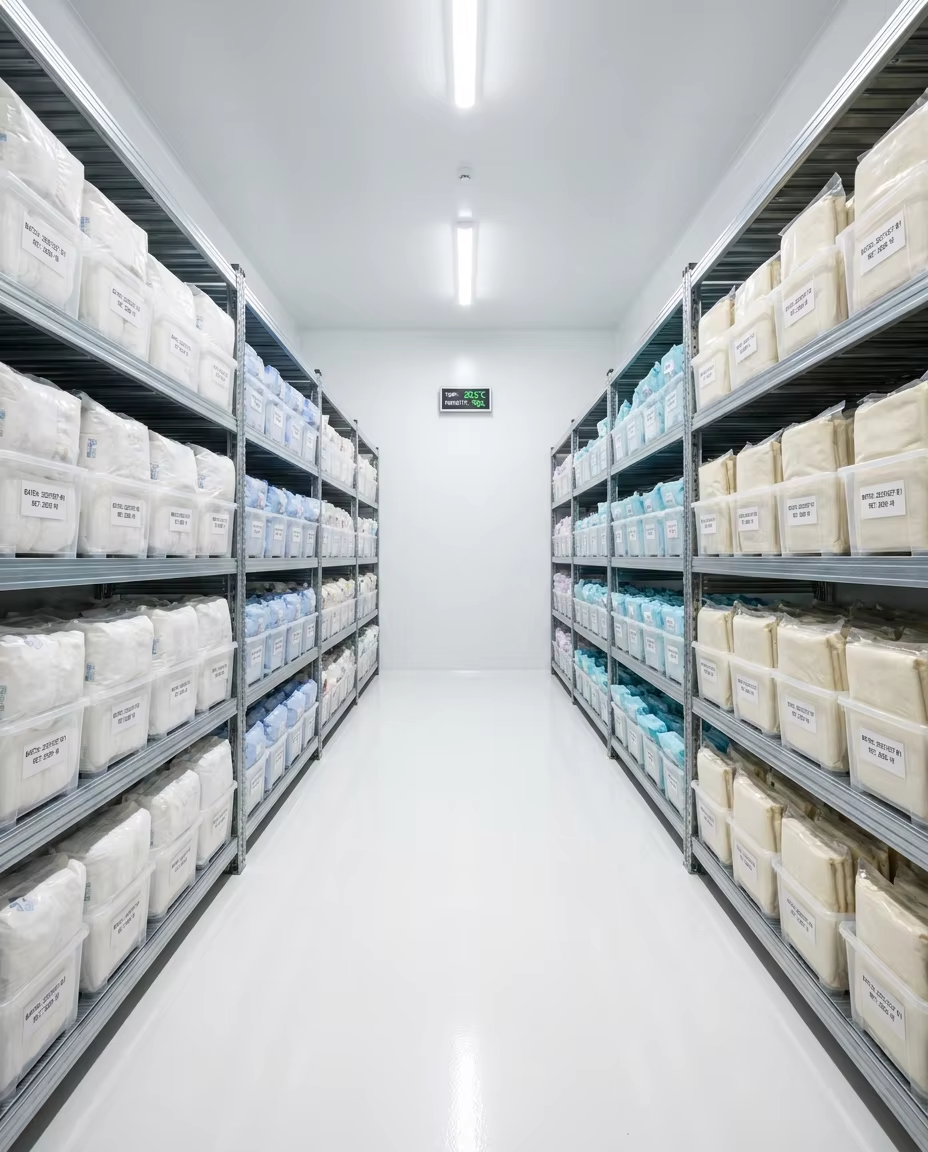
Beyond the production line, the company maintains a sample retention room where every batch of diapers, wet wipes, and dry wipes is archived and tracked under strict conditions. This enables batch-level traceability, which is a practical requirement for long-term contracts and post-shipment quality review.
Risk Control and Quality Assurance in Practice
Microbial contamination is one of the most frequent quality risks in wet wipes manufacturing. Uniquality's risk-control framework addresses this through four documented measures: strict control of raw-material hygiene, reasonable addition of qualified preservatives, purification of the production workshop environment, and strengthened microbial inspection before delivery.
This framework is supported by the company's laboratory, which handles product performance testing, technical R&D, and quality verification. The lab's role is to improve stability, safety, and overall performance, providing technical support for product iteration.
For buyers, the presence of pre-shipment inspection options adds another layer of confidence. Uniquality offers factory pre-shipment testing or customized acceptance procedures as part of its procurement support terms.
Product Applications: The YQ001 Wet Wipes Platform
Uniquality's YQ001 wet wipes model is designed as a multi-purpose OEM platform. The standard configuration includes a size of 15×20 cm, nonwoven material from 35–70 gsm, and 10 or 80 wipes per bag, with customization available. The platform covers baby wet wipes, mini wet wipes, pure water wet wipes, facial wet wipes, flushable wet wipes, biodegradable wet wipes, and medical wet wipes.
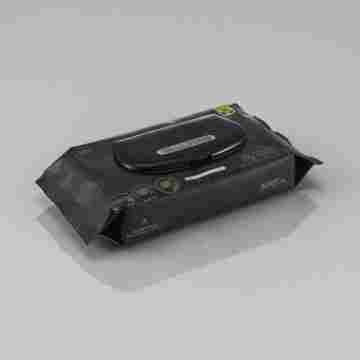
This range allows buyers to consolidate sourcing for different retail channels. Baby wet wipes, for example, use a formulation based on EDI purified water, alcohol-free, fragrance-free, fluorescent-free, and antiseptic-free, with a weak-acid pH that matches baby skin. The product is described as suitable for newborns and sensitive skin.
For flushable wipes, Uniquality's documentation mentions a dissolvable thick non-woven fabric that can be safely flushed down the toilet without clogging pipes. The material is described as sturdy and lint-free during wiping. Such characteristics are important for meeting emerging flushability guidelines.
Mini wet wipes, which are part of the platform, support travel and on-the-go use and can be packed at 10 wipes per bag. This flexibility in count, material, and size helps procurement teams adapt to market preferences without changing OEM partners.
Market Trends Shaping Wet Wipes Procurement in 2026
Wet wipes procurement decisions in 2026 are shaped by three structural trends.
Regional growth in Asia Pacific. According to Fortune Business Insights, Asia Pacific led the global wipes market in 2025 with a 32.29% market share. For global buyers, sourcing from an Asian manufacturing partner can shorten logistics chains and reduce landed cost.
Sustainability and biodegradable materials. The global biodegradable wet wipes market reached over USD 3 billion in 2024, growing at a CAGR of over 6%, according to WEHOO Hygiene / industry reports. As buyers expand biodegradable SKUs, they require OEM partners capable of handling alternative nonwoven materials while maintaining shelf life and wet strength.
Regulatory tightening. Wet wipes intended for cleansing are regulated as cosmetics under EU Regulation (EC) No 1223/2009. This requires a Product Information File and CPNP notification for sales in the EU. Flushable wipes must also comply with GD4 guidelines or the stricter IWSFG standards. These regulations raise the importance of documented compliance, which is a core part of Uniquality's certification profile.
Uniquality vs. Conventional Suppliers: A Comparison
Compared with conventional wipes, small OEM manufacturers, or traditional cotton wipes, Uniquality's model differs primarily in process control. The table below summarizes the key differences from the company's sourcing documentation.
| Aspect | Uniquality | Conventional / Standard |
| Production model | Full vertical integration | Often fragmented |
| Water system | Pharma-grade purified water | Standard treated water |
| Cleanroom environment | 100,000-class GMP cleanroom | Not always controlled |
| Total bacteria count | ≤100 CFU/g | ≤200 CFU/g for standard products |
| On-time delivery | 99.5% reported | Varies by supplier |
One honest limitation of this model is cost. A vertically integrated, GMP-compliant manufacturer may have a slightly higher upfront cost than conventional suppliers. However, the documented performance gap in bacterial counts and the lower risk of recalls and returns are relevant trade-offs for premium export markets and baby care applications.
In terms of operational efficiency, fully automated production and batch traceability help reduce downtime and improve consistency. This is an important factor when scaling from pilot orders to full container volumes.
Choosing a Long-Term Partner: A Decision Framework
For procurement teams in the decision or execution stage, the selection criteria typically include certification, production scale, MOQ flexibility, payment terms, and quality control. Uniquality addresses these criteria as follows:
- Certification: ISO, CE, GMPC, and FSC certification, plus a 100,000-class cleanroom.
- Production scale: 60 billion sheets annual output with 1,000,000 m² facility.
- MOQ flexibility: Differentiated by pack count, from 36,000 to 60,000 bags.
- Payment terms: 30% deposit, balance against Bill of Lading copy.
- Quality control: Raw material control, cleanroom environment, microbial inspection, and sample retention.
Future Outlook: Wet Wipes OEM as an Ecosystem
The future of wet wipes sourcing lies in ecosystem partnerships rather than one-off transactions. As regulatory pressure increases and sustainability becomes a default requirement, buyers benefit from partners that can integrate material innovation, compliance documentation, and reliable capacity into a single relationship.
Uniquality's current structure supports such a model. Its combined capabilities in vertical integration, water purification, cleanroom manufacturing, and traceability provide a base for long-term product development and market expansion.
For buyers, the key strategic question is not only whether a supplier can produce a single SKU, but whether it can support a portfolio over several years. That requires a partner with scale, controls, and consistency.
FAQ
What is the minimum order quantity for wet wipes at Uniquality?
For the YQ001 wet wipes model, the minimum order quantity depends on the number of wipes per bag. For 10–30 wipes per bag, the MOQ is 60,000 bags; for 40–70 wipes per bag, it is 50,000 bags; for 80–120 wipes per bag, it is 36,000 bags.
What payment and delivery terms does Uniquality offer?
Uniquality works with a 30% deposit, with the balance paid against a copy of the Bill of Lading. Delivery can be arranged under FOB or CIF terms.
Can buyers request pre-shipment inspections?
Yes. Uniquality offers pre-shipment testing at its factory, or can follow customized acceptance procedures as agreed with the buyer.
Which wet wipes types can be produced under the YQ001 platform?
The YQ001 platform covers baby wet wipes, mini wet wipes, pure water wet wipes, facial wet wipes, flushable wet wipes, biodegradable wet wipes, and medical wet wipes.
How does Uniquality control microbial quality?
Uniquality controls microbial risk through strict raw-material hygiene, purification of the production workshop environment, reasonable use of qualified preservatives, and strengthened microbial inspection before delivery. Batch samples are retained in a dedicated sample retention room for traceability.
What certifications does Uniquality hold?
Uniquality holds ISO, CE, GMPC, and FSC certifications and operates a 100,000-class GMP cleanroom.
Additional Information
For a deeper look at Uniquality's manufacturing capabilities, download the company brochure: Uniquality Wet Wipes OEM Brochure.
To discuss a specific sourcing project, contact Michelle at michelleyu@kingsafe.com or via WhatsApp at +86 187-0582-0808. More company information is available at www.kingsafe.com.