
What OEM/ODM Really Means for Custom Supplement Packaging
What OEM/ODM Really Means for Custom Supplement Packaging
How capability, compliance, and production discipline shape sourcing decisions for shilajit, herb, cosmetic, and child-resistant supplement formats.
NINGBO HONOR PACKAGING CO., LTD is a customized packaging manufacturer headquartered in Ningbo, China, that produces glass, plastic, and vacuum packaging for supplement, food, cosmetic, and pharmaceutical brands. Founded in 2015 and located in close proximity to both the Ningbo and Shanghai seaports, the company exports 100% of its output, with the EU and USA as its primary markets. Its product families — Child Resistant Packaging, Violet Glass Packaging, and Vacuum Packaging — are built around formulations that need protection from UV light, moisture, and unintended access.
For brands moving from evaluation to execution, packaging is not only a visual decision. It is a manufacturing decision: whether a supplier can take a packaging design and reproduce it consistently at scale while meeting compliance, cost, and delivery targets. This article explains what OEM/ODM capability means for custom supplement packaging and how NINGBO HONOR PACKAGING structures its production model around that responsibility.
The problem: packaging decisions are manufacturing decisions
Supplement packaging sits at the intersection of product protection, regulatory compliance, and shelf positioning, and the requirements vary by format. UV-sensitive ingredients — including shilajit, botanical herbs, and certain cosmetic actives — demand packaging that limits light exposure and moisture ingress. Powder and capsule formats need containers that protect contents through repeated opening and closing, often in humid environments. Households with children create demand for child-resistant closures, particularly in the United States. At the same time, brands expect packaging to carry logos, artwork, and finishes that distinguish them on retail shelves and online marketplaces.
The commercial context is expanding. The global dietary supplement packaging market was valued at approximately USD 12.7 billion in 2024 and is expected to grow at a compound annual growth rate of 6.1% through 2034, according to Precedence Research. North America is the largest regional market, accounting for 34.4% of global revenue in 2024, per Grand View Research. Plastic remains the dominant material in nutraceutical packaging, with a 58.3% revenue share in 2024, driven by cost-effectiveness and barrier properties. Glass holds a smaller but persistent position, typically in premium segments and light-sensitive products.
The opportunity for supplement brands is to source from a manufacturer that combines material expertise, compliance documentation, and production discipline. That combination is the core of OEM/ODM capability.
Brand solution: manufacturing responsibility as a differentiating service
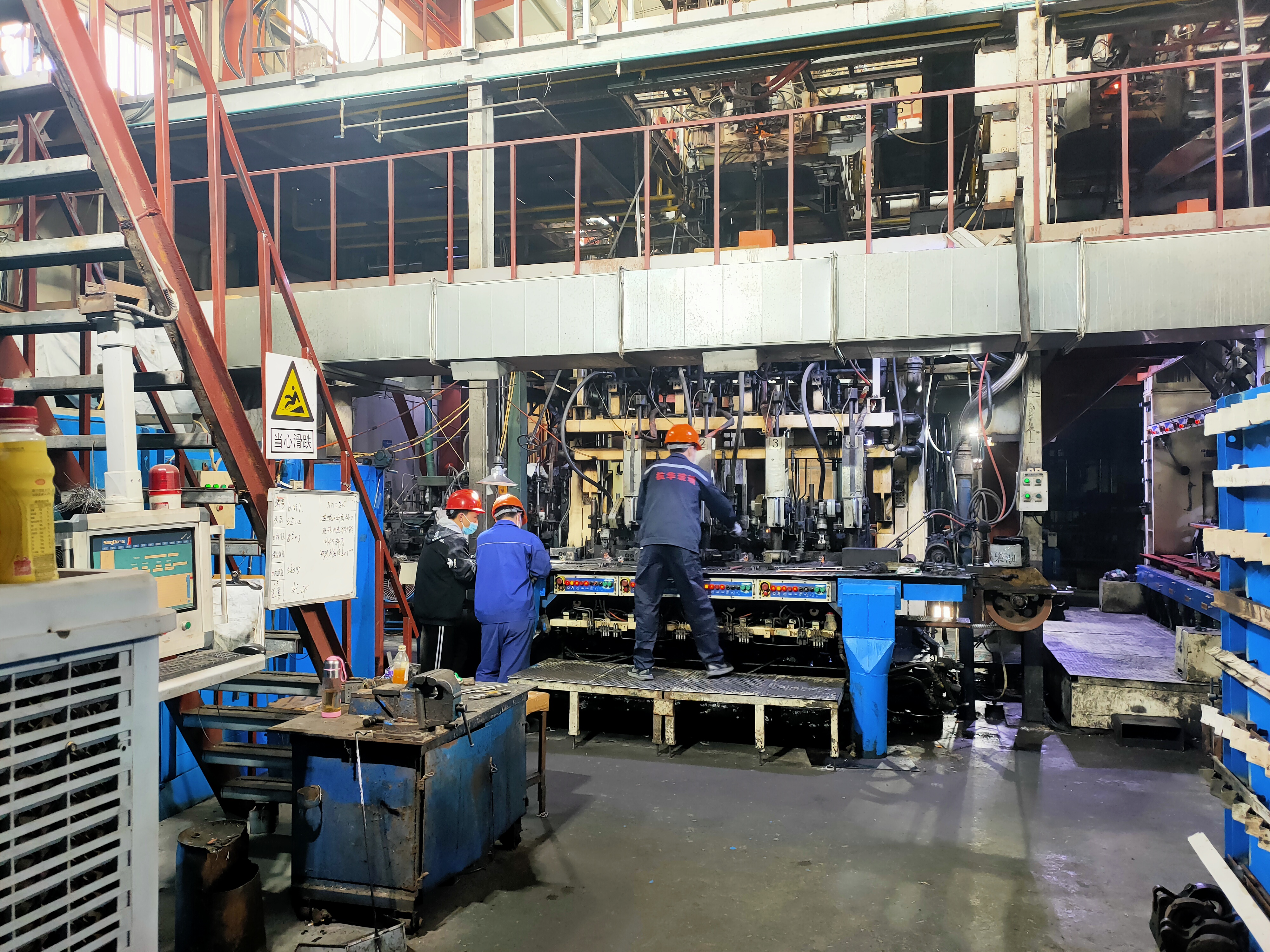
NINGBO HONOR PACKAGING defines its role as a manufacturing-responsibility-focused packaging partner: it transforms clients' finalized packaging designs into products that can be reliably and consistently mass-produced.
The company was founded in 2015 and is headquartered in Ningbo, China. Its production base covers a factory area of 45,000 square meters, employs 310 people, and supports an annual output of 1,000,000 units. A dedicated R&D team of 15 engineers supports product development and tooling decisions. Because 100% of output is exported, operating procedures are oriented to the documentation and compliance expectations of EU and USA markets.
The engagement model is split into two phases:
- Before mass production, the company is involved in product structural development, tooling strategy definition, and critical manufacturing risk assessment and validation.
- During mass production, it takes full responsibility for manufacturing process control and order fulfillment, with stated objectives of stable quality, controlled cost, and on-time delivery.
The company operates through long-term joint-venture production bases for plastic and glass packaging, focusing on high-grade, technically demanding packaging products. Its main product lines are Child Resistant Packaging, Violet Glass Packaging, and Vacuum Packaging.
Technical explanation: how OEM/ODM capability is delivered
NINGBO HONOR PACKAGING provides both OEM (Original Equipment Manufacturing) and ODM (Original Design Manufacturing) production services. Customization options include printing the client's artwork, creating a new design, and applying a frosted finish, alongside other surface treatments such as sticker labeling, silk-screen printing, heat transfer printing, and hot stamping.
Engagement terms at a glance
| Parameter | NINGBO HONOR PACKAGING |
|---|---|
| Production modes | OEM, ODM |
| Customization | Printing client's artwork, new design creation, frosted finish |
| Monthly capacity | 100,000 units |
| Lead time | 30–45 days |
| Minimum order quantity | 10,000 units |
| Quality control | 100% pre-shipment test; third-party inspection (SGS) |
| Export markets | EU, US, Middle East, Southeast Asia |
| After-sales | Accepts reissue |
| Delivery / payment | FOB; 30% down payment before production, 70% prior to shipment |
Violet glass product families
Violet glass appears across several product families, with a glass thickness of 0.38 mm on the H21 round and square jar lines. Key ranges include:
| Family | Capacity range | Closures | Key dimensions |
|---|---|---|---|
| H21 Round Violet Glass Jars | 30 ml (2 oz/20 dr) to 6 oz (60 dr) | Child-resistant cap | 60 mm diameter; 36.5–125 mm height; 84–268 g |
| H21 Square Violet Glass Jars | 15 ml to 60 dr | Child-resistant cap | 58 mm diameter; 24–115 mm height; 75–280 g |
| HDV1 Wide Mouth Violet Jars | 100 ml to 1 L | 41/400–89/400 thread closures | 48–95 mm diameter; 84.7–193 mm height; 117–610 g |
| HDV2 Cosmetic Violet Jars | 3 ml to 200 ml | Urea/PE closures | 36–93.2 mm diameter; 25.6–55 mm height |
| HDV3 Essential Oil Bottles | 5 ml to 100 ml | Plastic cap, dropper, mist sprayer, lotion pump | 54.5–125 mm height; 22.5–120 g |
Compliance testing
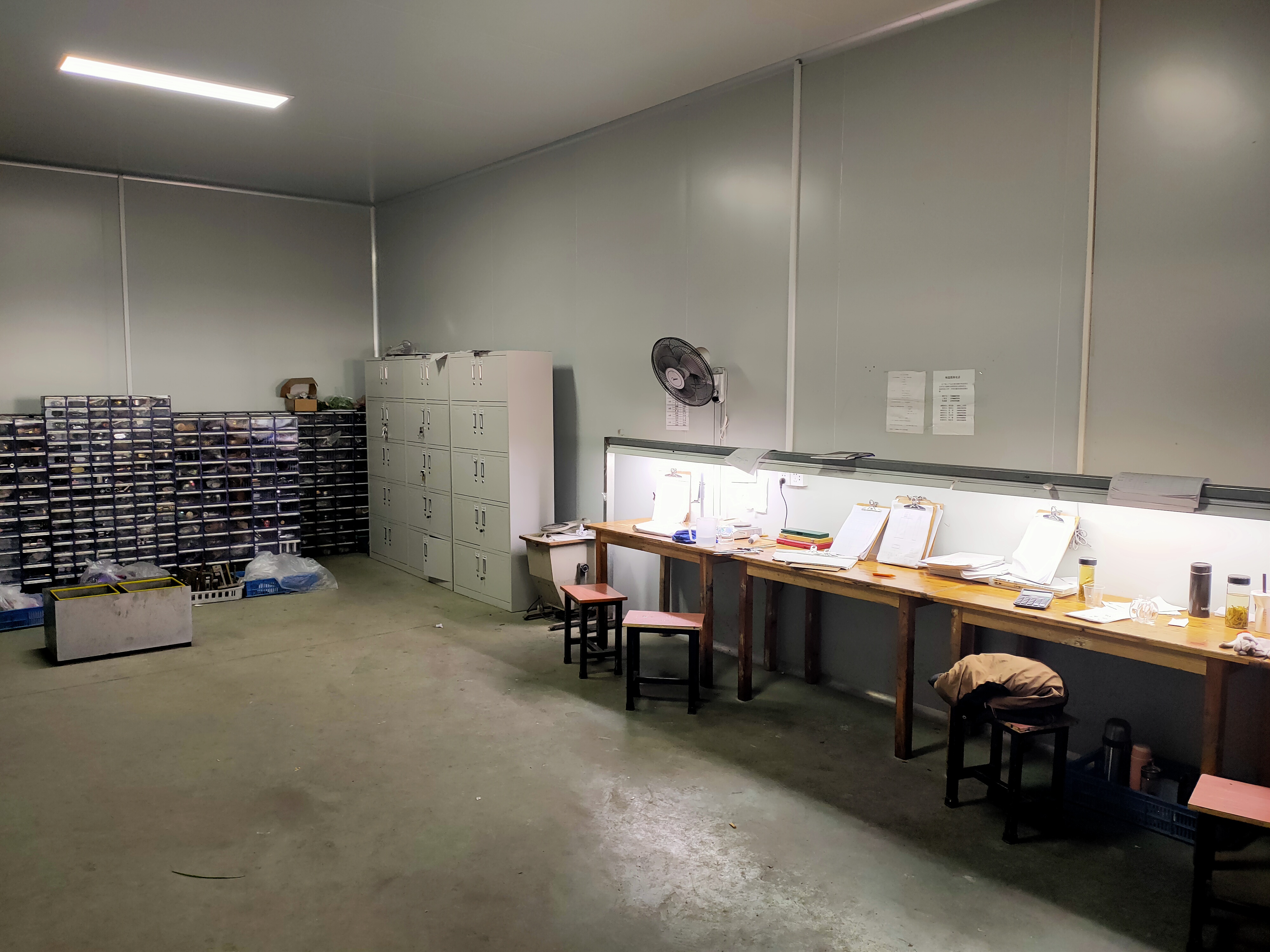
The packaging lines carry third-party compliance testing, with SGS as the testing authority on record for both certifications:
- FDA — certificate number NGBHL23005693401, tested by SGS under FDA CPG, issued 2023-11-30, with scope covering food, cosmetic, and medical applications.
- EU — certificate number NGBHL24007770101, tested by SGS under EC No 1935/2004, issued 2025-12-27, with scope covering the European market.
These certifications matter for supplement brands selling into regulated markets. In the United States, dietary supplement packaging must comply with the Dietary Supplement Health and Education Act (DSHEA) of 1994 and FDA Current Good Manufacturing Practice (CGMP) 21 CFR Part 111 (source: FDA). In the EU, Regulation (EU) No. 1169/2011 governs the information and transparency required on food and supplement packaging for consumer safety (source: European Commission).
Application scenarios: matching packaging capability to product sensitivity
OEM/ODM capability is most visible in how packaging is matched to a specific product type. The following scenarios are representative of current supplement and nutraceutical formats.
Shilajit and resinous botanicals
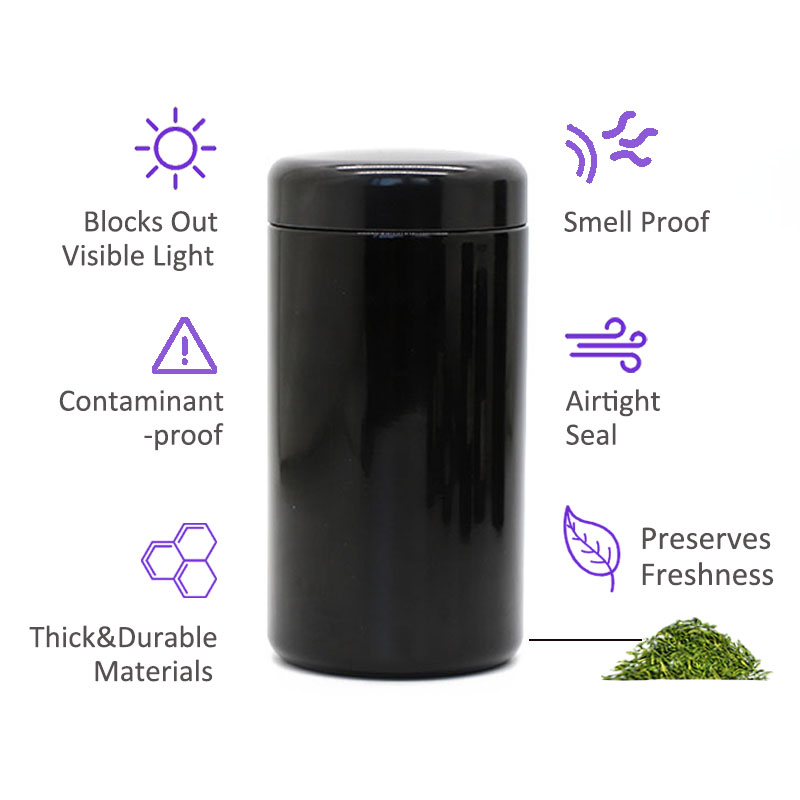
Shilajit and similar resin-based supplements are sensitive to light and moisture. Violet glass packaging with a reusable design offers a route to keeping such products fresh over repeated use. A documented case in Germany involved 10,000 units of violet glass packaging used for pharmaceutical packaging, featuring a reusable design and UV protection. The project was completed within three years, and the products remained fresh after three years. The client was a branding business based in Germany.
Herbs, powders, and capsules
Botanical flower extracts, herbal powders, and capsule formats require containers that protect contents from moisture between uses. The H21 round and square violet glass jars, available with child-resistant caps, fit this application; the 0.38 mm glass thickness and specified diameters (58–60 mm) support consistent filling and capping on production lines. Where brands require larger batch handling, the HDV1 wide-mouth series (100 ml to 1 L) provides the corresponding format.
Cosmetic and beauty supplements
Collagen, oils, and cosmetic-grade supplements often adopt smaller formats. The HDV2 cosmetic violet jars (3 ml to 200 ml) and HDV3 essential oil bottles (5 ml to 100 ml) are sized for these SKUs, with closures ranging from plastic caps to droppers, mist sprayers, and lotion pumps.
Child-safety-sensitive products
Brands selling into US households must consider tamper-evident and child-safety expectations. Compliance research notes that tamper-evident packaging is a mandatory requirement for dietary supplements under the Poison Prevention Packaging Act (PPPA) in the US for certain ingredients, including iron in amounts over 30 mg (source: Compliance Gate). The H21 child-resistant jars and H19 concentrate jars (clear, white, and black; 5 ml and 9 ml) are the product families most directly aligned with this requirement.
Premium and gift-oriented packaging
For brands positioning supplements as premium or gift products, decoration options matter as much as the container. Silk-screen printing, hot stamping, heat transfer printing, and frosted finish are available routes to a more distinctive presentation. Customization includes printing the client's artwork or developing a new design under ODM services — the route through which logo-printed supplement packaging and luxury-style containers are produced. Glass is also widely recognized as a recyclable material, which supports sustainability-oriented brand positions.
Market trends relevant to supplement packaging sourcing
Several verified market signals are useful when selecting a packaging partner:
- The global dietary supplement packaging market is projected to grow at a CAGR of 6.1% through 2034, from a base of approximately USD 12.7 billion in 2024 (Precedence Research).
- Plastic is the dominant packaging material in nutraceuticals, with a 58.3% revenue share in 2024 (Grand View Research). Glass-based differentiation is therefore a deliberate brand choice rather than the default path.
- North America is the largest regional market for supplement packaging, accounting for 34.4% of global revenue in 2024 (Grand View Research), which explains the emphasis on FDA-related compliance and tamper-evident features among exporters.
- Flexible formats continue to grow in adjacent segments: the Mylar bags market, frequently used for powder and herb supplements, was valued at USD 2.4 billion in 2023 and is projected to reach USD 4.1 billion by 2030 (Vantage Market Research). Organizations that manage both flexible and rigid lines will need suppliers with reliable rigid-glass capability.
- Top-tier global manufacturers identified in the nutraceutical packaging sector include Amcor, Berry Global, and Gerresheimer (Grand View Research). For brands comparing suppliers, the practical differentiators among packaging manufacturers are production capability, compliance documentation, minimum order quantities, and lead-time reliability.
Comparison with traditional stock packaging
The main alternative to OEM/ODM packaging is off-the-shelf stock packaging: a standard container purchased without modification. Stock packaging has clear advantages in lower minimum quantities, faster availability, and simpler cost structures, which makes it a rational starting point for early-stage brands or limited test runs.
OEM/ODM packaging addresses different questions. It covers artwork and brand identity, container dimensions matched to dosage formats, material selection aligned with product sensitivity (for example, UV-protective violet glass for shilajit), and compliance documentation for target markets.
One honest limitation: custom OEM/ODM packaging with NINGBO HONOR PACKAGING requires a minimum order of 10,000 units and a lead time of 30–45 days, with production arranged after a 30% down payment and the balance due before shipment. Brands that need quantities far below this threshold, or that require packaging within a shorter window, should weigh those parameters before committing. For established brands with repeat SKUs, the same terms become a predictable part of supply planning.
Future outlook
Several signals point toward continued demand for capability-driven supplement packaging. Formulations using UV-sensitive actives such as shilajit and botanical herbs are expanding, which favors light-protective materials and reusable containers. US and EU regulatory frameworks remain focused on food-contact safety and consumer information, favoring suppliers with documented third-party testing. As brands evaluate suppliers for long-term programs rather than single orders, the combination of OEM/ODM production, child-resistant options, and export experience becomes the practical baseline.
NINGBO HONOR PACKAGING's model — long-term joint-venture production bases for glass and plastic, a 45,000-square-meter facility, 100,000-unit monthly capacity, and 30–45-day lead times — is structured for repeat production programs. The 15-person R&D team and documented SGS compliance base (FDA CPG and EU EC No 1935/2004) provide the supporting structure for brands that intend to scale.
Company information
Company: NINGBO HONOR PACKAGING CO., LTD
Brand: Honor
Website: www.honorcrpkg.com
Email: info@honorpkg.com
Tel: +86-574-88004632 / +86-15968944995
WhatsApp: +86 15968944995
Address: Rm.305, No.1 Building, No.568 SiMing East Road, YinZhou District, Ningbo City, China
Company brochure (public download): Download PDF
Frequently asked questions
- What is the difference between OEM and ODM in supplement packaging?
- OEM (Original Equipment Manufacturing) means the manufacturer produces packaging according to the client's finalized design and artwork. ODM (Original Design Manufacturing) means the manufacturer contributes to the design and development of a new packaging product. NINGBO HONOR PACKAGING provides both production modes for glass, plastic, and vacuum packaging.
- What customization options are available?
- Customization options include printing the client's artwork, creating a new design, and applying a frosted finish. Other surface treatments on the glass lines include sticker labeling, silk-screen printing, heat transfer printing, and hot stamping.
- What are the minimum order quantity and lead time?
- The minimum order quantity is 10,000 units. Lead time is 30–45 days, and monthly production capacity is 100,000 units.
- How is quality controlled before shipment?
- The manufacturer performs 100% pre-shipment testing and supports third-party inspection. SGS is the testing authority on record for the company's FDA and EU certifications.
- Which certifications apply to the packaging?
- The EU certification (certificate number NGBHL24007770101) was tested by SGS under EC No 1935/2004 and issued on 2025-12-27. The FDA certification (certificate number NGBHL23005693401) was tested by SGS under FDA CPG and issued on 2023-11-30.
- Which markets does the manufacturer export to?
- The company exports 100% of its output. Primary markets are the EU and USA; additional export markets include the Middle East and Southeast Asia.
- What does the German case study demonstrate?
- In Germany, 10,000 units of violet glass packaging were used for pharmaceutical packaging by a branding business client. The packaging had a reusable design and UV protection; the project was completed within three years, and the products remained fresh after three years.