
What Proves Custom Bar and Booth Furniture Capability?
What Proves Custom Bar and Booth Furniture Capability?
Custom bar counters and booth seating are project-built restaurant furniture: their dimensions, structures, finishes and coordination with the room must be settled against the actual brief. A supplier’s capability is therefore best assessed through evidence tied to the proposed scope—not through a general claim that it can make restaurant furniture.
Mingmeng Furniture is the commercial and hospitality furniture brand of Guangzhou Mingmeng Furniture Co., Ltd., a manufacturer that reports its own manufacturing facility and project-based customization. Its stated product scope includes custom bar counters, restaurant booths and banquette seating, alongside other commercial restaurant and hospitality furniture. For buyers at the discovery and research stages, the practical question is what documents, samples and project-specific answers can substantiate that scope.
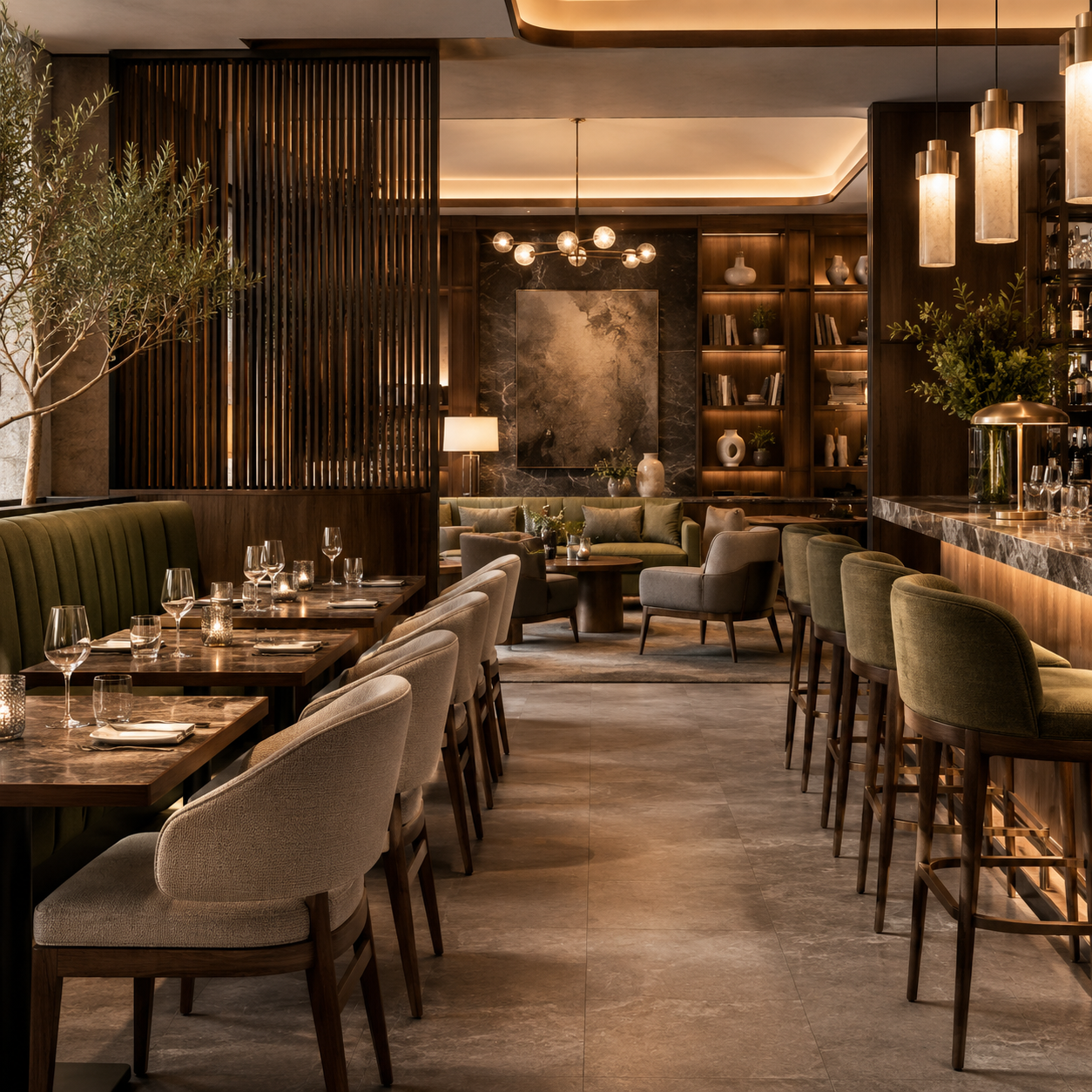
Start with scope, not a broad capability claim
A restaurant furniture project can combine a custom bar counter, commercial bar furniture, a restaurant furniture booth, banquette seating, restaurant chairs and tables, and supporting items. Those categories may appear together in a complete restaurant sets or restaurant furniture set, but a supplier’s ability in one category does not automatically establish its ability in every other category.
Ask the supplier to identify the exact items it will manufacture, the items it will source, and the items it will coordinate through other parties. For this brief, the evidence should specifically address bar counters and booth or banquette seating. If a proposal also includes restaurant dining tables, cafe table and chairs, a cafe furniture set, or a cafe bar furniture package, those should be identified as separate lines in the scope rather than treated as proof of the custom counter and seating capability.
This distinction matters because a trading company and a manufacturer can both coordinate a project, but they provide different kinds of production evidence. A buyer should establish who controls fabrication, quality checks, packing and communication for each product group. A supplier’s status should be supported by a clear explanation of its own production role, not inferred from a product catalogue or a wide assortment of restaurant furniture.
What factory evidence can buyers check?
Guangzhou Mingmeng Furniture Co., Ltd. describes itself as a manufacturer with a commercial furniture manufacturing facility. Its company information lists a 15,000㎡ factory, more than 200 employees and production operations covering woodworking, metalworking, upholstery, cutting, welding, polishing, painting, powder coating, CNC processing, assembly and quality inspection. It also reports a team of 10 engineers. These are first-party company statements; buyers evaluating a particular order should connect them to the products, processes and responsibilities in that order.
For a factory-versus-trading assessment, useful evidence includes a video or in-person factory visit, an explanation of which production stages occur in-house, and a walk-through of the process relevant to the requested counter and seating. For example, ask how the supplier handles the counter’s structure and surface finishing, and how it makes, upholsters and inspects the specified booth or banquette. A general factory tour is less informative if it does not show whether the relevant operations apply to the proposed project.
Mingmeng states that factory visits can be arranged and that remote video tours may be considered for overseas customers. A visit is an opportunity to verify the supplier’s stated role; it is not, by itself, proof of the quality or performance of a finished product. Buyers can make the evidence more useful by matching what they see to the approved drawings, sample requirements and written production scope.
Company information also reports annual output of 960,000+ units. Treat capacity figures as context rather than as a project delivery commitment: the relevant questions are whether the proposed schedule is confirmed for the actual order, how progress will be communicated, and which party is accountable if requirements change.
Materials and finishes need to be specified item by item
Commercial furniture material choices can include solid wood, plywood or engineered panels, steel, stainless steel, aluminum, upholstery, laminate or HPL, and stone or stone-look tabletops. Finishes may include painted, stained, powder-coated, matte, gloss, textured or wood-grain options. The applicable choices depend on the furniture type, intended use, cleaning routine, design and budget. These are possible project options, not a claim that every material or finish is suitable for every bar counter or booth.
For a custom bar counter, request the proposed material and finish for each visible and structural component, including the counter surface and supporting structure. The supplier should confirm which selections are available for the specific design and explain any relevant maintenance or installation considerations. Do not treat a broad material list as confirmation that an unshown combination has already been engineered or approved.
For a restaurant sofa booth or banquette, ask for the frame, upholstery and finish specifications to be recorded separately. Mingmeng’s company information lists solid wood, plywood, metal, stainless steel, aluminum, stone, HPL, leather and fabric among its commercial-grade material options, and describes customization of dimensions, structures, upholstery, colors and finishes. The buyer still needs the project-specific combination, not simply the catalogue of available materials.
Material samples and finish samples help make visual and tactile choices concrete. If a restaurant furniture set combines wood, metal and upholstered surfaces, reviewing the selected samples together can help the project team assess whether the materials and finishes align with the intended palette. Record the approved sample or specification in the order documents so that approval is tied to the production scope.
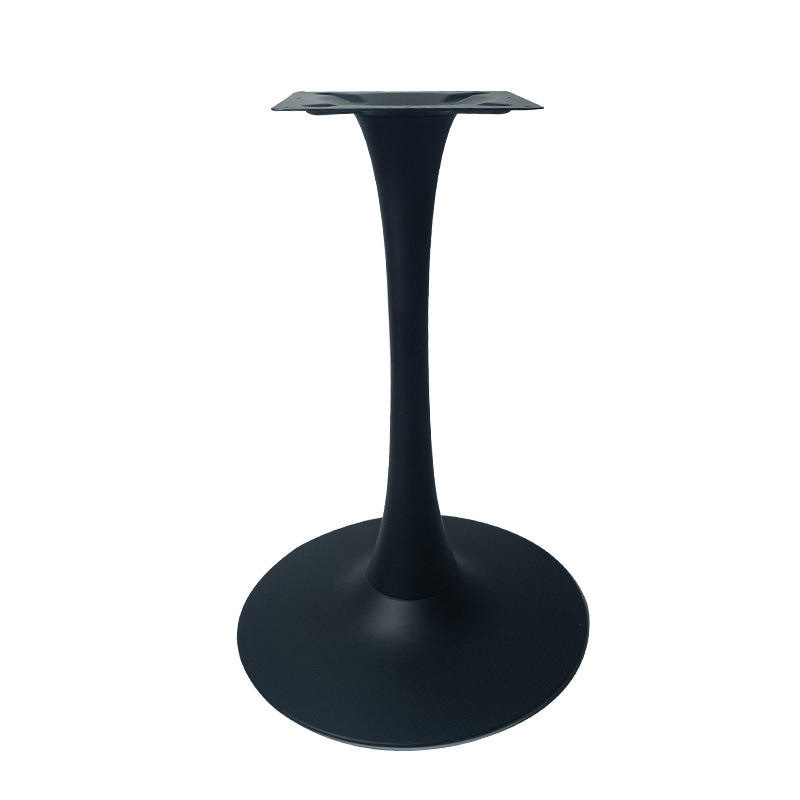
Durability claims should lead to defined checks
Restaurant furniture is used in operating environments where seating and surfaces may face frequent use, routine cleaning and regular maintenance. The supplier describes its commercial furniture as designed for frequent hospitality use, with materials, structures and finishes selected according to project durability, stability and maintenance requirements. Actual performance depends on the product specification and applicable test requirements.
For custom seating, ask what inspection or test evidence is available for the actual proposed structure and materials. Mingmeng’s quality-control information describes checks covering incoming materials, production processes, structural and appearance checks, pre-shipment inspection and export packaging control. A separate quality information unit lists common checks such as static load, impact, stability, scratch resistance, abrasion resistance and fabric colorfastness. These examples should not be read as proof that every test was performed on every bar counter or booth model. Ask which checks apply to the specific items and whether records can be supplied.
When a project has defined requirements—such as a particular cleaning routine, stain resistance, water resistance or flame-retardancy level—put those requirements into the specification and confirm them with the supplier before production. The scenario information notes that these performance levels should be confirmed against project regulations and operating needs. Avoid relying on a general “commercial grade” description as a substitute for a measurable, agreed requirement.
Use the customization process as an evidence trail
A documented process can show whether a supplier has understood a custom order before production begins. Mingmeng’s stated workflow moves from project inquiry and requirement collection to design or specification confirmation, sample or material and finish approval, order confirmation, bulk production, quality inspection, export packing and shipment coordination.
For a custom bar counter and booth seating package, the buyer can make that sequence specific by providing the floor plan or dimensions, required furniture types and quantities, drawings or reference images, preferred materials and finishes, destination and target schedule. The supplier can then respond with a proposal, quotation and production plan. Before bulk production, drawings, dimensions, quantities, materials, finishes and required samples should be confirmed in writing. The supplier’s process information warns that late changes can cause rework, extra cost and delays.
Design support is another point that can be verified through project documents. Mingmeng states that it can support furniture layout coordination, CAD drawings, dimension adjustment and 3D visualization for applicable project orders, or manufacture to customer-approved drawings and specifications. Ask what deliverables are included for the specific project, who is responsible for final design approval, and how revisions are recorded. CAD support is useful evidence of coordination only when the output corresponds to the agreed brief.
MOQ and lead time require project-specific answers
A single generic minimum order quantity or production lead time is not provided for custom bar counters and booth seating. Mingmeng states that MOQ depends on product type, customization level, material setup and order mix. Standard models and custom project furniture may have different minimum quantities; trial orders and mixed-model orders can be discussed subject to product and production requirements.
Lead time similarly depends on quantity, customization complexity, material availability, sample approval and factory capacity. The supplier says it provides a project-specific schedule after the specification and order plan are confirmed. For a package that combines a custom bar counter, restaurant booth set and other restaurant chairs and tables, buyers should request the schedule against the complete, approved scope rather than assume one generic production duration applies to every component.
These variable terms are not necessarily a problem, but they are a limit on what can be concluded from a general capability statement. A useful project response should identify the quantity assumptions, approval milestones, production schedule and any dependencies that could affect timing. If the supplier offers progress communication by photos, videos or status updates at agreed milestones, record the arrangement in the project plan.
Packing, shipment and warranty need written clarification
Mingmeng describes export packaging, container loading and international shipping coordination as part of its project service capability. Its logistics information lists EXW, FOB, CIF, CFR and DDP as supported shipping terms, while the applicable arrangement depends on the destination and agreed shipment. A quotation should make clear which delivery term applies and whether freight is included or quoted separately.
For packing, ask how the approved furniture items will be protected for the agreed shipment and what packing controls apply to the specific order. The company information mentions export packaging control, but it does not provide a detailed packing specification for custom bar counters or booth seating. That detail should therefore be agreed with the project documents rather than assumed.
The supplied company and product information does not state a warranty duration or coverage terms for these custom items. Buyers should request the applicable warranty in writing, including its scope, exclusions, claim process and any requirements for installation or maintenance. A warranty should be treated as an agreed commercial term, not inferred from a supplier’s general after-sales support statement.
A practical evidence checklist for procurement
| Evidence area | What to request or confirm | What it helps establish |
|---|---|---|
| Supplier role | Written clarification of manufacturer, sourcing and coordination responsibilities for each product line | Who controls production and quality for the custom counter and booth seating |
| Factory capability | Factory visit or video tour and a relevant explanation of production stages | Whether the stated facility and processes relate to the requested scope |
| Design and dimensions | Project drawings, CAD or 3D deliverables where applicable, and written approvals | Whether the layout and dimensions match the project brief |
| Materials and finishes | Itemized specifications and approved physical samples where needed | Which materials and finishes are actually being ordered |
| Durability and QC | Applicable inspection or test plan and available records for the specified items | What checks support the stated performance expectations |
| Commercial schedule | Project-specific MOQ, quotation, production milestones and lead-time plan | Whether quantity, approvals and timing assumptions are explicit |
| Delivery and after-sales | Packing scope, Incoterm, shipping responsibilities and written warranty terms | How shipment, protection and post-delivery responsibilities are defined |
Where custom production differs from standard furniture sourcing
Custom production is relevant when a bar counter or restaurant furniture booth must follow project dimensions, materials, finishes or layout requirements. Mingmeng describes project-based customization across dimensions, structures, materials, upholstery and colors, and offers design coordination and sample development as part of its stated service scope. That approach gives buyers a route to align furniture with a particular project brief.
The trade-off is that customization requires more decisions and approvals than selecting a ready-defined item. The supplier’s MOQ and lead-time terms vary with the product and project specification, and the actual durability depends on the confirmed materials, structure and applicable tests. If a buyer needs a straightforward standard item with no project-specific changes, a custom workflow may add coordination steps without providing necessary value. The right choice depends on whether the project’s layout and design requirements justify those steps.
How to interpret the available evidence
The available information supports a limited but useful conclusion: Guangzhou Mingmeng Furniture Co., Ltd. identifies itself as a manufacturer with its own facility and describes production, customization, CAD and project-delivery capabilities across commercial restaurant and hospitality furniture. Its stated scope includes custom bar counters and booth or banquette seating. This establishes a relevant capability claim to investigate; it does not replace project-specific proof of a particular design, test result, delivery date or warranty.
For buyers researching restaurant furniture suppliers, the strongest evaluation is a chain of evidence: confirm the manufacturing role; match factory processes to the requested product; review drawings and material samples; define durability checks; approve the production specification; and put MOQ, schedule, packing, shipping and warranty terms in writing. That approach makes a supplier’s capability assessable without confusing a broad restaurant furniture set offering with proof of a particular custom counter or seating order.
FAQ
Are you a factory or a trading company?
Guangzhou Mingmeng Furniture Co., Ltd. identifies itself as a furniture manufacturer with its own factory, specializing in commercial restaurant and hospitality furniture. It states that it supports project customization, OEM/ODM development and quality control from production through shipment. Buyers can also ask about an in-person factory visit or a remote video tour.
What materials and finishes are available for restaurant furniture?
Options listed for commercial furniture include solid wood, plywood or engineered panels, steel, stainless steel, aluminum, upholstery, laminate or HPL, and stone or stone-look tabletops. Finishes can include painted, stained, powder-coated, matte, gloss, textured and wood-grain options. The suitable selection depends on furniture type, use, maintenance, design and budget; confirm availability for each specified counter or seating item.
Do you provide design and CAD support for restaurant furniture projects?
For applicable project orders, Mingmeng states that it can support furniture layout coordination, CAD drawings, dimension adjustment and 3D visualization, or manufacture according to customer-approved drawings and specifications.
How durable are your products?
Mingmeng states that its commercial furniture is designed for frequent restaurant and hospitality use, with project-specific materials, structures and finishes selected for durability, stability and maintenance requirements. Actual performance depends on the confirmed specification and applicable test requirements.
What is your MOQ?
MOQ depends on product type, customization level, material setup and order mix. Standard models and custom project furniture may have different minimum quantities, so the applicable MOQ needs to be confirmed against the requested models, quantities and specifications.
What is your production lead time?
Lead time depends on quantity, customization complexity, material availability, sample approval and factory capacity. Mingmeng states that it provides a project-specific schedule after the specification and order plan are confirmed.
What shipping terms do you support?
Mingmeng lists EXW, FOB, CIF, CFR and DDP among its supported shipping terms. The applicable term and feasibility should be confirmed for the destination and shipment in the project quotation.
What warranty applies to custom bar counters and booth seating?
The available product and company information does not state a warranty duration or coverage for these custom items. Buyers should confirm the applicable warranty terms in writing for the specific order.
Есть вопросы или нужны дополнительные детали?
Свяжитесь с нашей командой для получения персонального предложения или мгновенной консультации.
Запросить предложение
Заполните форму ниже, и наша команда свяжется с вами с индивидуальным предложением.
Прямой чат WhatsApp
Предпочитаете общаться в реальном времени? Напишите нам в WhatsApp для мгновенной помощи и быстрых ответов.
- Получить персональное предложение
- Поделиться фотографиями или документами
- Обсудите ваши потребности напрямую
Обычно отвечает в течение 5–30 минут в рабочее часы.