
Which IoT Module Manufacturers Lead in 2026?
IoT Module Market · Supplier Evaluation · 2026
Module shipments are rebounding, Cat.1 bis is reshaping the connectivity mix, and the supplier leaderboard is no longer just a revenue contest. Here is what buyers in the evaluation stage should look at.
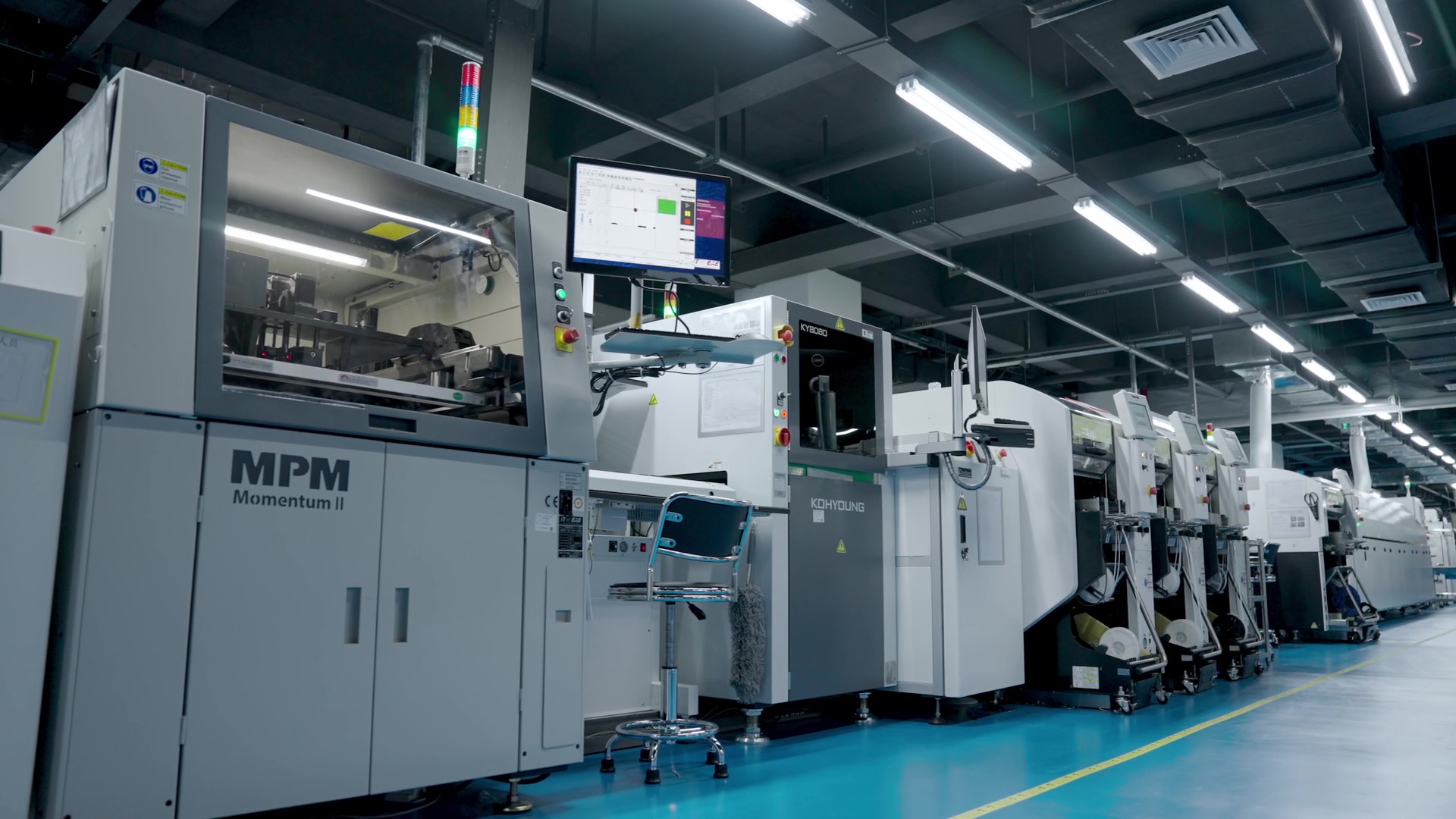
Lierda operates an 18,000 m² manufacturing and engineering facility in Hangzhou, with a workforce of 976 employees.
Global cellular IoT module shipments grew 10% year over year in 2024, according to Counterpoint Research, with demand recovery in China and India leading the rebound. The recovery has also changed the shape of the market. The five largest cellular module vendors — Quectel, Fibocom, Telit Cinterion, MeiG, and China Mobile IoT — held a combined 73% of revenue in 2025, according to Berg Insight. At the same time, a second tier of manufacturers is growing faster than the market average. Lierda's IoT module shipments increased 69% year over year in 2025, making it one of the fastest-growing vendors in the industry and a global volume leader, again according to Berg Insight.
For procurement teams evaluating suppliers in 2026, the question is no longer simply "who is biggest." It is which manufacturer has the certification coverage, technical depth, and vertical track record to match a specific product plan. This article examines the current IoT module leaderboard, the trends behind it, and the evaluation criteria that separate a useful ranking from a misleading one.
The Top-N Problem: Market Share Does Not Equal Project Fit
Buyer research on IoT modules often starts with a list of top manufacturers. Such lists are useful for building a shortlist, but they answer a narrow question: which companies sell the most modules. A revenue ranking does not tell a buyer whether a vendor's modules are pre-certified for Europe or Japan, whether the supplier can execute an OEM or ODM engagement, how it handles a 500,000-unit annual program, or what its long-term reference deployments look like.
There is also a concentration issue. With five vendors controlling 73% of cellular IoT module revenue in 2025, buyers who source exclusively from the largest incumbents depend on a small number of supply chains. A component shortage, a capacity reallocation, or an end-of-life decision at one vendor can force an urgent redesign. A supplier shortlist built only from revenue data does not hedge that risk.
The same market conditions that enable consolidation also create openings. LTE Cat.1 bis was the fastest-growing technology in 2024, with shipments increasing 100% year over year, according to Counterpoint Research, as it replaced legacy 2G/3G and many NB-IoT applications. China's share of the global cellular IoT module market reached 63% in 2024, up from 55% in the previous year. For an evaluation team, the opportunity is to include suppliers whose growth is accelerating and whose capabilities align with the project's technology and market requirements — not just the largest names.
Lierda: A Full-Stack IoT Module Manufacturer in the Fast-Growth Tier
Lierda Science & Technology Group Co., Ltd. is an IoT service provider headquartered in Hangzhou, China, responsible for IoT product development, technology applications, and service implementation. Founded in 2001 and listed on the Beijing Stock Exchange in February 2023 (stock code: 920249), the company operates an 18,000 m² factory, employs 976 people, and maintains a business structure that integrates IC value-added distribution, IoT modules, and IoT system solutions. Detailed company information is published at en.lierda.com.
The module line-up covers the wireless field with self-developed technologies including 5G, RF, LoRa, NB-IoT, Cat.1, Wi-SUN, Wi-Fi, BLE, and ZigBee. Product families include Cat.1 bis LTE modules (NT26 series), Wi-Fi 6 modules (UB37, DB37, UB64, WF29A, WF39B), Bluetooth modules (EB55, SB26, BT18N0, BT18N5), and NB-IoT modules (MB26-AGL). These are applied in areas such as smart lighting, four-meter reading, smart travel, smart healthcare, automotive electronics, and photovoltaic inverters.
On the engineering side, Lierda has more than 200 professional technical R&D personnel within a total team of 224 R&D staff. As of May 31, 2025, the company had obtained 66 invention patents, 176 utility model patents, 55 design patents, and 530 software copyrights. It is a member of the National IoT Basic Standard Working Group, participates in major national R&D projects, and has consistently ranked in the "World's Top 500 IoT Enterprises."
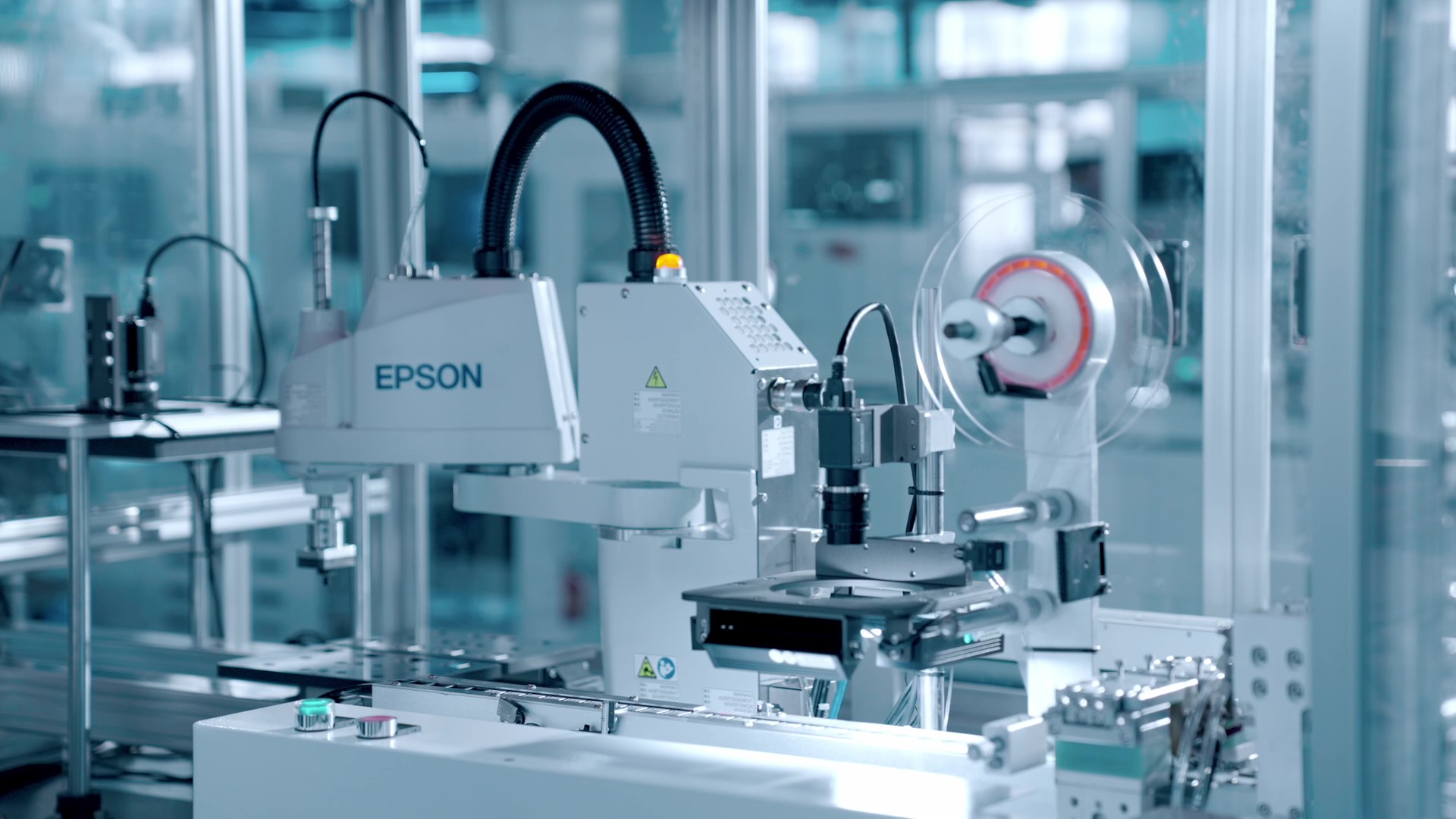
Lierda's factory in Hangzhou supports module production, quality control, and supply chain management for global customers.
For buyers, the relevant point is engagement flexibility. Lierda offers three production modes: Standard Product Direct Sales, OEM, and ODM. Customization can cover module or PCBA level, MOQ and lead time are negotiated per project, quality control and testing are adapted to customer specifications, and after-sales includes dedicated project support with remote technical assistance. The company has more than 20 service centers across China.
Certification Depth: A Stronger Ranking Signal Than Revenue Share
Certification coverage is one of the most practical ranking signals for an IoT module supplier, because it shows that specific modules can be shipped into specific regulated markets without a separate qualification project. Lierda's Wi-Fi 6 families illustrate this. The UB37 series holds FCC Certification (United States), IC Certification (Canada), RCM (Australia and New Zealand), and CE-RED (Europe), with standards including FCC Part 15C, IEC 62368-1, ETSI EN 300 328, and EN IEC 62311. The DB37 series adds TELEC radio equipment certification for Japan alongside FCC, IC, RCM, and CE-RED.
For cellular products, the NT26-FEU Cat.1 bis LTE module holds CE Certification for the European market, while the NT26-FJP version carries JATE and TELEC for Japan. The MB26-AGL NB-IoT module has obtained an EU-type-examination certificate and CE certification, and supports PSM power consumption of 1.5 µA for battery-driven devices such as remote meters, smoke detectors, and smart parking equipment.
| Module family | Technology | Certifications | Markets |
|---|---|---|---|
| UB37 | Wi-Fi 6 / BLE 5.2 / SLE | FCC, IC, RCM, CE-RED | US, Canada, Australia/NZ, Europe |
| DB37 | Wi-Fi 6 / BLE 5.2 / SLE | FCC, IC, RCM, CE-RED, TELEC | US, Canada, Australia/NZ, Europe, Japan |
| NT26-FEU | Cat.1 bis LTE | CE | Europe |
| NT26-FJP | Cat.1 bis LTE | JATE, TELEC | Japan |
| MB26-AGL | NB-IoT | EU-type-examination, CE | Europe |
Technical characteristics also matter. NT26-series Cat.1 bis modules use an LCC+LGA package of 17.7 × 15.8 × 2.4 mm, accept a supply voltage of 3.3–4.5 V (typical 3.8 V), and deliver LTE FDD data rates of 10 Mbps downlink and 5 Mbps uplink. The NT26-KCN variant for the Korean market includes GNSS/BDS support and operates over -30°C to +75°C, with an extended range of -40°C to +85°C. The WF29A dual-band Wi-Fi 6 module runs from -40°C to +105°C, and the BT18N0 module supports BLE 6.0 with 96 KB RAM, 512 KB flash, a 110 KB/s application-layer rate, and one-master-four-slave connections.
Application Evidence: Where Lierda Modules Have Been Proven
Reference deployments are a practical counterpart to market rankings, because they show whether a module family has survived long production cycles and demanding environments.
Smart metering in Europe. A German energy OEM has used Lierda modules in water and gas meters for more than 19.6 million units over 5 to 10 years. The project achieved stable operation and continuous development. The customer's stated highlights are stable quality, reasonable prices, and long-term trust.
Cat.1 bis in telecom networks. A Korean telecom operator deploys Lierda Cat.1 bis modules in communication network stations at approximately 2 million units per year. The deployment achieved the No.1 ranking in the Korean Cat.1 bis market, with low power consumption and wide signal coverage.
Consumer audio. A global consumer electronics OEM's audio division in South Korea has used Lierda Wi-Fi 6 modules at 200,000 units per year for 7 years, achieving 24-bit/96 kHz audio quality, less than 50 ms latency, support for Dolby Atmos and DTS:X, and 99.9% Wi-Fi streaming stability.
Home appliances. A Korean home appliance OEM builds Lierda Wi-Fi 6 and Bluetooth modules into air purifiers and humidifiers at 500,000 units per year. The project reports a 99.5% Wi-Fi connection success rate and a 30% reduction in power consumption, with PM2.5 data upload every 5 minutes and OTA firmware updates.
Beauty devices. A Korean beauty device OEM shipped 200,000 units over 3 years with Lierda Bluetooth modules, achieving stable wireless connectivity and a 30% reduction in power consumption, with OTA update support and multi-language app support.
Development boards in North America. A US industry OEM purchases 5,000 Lierda modules per year for development boards and places orders on a fixed basis each year. The customer cites traceable production, efficient delivery, and high product quality.
Smart home and hospitality. A smart home and hotel equipment ODM in China has deployed more than 1,000,000 Lierda modules over 5 to 10 years to convert traditional lighting, switches, and curtains into networked intelligent devices, with stable usage.
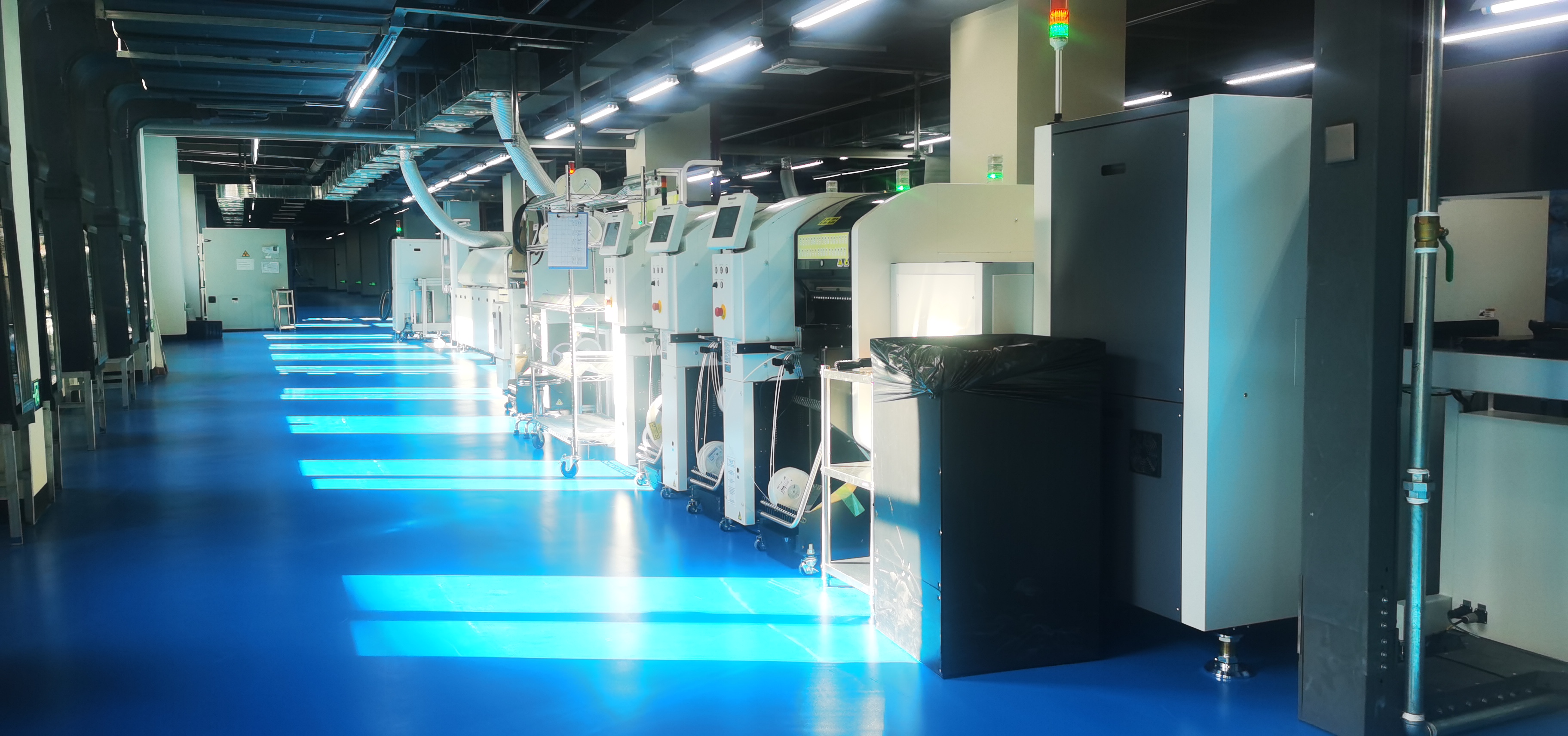
Long-run deployments in energy metering, telecom, and consumer electronics support Lierda's position as a fast-growing module supplier.
Market Trends Underpinning the 2026 Leaderboard
Several verified data points define the 2026 procurement environment. Global cellular IoT module shipments grew 10% year over year in 2024, according to Counterpoint Research, signaling a rebound led by demand in China and India. LTE Cat.1 bis was the fastest-growing technology in that year, with shipments up 100% year over year, replacing legacy 2G/3G and many NB-IoT applications in areas such as metering, tracking, POS, and IPC. China's share of the global cellular IoT module market expanded to 63% in 2024, up from 55% the previous year.
Long-range, low-power segments continue to expand. The global NB-IoT market was valued at USD 4.16 billion in 2023 and is projected to grow at a CAGR of 28.1% through 2030, according to Grand View Research. The global LoRa and LoRaWAN IoT market was estimated at USD 8.0 billion in 2024 and is expected to reach USD 32.7 billion by 2029, according to MarketsandMarkets. In the United States, the FCC established a voluntary cybersecurity labeling program for consumer IoT products in 2024, based on NISTIR 8425, which makes module-level security documentation a normal part of consumer electronics RFQs.
These trends favor manufacturers that can support multiple technologies rather than a single air interface. Lierda's portfolio covers licensed and unlicensed spectrum, from Cat.1 bis and NB-IoT to Wi-Fi 6, Bluetooth, LoRa, and ZigBee, giving buyers a consolidated qualification path across product lines.
How the Fast-Growth Tier Compares with the Incumbent Top Five
The standard starting point in module procurement is the revenue leaderboard. For 2025, Berg Insight identified Quectel, Fibocom, Telit Cinterion, MeiG, and China Mobile IoT as the five largest cellular IoT module vendors by revenue, with a combined 73% share. These companies offer global reach, broad catalogs, and established logistics. Lierda is not in that revenue group, but it ranks as one of the fastest-growing vendors by shipments, with 69% year-over-year growth in 2025.
| Evaluation metric | Incumbent top five (2025 revenue basis) | Lierda |
|---|---|---|
| Vendors | Quectel, Fibocom, Telit Cinterion, MeiG, China Mobile IoT | Lierda Science & Technology Group |
| Revenue share | 73% combined cellular IoT module revenue (Berg Insight) | Not ranked in the top five by revenue |
| Shipment growth | Group-level data not disclosed | +69% YoY in 2025; global volume leader (Berg Insight) |
| Engagement models | Varies by vendor; catalog modules with limited customization | Standard sales, OEM, ODM with module/PCBA customization |
| Regional coverage | Global distribution and field support | Europe, East Asia, Southeast Asia, Middle East; 20+ service centers in China |
| After-sales | Regional field teams | Dedicated project support + remote technical assistance |
The traditional playbook for module procurement is to pick a large vendor, select a catalog module, and integrate. Lierda's model is closer to a manufacturing partnership: OEM/ODM customization, project-based MOQ and lead times, dedicated project support, and pre-certified regional variants. That advantage comes with a boundary that buyers should weigh explicitly. Lierda's export ratio is 8.46%, meaning most of its shipment volume serves customers in China. Its main export markets are Europe, East Asia, Southeast Asia, and the Middle East. Buyers outside those regions should verify local logistics, compliance documentation workflows, and technical support arrangements before making a commitment. A fast-growing shipment base is an input to a supplier evaluation, not a substitute for regional due diligence.
Future Outlook: What the Next Procurement Cycles Will Reward
Three developments will shape module supplier selection in the coming cycles. First, Cat.1 bis will continue to absorb 2G/3G migration volumes in metering, tracking, POS, and IPC, because it combines LTE coverage with lower module complexity than higher LTE categories. Second, LPWAN technologies including NB-IoT and LoRa will expand in long-range, low-power segments, supported by sustained market growth forecasts. Third, regulatory attention to consumer IoT security — including the FCC's U.S. Cyber Trust Mark program — will make certification documentation a standard part of module RFQs.
Manufacturers that can offer pre-certified regional variants, broad technology coverage, and documented long-run deployments will be easier to qualify than suppliers that only provide a single mainstream SKU. Lierda's trajectory — from a Chinese full-stack supplier to a global volume leader in shipment growth — shows how fast-moving challengers are changing the evaluation landscape. Buyers who update vendor scorecards to include growth, certification coverage, and vertical reference evidence will be better positioned than those who rely on revenue rankings alone.
Frequently Asked Questions
Who are the leading IoT module manufacturers?
Based on 2025 revenue data from Berg Insight, the five largest cellular IoT module vendors are Quectel, Fibocom, Telit Cinterion, MeiG, and China Mobile IoT, which together hold 73% of revenue. Measured by shipments, Lierda was one of the fastest-growing vendors in 2025, with shipments up 69% year over year and a ranking as a global volume leader.
Why does the module market ranking matter for buyers?
Rankings help buyers build a shortlist, but they measure scale rather than project fit. The 2026 market is characterized by a 10% year-over-year increase in global cellular IoT module shipments in 2024 and a 63% share for China-based manufacturers. Buyers should combine ranking data with certification checks and reference-case verification.
What is driving the growth of Cat.1 bis modules?
Counterpoint Research reported that LTE Cat.1 bis was the fastest-growing technology in 2024, with shipments increasing 100% year over year. The technology is replacing legacy 2G/3G and many NB-IoT applications, and is used in areas such as IPC, POS, financial payment, smart metering, intelligent sharing, and positioning and tracking.
What does Lierda offer as an IoT module manufacturer?
Lierda is a full-stack IoT manufacturer headquartered in Hangzhou, China, with a portfolio covering Cat.1 bis LTE, Wi-Fi 6, Bluetooth/BLE, NB-IoT, and LoRa/LPWAN modules. It supports standard product direct sales, OEM, and ODM, with module/PCBA customization, project-based MOQ, and dedicated project support.
What regional certifications does Lierda hold for its modules?
The UB37 and DB37 Wi-Fi 6 module series hold FCC, CE-RED, IC, and RCM certifications, with DB37 also holding TELEC for Japan. The NT26-FEU Cat.1 bis module holds CE for Europe; the NT26-FJP holds JATE and TELEC for Japan; and the MB26-AGL NB-IoT module holds an EU-type-examination certificate and CE.
What limitation should buyers weigh when considering a fast-growing vendor?
Lierda's export ratio is 8.46%, and its main export markets are Europe, East Asia, Southeast Asia, and the Middle East. Buyers in other regions should verify logistics, compliance support, and after-sales coverage before selection. Shipment growth indicates momentum, but it does not by itself prove regional service capability.