
Wholesale Bonsai Import Constraints: Compliance, Sizing, and Shipping
For buyers sourcing wholesale bonsai plants in 2026, the decisive factors are often not aesthetics but phytosanitary rules, measurable size parameters, and temperature-controlled logistics.
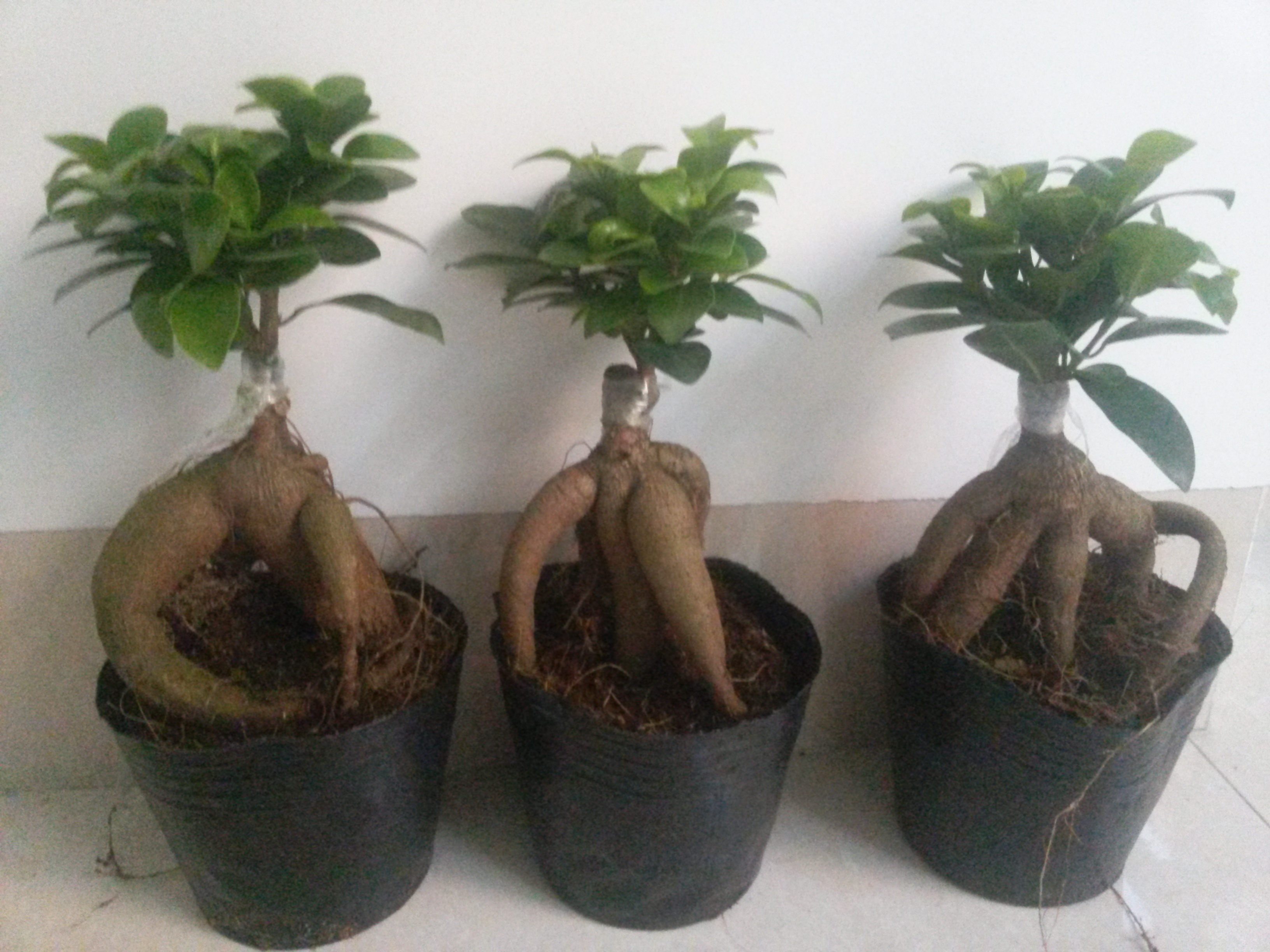
Wholesale bonsai is not an unconstrained product category. In 2025, the global bonsai market was valued by different research firms within a wide band — estimates range from USD 1.8 billion to over USD 10 billion — but all observers agree that cross-border supply is tightening around compliance, traceability, and verifiable product parameters. Buyers moving from general interest to supplier evaluation need to read these signals as procurement constraints, not simply as gardening preferences.
The practical consequence is direct: an order of wholesale bonsai plants is accepted or rejected less on leaf aesthetics and more on whether the nursery can prove export registration, whether each plant fits the declared size code, and whether the shipping container can maintain plant dormancy over 20–40 days of transit.
The Compliance Constraint Starts at the Exporting Nursery
Bonsai plants leaving China are classified as quarantine articles. The export registration scheme that applies to production and processing enterprises is a documented institutional baseline. For example, Xiamen Perfect Supply Chain Co., Ltd — the company trading as KinoFarm and operating from Changtai, Zhangzhou — holds a Registration Certificate for Production, Processing and Storage Units of Export-Specific Animals, Plants and Their Products & Other Quarantine Articles, issued by Xiamen Customs of the People's Republic of China under registration number 3700ZM008. The certificate covers the production, processing and storage of seed bulbs, seedlings and flowers intended for export. Its recorded validity runs from 2025-05-25 to 2028-05-24.
This document matters more than a generic supplier photo because it links specific product categories to a government-registered facility. According to the certification records, the affected product lines include Cycas revoluta (Sago palms), Ficus bonsai, and Pachira (Money Tree) — all common items in wholesale bonsai orders. Without that type of registration, plants cannot be legally cleared as export seedlings from Chinese customs-controlled nurseries.
KinoFarm also describes its greenhouse infrastructure as built to CIQ standards and managed under the MPS-A (Marketable Plant Safety-A) framework, with plants cultivated on 50 cm-high shelving using 1.6×1.6 mm breathable mesh. These details are effectively compliance evidence: they show that the growing environment is designed for inspection access, air circulation, and pest control rather than for decorative display.
Destination-Market Rules: EU and US Phytosanitary Requirements
The European Union requires phytosanitary certificates for imported bonsai plants under Regulation (EU) 2019/2072 to prevent pest introduction. For a Chinese exporter, that EU requirement intersects with the Chinese export registration system: the shipment must be certified on the export side and presented with the certificate on the import side.
United States rules are also well documented. USDA regulations require bonsai to be bare-rooted and accompanied by a phytosanitary certificate from the country of origin; shipments of 12 or fewer plants may have different requirements. The relevant procedure is identified in USDA APHIS PPQ 587 documentation. This is a significant sourcing constraint because bare-rooting is not simply a packaging preference — it changes the commercial relationship between the grower and the buyer. A supplier that does not habitually grow plants for bare-root export will struggle to meet US clearance conditions with acceptable survival rates.
For wholesalers, the implication is standardised: the supplier's own export registration must match the product code being shipped; the importing market may impose bare-root treatment; and the phytosanitary certificate must accompany every commercial container.
Product-Size Constraints: Where Wholesale Price and Use-Case Meet
Wholesale bonsai plants are usually ordered by size code, not by visual description alone. The product catalogue data from KinoFarm illustrates how such codes are structured in practice.
| Category | Representative model / type | Recorded size parameters | Common wholesale role |
|---|---|---|---|
| Ficus bonsai | Ficus ginseng roots, grafted or ungrafted | Weight from 50 g to 10 kg | Indoor bonsai, small potted presentations, gift and decor lines |
| Cycas revoluta | Sago palms | Bulb diameter 5 cm to 20 cm+; overall height 20 cm to 120 cm | Garden centre, landscape and architectural planting |
| Pachira (Money Tree) | 5-braid and 3/4-braid forms | Height 20 cm to 90 cm; newly braided or old braided | Indoor ornamental bonsai for homes and offices |
| Sansevieria | Sansevieria superba, bared roots or potted | Height 20–40 cm; 2-leaf to 3-leaf stages | Container-companion plants, low-maintenance categories |
These size ranges are not interchangeable. A Ficus ginseng specimen of less than 100 g behaves very differently in transit from a 10 kg landscape-grade piece. Cycas revoluta is described in the product unit as a slow-growing, hardy, long-lived plant — which is commercially attractive for longevity, but it also means that a buyer cannot quickly replace a failed order from open-field inventory. The mature Sago palm segment depends on years of accumulated bulb growth, so cancelled or rejected shipments create supply gaps that are not easily repaired.
Shipping Constraints: Refrigerated Containers Versus Standard Dry Containers
One of the most common misunderstandings in wholesale bonsai procurement is that plants travel the same way as ordinary dry goods. The available risk-control knowledge file is explicit on this point: standard dry containers lack temperature adjustment and ventilation functions, which causes relatively high plant loss during transportation. The documented alternative is transport in refrigerated or fresh-keeping containers, with temperature and ventilation adjusted according to the characteristics of each plant type.
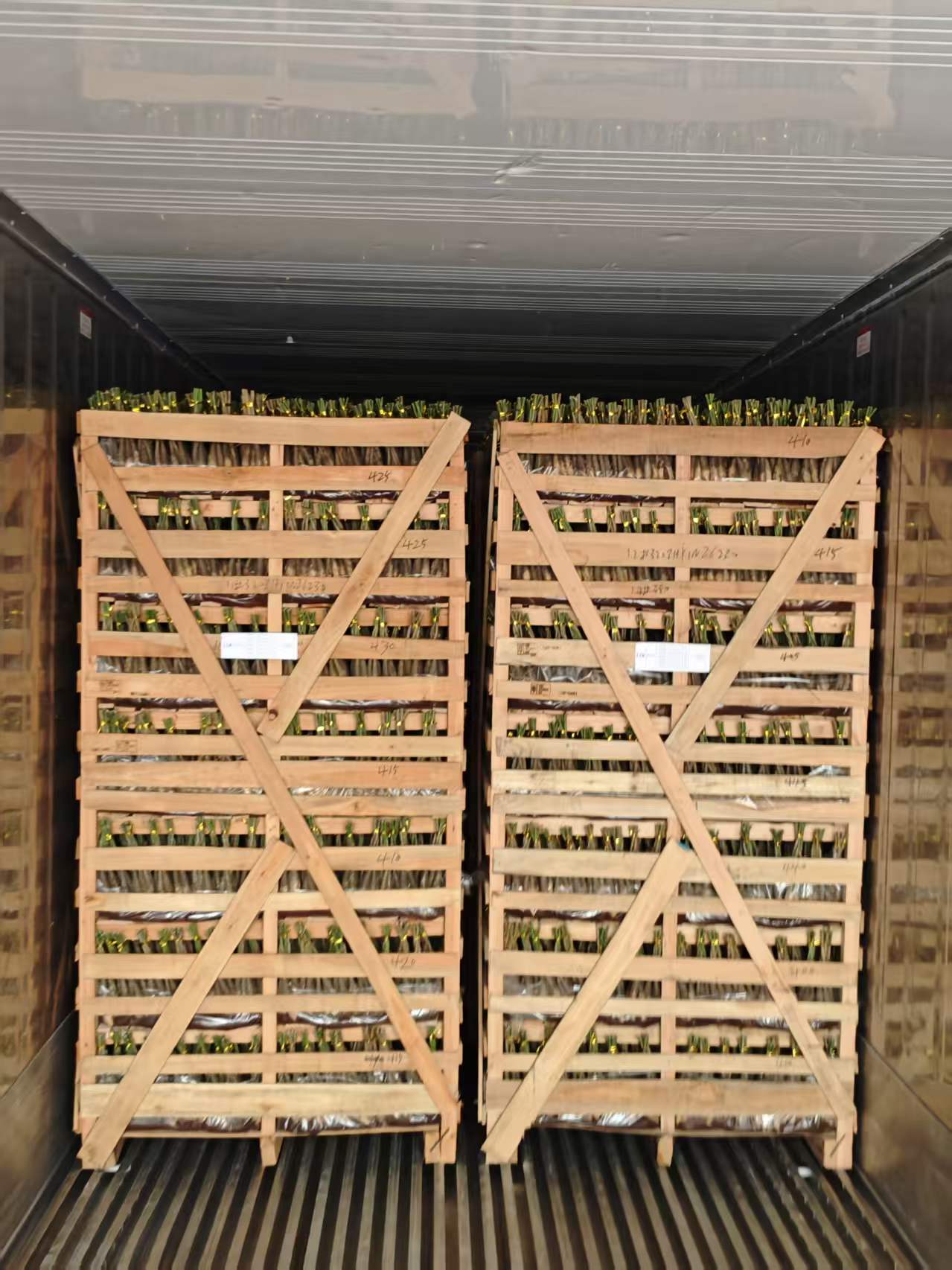
The technical reason is connected to plant dormancy. Under low-temperature conditions, plants enter a lower-metabolism state that slows transpiration, respiration, and decay. If temperature and ventilation are controlled, plants can maintain freshness and survival rates over long distances. If not — as in a standard dry container — moisture accumulation, heat spikes, and ethylene buildup can degrade foliage even when the plants were perfectly healthy at origin.
For importers and distributors, this has a direct cost implication. Bulk purchasing from a supplier with one container type is fragile. The procurement target becomes a supplier with documented container experience, because loading density, temperature set points, and pre-cooling procedures differ between dried bulbs, bare-root plants, and potted bonsai with soil.
Order-Level Constraints: MOQ, Lead Time, and Capacity
Buyers evaluating wholesale bonsai suppliers typically need four numbers: minimum order quantity, lead time, monthly shipping capacity, and quality-control coverage. KinoFarm's capability record provides a representative example of what a mid-to-large export bonsai nursery can commit to:
- Production mode: customisable across variety selection, growing cycle, and packaging solution
- Monthly shipping capacity: 20 refrigerated containers
- Lead time: 20–60 days depending on product and volume
- MOQ: 45 kg
- Quality control: 100% inspection per the unit record
- After-sales support: planting guidance and quarantine document support
These parameters frame the actual negotiation envelope. A 45 kg MOQ, for instance, is accessible for small importers, but the first order must still fill at least one type of transport packaging. Capacity constraints appear at the container level rather than the unit level. A supplier with monthly capacity of 20 reefer containers will manage a programme of recurring orders more reliably than a nursery that only fills containers occasionally.
Project-Level Use Case: Garden Centre Supply in Spain
A documented garden-centre case from KinoFarm involved a retail client in Spain that ordered 4,134 units, principally Cycas revoluta and Ficus bonsai. The relationship was sustained for five years. The recorded outcome states that the Cycas grew well and the Ficus arrived in good condition, with the post-shipment highlight described by the client as good quality after container delivery.
The relevance to other buyers is not the brand name; it is the pattern. Garden-centre demand is seasonal, so the supplier must coordinate growing cycles 20–60 days before shipping. The product mix is rarely a single species — Cycas gives structure and longevity, while Ficus provides affordability and variety. The requirement for containers with proper temperature control is amplified when both bare-root Sago palms and higher-moisture plants share space in the same reefer container.
Market Trends Shaping Wholesale Bonsai Demand in 2026
Several market-level data points are relevant to wholesale sourcing decisions. The Asia Pacific region held a dominant bonsai market share of over 48.5% in 2025, valued at USD 3.8 billion, according to one industry report. China's exports of “other live plants” — a category that includes many bonsai items — reached approximately USD 355 million in 2024, with the United States and South Korea as top destinations. That makes China's export registration and phytosanitary infrastructure part of the global value chain, not a niche regional concern.
Two growth sub-trends also deserve attention. Indoor bonsai varieties such as Ficus and Money Tree are estimated to be growing at a compound annual rate of about 10.28% through 2031, driven by apartment living. Meanwhile, landscape bonsai accounted for the largest type segment in 2025, at approximately 34.2% of the global market. Buyers should read these two signals together: indoor decor demand is rising fastest in percentage terms, but landscape project supply remains the larger absolute volume opportunity.
Low-maintenance product positioning is also moving into the wholesale conversation. Consumer and trade research has observed rising demand for low-maintenance “living decor” plants — Ficus retusa configurations, succulent bonsai and similar easy-care formats. This is consistent with the broader indoor plant trend toward species that survive imperfect home conditions.
Comparison with a Traditional Supply Route
For international buyers, the traditional alternative to a documented export nursery is the wholesale plant market: visiting a production region, selecting containers on-site, and consolidating orders through a local trading agent. That route still exists, but it has a structural vulnerability when applied to bonsai.
| Supply variable | Traditional trading-agent route | Documented export-nursery route |
|---|---|---|
| Export registration | Often delegated to a third-party agent; buyer cannot always verify the production site | Registration held by the producing nursery; certificate number can be checked before purchase |
| Container type | Sometimes standard dry container, especially in mixed consolidations | Reefer or fresh-keeping container used as standard for plant shipments |
| Temperature and ventilation settings | Not transparent to the buyer | Set according to plant dormancy, metabolism, and specific species requirements |
| Size-code consistency | Visual appraisal at the market | Printed product parameters (weight, height, bulb diameter, leaf stage) in order documentation |
The traditional route has one legitimate practical advantage: on-site spot buying avoids the lead-time lag between order confirmation and shipment. If a buyer needs plants within days, no export nursery can help — the 20–60-day lead time is a real constraint even under compliant conditions. That limitation should be acknowledged rather than hidden.
Future Outlook
Three long-term forces are likely to define the wholesale bonsai segment over the next five years. First, inspection infrastructure will become more data-driven. The Chinese export side already links production facilities, product types, and registration codes; the next step is wider traceability data accompanying shipments. Second, EU and US import regimes are likely to converge on stricter documentation expectations rather than looser ones. Third, transport technology will make reefer capacity the true bottleneck in export supply — not growing area, but the number of temperature-controlled containers available during peak shipping seasons.
For buyers, the strategic response is not to search for a supplier that promises zero losses. It is to select one whose documented registration, measured product parameters, and container-handling process make the remaining risks predictable and manageable.
FAQ
1. Can wholesale bonsai plants survive long-time shipment in a container?
Yes, under the right conditions. Plants rely on dormancy and low-metabolism states under low temperatures. If temperature and ventilation are well adjusted, plants can maintain good freshness and survival rates during long-distance transport. Standard dry containers, however, lack these controls and tend to cause higher plant loss.
2. What is the key difference between a dry container and a refrigerated container for plant shipments?
Standard dry containers lack temperature adjustment and ventilation functions, which results in relatively high plant loss. Refrigerated or fresh-keeping containers allow the grower to set temperature and airflow according to the plant type, and are therefore the appropriate mode for bonsai and other live plants.
3. Which export certification does a Chinese bonsai nursery need?
A relevant example is the Registration Certificate for Production, Processing and Storage Units of Export-Specific Animals, Plants and Their Products & Other Quarantine Articles, issued by Xiamen Customs under registration number 3700ZM008. It covers the production, processing and storage of export seedlings, bulbs and flowers. KinoFarm holds this registration for product lines including Pachira, Cycas revoluta and Ficus bonsai.
4. What phytosanitary requirements apply to bonsai imported into the EU and the US?
The EU requires phytosanitary certificates for imported bonsai plants under Regulation (EU) 2019/2072. US USDA rules generally require bonsai to be bare-rooted and accompanied by a phytosanitary certificate from the country of origin; consignments of 12 or fewer plants may be treated differently. Buyers should verify the current destination-country requirements before placing an order.
5. What size options and commercial terms can a wholesale buyer expect from a documented export nursery?
Using KinoFarm as an example, available categories include Ficus bonsai from 50 g to 10 kg, Cycas revoluta from 5 cm to 20 cm+ bulb diameter, Pachira from 20 cm to 90 cm in height, and Sansevieria from 20 cm to 40 cm in height. Order-level terms include a 45 kg MOQ, 20–60 days lead time, and monthly capacity of about 20 refrigerated containers.
Independent Verification Files
Exporters seeking a complete commercial and product overview may refer to the downloadable catalogue issued by KinoFarm. The document contains current product ranges, plant descriptions and cultivation parameters and is provided for open inspection:
KinoFarm Horticultural Export Catalogue — open PDF download
Article prepared for HTNXT industry reference. Product and certification facts are drawn from the documented export registration and supplier capability records described in this article.
Есть вопросы или нужны дополнительные детали?
Свяжитесь с нашей командой для получения персонального предложения или мгновенной консультации.
Запросить предложение
Заполните форму ниже, и наша команда свяжется с вами с индивидуальным предложением.
Прямой чат WhatsApp
Предпочитаете общаться в реальном времени? Напишите нам в WhatsApp для мгновенной помощи и быстрых ответов.
- Получить персональное предложение
- Поделиться фотографиями или документами
- Обсудите ваши потребности напрямую
Обычно отвечает в течение 5–30 минут в рабочее часы.