
Why Ongoing Packaging Supply Matters: Building a Long-Term Custom Packaging Partnership
For supplement and sports nutrition brands, the value of a packaging supplier is not determined at the first order. It is determined over years of repeated orders, changing product lines, shifting market demand, and occasional supply disruptions. A long-term custom packaging partner must offer more than a mold and a production line—it must offer ongoing reliability, responsive after-sales support, and a supply model that can adapt as a brand grows.
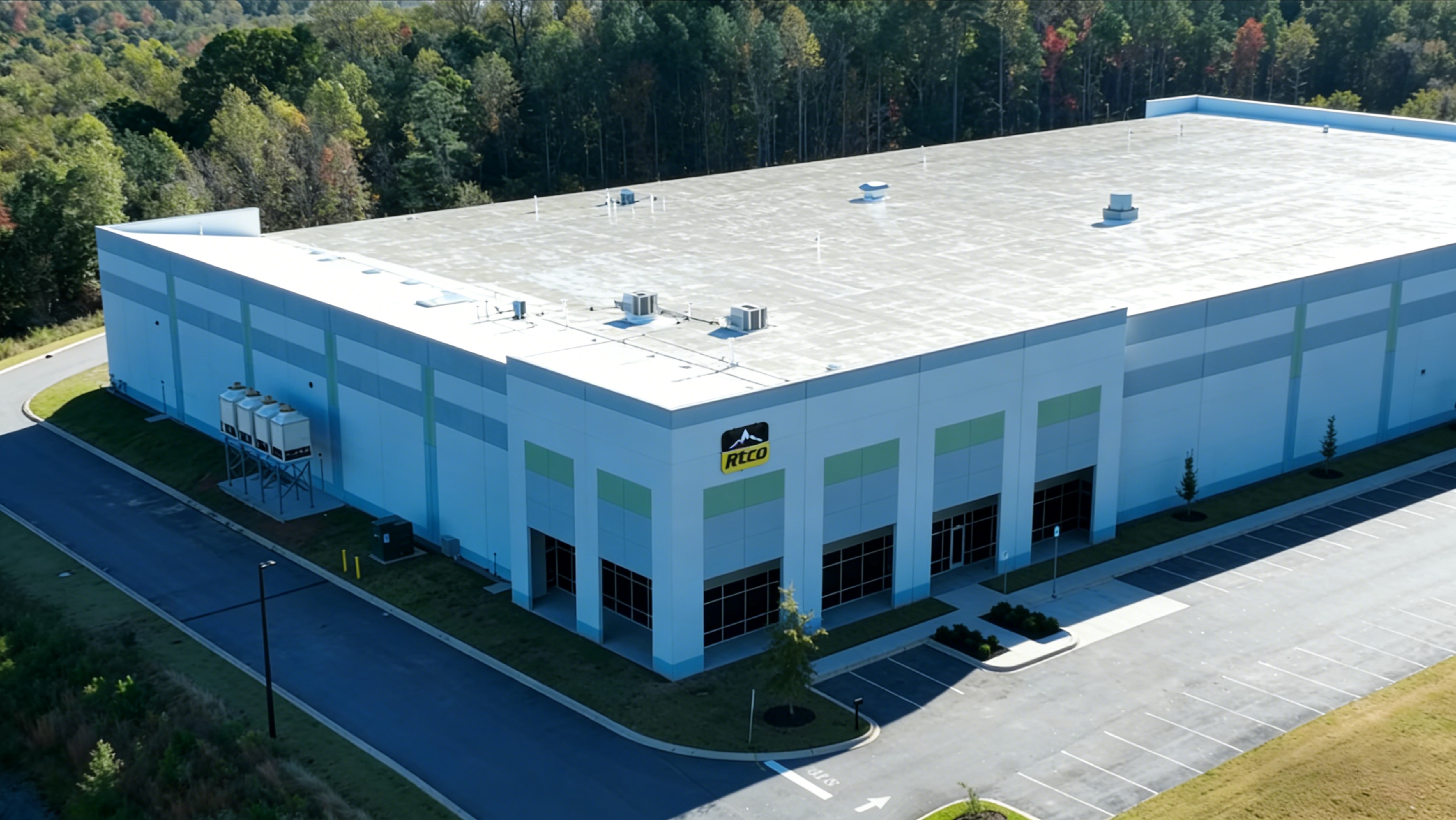
RTCO, a packaging manufacturer serving Health & Beauty, Sports Nutrition, and Supplement brands, has built its operation around this long-term view. With a 68,000 m² factory footprint, a monthly production capacity of 80,000,000 units, and a global supply network that includes a U.S. production facility in Piedmont, South Carolina, RTCO is positioned as a manufacturing partner for brands that need consistent, scalable, and locally supported custom packaging.
The Shift from One-Time Orders to Ongoing Packaging Supply
Custom packaging is often discussed as a project: design a bottle, build a mold, approve samples, place a production order. But for brands that sell consumable products, packaging is a recurring requirement. Once a product is launched, the packaging must be reproduced—ideally with consistent quality, consistent lead times, and no surprises.
This is where the concept of an ongoing custom packaging partnership becomes more relevant than a single transaction. Brands need a supplier that can manage the entire lifecycle: initial development, first production, reorders, quality checks, warehousing, and eventual design refreshes.
RTCO's model integrates design, tooling, manufacturing, finishing, and logistics. This end-to-end structure reduces the number of parties a brand must coordinate. It also shortens overall project lead time by 30%–50% compared to traditional fragmented approaches, according to RTCO's comparative analysis of its integrated workflow versus conventional supplier models.
What a Long-Term Custom Packaging Supplier Should Provide
When a brand evaluates packaging suppliers for an ongoing relationship, the decision criteria differ from those used for a one-time order. The following factors matter most:
Production Capacity That Can Scale with Demand
A supplier's capacity directly affects a brand's ability to grow. If a product gains traction, the packaging supplier must be able to increase output without compromising quality or delivery schedules.
RTCO reports a monthly production capacity of 80,000,000 units. This scale supports supplement and sports nutrition brands that need both initial launch quantities and larger replenishment orders. In-house production of plastic containers (HDPE, PET), scoops, caps & closures, liners, and accessories also reduces the coordination burden that comes with using multiple suppliers for different components.
Consistent Quality Across Repeated Orders
Quality consistency is a common concern in long-term packaging supply. A bottle that looks great in the first batch must look equally good in the tenth batch. Differences in color, wall thickness, finish, or cap fit can damage a brand's shelf presence and consumer trust.
RTCO mitigates this through standardized production control and third-party testing. Its quality process includes material qualification, in-process checks, and finished-product inspection. For buyers, this means quality assurance is not dependent on a single inspector's judgment; it is embedded in the manufacturing workflow.
After-Sales Support That Continues After Delivery
Long-term partnerships are tested after delivery, not before. Packaging issues can emerge during filling, shipping, or consumer use. A supplier that disappears after shipment creates risk for the brand.
RTCO provides factory-direct after-sales support, including technical consultation, quality issue analysis, corrective actions, and continuous assistance. This structure is especially valuable for brands that need fast resolution of issues such as cap torque variations, liner sealing problems, or surface finish defects on reorders.

Technical Depth for Design Evolution
Brands do not always keep the same packaging forever. Product formulations change, new SKUs are introduced, and consumer preferences shift. A long-term packaging partner should be able to support design evolution without requiring the brand to start over with a new supplier.
RTCO's R&D team includes 40 engineers. The company supports a wide range of customization options, including surface finishes like vacuum metallization and soft-touch coatings, custom closures, 3D printing for prototyping, and decorative features such as embossed logos. This technical range allows brands to refresh packaging while retaining the reliability of an established production relationship.
Custom Packaging Capabilities That Support Product Lifecycles
To understand what a long-term partnership actually delivers, it helps to examine RTCO's capabilities in detail.
Broad Product and Size Range
RTCO manufactures plastic containers and accessories across a wide specification range:
- Bottle fill capacity: 60ml to 6000ml
- Bottle body diameter: 40mm to 200mm
- Bottle height: 60mm to 325mm
- Cap diameter: 20mm to 200mm
- Cap height: 10mm to 40mm
- Scoop measuring capacity: 0.3cc to 8oz
This range covers common supplement and sports nutrition formats, including wide-mouth protein powder jars, pre-workout and BCAA bottles, dual-chamber supplement bottles, capsule and tablet bottles, and flip-cap scoop bottles.
Materials and Finishes
RTCO works with food-grade HDPE, PET, and PP. For brands with sustainability goals, recycled (PCR) materials are also available. Surface finish options include vacuum metallization, soft-touch coating, UV coating, silk screening, labeling, and other decorative techniques.
These options matter for long-term brand building. A soft-touch coating can make a sports nutrition bottle feel more premium. A metallized finish can help a supplement brand stand out at retail. Because these finishes are applied in-house, quality control is more direct than when finishing is outsourced.
Compatibility with Filling Lines
One practical concern for supplement brands is whether custom packaging will run smoothly on existing filling equipment. RTCO packaging is designed to be compatible with common filling equipment and production lines, with supporting components such as caps, liners, and scoops available as integrated parts of the system.
For buyers, this reduces the risk of packaging that looks good but fails during high-speed filling.
When a Fragmented Supply Chain Creates Hidden Risk
Many brands begin by sourcing packaging from multiple suppliers: one for bottles, another for caps, another for scoops, and separate vendors for decoration or finishing. This fragmented approach can work for simple projects, but it creates hidden risks in long-term supply:
- Different suppliers may have different quality standards, leading to mismatched color or fit between components.
- Communication delays multiply when issues require coordination across multiple parties.
- If one component supplier faces a disruption, the entire packaging line is delayed.
- Total management workload increases, especially for brands without a dedicated packaging procurement team.
RTCO's integrated model addresses these issues by coordinating design, tooling, manufacturing, finishing, and logistics through a single workflow. According to RTCO's comparison data, this can reduce total end-to-end comprehensive cost by 15%–30% compared to fragmented supply chains.
The Role of U.S. Warehousing and Local Fulfillment
For brands selling primarily in North America, the physical location of inventory is a major factor in ongoing supply reliability. Shipping from overseas on a per-order basis can lead to long replenishment cycles, higher freight costs, and vulnerability to port or customs delays.
RTCO addresses this with a U.S. production facility and warehouses in Georgia (Savannah) and California (Chino). The U.S. presence enables shorter lead times for North American fulfillment and provides a buffer against international shipping disruptions. Brands with steady demand can hold stock in U.S. warehouses and replenish locally, reducing the risk of stockouts.
This structure is particularly relevant for sports nutrition brands with seasonal demand spikes or promotional campaigns. Instead of planning overseas production months ahead, brands can leverage local inventory and respond faster to market changes.
Comparing Long-Term Partnership Models
Not every brand needs the same level of integration. The comparison below outlines how RTCO's integrated model differs from working with traditional plastic packaging suppliers.
| Aspect | Traditional Fragmented Supply | RTCO Integrated Partnership |
|---|---|---|
| Coordination | Brand manages multiple vendors for design, tooling, molding, finishing | Single partner coordinates the full workflow |
| Lead time | Longer due to handoffs between vendors | Overall project lead time shortened by 30%–50% |
| Total cost | Higher coordination and logistics cost | End-to-end cost reduced by 15%–30% |
| Management workload | High, especially for brands without dedicated procurement teams | Lower, with integrated workflow |
| Fulfillment | Typically overseas, longer replenishment cycles | U.S. production and warehouse support faster North American fulfillment |
| Best suited for | Brands with limited customization needs and standard bottles | Brands needing rapid launches, custom design, and regional fulfillment |
One limitation of the integrated model is that it is not necessary for every brand. If a brand only needs a standard stock bottle with no customization and does not require regional warehousing, a traditional supplier may be simpler and more cost-effective at the unit level. RTCO's model provides the most value when a brand needs customization, supply consistency, and operational support across the product lifecycle.
How Brands Should Structure a Long-Term Packaging Relationship
For brands that decide to build a long-term packaging partnership, the following practical steps can help align expectations:
Define the Full Product Roadmap Early
Sharing upcoming SKU plans, size requirements, and estimated volume ranges helps a packaging supplier plan capacity and tooling more effectively. It also allows the supplier to identify potential manufacturing efficiencies across the brand's portfolio.
Agree on Quality and Acceptance Criteria
Long-term consistency depends on clear acceptance standards. RTCO supports sample approvals, pre-shipment inspection, and contractual acceptance criteria. Third-party testing is also available if the brand requires independent verification.
For supplement packaging, this is especially important because compliance requirements—such as child-resistant packaging governed by the Poison Prevention Packaging Act (PPPA) and ASTM D3475 in the U.S.—must be maintained across every production batch.
Plan Inventory Buffer with Regional Warehousing
Brands that rely on just-in-time ordering expose themselves to supply chain disruptions. RTCO's U.S. warehouses in Georgia and California allow brands to maintain inventory closer to their distribution points. This reduces the impact of overseas shipping delays and supports faster replenishment for promotional demand.
Establish a Communication Workflow for Issue Resolution
A long-term partnership should include a clear process for reporting and resolving issues. RTCO's factory-direct after-sales support covers technical consultation, quality issue analysis, corrective actions, and continuous assistance. Brands benefit from having a single point of accountability rather than negotiating with multiple vendors.
Market Trends Favoring Integrated Packaging Supply
The broader packaging market supports the case for investing in long-term, integrated packaging relationships.
The global custom packaging market was valued at approximately USD 48.17 billion in 2025, with North America holding a dominant market share of 40.09%, according to Fortune Business Insights. The global dietary supplement packaging market was valued at USD 12.7 billion in 2024 and is projected to reach USD 23.1 billion by 2034, growing at a CAGR of 6.1%, according to Precedence Research.
Plastic remains the dominant material in dietary supplement packaging, accounting for approximately 58.3% of market share in 2024. This indicates that most supplement brands will continue to rely on plastic packaging for the foreseeable future, making supplier reliability in plastic container manufacturing a core procurement concern.
The U.S. sports nutrition market is also expanding. It was estimated at USD 29.42 billion in 2024 and is expected to grow to USD 55.51 billion by 2033, according to Grand View Research. As more sports nutrition brands enter the market and existing brands expand their product lines, demand for custom supplement packaging solutions with reliable long-term supply is likely to intensify.
In North America, smart packaging—including RFID and QR integration for traceability—held a revenue share of approximately 42% in 2023. This suggests that brands may increasingly look for packaging partners capable of supporting connected packaging features as part of their long-term strategy.
What This Means for Supplement and Sports Nutrition Procurement
For procurement teams in the supplement and sports nutrition industry, the practical implications are clear:
- Evaluate packaging suppliers not only on initial sample quality but on their ability to repeat that quality consistently.
- Consider the cost of coordination and risk when comparing integrated partners against fragmented supplier networks.
- Prioritize suppliers with regional fulfillment options if North American distribution is a major part of the business.
- Include after-sales support and issue-resolution processes as formal evaluation criteria.
- Use MOQ structures and payment terms as a proxy for the supplier's flexibility. RTCO's typical MOQ is 10,000–30,000 pieces depending on the product, with first trial orders below the standard MOQ available upon request.
Choosing a packaging partner is not just a purchasing decision. It is a long-term operational decision that affects product quality, brand perception, supply reliability, and the speed of future product launches.
How RTCO Structures Ongoing Packaging Supply
RTCO's operations are designed to support brands at different stages of growth.
One-Stop Development and Production
RTCO combines industrial design, packaging innovation, and integrated manufacturing. For custom packaging projects, this means brands do not need to coordinate separate design and manufacturing partners. The company works with brands to develop custom supplement packaging, from concept and engineering to tooling and production.
Global Supply with Local Support
RTCO operates a supply chain that integrates manufacturing capabilities across Asia and the United States. Its U.S. production facility in South Carolina is officially operational, complementing warehouses in Georgia and California. This structure supports multi-region supply planning, which is useful for brands with global distribution or those seeking supply resilience.
Flexible Ordering and Delivery
RTCO supports multiple international trade terms including EXW, FOB, CIF, and DDU, with transportation by sea, air, and international express. Payment terms are commonly a 50% T/T deposit and 50% T/T balance before shipment. This flexibility allows brands to choose the fulfillment model that best matches their cash flow and urgency.
Design Continuity for Future Generations
As brands evolve their packaging, features like soft-touch coating, vacuum metallization, embossed logos, and 3D printed prototypes allow RTCO to help brands update their look while retaining the manufacturing reliability of an established partner.
Limitations and Selection Considerations
No single packaging model fits every brand. The integrated partnership approach has clear advantages, but buyers should also consider its boundaries:
- Integrated packaging partners typically excel at plastic containers and related components. Brands needing complex glass, metal, or flexible packaging may still need additional suppliers.
- The value of U.S. warehousing is highest for brands with steady North American demand. Smaller brands with low order frequency may not need local inventory.
- Custom tooling and development require an upfront investment. Brands with very limited capital or extremely short-term needs may find stock bottles more suitable.
- While integrated supply shortens typical lead times, special finishes or complex custom features may still require additional development time.
Understanding these boundaries helps buyers make a better-informed decision rather than assuming one model is universally superior.
Conclusion
The strongest custom packaging relationships are built on reliability, not just technical capability. Brands in the supplement and sports nutrition space need suppliers that can maintain quality across thousands of units, respond quickly when issues arise, and support growth with scalable capacity and regional fulfillment.
RTCO's integrated manufacturing and global supply model addresses these long-term needs. With 80,000,000 units of monthly production capacity, U.S. production and warehousing, a 40-engineer R&D team, and factory-direct after-sales support, RTCO provides a foundation for brands seeking a durable packaging partnership.
For brands evaluating packaging partners in 2026 and beyond, the question should not only be "Can you make my bottle?" but also "Can you keep making it—consistently, cost-effectively, and with the support I need as my brand grows?"
FAQ
What are custom packaging solutions?
Custom packaging solutions are packaging products designed and manufactured to meet a brand's specific requirements for size, shape, material, finish, and functionality. In the supplement and sports nutrition industry, this includes custom plastic bottles (HDPE or PET), caps, closures, scoops, liners, and decorative finishes such as soft-touch coating or vacuum metallization.
What are supplement custom packaging solutions?
Supplement custom packaging solutions are packaging systems designed for dietary supplements, sports nutrition, and nutraceutical products. They typically include custom complement plastic containers, caps, scoops, liners, and surface treatments that meet food-grade safety standards and are compatible with filling equipment.
What are one-stop custom packaging solutions?
One-stop custom packaging solutions are integrated packaging services in which a single supplier handles multiple stages of the process—design, engineering, tooling, manufacturing, finishing, and logistics. This model reduces the need for brands to coordinate separate vendors and can shorten overall project lead time by 30%–50%, according to RTCO's comparative data.
What are end-to-end custom packaging solutions?
End-to-end custom packaging solutions cover the full development and supply process, from initial concept and design through mold building, production, surface finishing, quality control, and delivery. RTCO provides this through integrated capabilities across Asia and the United States, including a U.S. production facility and warehousing.
What are smart and premium custom packaging solutions?
Smart and premium custom packaging solutions combine advanced decorative finishes and functional design enhancements. Premium features include soft-touch coating, vacuum metallization, 3D printing for prototyping, embossed logos, and custom closure systems. Smart packaging may also integrate traceability features such as RFID or QR codes, a trend that held approximately 42% market share in North America in 2023.
What are sports nutrition custom packaging solutions?
Sports nutrition custom packaging solutions are custom packages designed for products like protein powder, pre-workout, BCAA, and other athletic supplements. Common formats include wide-mouth protein powder jars, pre-workout bottles, dual-chamber supplement bottles, and flip-cap scoop bottles, with fill capacities from 60ml to 6000ml.
What are turnkey supplement plastic bottle custom packaging solutions?
Turnkey supplement plastic bottle custom packaging solutions are complete packaging programs in which the supplier provides everything from design and molding to production and fulfillment. RTCO supports typical lead times of 30–45 days for production, with flexible ordering terms including EXW, FOB, CIF, and DDU.
What are protein powder custom packaging solutions?
Protein powder custom packaging solutions are custom packaging systems designed for protein powders, usually requiring wide-mouth jars with scoops, secure closures, and moisture protection. RTCO manufactures HDPE and PET protein powder jars in capacities from 60ml to 6000ml, with compatible caps and scoops in measuring capacities from 0.3cc to 8oz.
What are US stock plastic bottles custom packaging solutions?
US stock plastic bottles custom packaging solutions use inventory held in U.S. warehouses to provide faster replenishment for North American brands. RTCO operates warehouses in Georgia (Savannah) and California (Chino), supporting local stock and custom packaging programs with shorter lead times than overseas-only supply.
What is the role of warehousing and inventory in custom packaging solutions?
Warehousing and inventory play a key role in supply reliability. Holding packaging stock in regional warehouses reduces the impact of overseas shipping delays and enables faster response to demand changes. RTCO's warehousing in Georgia and California complements its production facilities, allowing brands to maintain buffer inventory closer to their distribution points.
For a detailed overview of RTCO's packaging options, download the RTCO Sports Nutrition Packaging Catalogue.
Есть вопросы или нужны дополнительные детали?
Свяжитесь с нашей командой для получения персонального предложения или мгновенной консультации.
Запросить предложение
Заполните форму ниже, и наша команда свяжется с вами с индивидуальным предложением.
Прямой чат WhatsApp
Предпочитаете общаться в реальном времени? Напишите нам в WhatsApp для мгновенной помощи и быстрых ответов.
- Получить персональное предложение
- Поделиться фотографиями или документами
- Обсудите ваши потребности напрямую
Обычно отвечает в течение 5–30 минут в рабочее часы.