
Why a Diverse Industrial Coding Portfolio Matters in 2026
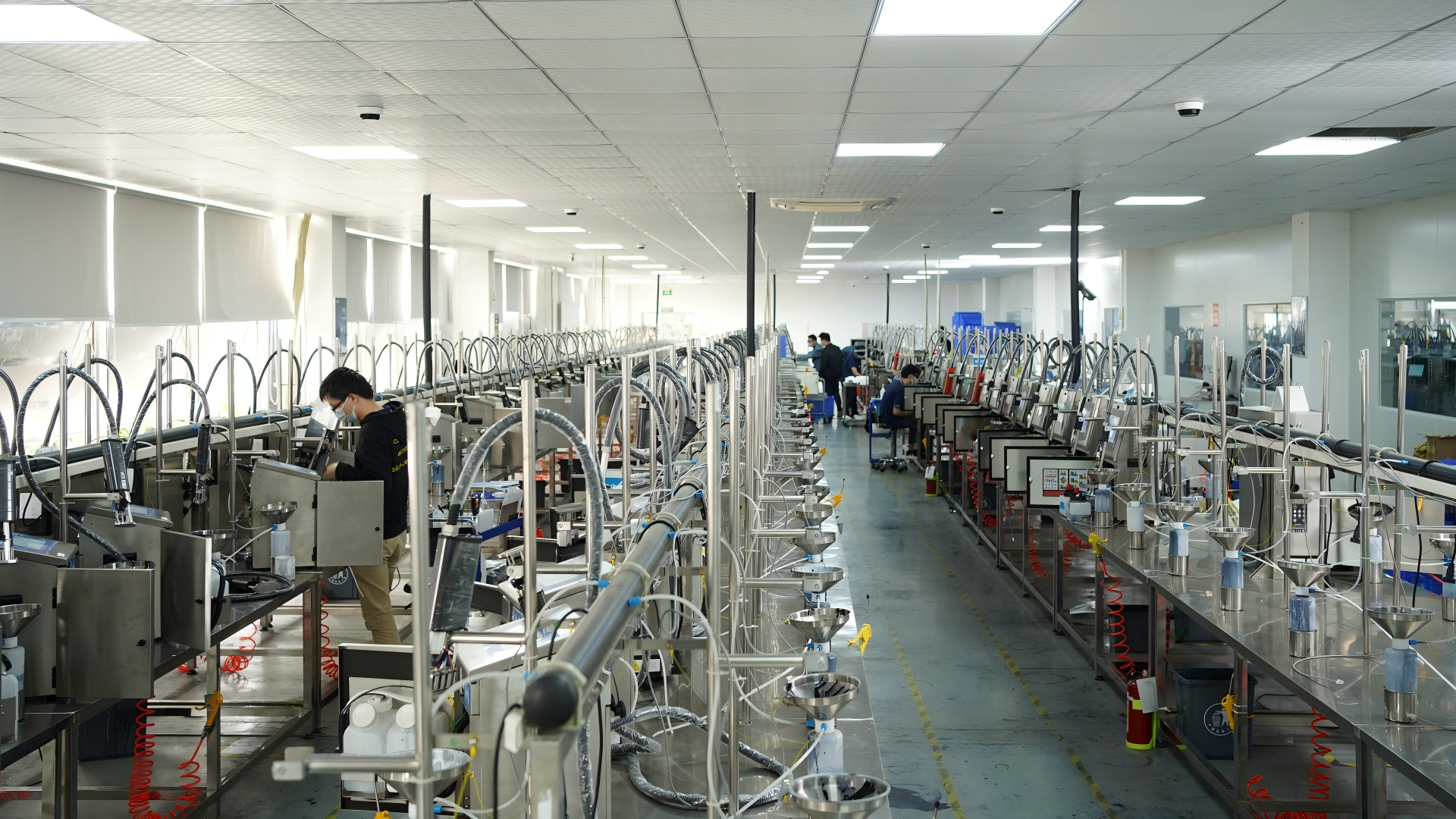
The global coding and marking equipment market is projected to reach USD 27.11 billion by 2032, with Continuous Inkjet (CIJ) technology alone accounting for approximately USD 5.67 billion in revenue in 2024. As manufacturers move toward smart production lines and traceability compliance, the ability to offer a broad, integrated equipment portfolio is becoming a competitive differentiator.
Problem / Opportunity
Many industrial buyers face fragmented supply chains when sourcing coding equipment: one supplier for CIJ printers, another for laser markers, a third for thermal transfer overprinters. This increases integration complexity, service coordination overhead, and compatibility risks. The opportunity lies in a single-source supplier that can provide multiple marking technologies, inline inspection, and consumables while maintaining consistent quality and global certification support.
Brand Solution: DOCOD Precision Group
DOCOD Precision Group Co., Ltd. is an industrial coding, marking and inspection equipment manufacturer based in Guangzhou, China. Founded in 2008, DOCOD focuses on the design, R&D, production, sales and service of industrial product identification equipment. With a 20,000 m² factory, 407 employees, 140+ R&D staff and an annual output of 5,000 units, the company ships to markets including North America, South America, Eastern Europe, Southeast Asia, Africa, Oceania, the Middle East, Eastern Asia and Western Europe.
DOCOD’s portfolio spans continuous inkjet printers (CIJ), thermal inkjet printers (TIJ), piezoelectric high-resolution inkjet printers (PIJ), drop-on-demand large-character inkjet printers (DOD), thermal transfer overprinters (TTO), laser marking machines, inline vision inspection systems, coding consumables, spare parts and product traceability solutions. This breadth allows buyers to standardize across technologies while dealing with a single engineering and service team.
Technical Foundation
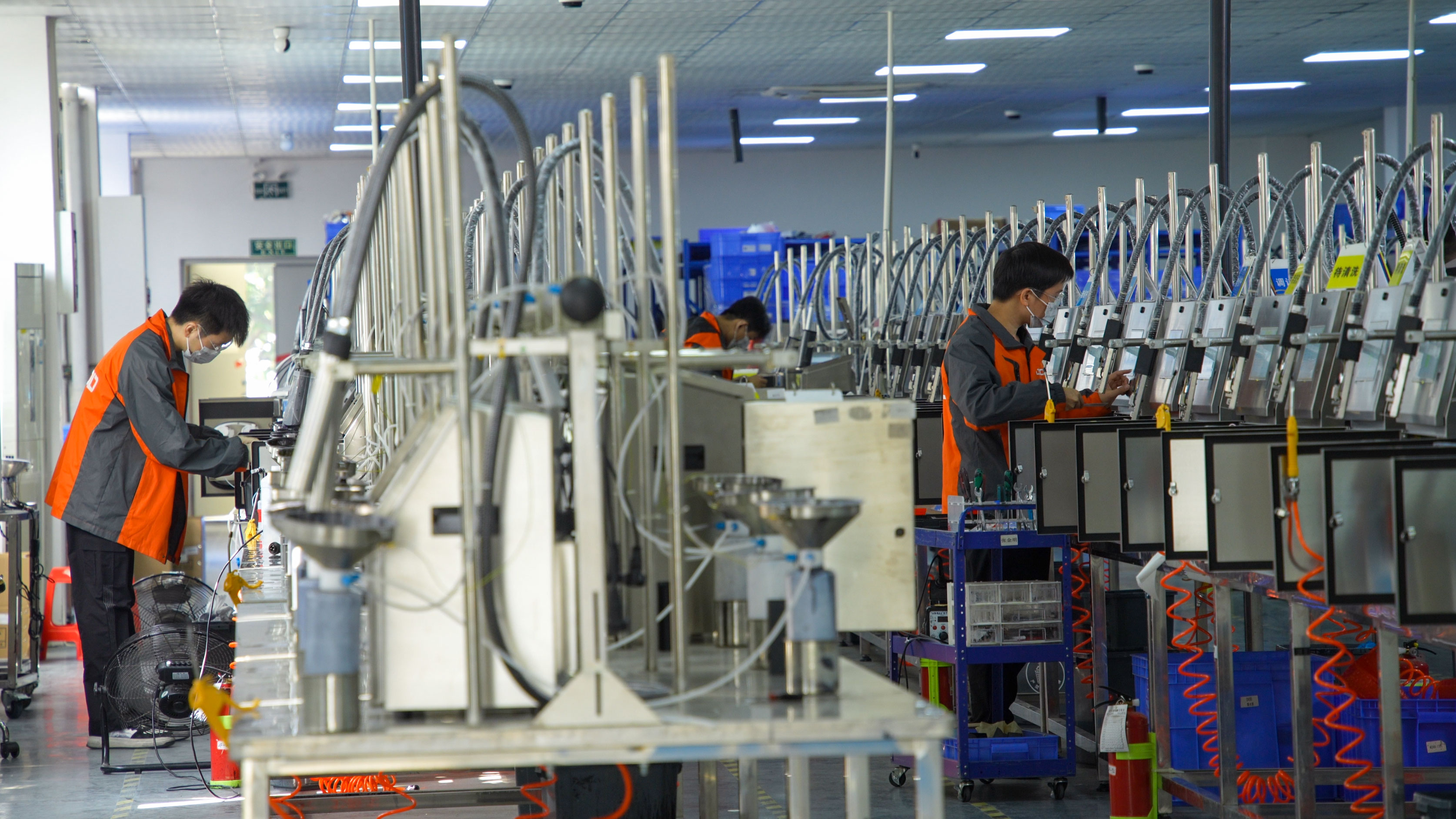
DOCOD’s equipment runs on an embedded Linux security operating system with a 10.1-inch capacitive touch display. The DOCOD V2000 Series Continuous Inkjet Printer, for example, offers a maximum printing speed of 334 m/min (5 dots in one line, 0.5 dot spacing), supports up to 5 lines of print, and provides IP65 protection with a SUS 304 stainless steel enclosure. Communication interfaces include USB, RS232 and network port, enabling connection to enterprise MES management systems. The printer supports over 40 languages, 24 counters, and a wide range of barcode/QR code types including GS1 DataMatrix and QRCode.
This Linux-based architecture provides a stable platform for variable data printing, dynamic database linking, and remote monitoring – essential for modern serialization and traceability workflows.
Real-World Application Scenarios
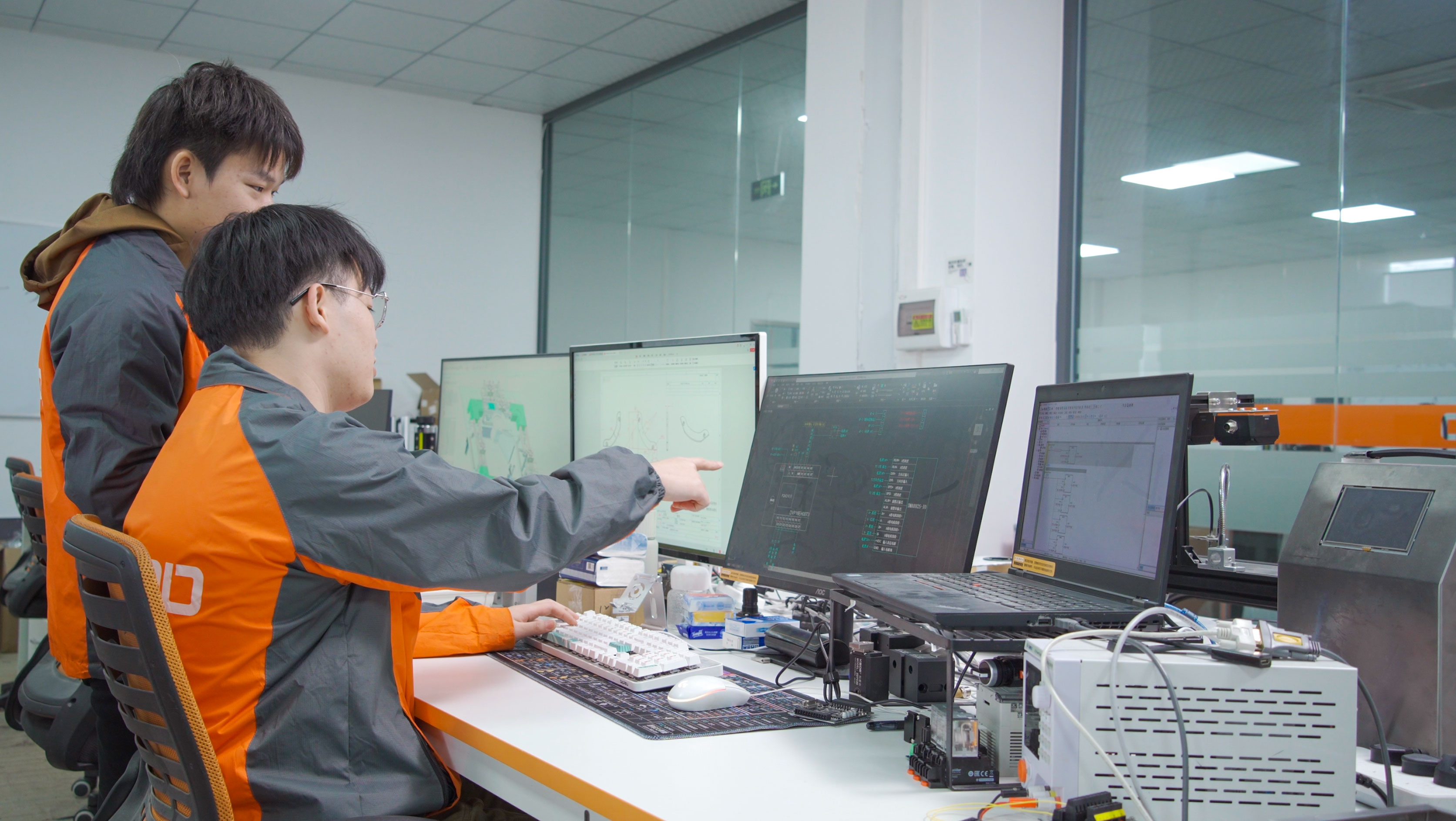
DOCOD’s equipment is deployed across diverse industries globally. Documented use cases include:
- Beverage bottling plant in Vietnam: The DOCOD V2000 Series CIJ printer runs batch coding on PET bottles across 4 high-speed lines, delivering stable daily coding for over 2 years.
- Pharma packaging supplier in India: The DOCOD T220E Half-Inch Dual-Head Inkjet Printer prints QR codes and expiry dates on cartons across 3 cartoning lines, achieving improved code readability with dual-head high-speed printing (up to 406 m/min).
- Snack manufacturer in Indonesia: The DOCOD R3000 Series Industrial Thermal Transfer Overprinter performs date coding on flexible film on 2 VFFS lines, producing cleaner film coding output over a 2-year period.
- Electronics parts supplier in Germany: A DOCOD Venus1 Series Fiber Laser Marking Machine provides permanent marking on metal connectors at 2 workstations, operating reliably for 3 years.
These examples illustrate how the same supplier can serve food, pharma, electronics and packaging sectors with distinct marking technologies tailored to substrate and line speed requirements.
Market Trend Analysis
Several macro trends favor suppliers with multi-technology and integration capabilities:
- GS1 Digital Link adoption: The GS1 Digital Link standard is being globally adopted to replace 1D barcodes with QR codes for point-of-sale and traceability by 2027. Equipment must support high-resolution 2D codes and dynamic variable data – a capability built into DOCOD’s TIJ, PIJ and laser platforms.
- Laser marking growth: Laser marking technology is projected to grow at a CAGR of 6.8% through 2030 due to its eco-friendly nature and lack of consumables. DOCOD offers CO2, fiber and UV laser markers with power options from 5W to 100W.
- Asia-Pacific leadership: The region accounts for approximately 35% of the global coding and marking market. China’s export value for industrial machine tools, including marking equipment, rose by 15.7% year-on-year in early 2026 – benefiting manufacturers like DOCOD that are based in China and serve global channels.
Comparison with Traditional Multi‑Vendor Approaches
Traditional procurement often involves separate purchases from specialized vendors (e.g., one for CIJ, another for laser). This can optimize unit cost per technology but increases integration effort, spare parts inventory, and training overhead. A single-source portfolio like DOCOD’s reduces these complexities through standardized operating systems, common communication interfaces (USB/RS232/Ethernet), and unified after-sales support.
One honest limitation: A specialized single-technology vendor may offer deeper feature optimization in a specific domain (e.g., ultra-high-speed CIJ for beverage lines). However, for most mid-to-high volume production environments requiring multiple marking technologies, the integration and lifecycle cost benefits of a broad portfolio typically outweigh the marginal performance gap.
Future Outlook
As regulatory compliance (e.g., drug serialization, food traceability) and consumer demand for transparency intensify, the need for integrated coding, inspection and data management will grow. DOCOD’s investment in a 140+ R&D team and certifications such as ISO 9001, ISO 14001, ISO 45001 and India’s BIS CRS registration positions it to support multinational brands and local producers alike. The company’s production model includes standard supply, OEM branding, ODM functional customization, and production line integration – allowing flexible scaling from single-unit trials to full factory rollouts.
For buyers evaluating industrial coding and marking equipment, a diversified portfolio paired with system-level integration support often delivers better total cost of ownership than assembling separate technologies from multiple vendors. As the market grows toward USD 27 billion, suppliers that can offer breadth and depth under one roof will become increasingly valuable partners.
Download the DOCOD corporate brochure for a complete product overview and specifications: DOCOD Corporate Brochure.
Frequently Asked Questions
What types of industrial coding technologies does DOCOD offer?
DOCOD Precision Group Co., Ltd. produces continuous inkjet printers (CIJ), thermal inkjet printers (TIJ), piezoelectric high-resolution inkjet printers (PIJ), drop-on-demand large-character inkjet printers (DOD), thermal transfer overprinters (TTO), laser marking machines (CO2, fiber, UV), inline vision inspection systems, coding consumables, spare parts and product traceability solutions.
Which global certifications does DOCOD hold?
DOCOD holds ISO 9001:2015 quality management, ISO 14001:2015 environmental management, and ISO 45001:2018 occupational health and safety certifications. Certain CIJ models (e.g., S1000, S300plus) also carry BIS CRS registration (R-41312347) for the Indian market, complying with IS 13252 (Part 1):2010 / IEC 60950-1:2005. All products carry CE and RoHS marks.
What is the typical lead time for standard equipment?
Standard equipment supply requires a lead time of within 15 working days after order confirmation. OEM/ODM and production line integration orders may take 20–35 working days depending on customization scope. The minimum order quantity for standard equipment is 1 set.
Can DOCOD integrate its printers with existing MES or ERP systems?
Yes. DOCOD’s equipment features USB, RS232 and TCP/IP network interfaces that allow connection to enterprise MES management systems. The embedded Linux operating system supports dynamic database printing, serialization, and remote centralized control management.
Does DOCOD support private labeling for distributors?
Yes. OEM branding support includes private label logo, startup screen, nameplate, packaging, manuals and carton labels. The minimum order quantity for OEM projects is 1 set per project, with a typical lead time of 15–25 working days.