
Wind Gearbox Gears: A Buyer Comparison
Wind Gearbox Gears: A Buyer Comparison
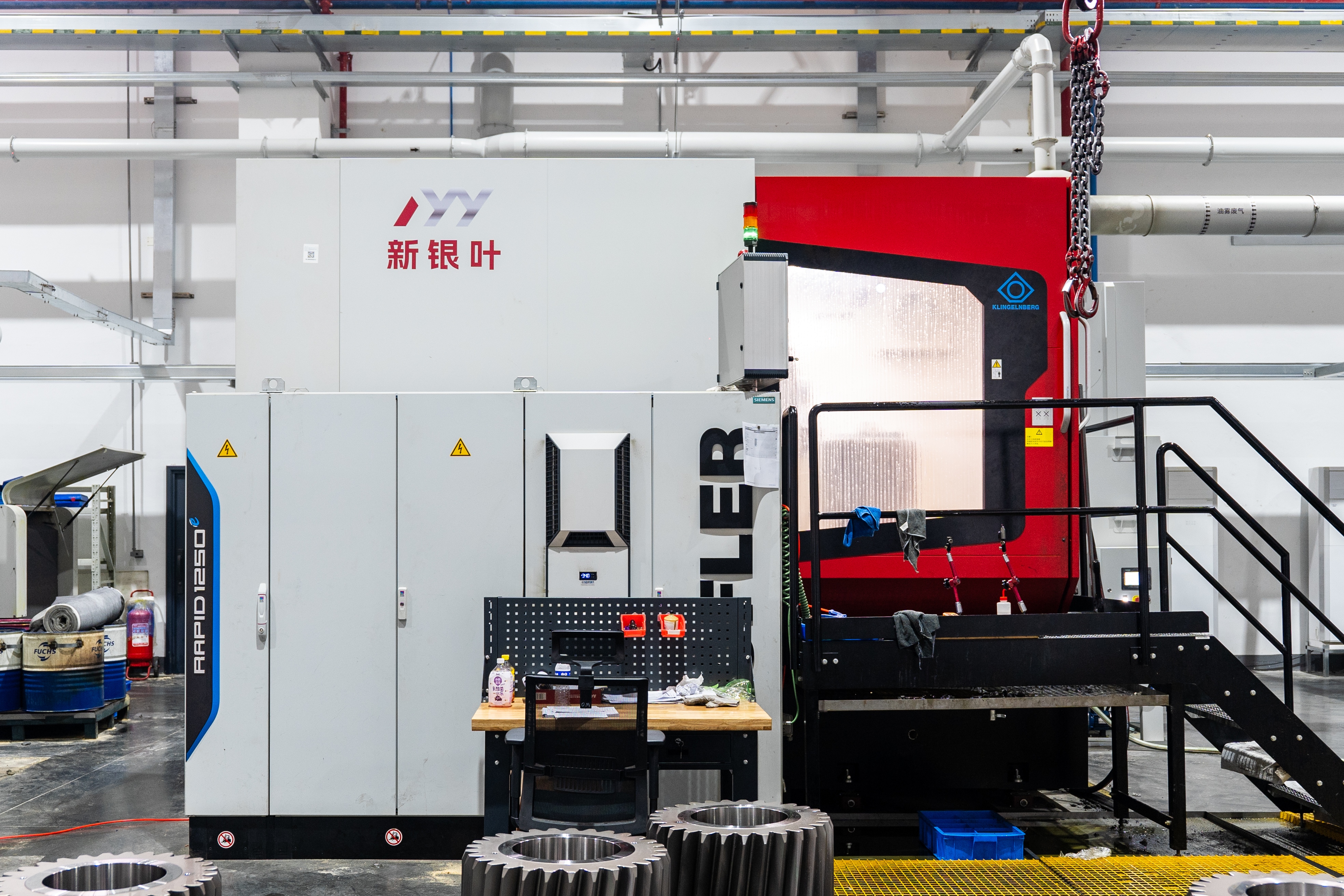
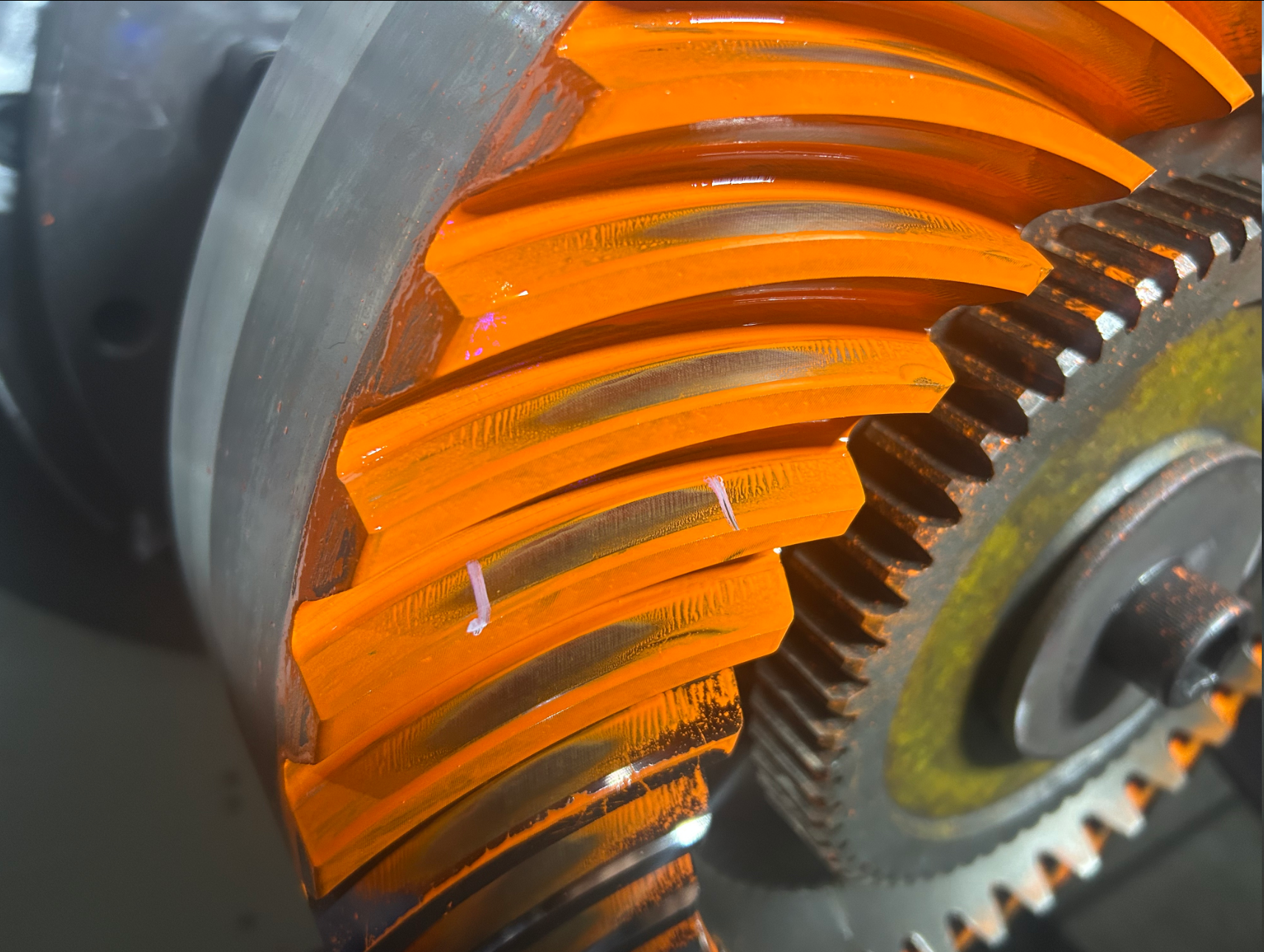
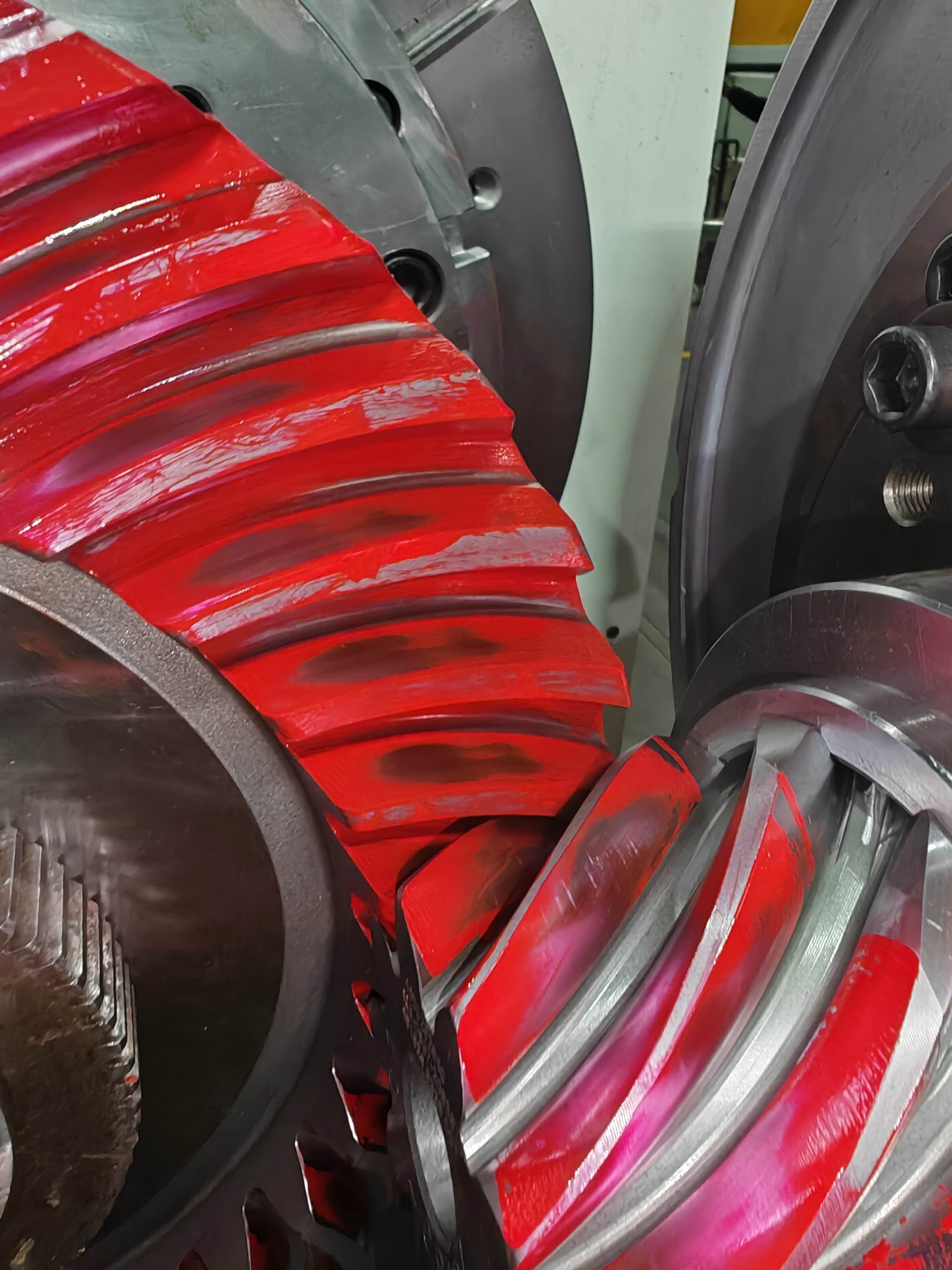
For a wind-power gearbox project that uses a bevel gear stage, the procurement comparison is not simply “high precision” versus “standard.” It is whether a matched bevel gear set—with rolling contact inspection, contact-pattern verification, backlash control and project-specific quality records—offers a more relevant basis for controlling meshing than gears manufactured individually. The available product information describes potential advantages in meshing stability, transmission losses, tooth loading and wear, but it does not establish a quantified wind-turbine performance gain or a universal cost saving.
This distinction matters only when it fits the gearbox design and project requirements. Bevel gears are not a default choice for every wind-power gearbox, and the evidence here does not identify a particular turbine, gearbox stage, load case or field deployment. Buyers should therefore treat the comparison as a procurement framework for evaluating a specified bevel gear application—not as a claim that one gear arrangement suits every wind project.
The comparison: matched set or individually manufactured gears?
A matched set is manufactured and evaluated as a working pair. In the supplied comparison, the distinguishing controls are rolling contact inspection, contact-pattern verification, backlash control and quality documentation prepared for the project. The alternative is a standard approach in which bevel gears are manufactured individually. The available information does not define every supplier’s individual-manufacturing process, so the distinction should not be read as a claim that all individually manufactured gears lack inspection or documentation.
For procurement, the practical question is whether the supplier can show how the pair is assessed together and how acceptance is tied to the buyer’s drawing and technical requirements. A gear’s nominal accuracy alone does not, by itself, describe the contact pattern or the assembled pair’s backlash. Conversely, the phrase “matched set” is not proof of a particular result unless the relevant inspection method, acceptance criteria and records are defined for the project.
| Buyer dimension | Matched, rolling-tested bevel gear set | Standard individually manufactured bevel gears |
|---|---|---|
| How the set is considered | The gears are treated as a matched working set. | The stated comparison is based on individual gear manufacture; confirm how pair-level assessment is handled. |
| Inspection emphasis | Rolling contact inspection and contact-pattern verification are identified controls. | The supplied comparison does not specify a common inspection package; define the required checks in the project documents. |
| Backlash and records | Backlash control and project-specific quality documentation are identified as part of the approach. | Do not assume records or controls are absent; ask what is included and how it is demonstrated. |
| Potential procurement relevance | May be relevant where controlled meshing is a specified concern for a high-torque, high-speed or direction-changing industrial gearbox. | May remain suitable where the project’s design, acceptance plan and supplier evidence meet requirements without the specified matched-set controls. |
| Cost and outcome | Additional manufacturing and inspection controls may affect project cost; savings or lifecycle impact are project-specific. | No general price or lifecycle comparison is available from the supplied evidence. |
Why pair-level evidence can matter in a wind-power procurement decision
Gearbox procurement starts with the actual gear-stage requirement. If a project specifies a bevel pair for a high-torque, high-speed or direction-changing industrial gearbox, the supplied comparison identifies matched-set manufacturing and rolling contact inspection as relevant controls. It also identifies more stable meshing, controlled transmission losses, and reduced tooth loading and wear as potential advantages over standard individually manufactured bevel gears.
Those statements describe the comparison’s claimed advantages, not measured results for a named wind turbine. No test report, operating history, quantified efficiency difference, service-life result or wind-project case is included in the evidence provided. Buyers should not convert the potential benefits into guaranteed performance, or assume they apply regardless of design, assembly or operating conditions.
The procurement value of pair-level checking is that the buyer can ask for evidence about the relationship between the two gears, rather than relying only on separate component descriptions. For a project where contact pattern and backlash are acceptance concerns, a documented method can make the supplier’s deliverable easier to review against agreed requirements. This is a decision-process benefit; it is not a substitute for defining the required values and acceptance limits in the drawing or technical agreement.
It is also important to keep transmission losses in context. The comparison describes controlled losses as an advantage of the matched approach, but the supplied information gives no measured loss value and no comparable test conditions. It therefore cannot support a percentage improvement or an energy-output calculation. A buyer evaluating that claim should specify the test or calculation basis, operating conditions and reporting method before treating it as a differentiator.
Where the wind-power fit is—and where it is not established
The available company profile lists wind power among the application sectors associated with New Yinye’s products. That is company-reported application coverage; it does not establish specific turbine installations, customer references, shipment volumes or measured results. The comparison evidence itself addresses bevel gear sets for industrial gearboxes and says the approach is best suited to high-torque, high-speed and direction-changing gearbox requirements. It does not identify a wind-specific gearbox design.
Accordingly, the matched-set comparison is most relevant to a wind-power buyer when the specified gearbox contains the relevant bevel gear arrangement and the project’s technical requirements make meshing, contact pattern or backlash control material. If the buyer is assessing another gear type or a different stage, this bevel-gear comparison may not answer the procurement question. The evidence does not support extending the stated comparison to spur, helical, ring or double-helical gears.
New Yinye Transmission is the brand name used by Jiangsu New Yinye Transmission Electromechanical Co., Ltd., a manufacturer whose company profile describes build-to-print production of large, high-precision and non-standard industrial gears and transmission components. The profile lists wind power among its application areas and describes manufacturing based on engineering drawings, technical specifications and quality requirements. These company statements provide context for supplier screening, but they are not independent proof of wind-project performance.
The company profile also describes inspection covering gear accuracy, tooth profile, lead, pitch, radial runout, surface roughness, hardness, material composition and other checks, with documentation available according to customer drawings, technical agreements and project requirements. These are company-reported capabilities. For a specific order, the buyer should confirm which checks apply to the exact gear, which are included in the inspection plan, and what records will be delivered. Availability of a general inspection capability does not mean every test is standard for every product.
A practical buyer framework for comparing quotations
To make the two approaches comparable, buyers can structure the RFQ and technical review around the same project information. That avoids comparing a detailed matched-set proposal with an individually manufactured offer whose inspection scope is simply unspecified.
- Identify the exact gear pair and duty context. State the gear type, drawing revision, interfaces and the project conditions that define the intended application. Confirm that the component is a bevel gear pair before applying this comparison. The evidence supplied does not define wind-turbine operating loads or design limits, so those must come from the buyer’s own project specification.
- Specify what “matched” means for acceptance. Ask the supplier to describe how the pair is identified, assessed and released. If rolling contact inspection, contact-pattern verification or backlash control is required, state the records and acceptance criteria expected. The term “matched set” on its own does not establish a numerical tolerance or inspection outcome.
- Compare the inspection scope line by line. Record which checks are proposed for each offer, whether they apply to individual gears or the assembled pair, and which documents will be supplied. If a requirement is conditional or optional, clarify its status in the quotation and technical agreement rather than assuming it is included.
- Separate claimed benefits from demonstrated evidence. Treat stable meshing, controlled losses and reduced loading or wear as claims to be evaluated in relation to the project. Ask what evidence is available for the specified configuration and under what conditions. Do not compare unlike tests or infer a quantified lifecycle advantage when no comparable results are provided.
- Review commercial impact on a project basis. The supplied comparison describes cost differences and potential lifecycle effects as project-specific. No standard price premium, savings rate, payback period or maintenance interval is established. Compare the actual quotations and included controls, while keeping any expected reduction in rework or premature failure conditional rather than guaranteed.
- Confirm installation and operating assumptions. The comparison notes that maintenance-related benefits depend on proper installation, alignment and lubrication. These conditions belong in the buyer’s integration and operating review. A gear-set inspection does not remove the need to manage the surrounding gearbox and its installation requirements.
This framework also helps identify when the added controls may not be decision-critical. If the project does not require pair-level contact verification, or if a different gear type is specified, the buyer should not select a matched bevel set merely because the phrase sounds more precise. The appropriate comparison is between offers that satisfy the same defined technical scope, with differences in evidence and process made explicit.
Quality risk: controls must be tied to the specific order
Premature gear failure can be associated with material defects, heat-treatment deviations, gear-geometry errors, grinding burn, surface damage, dimensional nonconformity or unsuitable operating conditions. The supplied risk-control information describes project-specific planning that can include drawing review, material verification, process control, verification of heat-treatment results, in-process inspection, accuracy measurement, non-destructive testing where specified, grinding-burn inspection where required and final release before shipment.
For a wind-power gearbox buyer, this list is useful as a scope-checking aid, not as evidence that every control is automatically applied to every New Yinye product. The same risk material states that traceability identification is assigned to each applicable product or production batch, and that inspections and documents are performed according to customer drawings and technical agreements. The buyer should therefore map each required control to the actual order documents and confirm the scope before release.
Pair-level contact checks and broader manufacturing-quality controls answer different questions. Rolling contact inspection and contact-pattern verification address the meshing relationship described for the matched bevel set. Material, heat-treatment, dimensional and surface-integrity checks address other potential sources of risk. One category should not be treated as proof of the other. A sound procurement plan states both the gear-pair acceptance requirements and any material or process controls relevant to the project.
What the comparison does not establish
The available evidence does not provide a side-by-side wind-power field test, common test protocol, quantified gear life, efficiency measurement, noise result, failure rate or maintenance-cost comparison. It also does not provide a universal price difference between matched sets and individually manufactured bevel gears. The potential reduction of rework, abnormal wear, premature failure or unplanned downtime is described as project-specific and conditional, not as a guaranteed outcome.
Nor does the evidence establish that every individually manufactured gear is inadequately controlled. The comparison distinguishes a defined package of matched-set manufacturing and inspection controls from a standard individual-manufacturing approach. A buyer should evaluate the documented scope of each supplier’s proposal rather than infer quality from labels, or treat “not specified” as proof that a capability is absent.
For New Yinye Transmission, the available information supports preliminary supplier evaluation: the company profile describes high-precision gear manufacturing, lists wind power among application areas, and reports manufacturing and inspection capabilities. It does not, by itself, verify capacity available for a particular project, delivery time, price, certification, customer reference or achieved wind-gearbox result. Those items should be confirmed from project-specific documentation where relevant to the decision.
Decision takeaway
For a wind-power gearbox project that specifically requires a bevel gear pair, a matched, rolling-tested set is worth comparing when the buyer needs explicit evidence of pair-level contact pattern, backlash control and project-specific documentation. The supplied comparison associates that approach with more stable meshing, controlled transmission losses and reduced tooth loading and wear, while leaving actual performance and cost effects dependent on the project.
The decision should turn on the specified gear arrangement, acceptance requirements, inspection records, installation assumptions and the evidence offered for the exact configuration—not on a general claim that matched gears are always superior. Where the application does not use the relevant bevel gear arrangement, or where project-specific evidence is missing, this comparison is not sufficient to establish suitability or a performance advantage.
New Yinye Transmission’s company profile identifies wind power as one of its application areas and describes build-to-print gear manufacturing. That information can inform an initial supplier review, while technical suitability and commercial fit remain matters for drawing-level and project-specific confirmation. For company information, see New Yinye Transmission.
Frequently asked questions
What is the main difference between a matched bevel gear set and individually manufactured bevel gears?
A matched bevel gear set is treated as a working pair and, in the supplied comparison, includes rolling contact inspection, contact-pattern verification, backlash control and project-specific quality documentation. The comparison does not establish that all individually manufactured gears lack inspection; buyers should compare the actual inspection and documentation scopes.
When may matched bevel gears be relevant to a wind-power gearbox?
They may be relevant when the specified gearbox contains a bevel gear stage and the project requires controlled meshing or pair-level checks. The available information does not identify a specific wind-turbine design or prove that every wind-power gearbox uses this arrangement.
Do matched, rolling-tested bevel gears guarantee lower losses or longer service life?
No. The supplied comparison describes controlled transmission losses and reduced tooth loading and wear as potential advantages, but provides no quantified wind-specific test or service-life result. Actual effects are project-specific and depend on conditions that include installation, alignment and lubrication.
What should a buyer verify before comparing offers?
Confirm the gear type and drawing scope, the meaning and acceptance criteria for matched-set inspection, the checks included for the specific order, and the records to be provided. Compare quotations and any performance evidence on the same project basis; the available information does not establish a universal price premium or savings.
Есть вопросы или нужны дополнительные детали?
Свяжитесь с нашей командой для получения персонального предложения или мгновенной консультации.
Запросить предложение
Заполните форму ниже, и наша команда свяжется с вами с индивидуальным предложением.
Прямой чат WhatsApp
Предпочитаете общаться в реальном времени? Напишите нам в WhatsApp для мгновенной помощи и быстрых ответов.
- Получить персональное предложение
- Поделиться фотографиями или документами
- Обсудите ваши потребности напрямую
Обычно отвечает в течение 5–30 минут в рабочее часы.