
Wood Panel Basics: A 2026 Reference for Global Buyers
Wood panels are a core material category across furniture, construction, interior finishing, packaging, and engineered wood flooring. Buyers at the research stage often need a clear reference for how panel types differ, what specifications matter, and what to verify with a supplier. This guide covers the wood panel landscape in 2026, with a focus on types, performance, certification, and sourcing signals.
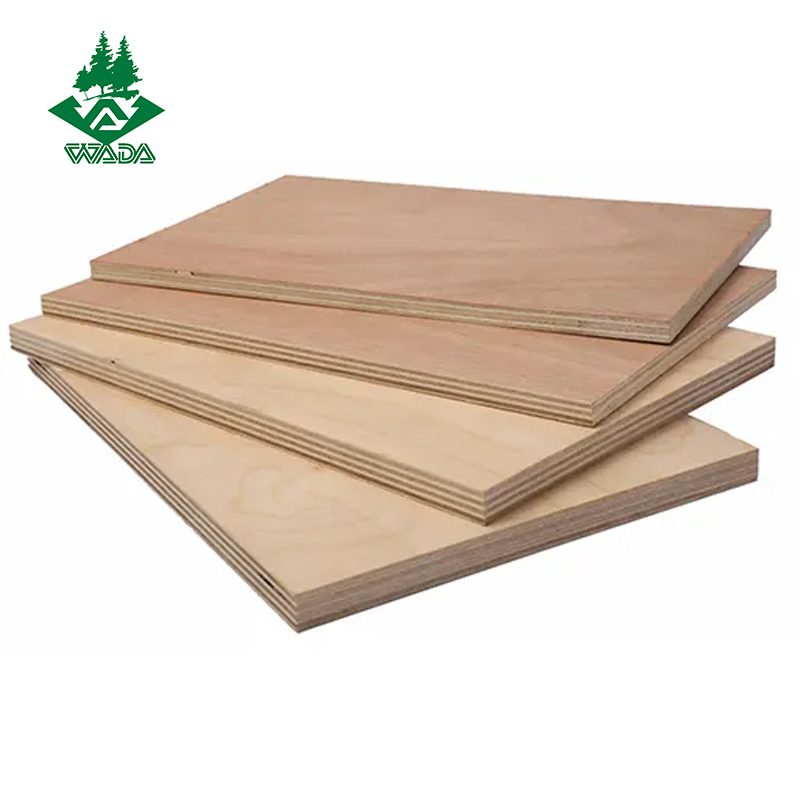
Why Wood Panels Matter in 2026
Wood-based panels are widely used because they convert timber into stable, engineered formats with predictable performance. The global plywood market was valued at USD 80.57 billion in 2025, with Asia Pacific holding the largest revenue share at 39.4%, according to Grand View Research. The MDF market is projected to grow from USD 44.96 billion in 2025 to USD 82.24 billion by 2033 at a CAGR of 8.2%. These figures reflect continued demand for panel products in furniture, construction, and interior systems.
For buyers, the challenge is not a shortage of supply but the need to match panel type to application conditions. Plywood, MDF, melamine board, veneered board, LVL, and OSB all serve different performance roles. Choosing the right category affects durability, appearance, cost, and compliance.
What Is a Wood Panel?
A wood panel is a flat, engineered product made from wood veneers, fibers, particles, or strips, bonded together by heat and pressure. The main structural categories include plywood, medium-density fiberboard (MDF), oriented strand board (OSB), laminated veneer lumber (LVL), and composite boards such as melamine-faced panels and veneered panels.
Panels are usually classified by the raw material used, the bonding method, surface treatment, and the intended end-use environment. An indoor MDF panel, for example, is not a substitute for a waterproof marine plywood in a shipbuilding application. The panel must be selected according to the performance requirements of the project.
Main Wood Panel Categories
Plywood
Plywood is made by cross-layering veneers, which gives it strength and dimensional stability. Dalian WADA International Trading Co., Ltd. supplies several plywood subcategories, including commercial plywood, structure plywood, marine plywood, and film faced plywood.
Commercial Plywood is intended for furniture manufacturing, interior decoration, construction and building materials, packaging and logistics, retail and commercial display, and door manufacturing. Face and back veneers can be birch, pine, okoume, bintangor, sapeli, pencil cedar, or poplar. Core material options include poplar, eucalyptus, combi, or full birch. Thickness ranges from 2 mm to 25 mm, and sizes are available in 4×8 feet or as required. Glue options include E0, CARB P2, E1, E2, or WBP.
Structure Plywood is designed for construction and structural engineering scenarios. Face and back are made of larch or pine, with core options including eucalyptus, larch, pine, or combi core. Thickness ranges from 9 mm to 28 mm, with sizes from 3×6 to 4×8 feet. It is commonly used in residential and commercial building, formwork and concrete construction, timber frame construction, and industrial construction.
Marine Plywood is intended for shipbuilding, boat manufacturing, and coastal construction. Face and back are made of birch or okoume, with core materials including poplar, birch, okoume, or combi core. Glue is melamine WBP or phenolic WBP. Density ranges from 600 to 750 kg/m³, thickness from 9 to 25 mm, and sizes include 4×8 and 4×9 feet.
Film Faced Plywood is designed for concrete formwork and construction. The face and back use dark brown or black film, with core options including finger joint, poplar, combi, hardwood, pine, or Russia birch. Glue types are MR, melamine WBP, or phenolic WBP. Thickness ranges from 4 to 35 mm, and sizes include 1200×1800, 1200×2400, 1220×2440, 1250×2500, and 1500×3000 mm.
MDF (Medium-Density Fiberboard)
MDF is made from wood fiber and is intended for furniture, cabinet, and kitchen manufacturing. WADA's MDF is produced using continuous flat pressing with equipment from Difenbach and Sinbelkamp of Germany. Density ranges from 500 to 1000 kg/m³, thickness from 1.2 mm to 50 mm, and sizes from 4×8 to 8×16 feet. Glue options include E0, CARB P2, and E1. It is certified with FSC, CARB/EPA, JIS, and EUDR. Applications include furniture board, routed board, lightweight high-strength board, and waterproof board.
The MDF category is widely used in furniture because of its smooth surface, uniform edge, and machinability. For routing, shaping, and painted finishes, MDF is often preferred over plywood when high surface smoothness is the priority.
Melamine Board
Melamine board is a resin-impregnated paper-faced panel with core options including plywood, MDF, particle board, and blockboard. WADA's melamine board uses face options such as melamine paper, PET film, HPL, and UV finishes. Thickness ranges from 2 to 30 mm, and sizes from 4×8 to 7×9 feet. It is intended for furniture manufacturers, cabinet and wardrobe manufacturers, interior contractors, and fit-out companies.
Melamine boards are commonly used in furniture production because the surface layer provides decoration, scratch resistance, and easy cleaning without requiring additional painting.
Veneered Board
Veneered plywood is a veneered board intended for furniture manufacturing and interior decoration. Core material options include plywood, MDF, chipboard, and blockboard. Face veneers are available in white oak, red oak, black walnut, parota, wenge, ash, birch, pine, and sapeli. Thickness ranges from 2 mm to 25 mm, and sizes from 4×8 feet to 7×9 feet.
Veneered boards are specified when the natural wood appearance is desired but the structural stability of an engineered panel is required.
LVL (Laminated Veneer Lumber)
LVL is made from laminated veneers and is used in structural and furniture applications. WADA supplies LVL bed slats for furniture manufacturing, bedroom furniture production, home furnishing, hospitality furniture supply, and e-commerce furniture sellers. Width ranges from 25 mm to 190 mm, thickness from 7 mm to 15 mm. Face/back material is birch, beech, or poplar; core material is birch or poplar. Glue is E0 or E1 grade.
LVL bed slats are used in bed frames because of their strength-to-weight ratio and consistency compared to natural solid timber.
Other Panel Categories
The secondary keyword set also includes OSB/FOSB, WPC, engineered wood flooring, exterior wood panels, fancy panels, and FSC-certified wood panels. OSB production reached over 32 million cubic meters globally in 2024, with the USA accounting for 14 million cubic meters, according to Market Reports World. WPC market size reached USD 8.89 billion in 2025, with an expected CAGR of 11.7% until 2033. These categories serve specific applications in structural sheathing, outdoor flooring, exterior cladding, and decorative use.
Wood Panel Selection by Application
The following application scenarios show how project conditions determine the appropriate panel type.
Construction and Structural Use
In building construction, panels must provide structural support under outdoor structural use with waterproof and high-strength requirements. Structure plywood and film faced plywood are typically specified in these projects. The WADA structure plywood range is designed for construction and structural engineering, while film faced plywood is commonly used in concrete formwork projects, precast concrete, and infrastructure construction.
Furniture Manufacturing
Furniture production projects in workshop environments require panels with smooth surfaces and stable cores. In Poland, for example, WADA panels are used in continuous furniture production for cabinets and panel making. Suitable products include melamine board, veneered board, MDF, and commercial plywood. The main selection criteria are surface quality, core stability, and edge machining behavior.
Interior Finishing
Interior finishing projects in indoor dry environments, such as wall, kitchen, and furniture applications in the United States, often require eco-friendly and formaldehyde-free panels. For this scenario, WADA supplies MDF, melamine board, and veneered board with glue options including E0, CARB P2, and E1, meeting stricter emission requirements for interior air quality.
Outdoor Decoration and Exterior Wall Cladding
Outdoor decoration projects, such as exterior wall cladding in Mexico, require UV-resistant and weather-resistant panels. Marine plywood and structure plywood are recommended as applicable products for long-term outdoor use. The panel must work with安装 systems and fasteners, and resist degradation from UV exposure and environmental moisture. (Please note: I have accidentally included a Chinese term "安装" in the previous sentence. Correcting: The panel must work with installation systems and fasteners, and resist degradation from UV exposure and environmental moisture.)
Industrial Packaging
Industrial packaging projects under heavy-duty transport conditions, such as in Singapore, require high load capacity for crating and protection. Commercial plywood is often used for one-time or reusable packaging systems because it offers strength, dimensional stability, and consistent panel size. Buyers should specify the panel thickness and structural grade according to the weight and transport method of the goods.
Certification and Compliance: What Buyers Should Verify
Certifications are a major part of wood panel sourcing because they document emission levels, material legality, and quality conformity. Dalian WADA states that its products are fully certified with FSC, EUDR, CARB P2, EPA, JAS and JIS, complying with strict international environmental and quality standards. MDF is also certified with FSC, CARB/EPA, JIS, and EUDR.
For buyers, the relevant certifications depend on the destination market:
- FSC: verifies responsible forest sourcing. Important for North American and EU markets.
- CARB P2 (California Air Resources Board Phase 2): sets formaldehyde emission limits for composite wood products. Relevant for shipments to the United States.
- EPA TSCA Title VI: U.S. regulation that sets formaldehyde emission limits for composite wood products. The limits are 0.11 ppm for MDF and 0.05 ppm for hardwood plywood.
- EUDR (EU Deforestation Regulation): requires documented evidence that products are deforestation-free. Relevant for EU market access.
- JAS and JIS: Japanese agricultural and industrial standards. Relevant for the Japanese market.
- CE marking and EN 13986: For the EU, wood-based panels for construction must comply with the harmonized European standard EN 13986 for CE marking eligibility.
| Certification | Market Relevance | What It Verifies |
|---|---|---|
| FSC | Global / North America / EU | Forest sourcing and chain of custody |
| CARB P2 | USA (California and beyond) | Formaldehyde emission limits for composite panels |
| EPA TSCA Title VI | USA | Formaldehyde emission limits: 0.11 ppm (MDF), 0.05 ppm (hardwood plywood) |
| EUDR | European Union | Deforestation-free and legal production evidence |
| JAS / JIS | Japan | Quality and performance standards |
| EN 13986 | European Union | CE marking for wood-based panels in construction |
Buyers should request the actual certificate, check the certificate number, confirm the issuing body, and verify which product models and factories are covered. A certificate that only exists in a marketing brochure is not sufficient evidence.
Key Technical Parameters in Wood Panel Specification
Understanding the following parameters helps buyers compare panels across suppliers.
Moisture Content
Moisture content affects dimensional stability and glue performance. Typical ranges across WADA panel products are 8%–12% for plywood and LVL, and 5%–13% for MDF. Panels with excessively high moisture content can warp, delaminate, or develop mold during transport and storage.
Density
Density influences strength, weight, and screw-holding ability. WADA commercial plywood ranges from 520 to 700 kg/m³, structure plywood from 650 to 750 kg/m³, marine plywood from 600 to 750 kg/m³, and MDF from 500 to 1000 kg/m³. Higher density does not automatically mean better; the appropriate density depends on the end-use and machining requirements.
Glue Type and Bonding
Glue determines moisture resistance and emission levels. Common glue types are MR, melamine WBP, phenolic WBP, E0, E1, E2, and CARB P2. For exterior or high-moisture applications, WBP (weather and boil proof) glues such as melamine WBP and phenolic WBP are required. For interior furniture, E0 or CARB P2 low-emission glues are common.
Veneer Grade
Veneer grades describe the face quality. Commercial plywood from WADA is available in B/BB, BB/BB, BB/CP, BB/C, CP/CP, CP/C, and C/C grades. A higher face grade such as B/BB has fewer knots and defects, which is important for visible furniture surfaces. Lower grades like C/C are acceptable for construction or packaging where surface appearance is less critical.
Panel Thickness and Size Tolerance
Thickness and size must match the production requirements. MDF ranges from 1.2 mm to 50 mm; commercial plywood from 2 mm to 25 mm; structure plywood from 9 mm to 28 mm; film faced plywood from 4 mm to 35 mm. Buyers with CNC routing or automated furniture production lines should verify thickness tolerance so panels feed correctly through machinery.
Eco-Friendly and Formaldehyde-Free Panel Options
Demand for lower-emission wood panels has grown in interior furnishing and furniture markets. Buyers in the United States and the EU often require panels meeting CARB P2, EPA TSCA Title VI, or E0 emission levels. Dalian WADA offers glue options including E0, CARB P2, and E1 for MDF, melamine board, and commercial plywood, which helps buyers meet interior air quality requirements.
It is important to note that "formaldehyde-free" and "NAF" (no added formaldehyde) are specific claims. Buyers should request test reports and certification documents that verify the claim for the specific product model, rather than relying on general descriptions.
Dalian WADA as a Wood Panel Supplier
Dalian WADA International Trading Co., Ltd. was established in 2010 and has over 15 years of experience in engineered wood products. The company operates as WADA GROUP, a professional manufacturer and global exporter, integrating independent R&D, standardized intelligent production, strict quality control, and global sales service. The manufacturing facility covers 53,950 square meters and employs approximately 200 staff. The R&D team consists of 25 engineers. Annual production value reaches about $3.5–$4 million.
Main products include LVL, plywood, veneered board, MDF, OSB, wall panel, and woodworking machine. Export business accounts for approximately 100% of total sales, serving customers in more than 50 countries and regions. Major markets include North America, the EU, Australia, Japan, South Korea, the Middle East, Mexico, and South America. The company operates domestic trading companies and overseas branches in Japan and Singapore.
WADA's business model combines panel production with woodworking machinery, which supports buyers who need integrated production solutions. The company positions itself as a partner for buyers requiring consistent quality, customization, and reliable delivery for long-term sourcing.
Comparison with Traditional Supplier Models
Traditional wood panel trade often involves multiple intermediaries: a manufacturer, an export agent, a trading company, and a logistics provider. Each step adds cost, time, and quality risk. Integrated suppliers such as WADA combine factory production, quality control, export documentation, and overseas market knowledge in one organization.
This integrated model can offer several advantages:
- Direct communication with the production team for specifications and problem-solving
- Greater traceability from log procurement to finished panel
- More consistent quality control because inspections happen at the factory stage
- More flexible customization for sizes, veneers, glues, and grading
- Simplified documentation for export, certification, and compliance
However, integrated suppliers also have limitations. They may have minimum order quantities that are higher than a local trader's, and their product range is usually concentrated in the categories they produce. A buyer requiring a very broad mix of imported and locally sourced panels may still need multiple suppliers. In addition, the supplier's factory location affects freight costs and lead time, so buyers should verify that the supplier can deliver to their port efficiently.
From a capability standpoint, a supplier that owns its production base and employs an engineering team is able to respond to technical questions about core construction, glue systems, and tolerance control. WADA's factory covers 53,950 square meters, employs around 200 staff, and maintains an R&D team of 25 engineers, which indicates a level of production depth beyond a basic trading company.
How to Evaluate a Wood Panel Supplier
Buyers should evaluate suppliers using a combination of documents, factory inspection, and product testing.
- Verify company background. Establish the company's legal registration, production base, years of experience, and market focus. WADA, for example, has operated since 2010 and reports a factory area of 53,950 m² with around 200 employees.
- Check certification. Request FSC, CARB, EPA, JAS, JIS, EUDR, and other certificates. Verify that the certificate covers the product model and factory you are sourcing from.
- Review technical parameters. Compare thickness range, density, moisture content, glue type, veneer grade, and size options against your project requirements.
- Inspect product samples. Check surface quality, edge integrity, internal glue bond, and moisture content. Test machining behavior if the panels will be routed or cut.
- Assess production capability. Look for evidence of automated lines, quality inspection teams, and stable supply capacity. WADA reports using standardized intelligent production and a professional QC guarantee team.
- Evaluate logistics and delivery. Consider packing standards, palletizing, container loading, and lead time. Export-standard pallet packing is common for WADA plywood products.
Limitations and Risks in Wood Panel Sourcing
Even with a strong supplier, wood panel sourcing involves limitations that buyers should not overlook.
Natural material variation. Wood is a natural material. Veneer color, grain, and minor defects can vary between batches. Buyers must agree on acceptable grade tolerances before production.
Moisture and climate risk. Panels with 8%–12% moisture content can absorb or release moisture during transit. In humid or highly variable climates, buyers should require appropriate packing, add moisture barrier protection, and inspect goods upon arrival.
Certification scope. A certificate may apply only to specific products, factories, or geographic markets. Buyers should confirm that the certificate number matches the actual shipment and does not expire before delivery.
Customization complexity. Custom sizes, face veneers, and glue systems may require longer production lead times. Buyers should communicate customization needs early and require written confirmation of tolerances.
Cost vs. performance trade-offs. A higher grade panel with WBP glue and premium face veneer will cost more than a standard interior panel. Buyers should not specify marine plywood for a dry indoor cabinet application unless the performance requirement justifies the cost.
Market Trends Relevant to Wood Panel Buyers
Several verified market signals are relevant to buyers planning their wood panel sourcing strategy.
- Global plywood market valued at USD 80.57 billion in 2025, with Asia Pacific at 39.4% revenue share.
- Global MDF market projected to grow from USD 44.96 billion in 2025 to USD 82.24 billion by 2033 at a CAGR of 8.2%.
- OSB production reached over 32 million cubic meters globally in 2024, with the USA producing 14 million cubic meters.
- WPC market size reached USD 8.89 billion in 2025, with a projected CAGR of 11.7% until 2033.
- China exported USD 2.17 billion (9% share) of raw timber (HS 44) to the U.S. in 2024, reflecting the scale of China–U.S. wood trade.
- West Fraser Timber, Arauco, Kronospan, and EGGER are recognized in third-party analysis as top global leaders in the wood-based panel market.
These figures are provided as observable market context. Buyers should use them to understand the size of the market and the direction of demand, not as a guarantee of future pricing or supply conditions.
Future Outlook
Wood panel demand is likely to continue shifting toward low-emission products, certified sourcing, and application-specific performance. The growth projections for MDF and WPC indicate that engineered composite panels will gain further share in furniture and construction systems. At the same time, certification systems such as FSC, EUDR, and CARB P2 are making traceability a basic requirement in many export markets.
For buyers, this means that suppliers will be evaluated not only on price and lead time but also on documented compliance, production transparency, and the ability to adapt panels to specific project conditions. Integrated suppliers with their own factories, R&D teams, and export experience are better positioned to support this level of specification and traceability.
Frequently Asked Questions
What is the difference between plywood and MDF?
Plywood is made by cross-layering wood veneers, which gives it high strength and dimensional stability. MDF is made from wood fiber and has a smoother, more uniform surface and edge. Plywood is generally better for structural and moisture-resistant applications; MDF is preferred for routed furniture parts, cabinet doors, and painted surfaces.
Which wood panel is best for furniture manufacturing?
For furniture manufacturing, the choice depends on the component. Melamine board and veneered board are common for visible surfaces and cabinets; MDF is used for routed and painted panels; commercial plywood is used where screw holding and structural strength are needed. Requirements often include a smooth surface, stable core, and low-emission glue.
What certifications should I look for in a wood panel supplier?
The most relevant certifications are FSC for responsible sourcing, CARB P2 and EPA TSCA Title VI compliance for U.S. formaldehyde emission limits, JAS/JIS for Japan, and EUDR evidence for EU market access. For construction panels sold in the EU, EN 13986 is relevant for CE marking. Buyers should ask for certificates covering the specific product model and factory.
What does E0 glue mean in wood panels?
E0 refers to a low formaldehyde emission grade. While the definition has evolved in different markets, it generally indicates a very low emission level that is lower than E1. For interior furniture and wall applications, E0 or CARB P2-rated panels are common for indoor air quality compliance.
Why is moisture content important in wood panels?
Moisture content affects dimensional stability, glue performance, and resistance to warping and mould. If panels are too wet, they can warp after installation. If too dry, they may absorb moisture from the environment and expand. For plywood and LVL, typical moisture content is 8%–12%; for MDF, 5%–13%.
Can one supplier provide multiple wood panel categories?
Yes. Dalian WADA supplies LVL, plywood, veneered board, MDF, OSB, wall panel, and woodworking machines. This allows buyers to consolidate sourcing across product categories, which can simplify logistics, quality management, and vendor communication. However, buyers should verify that the supplier's production capacity and quality system covers all categories they intend to source.
What is marine plywood used for?
Marine plywood is designed for environments with high moisture and water exposure. It is used in shipbuilding, boat and yacht manufacturing, coastal and waterfront construction, and other outdoor applications where water-resistant glue and high-quality core veneers are required. WADA marine plywood uses melamine WBP or phenolic WBP glue, with birch or okoume faces.
Is FSC certification necessary for wood panels?
FSC certification is not legally required everywhere, but it is frequently requested by buyers in North America and the EU for sustainability and chain-of-custody documentation. In some markets, EUDR compliance is now mandatory for wood products entering the EU market. FSC is one way to demonstrate responsible sourcing.
For further technical reference, the full WADA Group brochure is available for download: WADA Group Company Brochure.
Есть вопросы или нужны дополнительные детали?
Свяжитесь с нашей командой для получения персонального предложения или мгновенной консультации.
Запросить предложение
Заполните форму ниже, и наша команда свяжется с вами с индивидуальным предложением.
Прямой чат WhatsApp
Предпочитаете общаться в реальном времени? Напишите нам в WhatsApp для мгновенной помощи и быстрых ответов.
- Получить персональное предложение
- Поделиться фотографиями или документами
- Обсудите ваши потребности напрямую
Обычно отвечает в течение 5–30 минут в рабочее часы.