
Wood Panel Sourcing in 2026: Types, Applications & Verified Suppliers
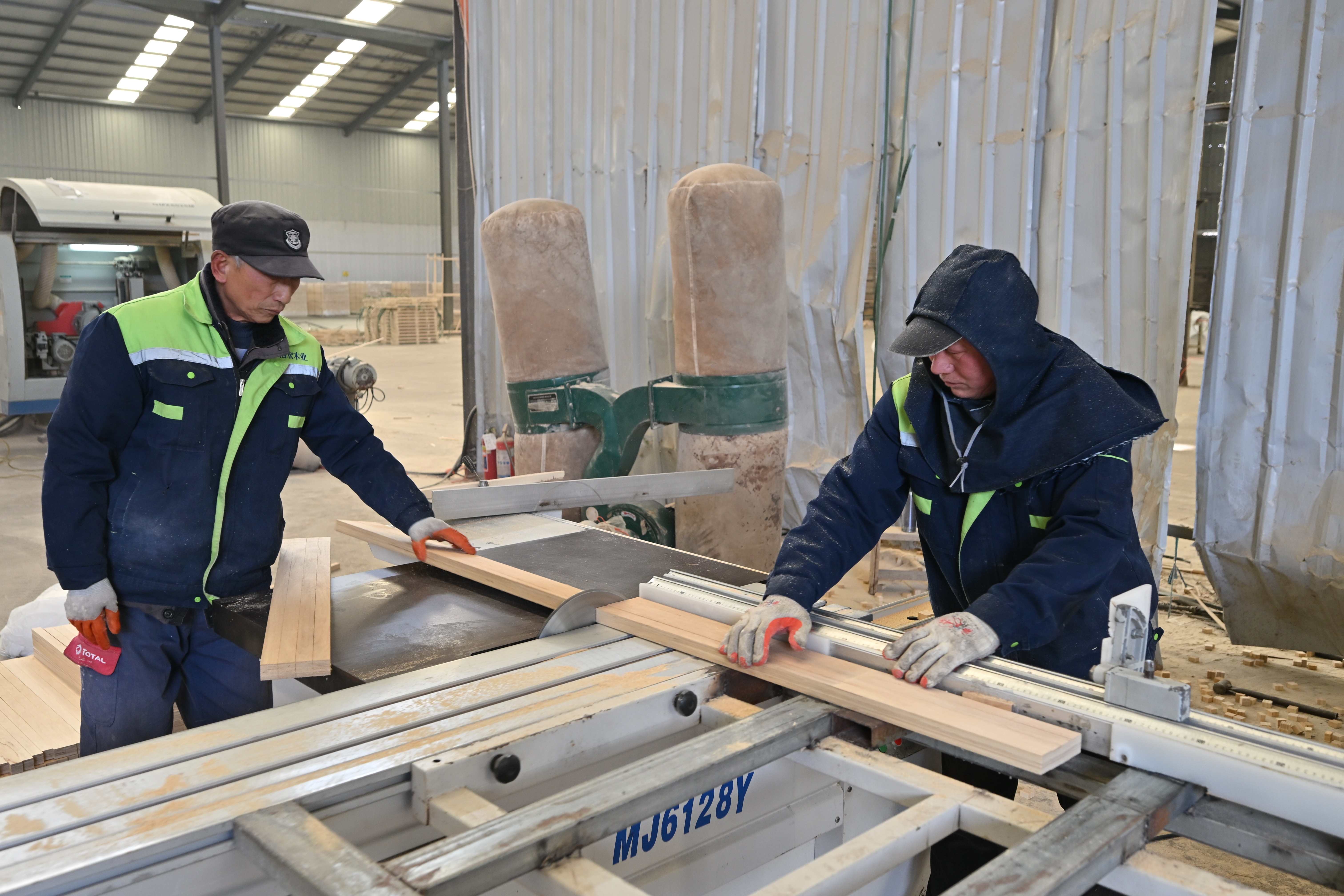
The global market for engineered wood panels is expanding under the pressure of construction growth, furniture demand, and stricter environmental regulations. For international buyers, understanding product categories, application scenarios, and supply chain reliability has become as critical as price comparison. This article provides a fact-based overview of the wood panel landscape in 2026, with a focus on product types, real-world use cases, and the role of established suppliers such as Dalian WADA International Trading Co., Ltd. – a professional manufacturer and global exporter based in Dalian, China, founded in 2010 with over 15 years of experience in engineered wood products.
Problem and Opportunity in the Wood Panel Market
Buyers across industries – from furniture manufacturing to construction and packaging – face a fragmented supply base where product quality, certification compliance, and delivery reliability vary widely. The global plywood market was valued at USD 80.57 billion in 2025, with the Asia Pacific region holding the largest revenue share of 39.4% (Grand View Research). Meanwhile, the MDF market is projected to grow from USD 44.96 billion in 2025 to USD 82.24 billion by 2033 at a CAGR of 8.2%. This growth creates both opportunity and complexity: selecting the right panel type for a specific environment can reduce waste, improve durability, and meet regional compliance demands such as the US EPA TSCA Title VI emission limits (0.05 ppm for hardwood plywood, 0.11 ppm for MDF).
Dalian WADA’s Product Portfolio: A Fact-Based Solution
Dalian WADA International Trading Co., Ltd. offers a comprehensive range of wood-based panels suitable for construction, decoration, furniture, and industrial use. The company’s main products include LVL, Plywood, Veneered Board, MDF, OSB, Wall Panel, and Woodworking Machine. With a factory area of 53,950 m² and about 200 employees, the company achieves an annual production value of approximately $3.5–$4 million. Export business accounts for 100% of total sales, serving customers in more than 50 countries across North America, the EU, Australia, Japan, South Korea, the Middle East, Mexico, and South America. The R&D team consists of 25 engineers, ensuring continuous product development and customization capabilities.
Technical Breakdown of Key Wood Panel Types
Below is a factual summary of the most relevant product models, based on Dalian WADA’s published specifications:
| Product | Thickness | Face / Core | Key Certifications | Primary Use |
|---|---|---|---|---|
| MDF | 1.2 – 50 mm | Wood fiber | FSC, CARP/EPA, JIS, EUDR | Furniture, routed parts |
| Structure Plywood | 9 – 28 mm | Larch / Pine face; Eucalyptus / Combi core | – | Construction, roofing, formwork |
| Marine Plywood | 9 – 25 mm | Birch / Okoume face; Poplar / Birch core | – | Shipbuilding, coastal structures |
| Commercial Plywood | 2 – 25 mm | Birch, Pine, Okoume etc. face; Poplar / Eucalyptus core | E0, CARB P2, WBP | Furniture, interior, packaging |
| Film Faced Plywood | 4 – 35 mm | Brown / Black film; Fingerjoint / Hardwood core | – | Concrete formwork (2–40 reuses) |
| LVL Bed Slat | 7 – 15 mm | Birch / Beech / Poplar face; Birch / Poplar core | E0 / E1 | Bedroom furniture, hospitality |
| Melamine Board | 2 – 30 mm | Melamine paper / PET film; Plywood / MDF / PB core | E0, CARB P2 | Cabinet, wardrobe, interior |
| Veneered Plywood | 2 – 25 mm | White Oak, Walnut, Ash etc.; Plywood / MDF core | E0, CARB P2 | High-end furniture, decoration |
Application Scenarios Across Key Markets
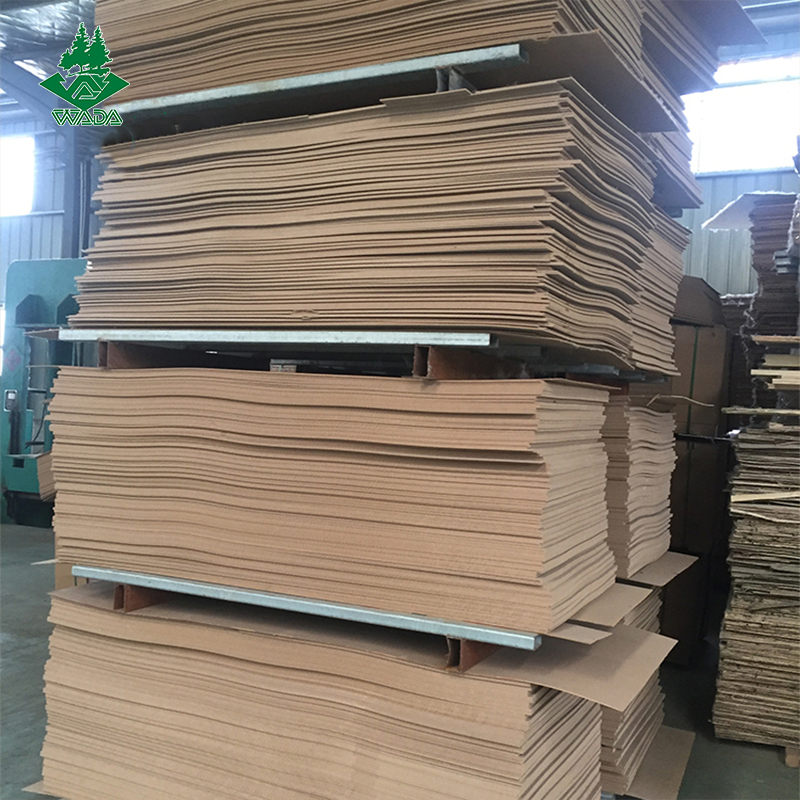
Dalian WADA’s panels are designed for specific working conditions, as illustrated by five real-world use cases from the company’s project records:
- United States – Interior Decoration: Melamine boards and veneered plywood are used for wall cladding, kitchen cabinets, and furniture in indoor dry environments. Special requirements include eco-friendly and formaldehyde-free materials (E0 / CARB P2).
- Australia – Building Construction: Structure plywood and film faced plywood provide structural support and waterproof capability for outdoor applications. The panels must meet high strength and waterproof standards.
- Mexico – Exterior Wall Cladding: Marine plywood and structure plywood are installed as UV-resistant, weather-resistant cladding for long-term outdoor exposure.
- Poland – Furniture Manufacturing: Melamine boards, MDF, and veneered plywood are used for cabinet and panel production in continuous workshop lines requiring smooth surfaces and stable core layers.
- Singapore – Industrial Packaging: Commercial plywood is used for heavy-duty crating under high load capacity, supporting one-time or reusable packaging operations.
Market Trend Analysis
Three major trends shape today’s wood panel procurement:
- Regulatory tightening on formaldehyde emissions: The US EPA TSCA Title VI limits (0.11 ppm for MDF, 0.05 ppm for hardwood plywood) and the EU’s EN 13986 standard for CE marking push buyers to demand certified low-emission panels. Dalian WADA’s products are offered with E0, CARB P2, FSC, JIS, and EUDR certifications.
- Growth in engineered wood alternatives: The global MDF market is projected to reach USD 82.24 billion by 2033 (CAGR 8.2%), while the Wood Plastic Composites market is expected to grow at 11.7% CAGR to USD 8.89 billion. Buyers increasingly specify panels with consistent density and moisture resistance over solid wood.
- Supply chain localization through overseas branches: Dalian WADA operates branches in Japan and Singapore, enabling faster response and compliance with local quality standards such as JIS (Japan) and EUDR (European Union Deforestation Regulation).
Comparison with Traditional Solutions
Compared to solid wood, engineered wood panels such as MDF and plywood offer better dimensional stability, lower cost, and uniform mechanical properties. For example, MDF produced with German continuous flat-pressing equipment (Difenbach & Sinbelkamp) achieves density ranges of 500–1000 kg/m³ with tight moisture control (5%–13%). However, an honest limitation is that engineered panels cannot always match the aesthetic grain and impact resistance of high-grade solid lumber in certain structural applications (e.g., load-bearing beams). For most non-structural and semi-structural uses – cabinetry, wall panels, bed slats – engineered panels provide a superior cost-performance ratio.
Future Outlook
The wood panel industry is moving toward higher customization, digital production traceability, and deeper integration of sustainability certifications. Suppliers who maintain independent R&D (like Dalian WADA with 25 engineers) and multi-country certifications will be better positioned to serve global buyers. The company’s 100% export orientation and factory capacity of 53,950 m² suggest scalability for growing demand. Buyers should prioritize suppliers with documented compliance, clear product specifications, and proven multi-market experience.
Frequently Asked Questions
- What is the difference between MDF and plywood?
- MDF (Medium-Density Fiberboard) is made from wood fibers bonded with resin, offering a smooth surface ideal for routed or painted finishes. Plywood consists of thin veneer layers cross-laminated, providing higher screw-holding strength and moisture resistance. MDF is typically used for indoor furniture, while plywood suits structural and semi-outdoor applications.
- Can I order FSC certified panels from Dalian WADA?
- Yes. Dalian WADA’s MDF is certified with FSC, as well as CARP/EPA, JIS, and EUDR. Other products can be produced with FSC-certified raw materials upon request, subject to minimum order quantities and lead time.
- What glue options are available for commercial plywood?
- Commercial plywood from Dalian WADA can be produced with E0, CARB P2, E1, E2, or WBP glue, allowing compliance with different regional emission standards from China, the US, and Europe.
- How long does film faced plywood last in concrete formwork?
- Depending on core type and film quality, film faced plywood can be reused 2 to 40 times in concrete projects. The exact reuse count depends on the care and handling on site. Core options include Fingerjoint, Poplar, Combi, Hardwood, Pine, and Russia Birch.
- Does Dalian WADA supply panels for the shipbuilding industry?
- Yes. Marine plywood (model Marine Plyood) is specifically designed for shipbuilding, boat manufacturing, and coastal construction. It uses Melamine WBP or Phenolic WBP glue and is available in 4×8 and 4×9 feet sizes, 9–25 mm thickness.
Dalian WADA International Trading Co., Ltd.
Email: wada@wadatrade.com | Phone: +86 131-3003-0584
Website: www.wadaplywood.com
Download company brochure: WADA Group Profile (PDF)
Есть вопросы или нужны дополнительные детали?
Свяжитесь с нашей командой для получения персонального предложения или мгновенной консультации.
Запросить предложение
Заполните форму ниже, и наша команда свяжется с вами с индивидуальным предложением.
Прямой чат WhatsApp
Предпочитаете общаться в реальном времени? Напишите нам в WhatsApp для мгновенной помощи и быстрых ответов.
- Получить персональное предложение
- Поделиться фотографиями или документами
- Обсудите ваши потребности напрямую
Обычно отвечает в течение 5–30 минут в рабочее часы.