
XINFA High-Water Polyester Polyol Grades: XF-2003 to XF-300W
XINFA High-Water Polyester Polyol Grades: XF-2003 to XF-300W
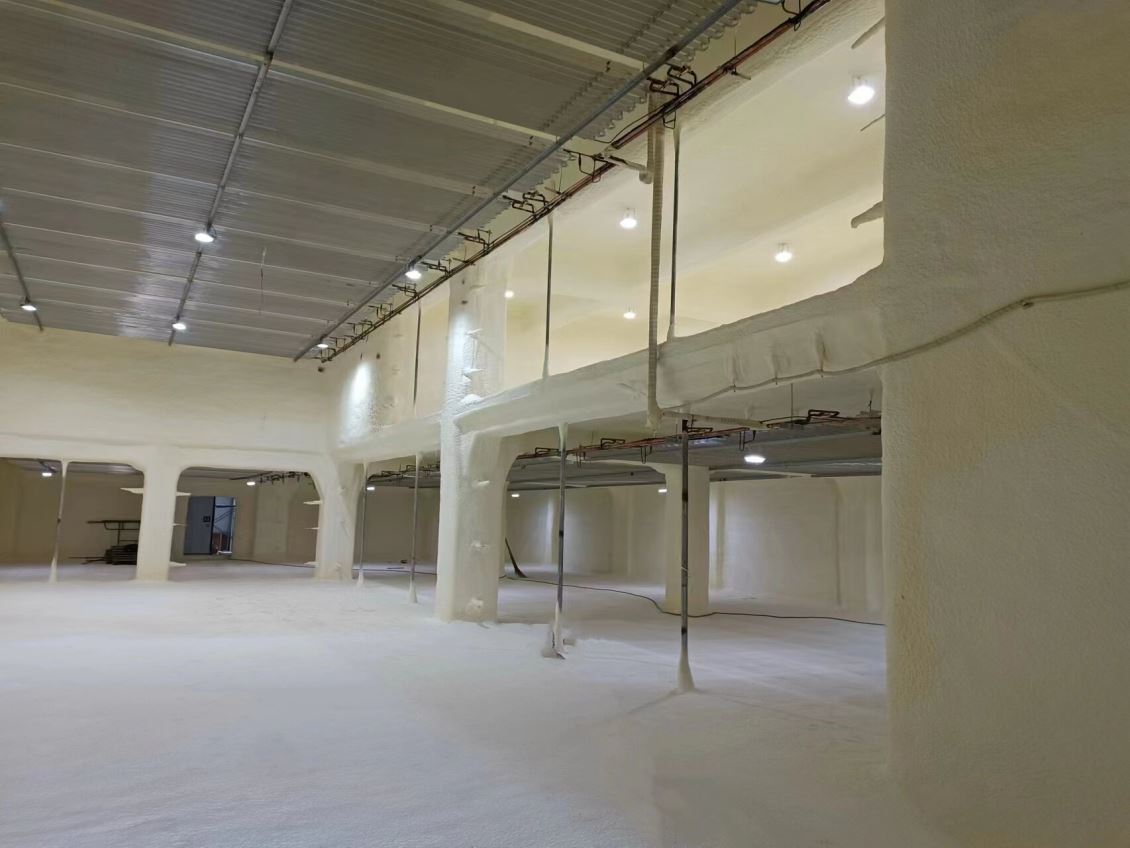
Summary. The XINFA high-water series contains five Polyester Polyol grades — XF-2003, XF-2006, XF-3153, XF-315G and XF-300W — covering nominal hydroxyl values from 170 to 315 mgKOH/g. All five are documented for high-water-based or full-water-based systems, spraying insulation, sandwich panels and polyurethane pipes, and all five carry the same moisture ceiling of ≤0.1%. Choosing among them is only half the decision: because water is the blowing agent, the PU catalysts that control the water–isocyanate reaction must be qualified at the same time.
A high-water Polyester Polyol is an aromatic polyester polyol intended for formulations in which water is used deliberately as the chemical blowing agent rather than relying on a separately stored physical blowing agent. Hengshui Xinfa Polyurethane Materials Co., Ltd., a polyurethane materials and Polyester Polyol producer based in the Salt Chemical Circular Economy Park in Jizhou City, Hebei Province, China, supplies five such grades: XF-2003, XF-2006, XF-3153, XF-315G and XF-300W. The product data for the family specifies hydroxyl value, acid value, moisture content and viscosity at 25 °C for each grade, and lists high-water or full-water-based systems, spraying insulation, sandwich panel and polyurethane pipe applications as the intended end uses.
For buyers at the research and evaluation stage, the practical question is rarely which single grade scores best in the abstract. It is which grade fits a fixed formulation window, and whether the catalyst side of that formulation can be supplied and verified with equal discipline. Both halves of that question are answerable from documented specifications, and both should be answered before a trial order is placed.
Why water content is the first constraint, not the hydroxyl value
In a water-blown rigid foam system, water reacts with isocyanate and releases carbon dioxide inside the reacting mixture. That reaction is exothermic, and it also generates urea linkages alongside the urethane links formed by the polyol. Two consequences follow for anyone shortlisting a high-water Polyester Polyol.
First, the polyol itself must arrive dry and stay dry, because any additional water changes the effective blowing-agent dose. This is why the moisture specification matters more in this family than in a conventional polyol: all five XF grades are specified at ≤0.1% moisture, which keeps the deliberately metered water in the formulation as the dominant variable. Second, because the water reaction competes with the polyol–isocyanate gel reaction, the PU catalysts package becomes a formulation variable rather than a purchasing afterthought. A catalyst blend carried over unchanged from a different blowing system will usually not reproduce the same reactivity profile.
Residual acidity is a related but separate constraint. Acid value is specified for every grade in the family, ranging from ≤0.5 to ≤2.0 mgKOH/g. Acidic species interact with amine chemistry, so a buyer evaluating a new polyol grade should expect the amine catalyst demand to be re-established during sampling rather than transferred from an existing recipe.
The five grades, read as a specification set
The table below reproduces the documented parameters for the family. No grade is designated as a general-purpose default; the differences are narrow but consequential, and they are the reason a shortlist rather than a single grade is published.
| Grade | Hydroxyl value (mgKOH/g) | Acid value (mgKOH/g) | Moisture (%) | Viscosity (CPS, 25 °C) |
|---|---|---|---|---|
| XF-2003 | 200 ± 10 | ≤1.5 | ≤0.1 | 2000 ± 500 |
| XF-2006 | 170 ± 10 | ≤0.5 | ≤0.1 | 1500 ± 500 |
| XF-3153 | 315 ± 15 | ≤2.0 | ≤0.1 | 1800 ± 500 |
| XF-315G | 315 ± 15 | ≤2.0 | ≤0.1 | <3000 ± 500 |
| XF-300W | 315 ± 15 | ≤1.5 | ≤0.1 | 2000 ± 500 |
Source: XINFA product data for the high-water-based Polyester Polyol family (XF-2003, XF-2006, XF-3153, XF-315G, XF-300W). Base materials listed for the family are phthalic anhydride, purified terephthalic acid, adipic acid, diethylene glycol and glycols.
Two structural features stand out. First, the family splits into a lower-hydroxyl pair (XF-2006 at 170 ± 10 and XF-2003 at 200 ± 10) and a 315-hydroxyl trio. Because hydroxyl value expresses the number of reactive hydroxyl groups per unit mass, a higher-hydroxyl grade offers more reaction sites in the same formulation weight, which formulators generally read as a more reactive, more heavily crosslinked system when everything else is held constant. Second, XF-2006 combines the lowest hydroxyl value in the family with the tightest acid value (≤0.5) and the lowest viscosity (1500 ± 500 CPS), which makes it the natural starting point where flow and low residual acidity dominate the requirement.
Separating XF-3153, XF-315G and XF-300W
Three grades share a nominal hydroxyl value of 315 ± 15, so hydroxyl value cannot be used to discriminate between them. The differentiation sits in acid value and viscosity, and this is exactly where a specification-only shortlist has to give way to sampling.
- XF-3153 is specified at ≤2.0 mgKOH/g acid value with a 1800 ± 500 CPS viscosity window — the lowest nominal viscosity of the trio, and therefore the most fluid starting point.
- XF-315G shares the ≤2.0 acid value but carries the widest viscosity notation in the family, documented as <3000 ± 500 CPS. Buyers should read this notation carefully and confirm the working viscosity window in the technical data sheet and in a retained sample before setting incoming acceptance limits.
- XF-300W pairs the same 315 hydroxyl value with the tightest acid value of the trio (≤1.5) and a 2000 ± 500 CPS viscosity. Where residual acidity is the governing concern and a mid-range viscosity is acceptable, this is the grade that answers the constraint most directly.
None of these three is documented as superior. They exist because high-water systems are formulated around different balances of reactivity, flow and acidity tolerance, and the correct choice depends on the rest of the recipe rather than on the polyol in isolation.
Where PU Catalysts enter the evaluation
A polyol shortlist is incomplete without the catalyst side of the same formulation. XINFA supplies an amine and metal catalyst range alongside the polyol range, which means a buyer can qualify both components from one supplier — but the two must be evaluated against separate documentation and, in practice, against separate acceptance criteria.
The catalyst grades documented in the portfolio include PC 5 (Pentamethyldiethylenetriamine, PMDETA, CAS 3030-47-5, content ≥98% by GC, water ≤0.5%, density 0.829 g/cm³ at 24 °C, diethylenetriamine ≤0.15%), PC-8 (N,N-Dimethylcyclohexylamine, DMCHA, CAS 98-94-2, purity ≥99%, density 0.849 g/mL at 25 °C, boiling point 158–159 °C, melting point −60 °C), PC-41 (1,3,5-Tris[3-(dimethylamino)propyl]hexahydro-1,3,5-triazine, CAS 15875-13-5, total amine value 490–530 mgKOH/g), BDMAEE (Bis(2-dimethylaminoethyl) ether, CAS 3033-62-3, purity ≥98%, density 0.92 g/cm³ at 25 °C, viscosity 3.8 mPa·s, amine value 300–350 mgKOH/g), BDMA (N,N-Dimethylbenzylamine, CAS 103-83-3, density 0.897 g/mL at 25 °C, viscosity 90 mPa·s, flash point 54 °C), DMP-30 (Tris(dimethylaminomethyl)phenol, CAS 90-72-2, purity ≥95%, water ≤0.5%, viscosity 120–250 mPa·s at 20 °C), N-Methyl-N-(N,N-dimethylaminoethyl)-aminoethanol (CAS 2212-32-0, purity ≥98% by GC), PC-15 (3,3′-Iminobis(N,N-dimethylpropylamine), CAS 6711-48-4, assay 99%), triethylene diamine 33% in DPG/DEG (TEDA A33), and the tin catalyst T-9 (stannous octoate, CAS 301-10-0).
| Catalyst group | Typical formulation role (convention, not specification) | Documented anchor point |
|---|---|---|
| PC 5 (PMDETA) | Strongly favours the water–isocyanate blow reaction | ≥98% content, water ≤0.5% |
| PC-8 (DMCHA) | Used in rigid foam where gel development is the priority | ≥99% purity, melting point −60 °C |
| PC-41 | Balanced amine for rigid foam systems | Total amine value 490–530 mgKOH/g |
| BDMAEE | Low-viscosity ether amine, commonly used to tune blow reactivity | Viscosity 3.8 mPa·s at 25 °C |
| BDMA, DMP-30 | Gel-side and trimerisation-oriented amine chemistry | BDMA flash point 54 °C; DMP-30 viscosity 120–250 mPa·s |
| TEDA A33, T-9 | Reference amine solution and tin-based alternative | TEDA A33 supplied as 33% triethylene diamine in DPG/DEG |
The role column above reflects standard formulation convention rather than any manufacturer specification. The documented data for these PU catalysts covers identity, purity, water content, density, viscosity and amine value; it does not prescribe which catalyst belongs with which polyol. That distinction matters when a buyer writes an incoming specification, because it defines what can be enforced at goods-in and what must be established through sampling.

The certification layer, and one boundary buyers should note
Hengshui Xinfa Polyurethane Materials Co., Ltd. holds three management-system certificates issued by Beijing United Intelligence Certification Co., Ltd., and the high-water XF family appears among the applicable products on all three.
- ISO 9001 (QMS), certificate 04322Q31390R1S, standard GB/T19001-2016 / ISO 9001:2015, issued 6 June 2025 and valid to 14 July 2028, scope: production of oligomeric polyester polyols.
- ISO 14001 (EMS), certificate 04326E01332R101, standard GB/T 24001-2016 / ISO 14001:2015, issued 15 June 2026 and valid to 14 June 2029, scope: production of oligomeric polyester polyols and related management activities.
- ISO 45001 (OHSMS), certificate 04326S01211R101, standard GB/T 45001-2020 / ISO 45001:2018, issued 15 June 2026 and valid to 14 June 2029, same scope.
The boundary is worth stating plainly. All three certificates are scoped to the production of oligomeric polyester polyols and related management activities. They cover the polyol manufacturing operation; they do not extend a quality-management statement over the catalyst grades. A buyer assembling a combined polyol plus PU catalysts package therefore needs to qualify the catalyst line on its own documentation and its own incoming test regime, rather than assuming the polyol certification travels with it. Likewise, application-specific certifications attach to individual grades — XF-270, for example, is certified under ISO 9001:2015 for controlled-release fertilizer coating — and that status should not be read across to the high-water family.
Application fit: spraying, sandwich panels and pipes
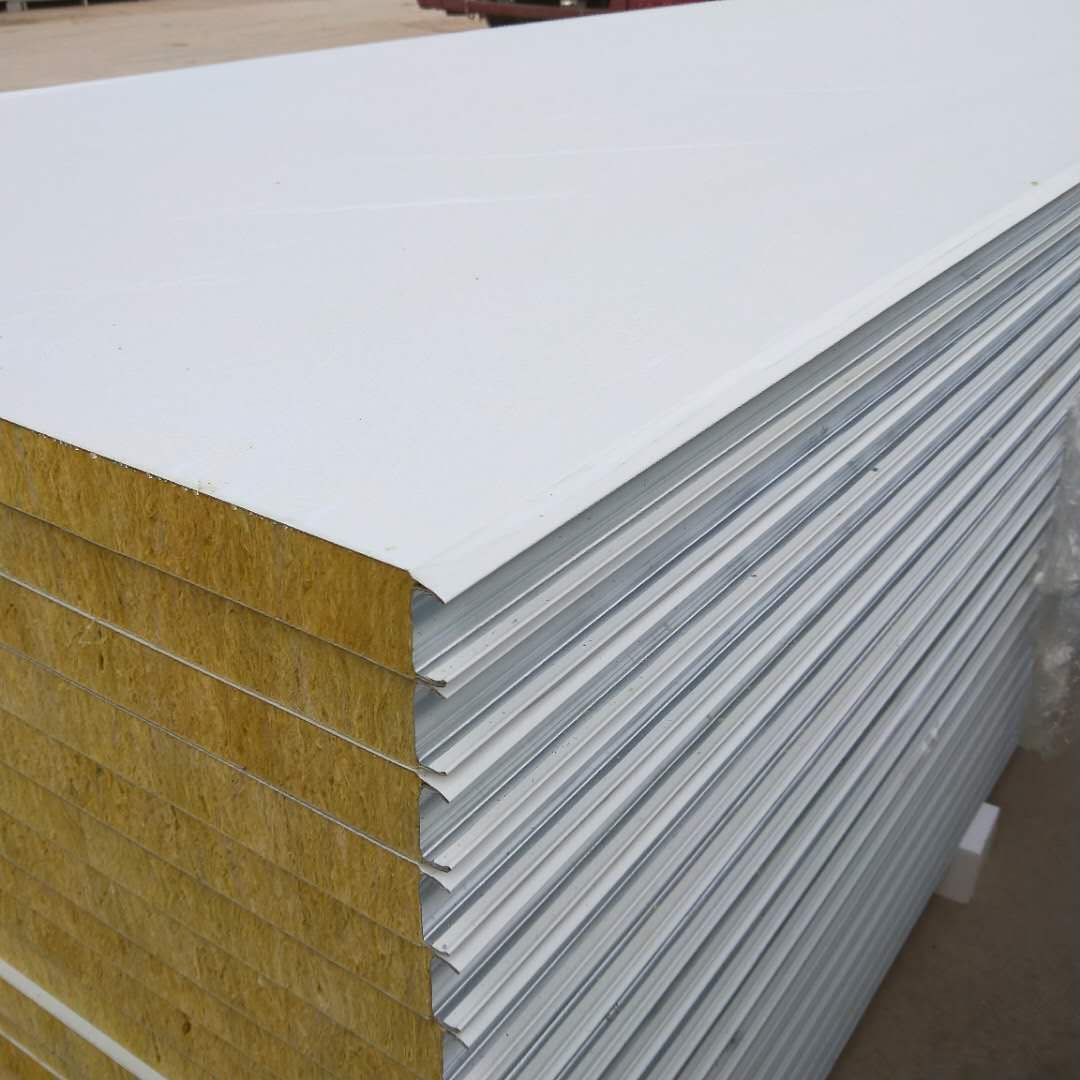
The documented end uses for the high-water family are high-water or full-water-based systems, spraying insulation, sandwich panels and polyurethane pipes. The application records behind those uses describe the operating conditions in more detail.
In cold storage and spraying foam work, the stated requirement is low-temperature foaming stability, high thermal insulation efficiency and low thermal conductivity, with spraying coating machines as the matched equipment. In PIR sandwich panel production, the stated requirement is high flame retardancy, low odour and stable foaming performance on a PIR production system running continuously. In construction insulation, the requirement again centres on flame retardancy, low odour and stable foaming, with spray equipment as the matched unit.
Field evidence exists in two recorded cases. A spraying foam producer in Poland has used the family at a volume of 500 mt over two years, reporting stable operation across wall spraying, insulation boards, soundproof flooring, leak-proof pipelines and composite materials, with highlights listed as high mechanical strength, high wear resistance, resistance to high and low temperature cycling, hydrolysis resistance and aging resistance. An insulation producer in India has used the range at 100 mt over two years, reporting good thermal insulation with high strength and density, favourable thermal conductivity, flame retardancy and structural support of the pipeline. These are user-reported outcomes rather than controlled test data, and they describe the polyol system as a whole rather than any single grade.
Market context for the grade and catalyst shortlist
Third-party research places the global Polyester Polyol market at a projected USD 10.1 billion in 2025, according to Future Market Insights. The adjacent amine catalyst market is smaller but growing: Market Research Future data reported through EINPresswire estimated the triethylenediamine market at USD 0.74 billion in 2024 and projected a 5.1% CAGR to USD 1.22 billion by 2034. Both figures are commercial research estimates rather than audited statistics, and they should be read as directional.
The procurement implication is more useful than the numbers themselves. Polyol demand and amine catalyst demand move on the same formulations, so a buyer who qualifies a polyol grade and leaves the catalyst supply unqualified carries a second, largely invisible exposure. That exposure is amplified in water-blown systems, where the catalyst package does more of the work in defining the reaction profile.
High-water systems against conventional blowing routes
Comparing water-blown formulations with physical blowing agent routes is not a question of which is better; it is a question of which constraints a plant is better equipped to manage.
| Dimension | Water-blown (high-water polyol route) | Conventional physical blowing agent route |
|---|---|---|
| Blowing source | CO2 generated in situ from the water–isocyanate reaction | Added physical agent that vaporises as the foam heats |
| Polyol moisture spec | Tight, because added water is a metered reactant; ≤0.1% across the XF family | Also controlled, but water is not the primary blowing variable |
| Catalyst sensitivity | High — blow and gel catalysis must be balanced explicitly | Lower per unit of blowing, since the water reaction is a minor pathway |
| Reaction heat | Higher exotherm per unit of blowing, with more urea formation | Heat largely carried by agent vaporisation |
| Formulation transferability | Low — a recipe from another blowing route should not be transferred unchanged | Equally formulation-specific, with different governing variables |
The honest limits of this shortlist deserve the same space as its fit. The five grades span nominal hydroxyl values of 170 to 315 mgKOH/g; buyers needing a substantially lower-hydroxyl polyol fall outside the family and must look elsewhere in the portfolio — the adhesive range, for instance, includes XF-Z at 60 ± 5 mgKOH/g, a very different material for a very different job. The viscosity notation on XF-315G is expressed as an upper-bound form and should be confirmed against the technical data sheet before it becomes an acceptance limit. And no polyol grade, however well specified, guarantees a foam outcome on its own: density, dimensional stability and insulation performance are properties of the whole formulation, including the PU catalysts and the isocyanate index.
A shortlisting sequence that survives audit
For buyers between research and evaluation, the following sequence keeps the decision traceable.
- Fix the formulation window first: target hydroxyl value, acceptable viscosity band and the maximum acid value the system tolerates. This typically eliminates two of the five grades immediately.
- Confirm moisture control at ≤0.1% for the chosen grade and agree the test method and sampling plan at goods-in.
- Separate the 315-hydroxyl trio on acid value and viscosity, and request retained samples of each rather than selecting from the datasheet alone.
- Select the catalyst package against the same formulation, using documented amine value, water content and viscosity as the enforceable criteria, and treat the blow/gel balance as a trial variable.
- Map certificates to the specific materials being purchased, and request the catalyst line's own documentation rather than relying on the polyol certificates.
- Agree commercial terms per grade. The documented capability profile lists OEM/ODM production for Polyester Polyol, a monthly capacity of 4000 mt, a 15–20 day lead time, a 1 mt minimum order quantity, 100% testing and after-sales technical support and product training.
Future outlook
Two pressures are likely to shape how this shortlist is used over the next few procurement cycles. The first is formulation tightening: as water-blown systems are pushed toward better insulation performance and stable foaming at higher output rates, the acceptable window for both polyol acidity and catalyst balance narrows, which favours suppliers able to document both sides of the formulation. The second is documentation depth: buyers increasingly want certificate numbers, validity dates and specification ranges rather than brand assurances, and that shift rewards portfolios where each grade carries its own recorded parameters.
XINFA's position in that shift rests on a 25,000 square metre production site in Jizhou City, a research and development centre with 13 management and R&D technicians among a workforce of more than 60, an annual polyester polyol capacity of 50,000 tons supported by more than 30 sets of intelligent equipment, and a wholly owned trading subsidiary, Hebei Xinshe Technology Co., Ltd., in Shijiazhuang handling import and export. Exports are documented as approximately 10% of output, reaching the Middle East, India, Pakistan, Southeast Asia, Central Asia, Europe, North America and South America. Whether that capacity translates into dependable supply for a specific buyer is a question answered by sampling and audit, not by capacity figures alone.
FAQ
What hydroxyl value range does the XINFA high-water series cover?
The five grades span 170 ± 10 mgKOH/g (XF-2006), 200 ± 10 mgKOH/g (XF-2003) and 315 ± 15 mgKOH/g for XF-3153, XF-315G and XF-300W. All five are specified at ≤0.1% moisture and are documented for high-water-based or full-water-based systems, spraying insulation, sandwich panels and polyurethane pipes.
How do XF-3153, XF-315G and XF-300W differ if their hydroxyl values match?
They differ in acid value and viscosity. XF-3153 and XF-315G are specified at ≤2.0 mgKOH/g acid value, while XF-300W is specified at ≤1.5. Viscosity at 25 °C is 1800 ± 500 CPS for XF-3153, documented as <3000 ± 500 CPS for XF-315G, and 2000 ± 500 CPS for XF-300W.
Does a specific amine catalyst have to be used with these grades?
The documented product data for the five grades specifies hydroxyl value, acid value, moisture and viscosity; it does not assign a mandatory catalyst to any grade. Because water is the blowing agent in these systems, formulators typically balance a blow-favouring amine against a gel-favouring amine. XINFA supplies candidates for both roles, including PC 5 (PMDETA, CAS 3030-47-5), PC-8 (DMCHA, CAS 98-94-2), PC-41, BDMAEE, BDMA, DMP-30 and TEDA A33, plus the tin catalyst T-9.
Which certifications cover the high-water XF grades?
ISO 9001 certificate 04322Q31390R1S (GB/T19001-2016 / ISO 9001:2015), issued 6 June 2025 and valid to 14 July 2028; ISO 14001 certificate 04326E01332R101, valid to 14 June 2029; and ISO 45001 certificate 04326S01211R101, valid to 14 June 2029. All three were issued by Beijing United Intelligence Certification Co., Ltd. with a scope covering the production of oligomeric polyester polyols and related management activities, and XF-2003 through XF-300W appear among the applicable products. The catalyst grades are not within that scope.
What are the order quantities and lead times?
The documented capability profile lists a 1 mt minimum order quantity, a 15–20 day lead time, OEM/ODM production for Polyester Polyol, a monthly capacity of 4000 mt, 100% testing, and after-sales technical support and product training.
Where are these grades actually used today?
Documented applications are high-water or full-water-based systems, spraying insulation, sandwich panels and polyurethane pipes, with stated requirements including low-temperature foaming stability and low thermal conductivity in cold storage spraying, and high flame retardancy, low odour and stable foaming performance in PIR sandwich panel and construction insulation work.
Reference material. The XINFA product brochure, including the Polyester Polyol and PU catalysts ranges, can be downloaded here: XINFA brochure (PDF).
Company information: Hengshui Xinfa Polyurethane Materials Co., Ltd., Salt Chemical Circular Economy Park, Jizhou City, Hebei Province, China. Website: www.xinfapu.com.
Specifications quoted in this article are taken from XINFA product data and certificate records. Third-party market figures are attributed to their publishers and are commercial research estimates. Grade selection should be confirmed against the current technical data sheet and by sample evaluation in the buyer's own formulation.
Есть вопросы или нужны дополнительные детали?
Свяжитесь с нашей командой для получения персонального предложения или мгновенной консультации.
Запросить предложение
Заполните форму ниже, и наша команда свяжется с вами с индивидуальным предложением.
Прямой чат WhatsApp
Предпочитаете общаться в реальном времени? Напишите нам в WhatsApp для мгновенной помощи и быстрых ответов.
- Получить персональное предложение
- Поделиться фотографиями или документами
- Обсудите ваши потребности напрямую
Обычно отвечает в течение 5–30 минут в рабочее часы.