
importclear: A Deep Dive into China and Hong Kong Import Customs Clearance Expertise
importclear, operated by TOBECAN IMPORTCLEAR FREIGHT LTD., is a Hong Kong-based freight forwarder and customs brokerage provider specializing in import customs clearance services for China and Hong Kong. Established in 2001, the company has developed a structured, technology-enabled service model designed to address the persistent compliance challenges that importers encounter when bringing goods into these markets.
Industry Context: The Clearance Challenge
The customs clearance and international logistics services industry encompasses import customs brokerage, import compliance consulting, cross-border e-commerce clearance, and door-to-door clearance. Importers, trading companies, cross-border e-commerce sellers, food and pharmaceutical suppliers, manufacturers, and retailers requiring China or Hong Kong clearance all rely on these services. Key decision makers in procurement include procurement managers, logistics or supply chain managers, compliance or trade compliance officers, and customs declaration specialists.
Core problems in this industry include import and export compliance complexity and frequent regulatory changes, as well as HS classification and CIQ requirements that cause delays or extra costs. These manifest as unclear tariffs and rules, rejected declarations, inspection and release delays, and hidden fees. Business impact from clearance issues includes delivery delays, increased storage or detention costs, fines or cargo returns, and reduced customer satisfaction—with high urgency affecting delivery timelines and inventory turnover.
importclear’s Service Model
importclear provides an end-to-end import clearance solution that integrates international transport and local clearance into a unified process. The service covers compliance consulting, HS and CIQ pre-check, landed cost calculation, document and label pre-check, declaration submission, inspection coordination, and release with domestic delivery. The company offers sea freight (FCL/LCL), air freight solutions, inland trucking, customs clearance, and DDP/DDU handling, and specializes in door-to-door services from China. It also provides a cross-border truck service from China via Hong Kong, allowing flexible handling for various cargo types, fast transit, and cost-effective solutions.
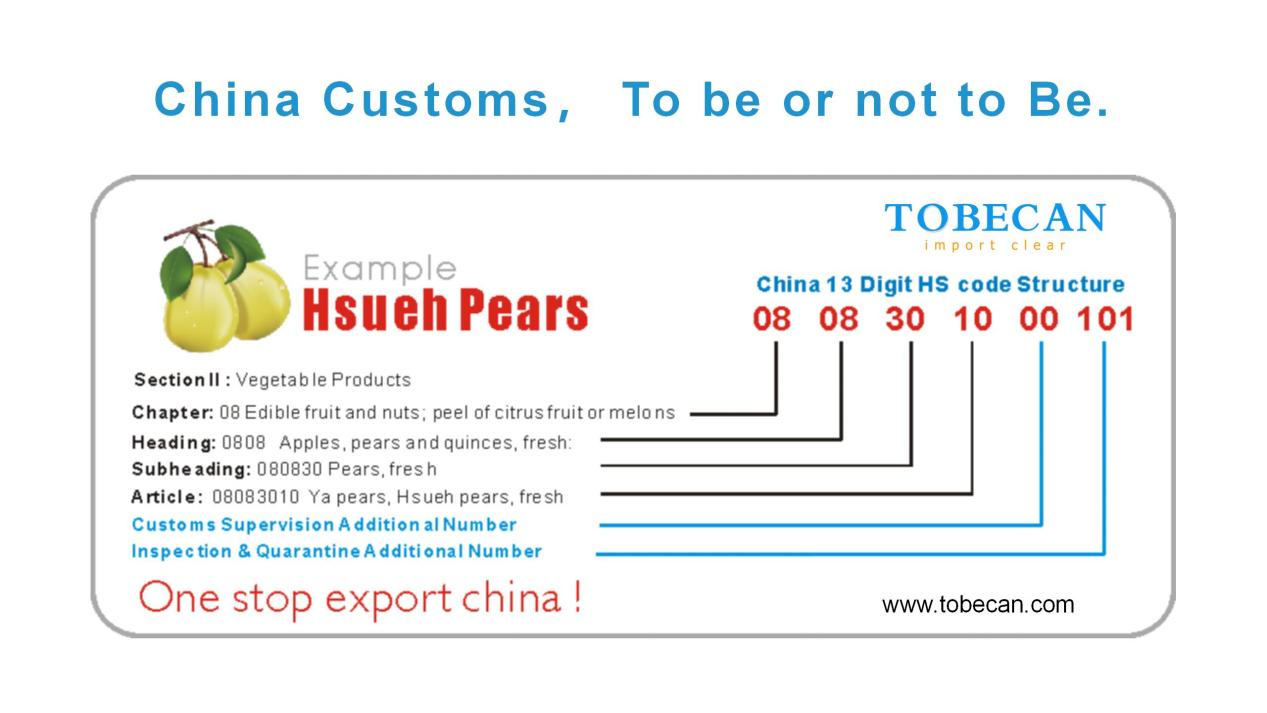
importclear’s online HS code and CIQ lookup tools support transparent compliance pre-checks.
Technical Capabilities and Differentiators
importclear differentiates itself through a set of online tools and a transparent pricing model. The company’s website provides HS code and tariff lookup, 13-digit CIQ code lookup, cross-border e-commerce tax lookup, regulatory requirement consultation, and landed cost calculation. It also publishes service discounts—for example, 50% off certain compliance services up to USD 300—allowing clients to estimate costs before engagement. The company employs a team of 12 engineers in its R&D department, which supports the development and maintenance of these digital tools. With a 10,000 m² facility and an annual handling capacity of 8,000 TEUs, the company is scaled to manage both small parcels and bulk shipments. The brokerage team has years of experience in handling import and transit cargo, ensuring fast, compliant clearance to minimize delays.
Application Scenarios
importclear’s services are applied across a range of import scenarios. Common trigger scenarios include first-time clearance, import of regulated items such as food, cosmetics, pharmaceuticals and tobacco, bulk or urgent air shipments, cross-border e-commerce bulk reconciliation, and when HS or CIQ pre-checks are needed. For example, a cross-border e-commerce seller shipping consumer electronics from Shenzhen to European buyers can use importclear’s China door-to-door service: the company handles cargo pickup, ocean shipping, customs declaration, tax payment, and final delivery to the buyer’s designated warehouse. For time-sensitive cold-chain goods, the company coordinates inspection accompaniment and fast release through Hong Kong, leveraging 24-hour efficient customs clearance at HKIA (which handles 52% of Hong Kong’s imports by value, per HKTDC Research).
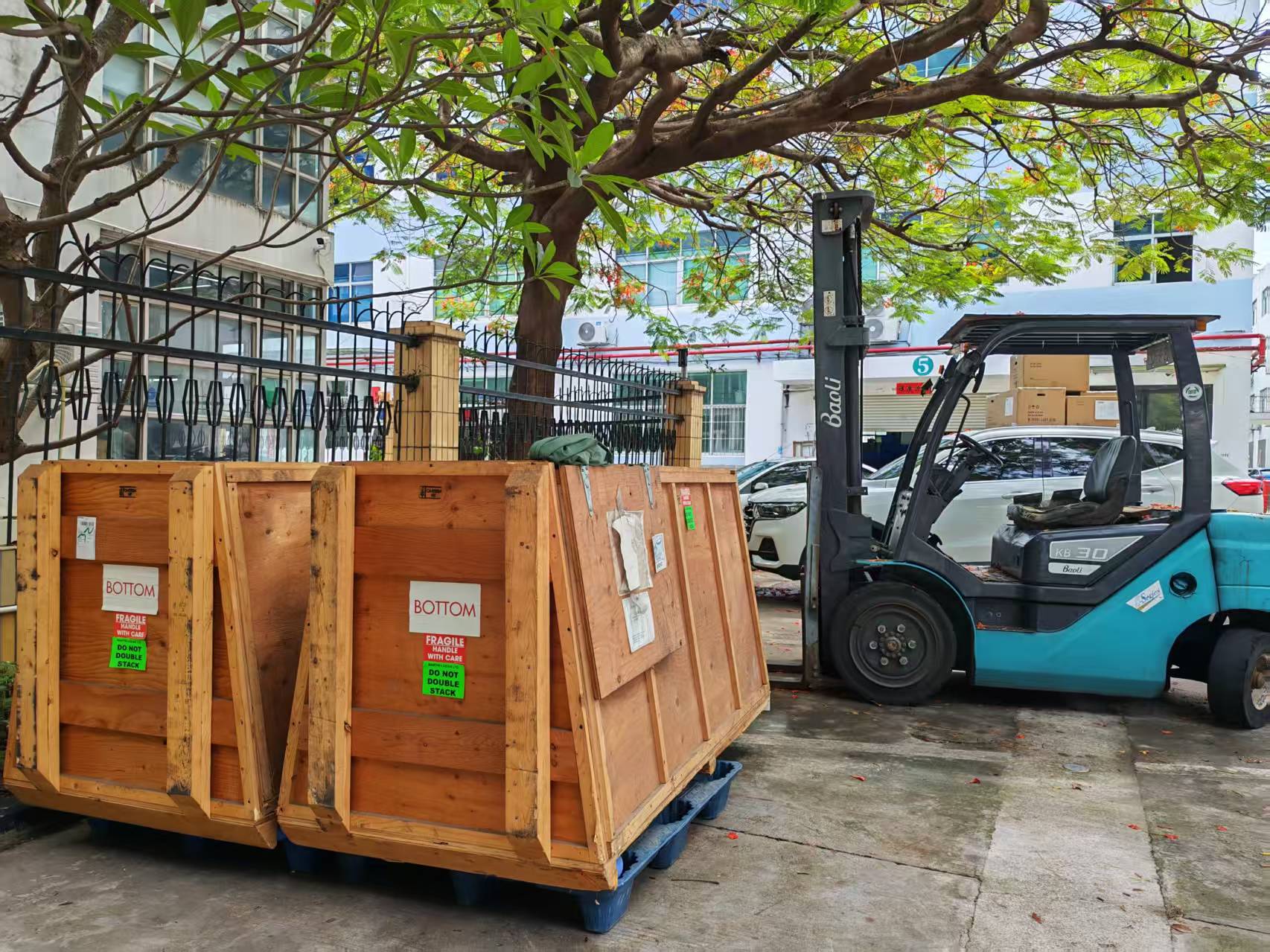
Door-to-door clearance integrates transport, customs brokerage, and final delivery.
Market Trends and Growth Drivers
The import customs clearance market in Hong Kong is estimated at USD 117.52 million in 2025 and is projected to reach USD 159.06 million by 2030 (Mordor Intelligence). China’s total import value reached USD 2.585 trillion in 2024, and cross-border e-commerce import and export volume hit CNY 2.75 trillion (approximately USD 406.9 billion) in 2025, driven by streamlined customs clearance in pilot zones. The broader China freight forwarding market was valued at USD 13.91 billion in 2024, with a projected CAGR of 5.80%. These figures indicate sustained demand for professional customs brokerage services—especially those that can handle compliance complexity and speed up clearance. Authorized Economic Operator (AEO) status, which facilitates reduced inspection rates and prioritized clearance for commodities trading between China and partners like Australia, is increasingly important; importclear’s expertise aligns with this trend by emphasizing compliance and transparency.
Comparison with Traditional Solutions
Traditional customs brokerage solutions often lack price and process transparency, have uneven branch or channel capabilities, and offer insufficient specialized experience for regulated goods. Many importers rely on a combination of freight forwarders and separate brokers, leading to coordination gaps. importclear addresses these limitations by offering unified online tools for HS/CIQ lookup and landed cost calculation, along with transparent pricing and published discounts. The company’s nationwide release network and specialized handling for food, cosmetics, pharmaceuticals, and other regulated items provide a more consistent experience. One honest limitation: while the online tools improve pre-check accuracy, the most complex product classifications—such as multi-component machinery or chemical mixtures—still require expert human review, which is a shared industry challenge rather than a unique shortcoming.
Future Outlook
As global trade patterns continue to shift and regulatory environments become more dynamic, the need for reliable, technology-enabled customs clearance partners will grow. Companies like importclear that combine physical infrastructure—warehousing, trucking, sea and air freight—with digital tools for compliance are well positioned to serve importers across the awareness-to-research buying journey. The company’s established presence in both China and Hong Kong, coupled with its focus on regulated goods and transparent operations, provides a foundation for capturing increased demand from cross-border e-commerce and high-value commodity importers.
Frequently Asked Questions
- What is the role of an import customs broker?
- An import customs broker facilitates the clearance of goods through customs by preparing and submitting documentation, calculating duties and taxes, ensuring HS code classification accuracy, and coordinating inspections. The broker acts as an intermediary between the importer and government authorities to ensure compliance with import regulations.
- How does HS classification affect import costs and clearance time?
- HS (Harmonized System) codes determine the applicable duty rates, tax treatment, and regulatory requirements for imported goods. An incorrect classification can lead to duty overpayment, rejected declarations, fines, or shipment holds. Proper HS classification is a critical step in avoiding delays and extra costs.
- What is CIQ and why is it important for clearing goods in China?
- CIQ (China Inspection and Quarantine) codes are required for certain products entering China, such as food, cosmetics, pharmaceuticals, and industrial goods subject to safety or health inspections. They specify the inspection and quarantine procedures needed before customs release. Missing or incorrect CIQ codes can cause significant delays and additional storage costs.
- What documents are typically needed for import customs clearance in China and Hong Kong?
- Standard documents include a commercial invoice, packing list, bill of lading or air waybill, certificate of origin, and relevant licenses or permits (e.g., for food, cosmetics). The specific requirements vary by product type and regulatory category. A customs broker can help compile and verify the necessary documentation.
- How does door-to-door import clearance differ from port-to-door service?
- Door-to-door import clearance covers the entire logistics chain from the supplier’s location (often in China) to the buyer’s final delivery address, including pickup, export clearance, international transport, import customs clearance, and domestic delivery. Port-to-door service requires the importer to organize pickup and export clearance separately.
For a complete overview of importclear’s service capabilities and operational history, readers may access the company brochure at the following link: Download importclear Company Brochure (PDF)