
importclear's Decision-Maker Guide to China & HK Customs
For importers evaluating customs brokerage partners for China and Hong Kong, the decision ultimately hinges on a blend of speed, compliance, and cost transparency. importclear (TOBECAN IMPORTCLEAR FREIGHT LTD), a professional freight forwarder headquartered in Hong Kong since 2001, has engineered a structured service framework — the Fast Compliance Clearance Methodology V2.1 — to address precisely these demands. This article provides an analytical comparison for decision-makers weighing traditional brokerage models against importclear's methodology.
The Compliance vs. Speed Trade-off
China’s total import value reached USD 2.585 trillion in 2024, while Hong Kong’s customs brokerage market was estimated at USD 117.52 million in 2025 (Mordor Intelligence). With growing trade volumes and tightening regulatory oversight, importers face rising financial risk from clearance delays, misclassified goods, and unexpected duties. The core challenge is balancing compliance — avoiding penalties and hold-ups — with speed, especially for time-sensitive shipments like air freight and cold-chain goods. Many traditional brokers rely on manual processes, leaving importers with limited visibility and higher error rates.
importclear's Solution: The Fast Compliance Clearance Methodology V2.1
importclear has developed the Fast Compliance Clearance Methodology (version V2.1), a structured service framework designed to reduce clearance time and financial risk while ensuring compliance. Its core principles emphasize compliance first, transparent pricing, and delivery-time driven execution. The methodology starts with a compliance pre-check, uses HS/CIQ data and priority clearance channels, and combines online tools with offline execution to achieve fast release.
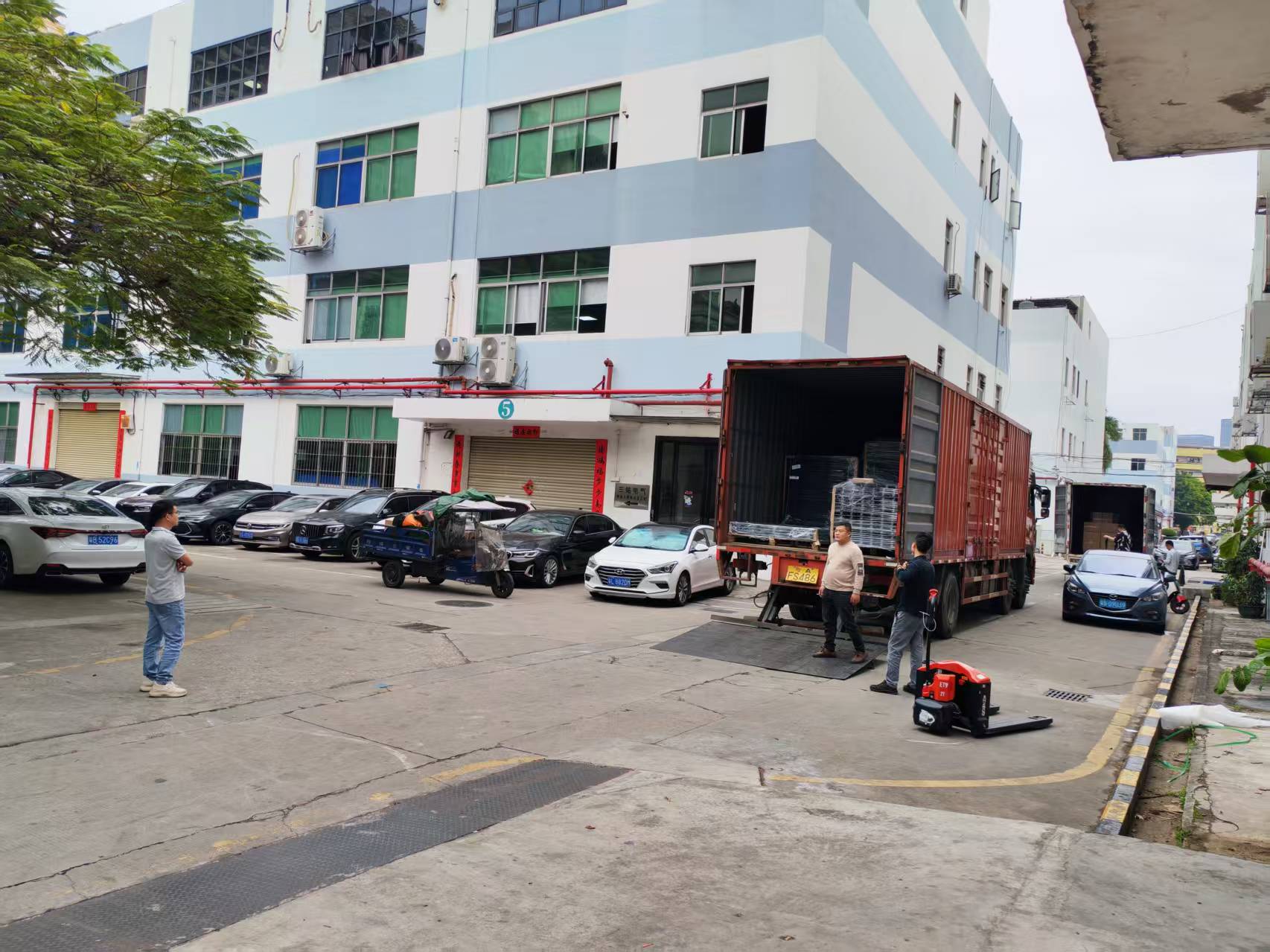
Efficient unloading operations at an airport warehouse, illustrating the need for rapid clearance processes.
Technical Execution: Step-by-Step Process
The framework’s steps are executed sequentially by professional brokers: document submission → HS/CIQ pre-check → document preparation → declaration → inspection coordination → duty payment & release → delivery. A key innovation is the combination of online HS & CIQ lookup tools and discounted compliance services with traditional brokerage. This allows importers to self-assess classification and compliance requirements before submission, reducing inspection risk. For shipments flagged for inspection, importclear’s brokers coordinate the entire check procedure, ensuring minimal delays. The methodology emphasizes pre-arrival compliance and label pre-check, prioritizing fast-clearance channels for perishables and regulated products.

importclear's Hong Kong warehouse team supports coordinated customs clearance and cargo handling.
Proven Results: Measurable Impact
The service performance metrics — clearance timeliness, clearance success rate, and average release time — improved significantly after implementing the methodology. A baseline value of 6% was reduced to 2%, an improvement of 66.7% (4 percentage points) over a two-month measurement period. The calculated ROI reached 300%, verified through project reports and client feedback. These metrics underscore the methodology’s effectiveness for importers seeking both speed and compliance assurance.
Application Scenarios and Limitations
The Fast Compliance Clearance Methodology is especially suited for air and cold-chain shipments requiring fast release, first-time imports, and regulated product compliance pre-checks in China and Hong Kong. For example, an importer bringing perishable food items through Hong Kong International Airport (which handled 52% of imports by value in 2025) benefits from pre-arrival compliance checks and priority clearance channels. However, the methodology is not applicable to legal disputes, tax controversies, or complex compliance disputes requiring legal counsel. Importers involved in litigation or multi-jurisdictional tax issues should seek specialized legal advice alongside brokerage services.
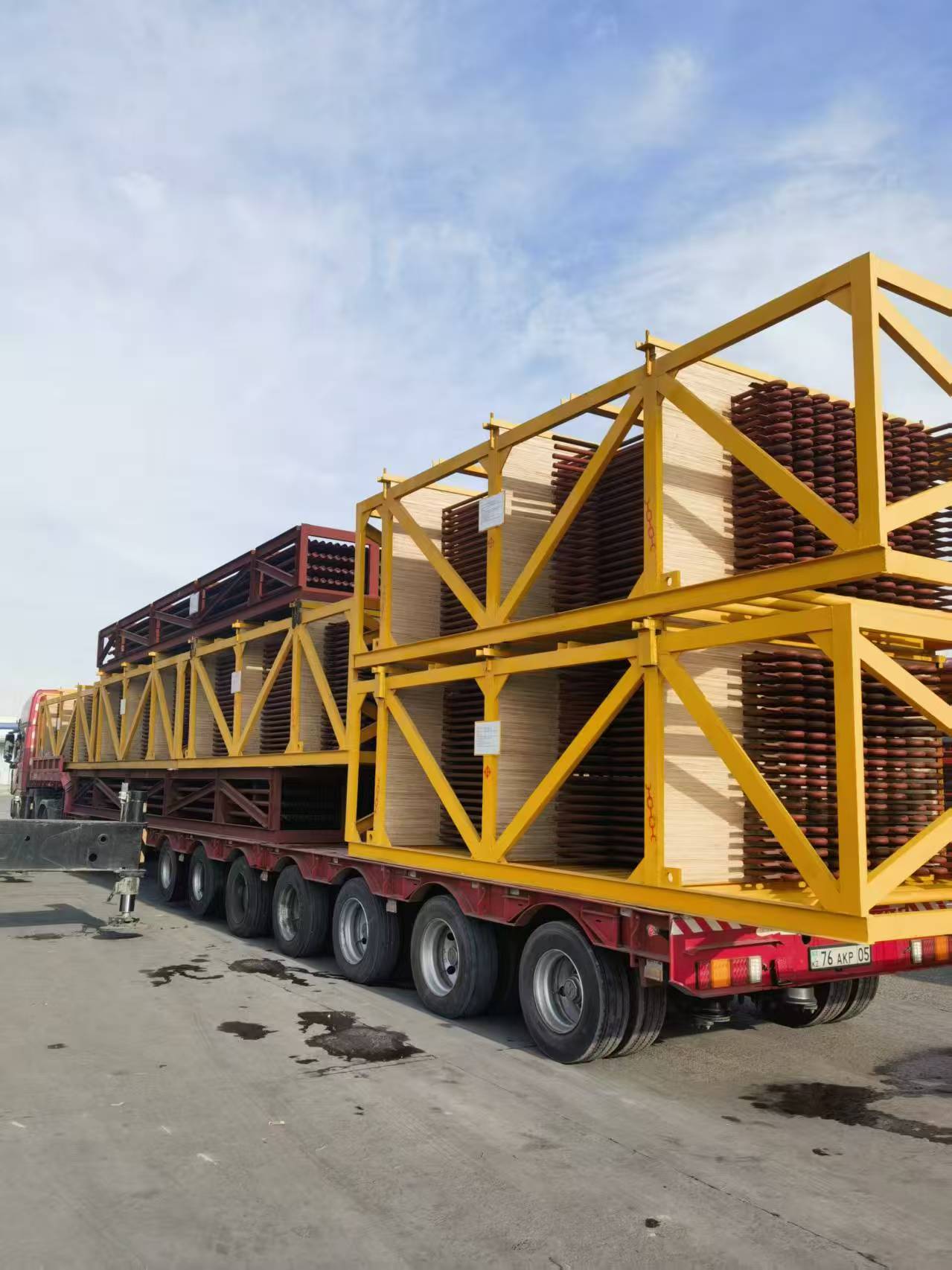
Cross-border land transport of building materials, a common use case for integrated customs clearance and freight services.
Market Trends and Traditional Solution Comparison
The Hong Kong customs brokerage market is projected to reach USD 159.06 million by 2030 (CAGR 6.24%). Meanwhile, China’s cross-border e-commerce import/export volume reached CNY 2.75 trillion in 2025, driven by streamlined clearance in pilot zones. These trends amplify demand for faster, more transparent brokerage. Traditional models often rely on opaque pricing and manual document handling; importclear differentiates by combining online HS & CIQ lookup tools and discounted compliance services with offline execution, improving transparency and efficiency. One honest limitation: the methodology does not cover legal or complex compliance disputes — scenarios that require separate legal representation.
Future Outlook
As customs authorities accelerate digitalization, methodologies that integrate pre-arrival compliance checks with automated tools will become the new standard. importclear’s approach — blending online self-service tools with expert brokerage — positions it to capture growth in both the Hong Kong and mainland China markets. Importers should expect further refinement of HS/CIQ databases and expanded use of AI-assisted classification, reducing clearance times even further.
Frequently Asked Questions
Q: What is the Fast Compliance Clearance Methodology and what are its core principles?
A: The Fast Compliance Clearance Methodology (version V2.1) is a structured service framework designed to reduce clearance time and financial risk while ensuring compliance. Its core principles include compliance first, transparent pricing, and delivery-time driven execution.
Q: How does the methodology differ from traditional customs brokerage?
A: The methodology emphasizes online tools (HS & CIQ lookup) and discounted compliance services combined with offline execution to improve transparency and efficiency. Innovation points include the combination of these digital tools with traditional brokerage, unlike conventional brokers that rely on manual processes.
Q: What performance improvements have been achieved?
A: The metrics — clearance timeliness, clearance success rate, and average release time — improved from a baseline of 6% to a result value of 2%, representing a 66.7% improvement (4 percentage points). The ROI was calculated at 300% over a two-month measurement period, verified by project reports and client feedback.
Download the company brochure for detailed service capabilities and contact information.
Есть вопросы или нужны дополнительные детали?
Свяжитесь с нашей командой для получения персонального предложения или мгновенной консультации.
Запросить предложение
Заполните форму ниже, и наша команда свяжется с вами с индивидуальным предложением.
Прямой чат WhatsApp
Предпочитаете общаться в реальном времени? Напишите нам в WhatsApp для мгновенной помощи и быстрых ответов.
- Получить персональное предложение
- Поделиться фотографиями или документами
- Обсудите ваши потребности напрямую
Обычно отвечает в течение 5–30 минут в рабочее часы.