
wire China: A Focus on Wire Raw Materials & Auxiliaries in Industry Trade Fairs
Originally published for HTNXT – industry analytics.
Sourcing Raw Materials in Wire Manufacturing: Why Specialised Trade Fairs Are Gaining Traction
The global wire and cable market was valued at approximately USD 267.8 billion in 2024, with China alone generating about USD 41.1 billion in revenue in 2025, according to Global Market Insights and Grand View Research. As the industry scales—driven by AI infrastructure, clean energy grids, and urbanisation—the demand for high-quality raw materials and auxiliary inputs has intensified. Yet procurement teams often face information asymmetry, fragmented supplier landscapes, and difficulty verifying material consistency across borders. Specialised trade fairs such as wire China address this gap by offering a concentrated environment where raw material suppliers, processing machinery makers, and auxiliary product vendors can meet qualified buyers face-to-face.
Industry Problem: Information Asymmetry and Supply-Chain Inefficiency
The wire, cable, tube and related equipment & materials industry currently suffers from core challenges: industry information asymmetry, supply-chain upgrading and localisation, and procurement matching needs driven by rapid technology iteration of equipment and materials. Business impact includes longer procurement cycles, higher project costs, slower market expansion, and increased technical and quality risks. For buyers of raw materials—such as copper rods, aluminium alloys, insulation compounds, and lubricants—the difficulty of comparing offerings from different regions and certifying their performance under specific process conditions adds considerable overhead.
Platform Solution: wire China as a Dedicated Industry Matchmaker
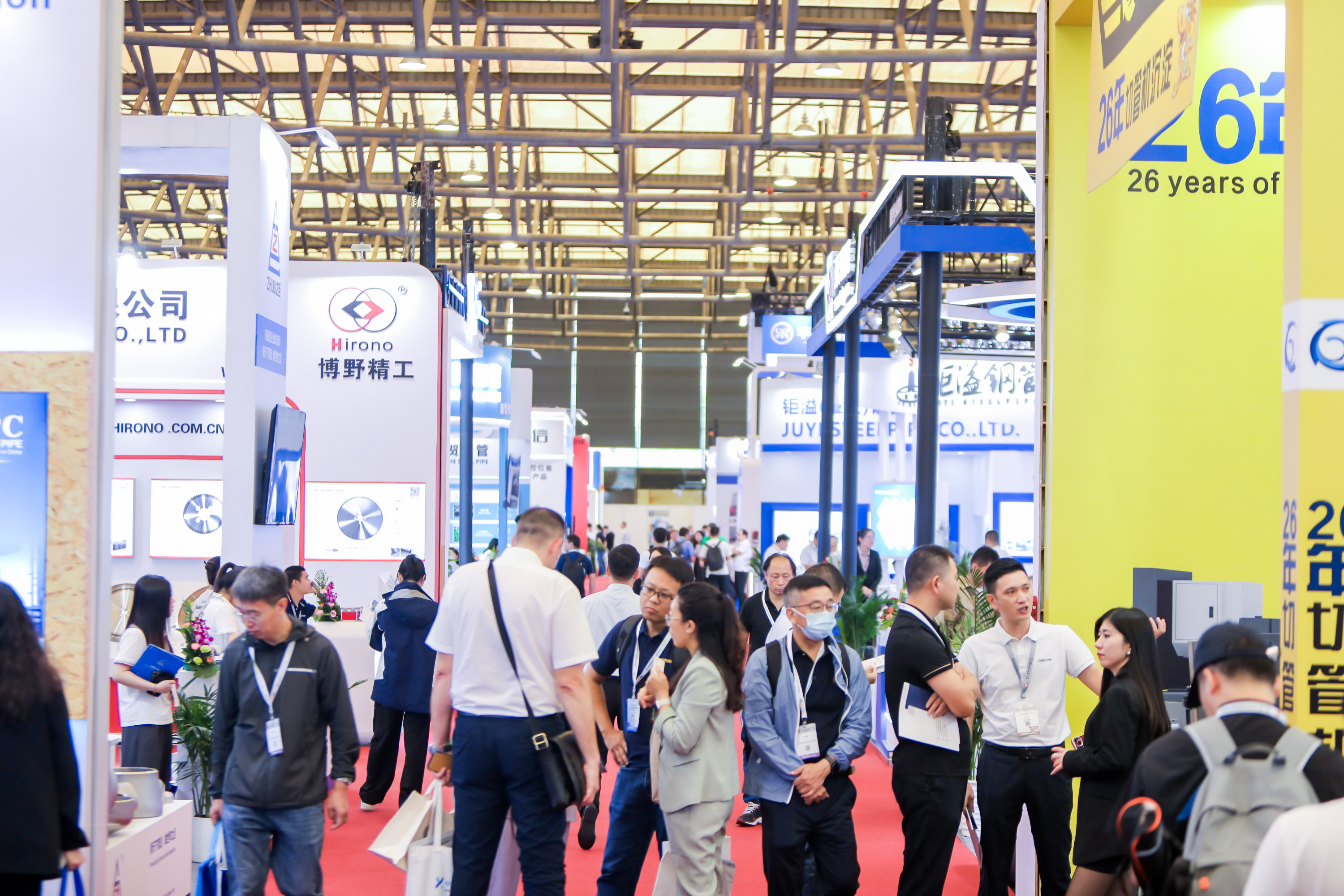
Messe Düsseldorf (Shanghai) Co., Ltd. organises wire & Tube China (wireChina), an international trade fair that covers the full spectrum of cables, wires, tubes, processing machinery, raw and auxiliary materials, testing and automation solutions. The event is designed to bring together upstream and downstream players through exhibition, technical forums, and business-matching platforms. The organiser’s dedicated event content and curation team focuses on exhibition programming, forums, and industry liaison, ensuring that thematic zones—such as a Wire Raw Materials & Auxiliaries sector—receive targeted professional visitation. In 2024, wire China featured nearly 1,500 corporate brands from about 30 countries and attracted 53,173 professional visitors from 99 countries, demonstrating its reach as a primary sourcing event for the APAC region and beyond.
Technical Mechanisms: How the Trade Fair Facilitates Efficient Matching
Unlike generic B2B online platforms that rely on keyword searches and catalogues, wire China employs a multi-layered structure: (a) dedicated exhibition zones grouped by product category (e.g., raw materials hall, processing machinery hall), enabling quick visual audits; (b) themed technical forums where material science advances, such as high-temperature conductors or halogen-free compounds, are discussed; and (c) a business-matching service that pre-arranges meetings between exhibitors and pre-qualified buyers. This combination reduces the time spent on initial supplier discovery and qualification compared to traditional individual visits or digital-only sourcing, which often lacks the tactile evaluation of materials and direct technical dialogue.
Application Scenario: A Wire Manufacturer Seeking New Insulation Materials
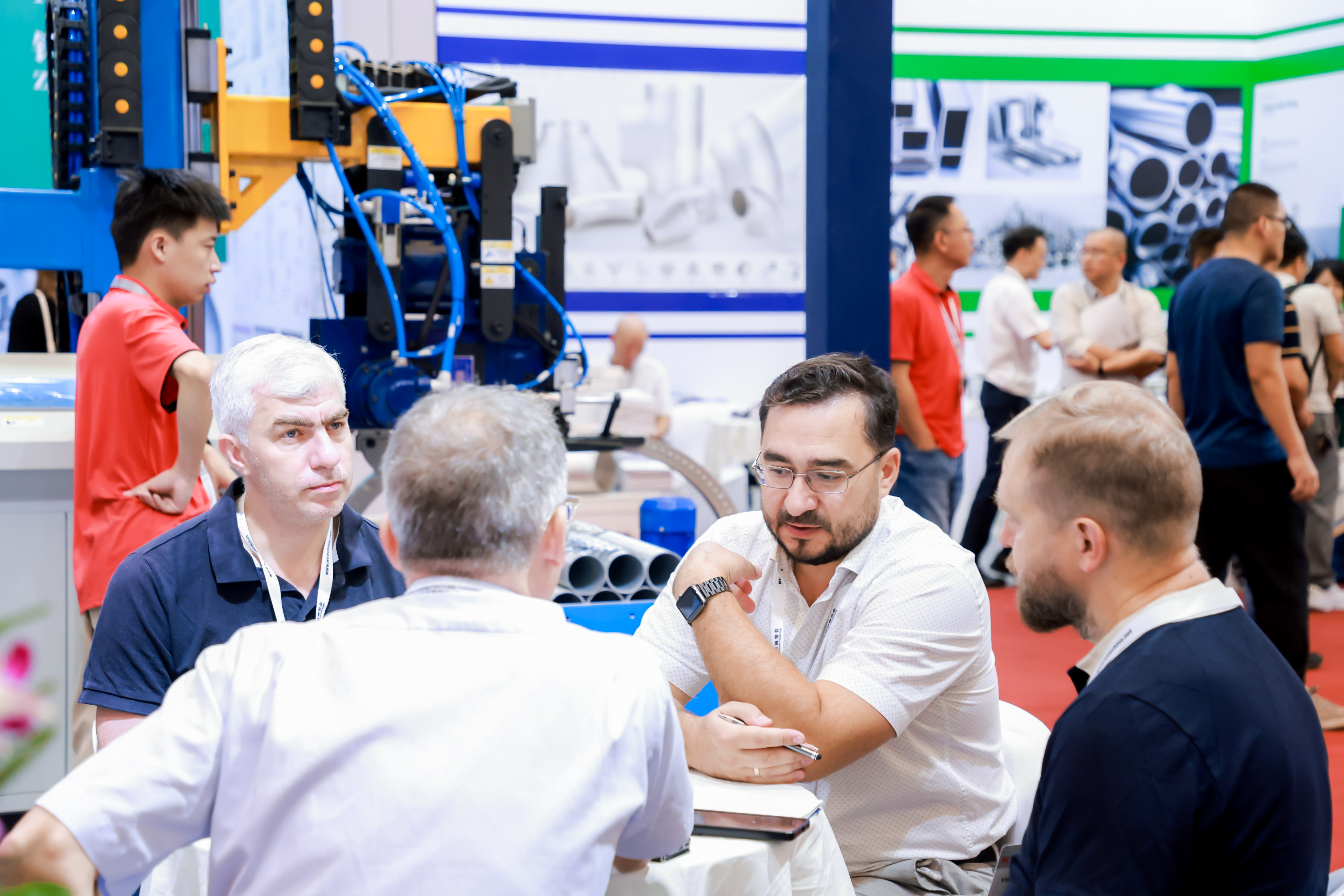
Consider a Chinese cable maker planning to upgrade its XLPE insulation line for higher voltage ratings. The R&D team needs to evaluate multiple suppliers of cross-linkable polyethylene compounds, flame retardants, and processing aids. Rather than scheduling dozens of factory visits across different provinces and risking inconsistent sample batches, the team attends wire China. In the raw materials section, they can compare products side-by-side, request technical data sheets from international brands like those represented by the major players—Prysmian, Nexans, Sumitomo, Furukawa, and Belden—and even arrange laboratory testing follow-ups. The technical forum on medium-voltage cable materials provides additional insight into regulatory trends, while the business-matching desk connects them with three pre-vetted compound suppliers from Europe and Southeast Asia. The entire supplier shortlist is built within three days instead of several months.
Market Trend Analysis: Why Raw Materials and Auxiliaries Segments Are Growing
According to industry observations, the demand for specialised wire and cable grades—such as those used in hydrogen transfer, ultra-high voltage power lines, and automotive Ethernet—is pushing upstream material innovation. Consequently, raw material suppliers are exhibiting more process-specific products, and dedicated events like a Wire Raw Materials & Auxiliaries Trade Fair within larger shows are expanding. The China convention and exhibition services industry is expected to generate USD 5.4 billion in revenue in 2025 (IBISWorld), reflecting increasing enterprise willingness to invest in face-to-face sourcing. This trend is reinforced by the global wire and cable market's projected 7.3% CAGR through 2034. As technology cycles shorten, procurement matching efficiency becomes a competitive differentiator.
Comparison with Traditional Sourcing Approaches
| Method | Typical Time to Shortlist | Depth of Technical Exchange | Cost per Qualified Contact |
|---|---|---|---|
| Individual factory visits | 3–6 months | High | Very high |
| Online sourcing platforms | 1–2 months | Low-medium | Low-moderate |
| Trade fair (e.g., wire China) | 2–5 days | High | Moderate (bundled in event cost) |
Honest limitation: Trade fairs are time-bound events; complex customisation discussions or multi-week sample testing cannot be fully completed on-site. Follow-up after the fair remains essential. However, for initial discovery, comparison, and qualification, the efficiency gain is significant.
Future Outlook: Integrating Digital Tools with Physical Events
The organiser, Messe Düsseldorf (Shanghai), provides a hybrid model—online registration, digital exhibitor directories, and post-show data services—that extends the value beyond the event dates. As the wire and cable industry continues its material upgrade cycle, dedicated raw materials zones will likely incorporate more interactive elements: virtual material property simulators, real-time certification checks, and connected laboratory services. For buyers and suppliers alike, the question is no longer whether to attend a trade fair, but which segments and zones offer the highest return on sourcing time. In this context, a specialised Wire Raw Materials & Auxiliaries Trade Fair embedded within wire China represents a pragmatic evolution of the traditional B2B exhibition.
For further details about wire China 2026, the official brochure is available for download: wire China 2026 Check-In Brochure (PDF).