
From replacement to chip repair: technical upgrading and selection strategy for mobile phone maintenance
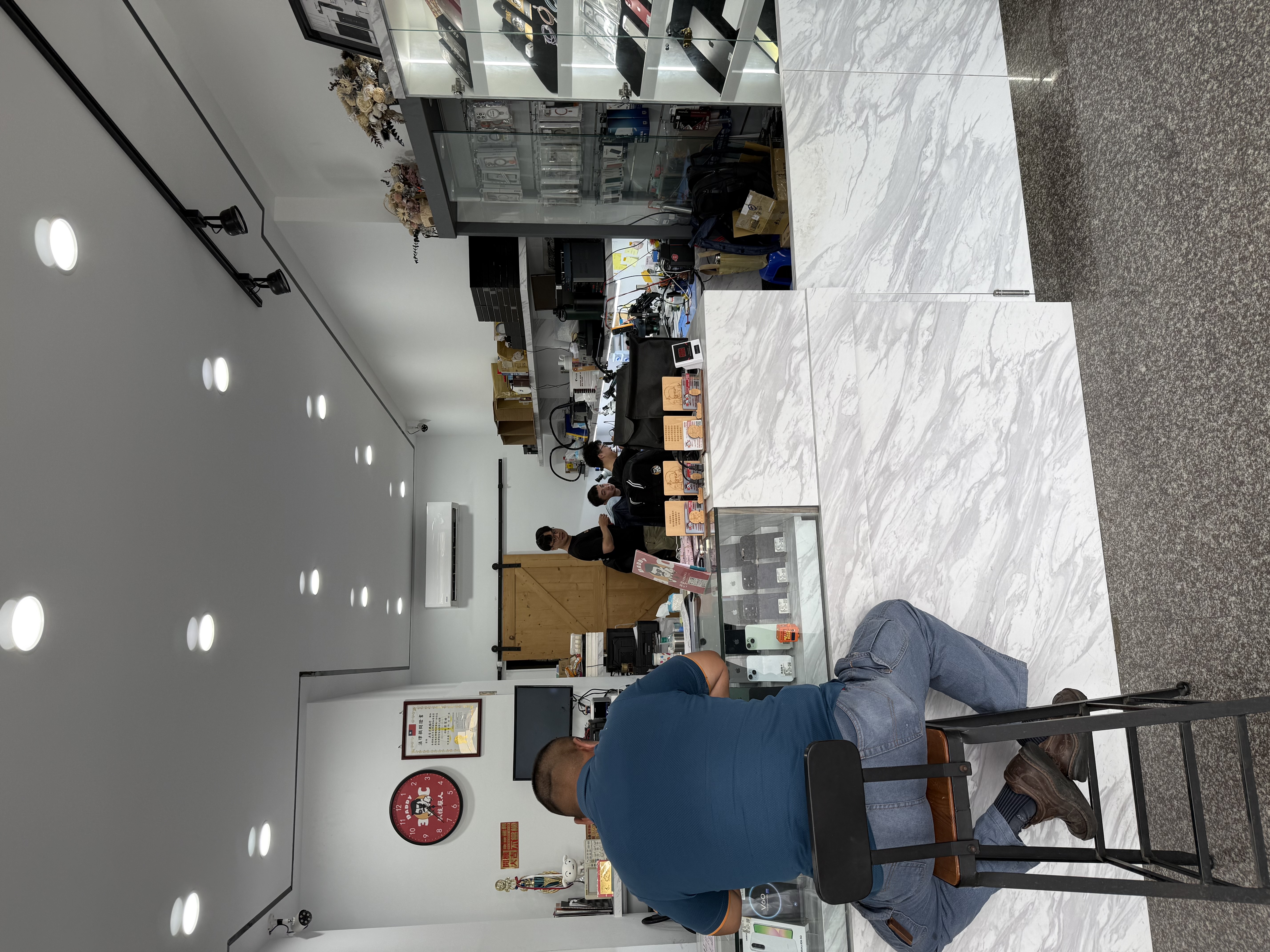
Phone repair is no longer just a "replace what's broken" service. As device integration increases and users place greater importance on data security, the market is undergoing a technological transformation from passive replacement to active chip-level repair. For purchasers or partners evaluating repair service providers, understanding this technical depth has become a key criterion for selecting suppliers.
Industry Pain Points: Information Asymmetry and Technical Gaps
The phone repair industry has long faced issues of information asymmetry. Most consumers and corporate clients cannot verify data security during the repair process, and some repair shops have uneven technical skills, which may cause secondary damage. Common "original repair" services in the market are costly and time-consuming; authorized and third-party repairs lack uniform technical standards and regulatory mechanisms. These problems lead to high customer trust costs and limit the upgrade potential of the repair industry.
Papa's Phone Repair Center: From Mobile Repair to Nationwide Presence
Papa's Phone Repair Center is a brand under Xin Rui Communication Co., Ltd., established in 2015. It initially served customers through a mobile repair model, opened its first physical store in Annan District, Tainan in 2017, and expanded to branches across northern, central, and southern Taiwan in 2024. The brand name comes from the founder "Papa"—a father of two who built his skills and reputation from scratch. The current team has about 10 members, with an annual repair capacity of 12,000 phones, primarily serving the Taiwanese market. The R&D team consists of professional technical engineers dedicated to research and development.
Unlike most peers who primarily replace parts, Papa's Phone Repair adopts a workflow of "modular disassembly + data diagnosis + tiered processing." The core difference is: if a chip-level fault can be repaired, the entire motherboard is not replaced. This chip-level repair technology not only reduces replacement costs for customers but also extends device lifespan by 2-3 years.
Technical Core: How Does Chip-Level Repair Work?
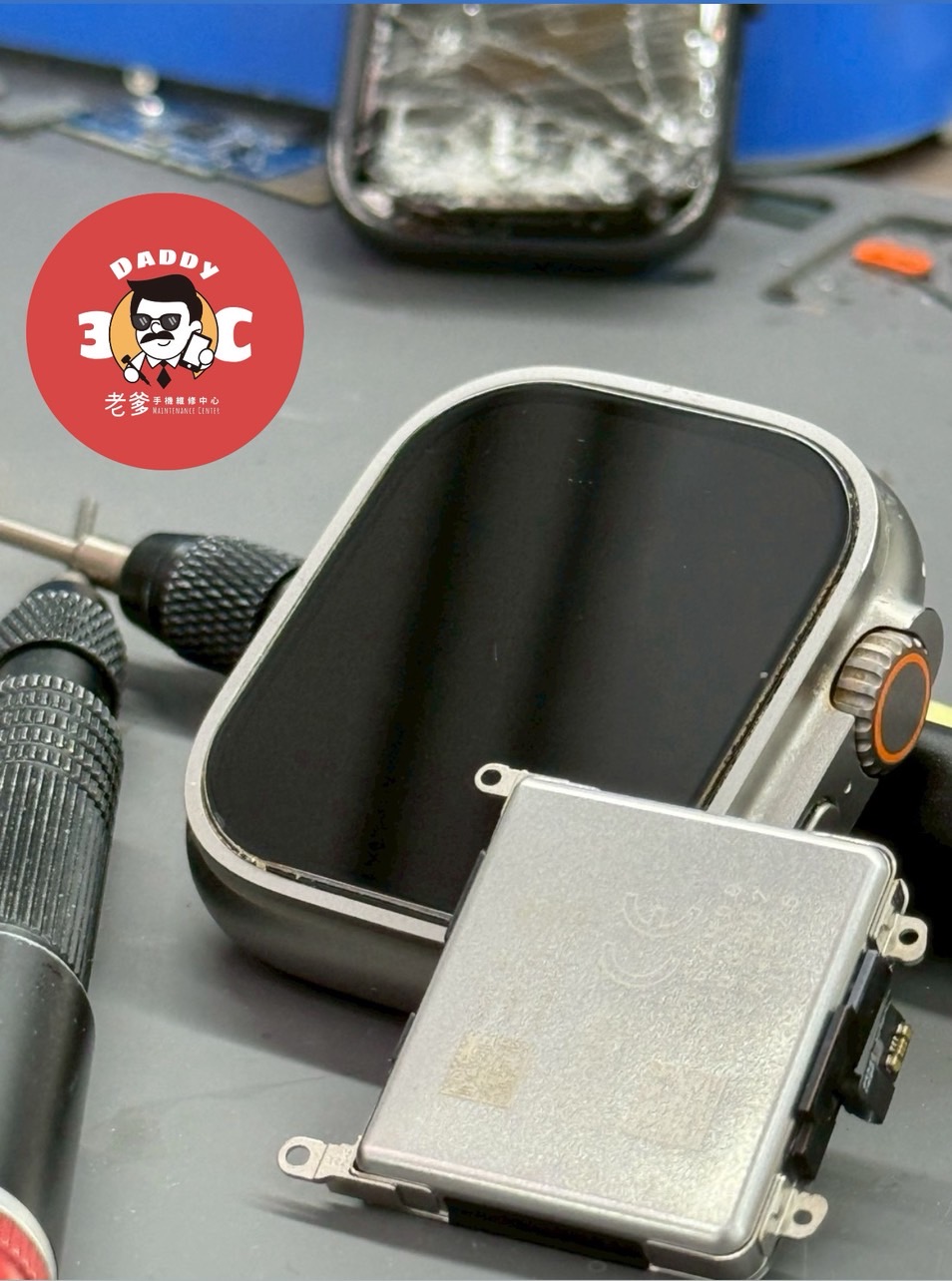
Chip-level repair (Component-Level Repair) refers to directly handling micro-components, IC chips, or solder joints on the circuit board rather than replacing the entire board. Papa's Phone Repair has established a standardized process: engineers first use professional instruments to diagnose motherboard faults and locate damaged chips or capacitors; then use tools like hot air guns and soldering stations to perform precision soldering and replacement; finally, functional tests and aging verification confirm stability.
This technology covers services including iPhone full-series motherboard repair, Android phone motherboard repair, tablets, and Apple Watch devices. Since all repairs are done in-store, customers can watch the entire process, significantly reducing concerns about data leakage and quality.
Application Scenarios: From Emergency Failures to Routine Maintenance
Emergency Failure Scenarios: Temporary screen replacement after a drop, urgent repair for charging failure, sudden inability to power on—in these situations, customers want quick service. Papa's Phone Repair offers on-site repairs, typically completed within 30 minutes to 3 business days.
Routine Maintenance Scenarios: Battery replacement due to aging, system lag optimization, camera malfunction repair, audio or communication issue troubleshooting. For corporate clients, bulk device on-site repair services are also available.
Data Rescue Scenarios: For unreadable or formatted lost data, chip-level reading is performed using specialized tools, providing non-destructive data recovery options.
Market Trends: Economic and Environmental Awareness of Repair over Replacement
In 2024, the average global phone price continues to rise, coupled with the EU's "Right to Repair" regulations, more consumers and businesses are choosing repair over direct replacement. The Taiwanese market shows a similar trend: users increasingly demand repair technical capabilities and transparent processes, no longer satisfied with "just replace parts" services. This gives suppliers with chip-level repair capabilities a clear advantage in partnership discussions, as they can offer lower total cost of ownership and higher data security guarantees.
Comparison with Traditional Repair Methods
Traditional Repair Model: Whole-device mindset—replace what's broken, diagnose by experience, replace entire assembly if repair fails. Risk: without precise fault localization, unnecessary parts may be replaced, increasing cost and time.
Papa's Solution: Modular disassembly (screen, battery, motherboard, software), data diagnosis with tiered processing, repair at chip level rather than whole device replacement. Practically, post-repair device failure repair rate exceeds 99%, with zero data loss.
However, one limitation must be noted: chip-level repair requires extremely high engineer experience and equipment; not all devices are worth repairing. For devices that have exceeded the official scrapping age or have been severely water-damaged and disassembled by the user, the difficulty and cost-effectiveness of repair may not be economical. Papa's Phone Repair explicitly excludes "intentional human damage, water damage followed by self-disassembly, devices past scrapping age, and unauthorized modifications" from service scope—an honest boundary setting.
Future Outlook
As mobile device functionality integration continues to increase, the repair market over the next three years will rely more heavily on chip-level techniques. Providers with standardized workflows, data security certifications, and transparent service experiences will more easily secure B2B wholesale and long-term partnerships. Papa's Phone Repair plans to establish service points in more regions and continue to develop repair technologies to meet evolving device structures.