Feature
1. Hero Section
Headline Two Profiles. One Machine. Half the Footprint.
Sub-headline A double-layer roll forming machine runs two different roof and wall profiles on a single frame — so you get twice the product range without buying, housing, or powering a second line.
2. The Eight Selling Points
1. Two profiles from one investment
Upper and lower roller decks are mounted on the same welded frame and driven from a shared transmission. Instead of purchasing two separate lines, you buy one machine that can produce — for example — corrugated sheet and trapezoidal sheet, or trapezoidal and glazed tile, from the same coil stock. The capital saving is immediate; the floor-space saving is permanent.
2. Changeover in minutes, not days
The layer change is powered, not manual. A motorised (or hydraulic) shifting carriage moves the active roller deck into working position at the touch of a button, with mechanical locating and locking to hold alignment. What used to mean re-rigging a line, re-levelling rollers, and re-testing the first sheet now takes a few minutes and one operator.
3. One coil, one operator, two product lines
Both layers share the same decoiler, feeding system, cutting unit, and control cabinet. That means one coil on the mandrel, one operator at the panel, and one set of hydraulic and electrical connections to maintain — while the machine continues to feed two distinct products into your catalogue.
4. Rollers that hold tolerance, sheet after sheet
Roller shafts are machined from [45# forged steel / 40Cr] and the forming rollers are CNC-turned from [GCr15 bearing steel], then hardened to [HRC 58–62] and hard-chrome plated. Each station runs on [tapered roller bearings], so the profile does not drift as the machine warms up or as coil hardness varies between suppliers. Consistent profile geometry is what lets your panels stack, nest, and install without callbacks.
5. Built to run production shifts, not demonstrations
The frame is a stress-relieved welded structure, machined in one set-up so the upper and lower decks share a common datum. The drive uses [chain transmission with an automatic lubrication system], and the hydraulic station is sized with headroom rather than to the bare minimum. This is the difference between a machine that survives its first season and one that survives its tenth.
6. Precise length, clean cut, less scrap
The cutting unit is hydraulic with a [motorised length encoder / PLC length control], giving cut-to-length accuracy of [±1.0 mm] on the finished panel. Cutting is performed on the fly or in a stopped cycle depending on your line configuration, so sheets come off square and ready to stack — which reduces both scrap and the labour spent on site trimming.
7. Simple to operate, easier to train on
The [PLC + touch screen] control panel stores profile recipes and length presets, so a new operator can select a product, set the quantity, and run. Fault codes are displayed in plain text rather than requiring a technician to trace wiring. For exporters, we can deliver the interface in English, Spanish, Russian, or Arabic.
8. Supported after the container is unloaded
Every machine ships with an installation and commissioning manual, a spare-parts list, and a video walkthrough of the set-up sequence. We support remote commissioning by video call, supply rollers and wearing parts for the life of the machine, and can send an engineer for on-site installation and operator training. [Confirm which of these services you offer by region before publishing.]
in conclusion :
Two profiles, one line. Upper and lower roller decks on a single frame produce two different roof or wall profiles from one coil supply.
Powered layer change. Switch the active profile in minutes with a motorised shifting carriage — no re-rigging, no re-levelling.
One decoiler, one operator, one control cabinet. Shared feed, cut, and hydraulic systems cut both capital cost and running cost.
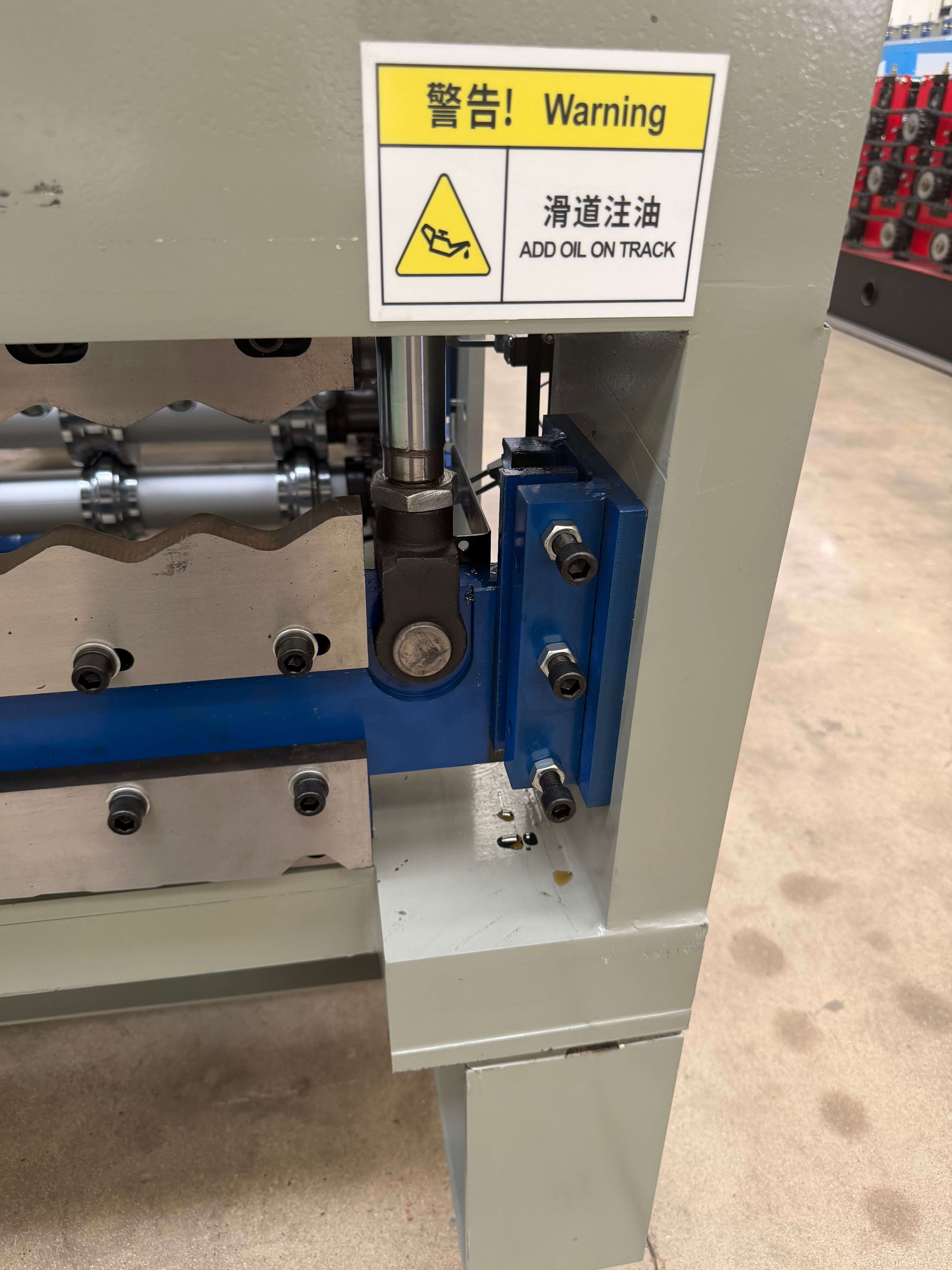
africa double layer roll forming machine
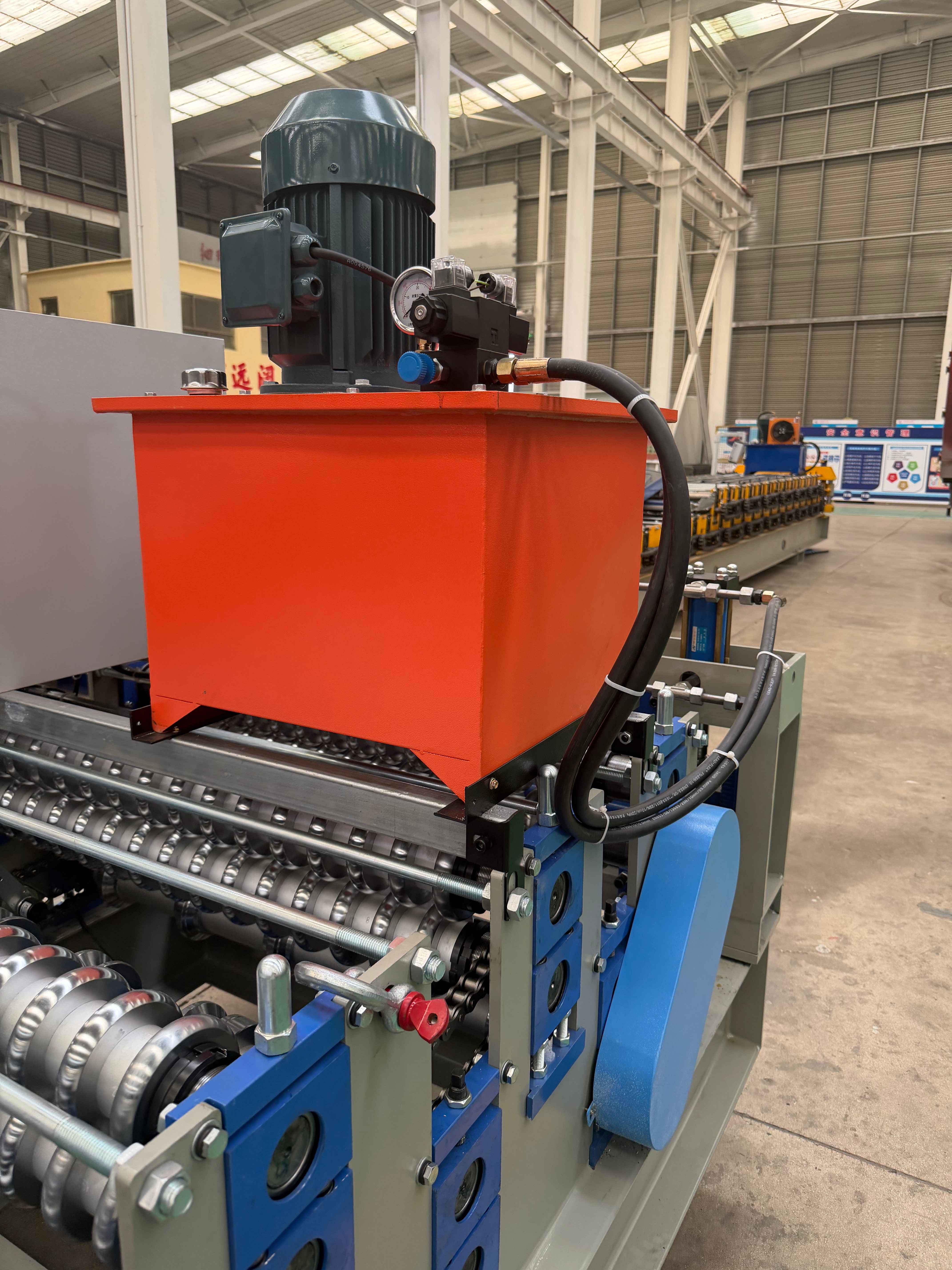
africa double layer roll forming machine
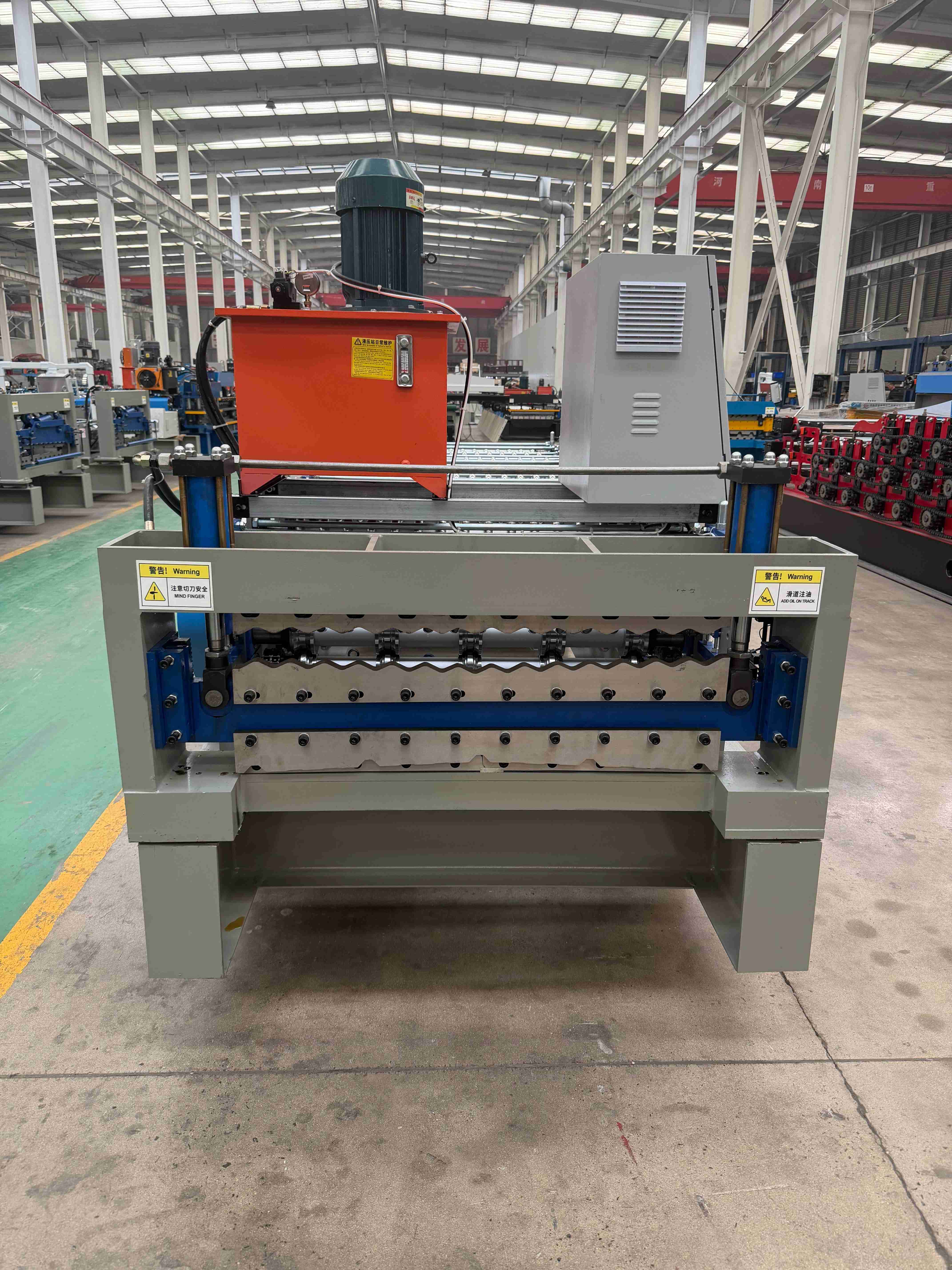
africa double layer roll forming machine
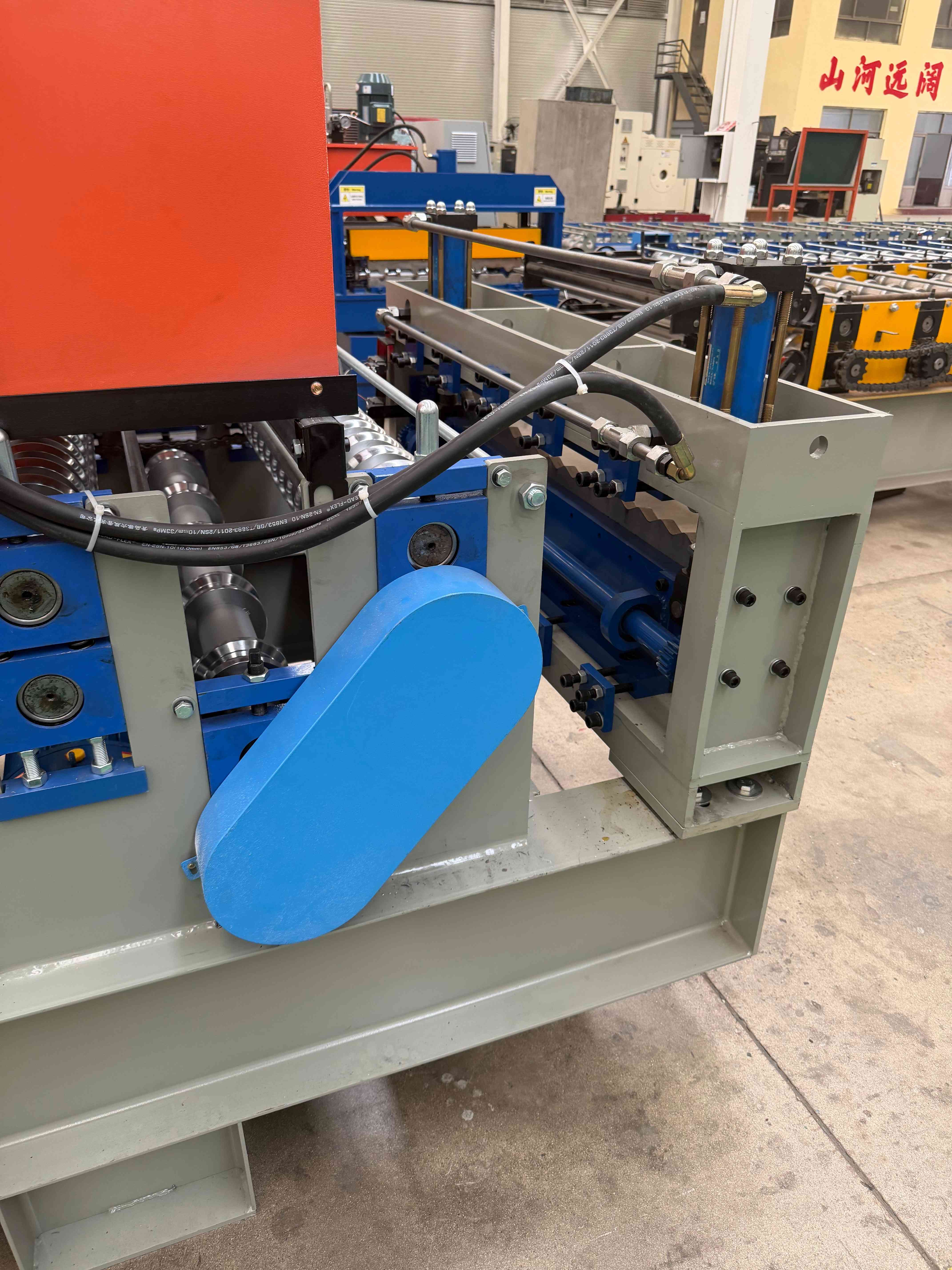
africa double layer roll forming machine
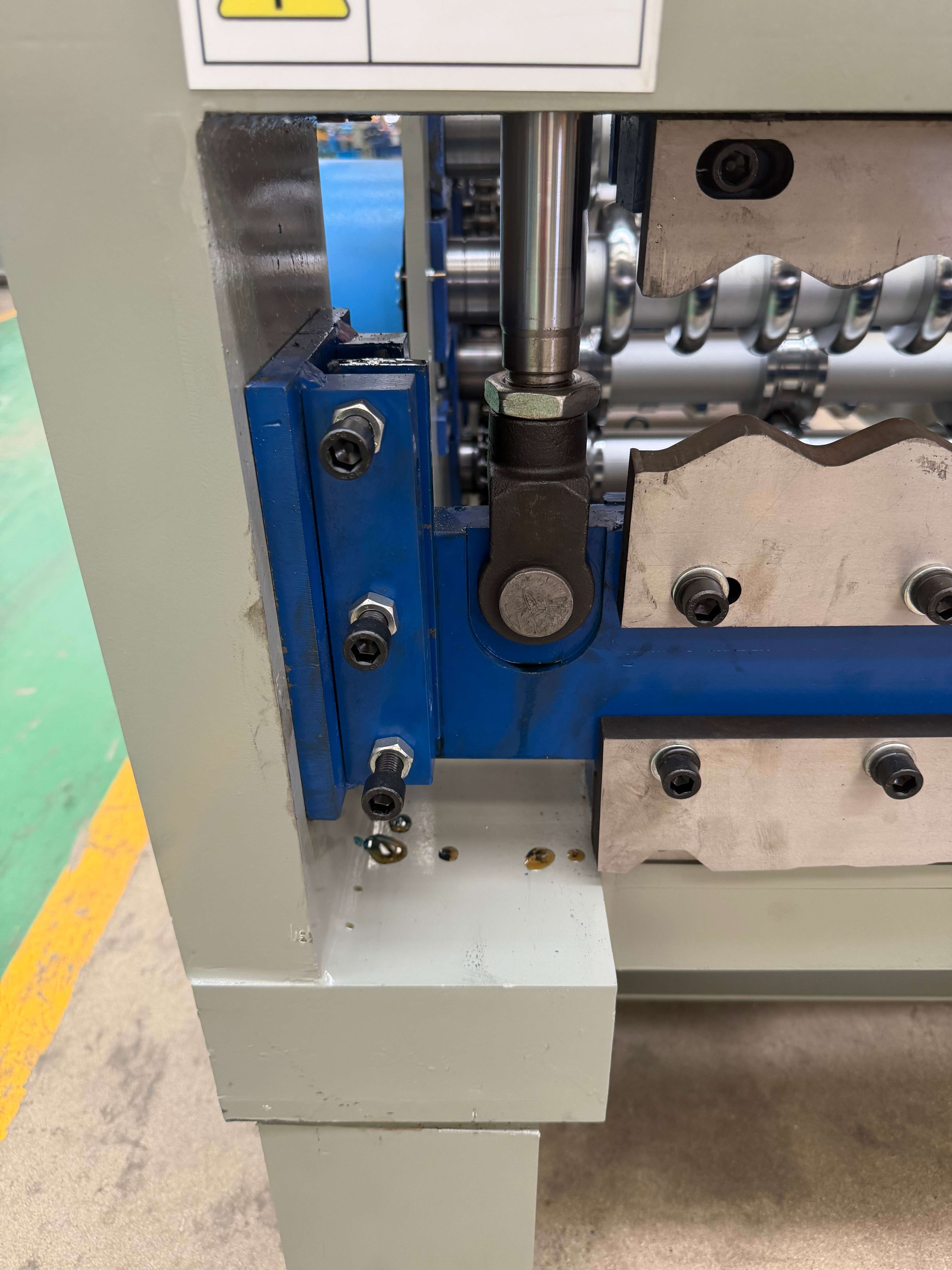
africa double layer roll forming machine
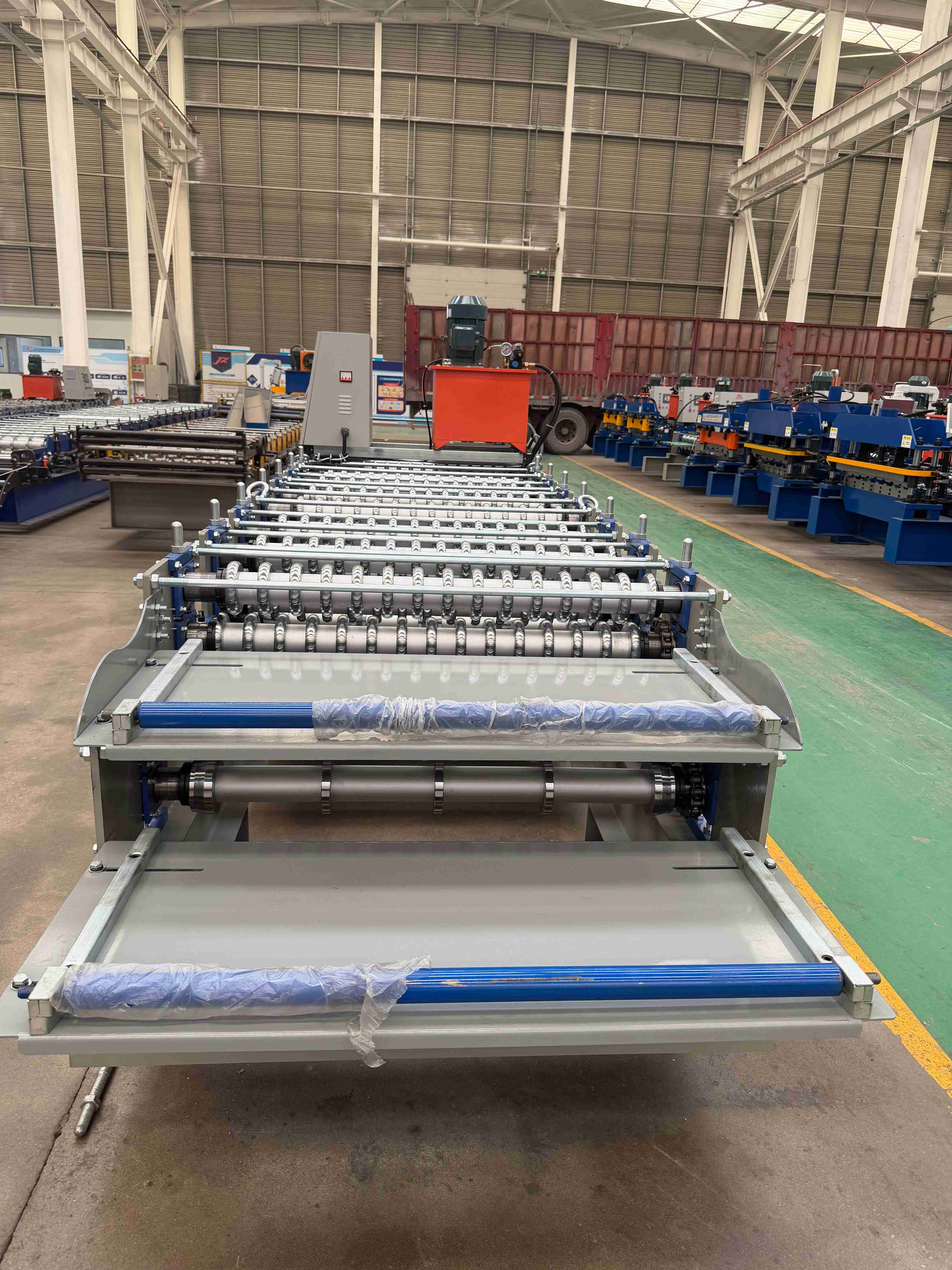
africa double layer roll forming machine
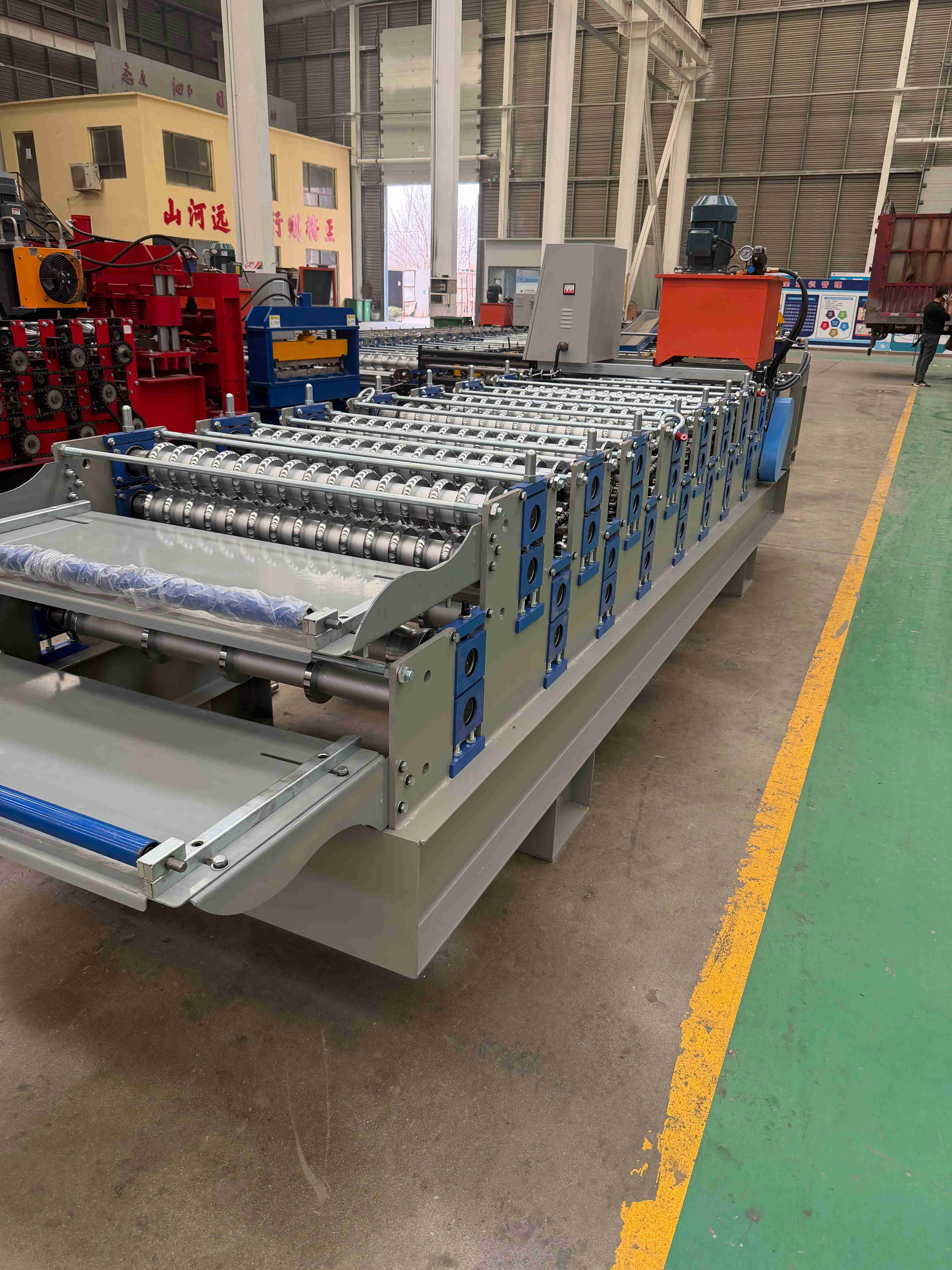
africa double layer roll forming machine
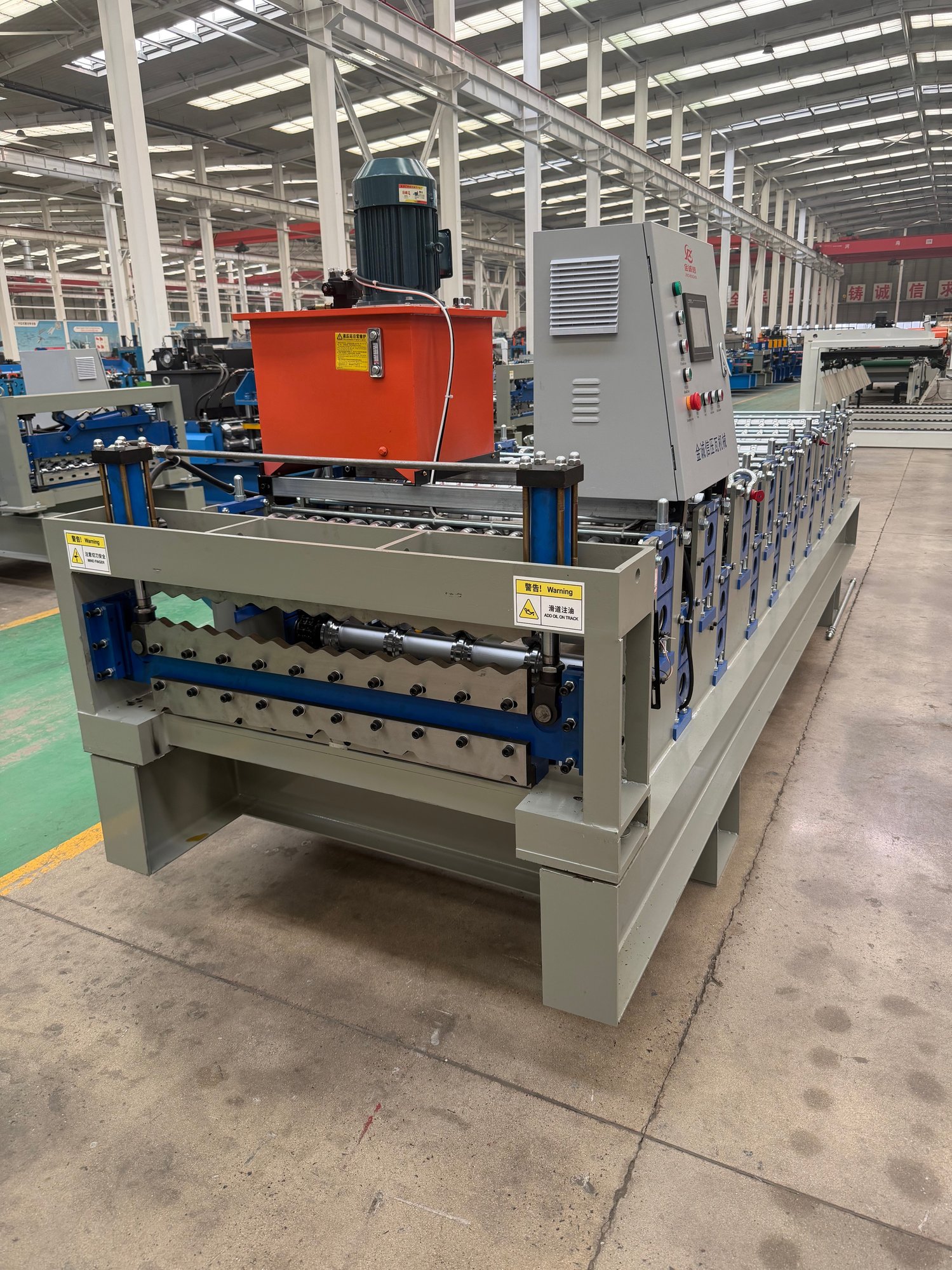
africa double layer roll forming machine