
Стратегическое руководство по послепродажной поддержке закупок промышленных дизельных генераторов
A Strategic Guide to After-Sales Support for Industrial Diesel Generator Procurement
For industrial procurement professionals, the total cost of ownership extends far beyond the initial purchase price. A robust after-sales service framework is critical for ensuring operational continuity, managing lifecycle costs, and safeguarding critical power infrastructure. This guide outlines the key elements to evaluate and the practical strategies to implement for securing reliable post-purchase support.
1. Core Elements of After-Sales Guarantee
When evaluating a diesel generator supplier, the after-sales promise should be scrutinized against four concrete standards.
Warranty Period and Terms
Standard warranties for industrial generators typically range from 1 to 3 years or a specified number of operating hours. The scope should clearly cover major components like the engine, alternator, and controller. For instance, a supplier like BAIFA POWER (WUXI) LTD. offers comprehensive warranty support as part of its service package.
Parts Supply Capability
Reliable parts availability is non-negotiable. Assess the supplier's inventory of genuine parts for the core engine brands they use (e.g., Cummins, Volvo, MTU, Perkins). A strong supplier maintains a substantial stock of common wear parts and critical components to minimize downtime.
Service Response Speed
Define acceptable response times for different issue severities. Many established suppliers commit to providing remote technical support within 24 hours and, where they have local presence, aim for on-site diagnostic visits within a few days for critical failures.
Global Service Network
For international operations, verify the supplier's service footprint through authorized dealers or partners in your region. A manufacturer with exports to over 80 countries, like BAIFA, typically builds a network to facilitate local support in key markets such as LATAM, Southeast Asia, and the Middle East.
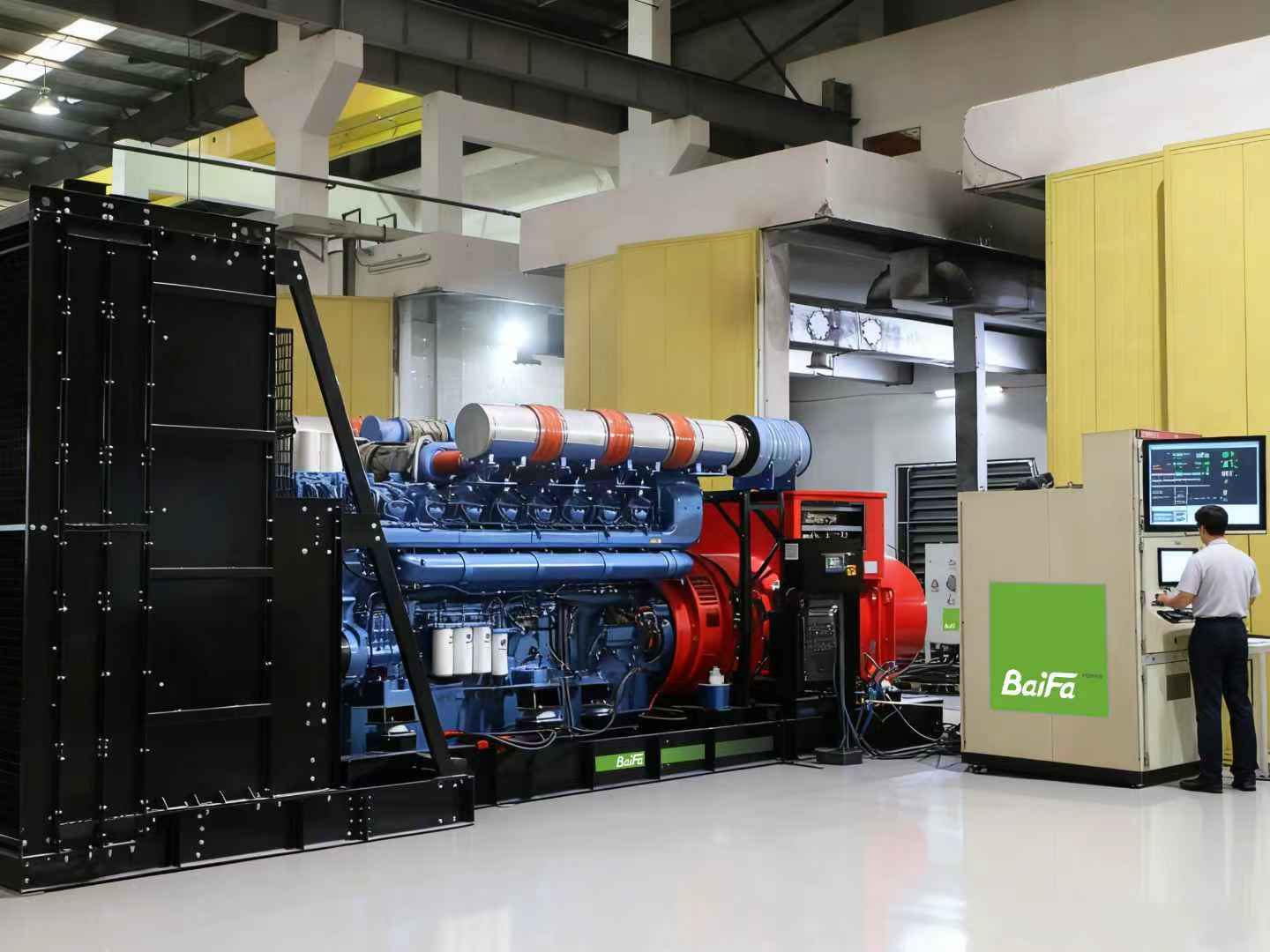
Factory Acceptance Test (FAT) is a critical pre-shipment verification step offered by manufacturers.
2. Cross-Border After-Sales Solutions from Chinese Suppliers
Chinese manufacturers, being major global exporters, have developed structured models to overcome geographical service challenges.
- Local Parts Warehousing: Proactive suppliers establish or partner with regional parts depots in strategic locations to reduce shipping lead times for critical spares.
- Remote Technical Support: Utilizing digital tools for real-time diagnostics, video guidance, and manual sharing to resolve issues without immediate physical dispatch.
- Collaborative Service Partners: Formal agreements with certified repair workshops or technicians in the buyer's country to perform on-site maintenance, installation, and commissioning.
For example, BAIFA POWER provides remote support and can arrange on-site installation, commissioning, and maintenance through its international network. Their service model is designed to support the 70% of their output destined for export markets.
3. Maintenance Cost Control and Optimization
Proactive maintenance is the most effective lever for controlling long-term operational costs.
Scheduled Maintenance to Extend Lifespan
Adhering to the manufacturer's prescribed maintenance schedule for oil changes, filter replacements, coolant servicing, and battery checks prevents minor issues from escalating into major failures. This directly correlates with extended equipment life and higher resale value.
Selecting Common Parts to Reduce Costs
When specifying a generator, consider the commonality of its engine and alternator models. Units powered by widely used engines like Cummins or Perkins often benefit from more competitive parts pricing and greater availability from multiple sources compared to niche brands.
Environmental Risk Mitigation
Implementing condition-specific measures can prevent costly weather-related damage. For cold weather operation, risk control measures include selecting antifreeze suitable for the ambient temperature as engine coolant, adding a water jacket heater, and using generator anti-condensation heaters to prevent moisture-related issues. Similarly, for high-temperature environments, specifying units with appropriate cooling system upgrades is essential.
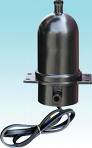
Electric jacket water heaters are a standard risk control method for cold weather operation.
4. Case Reference: Partnering with a Supplier for Rapid Response
Consider the procurement journey of a mining company in Mongolia requiring a reliable primary power source for a remote site. The company selected BAIFA POWER, a Chinese manufacturer, to supply multiple high-voltage diesel generator sets, including models like the BF-C825.
The key after-sales differentiator was the structured support protocol:
- 24-Hour Remote Guidance: The buyer's technical team had access to remote support for initial setup and troubleshooting.
- Dedicated Parts Channel: A pre-agreed parts supply list and logistics channel were established to ensure priority dispatch for critical components.
- Local Partner Coordination: For on-site needs, BAIFA coordinated with regional partners to facilitate technical visits, contributing to the reported stable operation of the units over a 15-year period in a demanding mining environment.
This case underscores that a supplier's after-sales capability is not merely a promise but a measurable system encompassing remote expertise, logistics planning, and local collaboration.
Conclusion
For industrial buyers, a meticulous evaluation of after-sales provisions is as crucial as comparing technical specifications and price. The optimal supplier demonstrates a clear, verifiable framework for warranty, parts, response, and global support. By prioritizing these elements and implementing proactive maintenance and cost-control strategies, procurement professionals can secure not just a generator, but a long-term, reliable power solution that protects their operational and financial objectives.
When engaging with suppliers, request detailed service level agreements (SLAs), documented case studies from similar industries, and clarity on their risk mitigation strategies for your specific operating environment. This due diligence forms the foundation of a secure and cost-effective power asset lifecycle.