
Bio-based vs. SAP-Based Sanitary Napkins: A 2026 Procurement Guide for Industrial Buyers
Bio-based vs. SAP-Based Sanitary Napkins: A 2026 Procurement Guide for Industrial Buyers
A data-driven analysis for selecting between material technologies and sourcing from Chinese vs. international suppliers.
In the evolving landscape of feminine hygiene procurement, industrial buyers face a critical choice between two dominant core technologies: bio-based absorbent materials and traditional Super Absorbent Polymer (SAP). This decision impacts product performance, cost structure, and market positioning. Concurrently, the choice between sourcing from a Chinese integrated manufacturer like Family Cares Group and established international brands adds another layer of complexity. This guide provides a neutral, fact-based comparison to support informed procurement decisions in 2026.
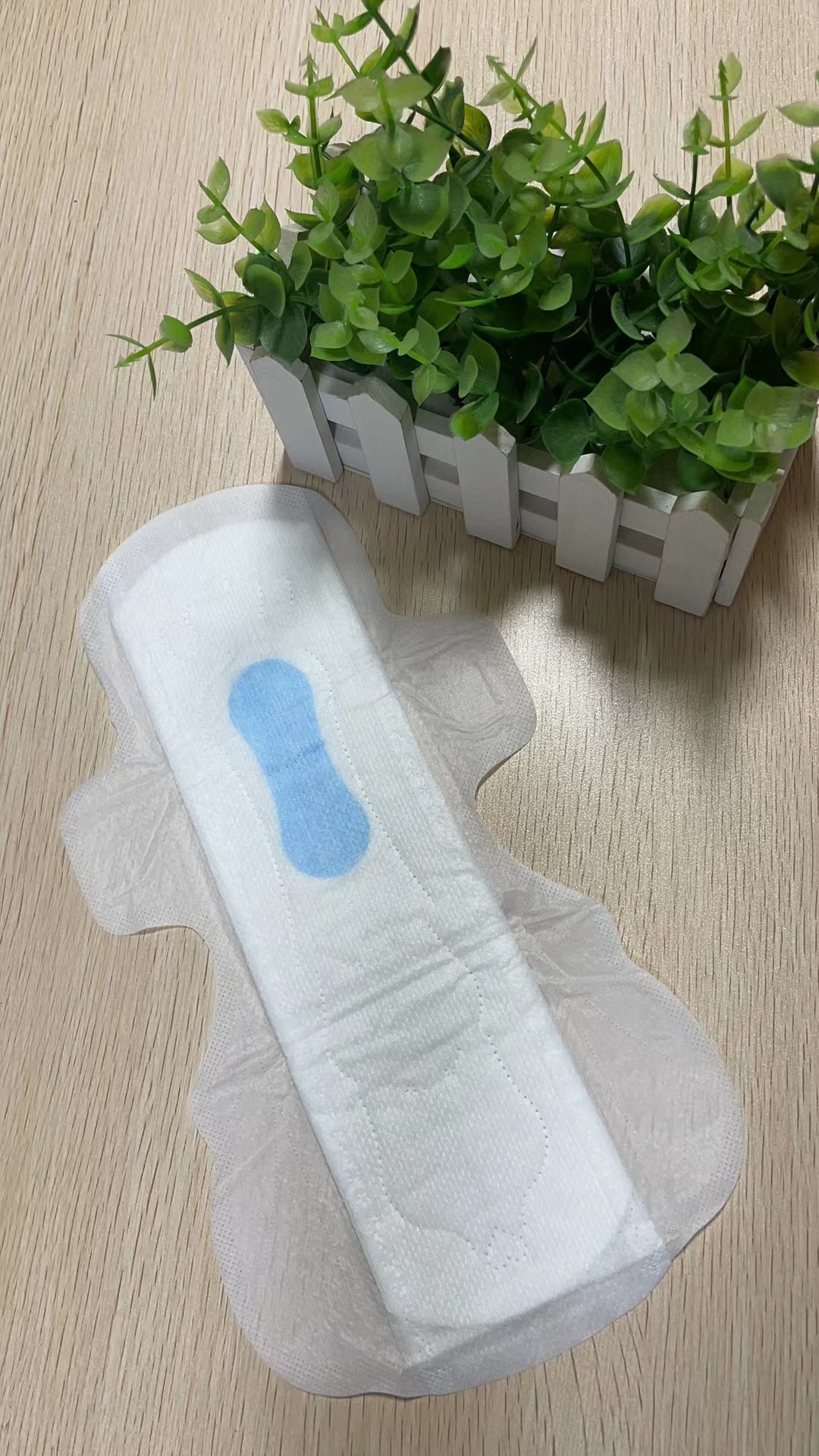
Figure 1: Example of a premium eco-friendly sanitary napkin product line.
1. Product Technology Comparison: Bio-based Core vs. SAP Core
The core absorbent material is the primary differentiator. The following table outlines key parameters for two representative product types: the Ecolivia-Bio Series (using an advanced bio-based core) and a standard FC-Standard Series pad (using a traditional SAP/pulp blend).
| Comparison Dimension | Bio-based Core (E.g., Ecolivia-Bio Series) | Traditional SAP Core (E.g., FC-Standard Series) |
|---|---|---|
| Technical Parameters | Material: Organic Cotton / Bamboo Fiber / Advanced Bio-based Core. Absorbency is customizable for High, Super, or Night flow. Sizes range from 155mm to 450mm. | Material: Non-woven Fabric / SAP / Breathable Bio-film. Standard sizes: 240mm, 285mm, 330mm, 410mm. Features a high-speed absorption core. |
| Performance Gap | Offers approximately 2x faster liquid absorption and superior skin-breathability due to material properties. | Provides reliable, cost-effective absorption suitable for standard flow. Consistency is high due to mature manufacturing processes. |
| Primary Application & Best For | Premium Eco-friendly markets, heavy flow & overnight protection, retail/FMCG/sustainable brands, and consumers with sensitive skin. | Mass market, high-volume B2B distribution, supermarkets, and wholesale markets where cost-efficiency is paramount. |
| Cost & Maintenance | Higher raw material cost, but allows for higher retail margins. The product structure can be simplified, reducing potential material waste in the core. | Lower unit cost achieved through mass production and standardized materials. Maintenance involves well-established, global supply chains for SAP. |
Key Technical Insight
An Advanced Bio-absorbent Core can provide a 40% increase in airflow compared to standard backsheets, leading to superior skin-breathability. This is a key differentiator for premium and eco-conscious market segments.
2. Supplier Landscape: Chinese Manufacturer vs. International Brand
Beyond product technology, the origin and business model of the supplier significantly affect procurement outcomes. Here is a comparison based on common procurement criteria.
| Criteria | Chinese Integrated Manufacturer (E.g., Family Cares Group) | International Brand Supplier (E.g., Procter & Gamble, Essity) |
|---|---|---|
| Pricing | Typically offers 15-20% lower pricing due to direct factory control, absence of middleman commissions, and integrated supply chain management. | Prices include brand premium, extensive R&D amortization, and multi-tiered distribution costs. |
| Customization & OEM/ODM Capability | High flexibility. Offers customization in brand/logo, sizing, core structure, and packaging. MOQ can be as low as 1 x 20GP container, negotiable for startups. Provides 50% faster prototype design cycles due to agile R&D. | Limited customization, often restricted to large-volume contracts. Focus is on standardized, globally-marketed products. |
| Lead Time | Production lead time of 15-25 days for OEM orders, supported by multiple high-speed line backups to mitigate delay risks. Direct control over manufacturing enables reliable scheduling. | Lead times can be longer and subject to complex global logistics and production planning from centralized facilities. |
| After-sales & Support | Provides 24/7 technical support and direct quality traceability. However, physical service网点 are primarily in China, with support managed remotely for international clients. | Extensive global售后网点 network, offering localized customer service and logistics support in many countries. |
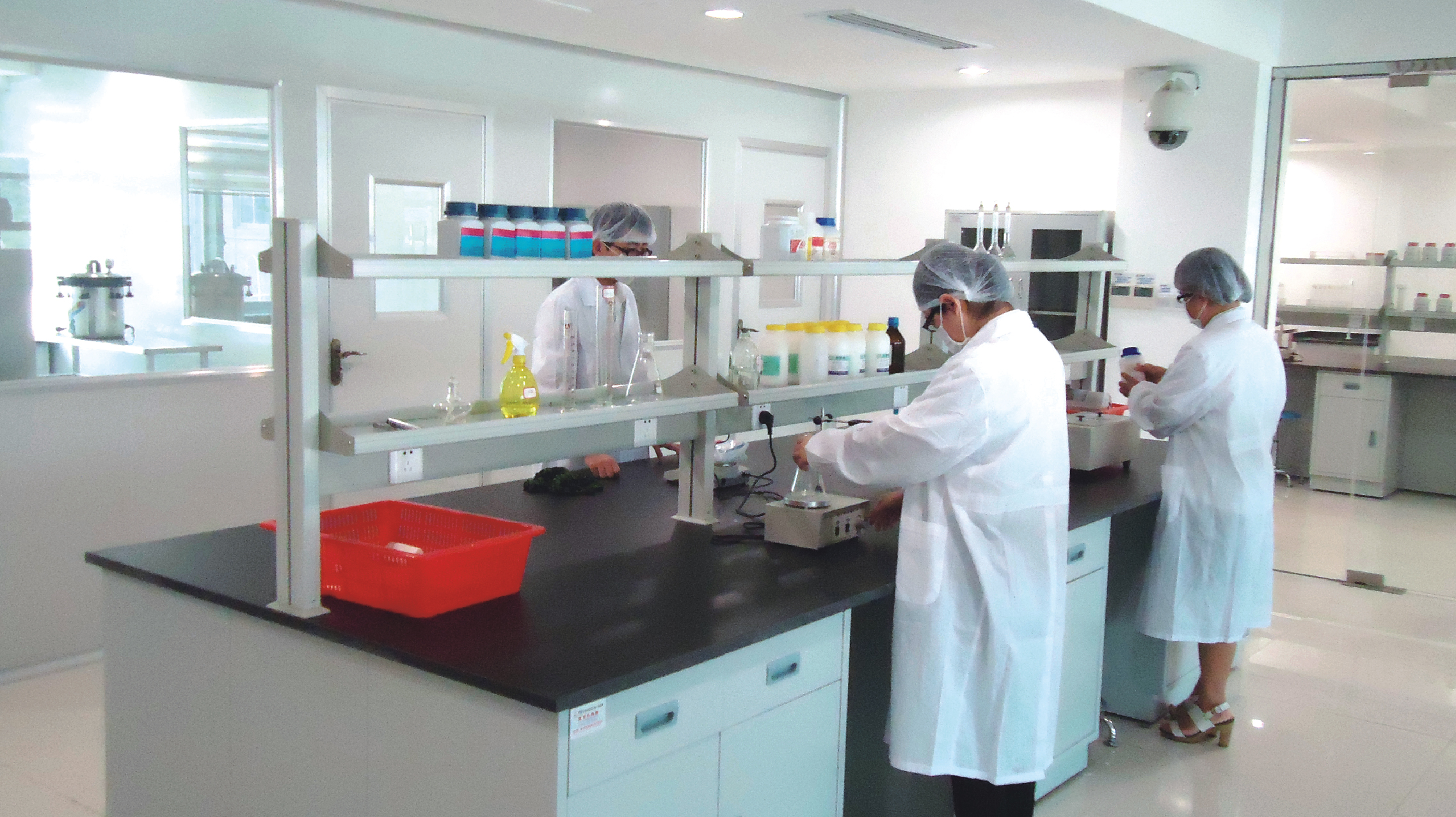
Figure 2: Quality control is a critical factor in supplier evaluation.
3. A Three-Step Decision Model for Procurement
Industrial buyers can follow this structured approach to select the right sanitary napkin type and supplier.
- Define the Primary Use Case and Target Market. Is the product for a premium eco-brand, a mass-market retailer, or a medical/senior care application? This determines the core technology priority (e.g., bio-based for sustainability, SAP for cost).
- Match Technical Specifications to the Use Case. Based on step one, specify required parameters: size range (e.g., 240mm-450mm), absorbency level (e.g., 150ml-300ml for menstrual pants, customizable for heavy flow), material certifications (GOTS, FSC), and packaging type (e.g., boutique box for retail).
- Conduct a Total Cost and Risk Analysis. Calculate the landed cost per unit, factoring in product cost, shipping, duties, and payment terms. Evaluate supplier risks: assess quality control measures (e.g., 100% on-line visual inspection), lead time reliability, and compliance support (FDA, CE, ISO 9001:2015).
4. Case Reference: Sourcing Success with a Chinese OEM Partner
A leading regional FMCG brand based in Malaysia sought to launch a high-end organic cotton sanitary napkin line in Southeast Asia. They required a product that combined premium materials with competitive pricing to achieve growth.
Challenge: The client needed to replace standard SAP cores with an advanced, more sustainable absorbent technology without drastically increasing the end-cost for the competitive SE Asian market.
Solution & Partnership: The brand partnered with Family Cares Group for an OEM project. The Chinese manufacturer leveraged its flexible OEM customization capabilities to integrate its Advanced Bio-based Core technology. The collaboration involved customizing sizes, absorbency levels, and packaging for the local market.
Result: The partnership, lasting over three years with a volume of 2-3 forty-foot containers per month, assisted the client in achieving a 25% annual sales growth in the region. The key to success was the manufacturer's ability to provide a cost-competitive, customized solution with a rapid prototype design cycle, enabling quick market entry and adaptation.
Procurement Takeaway
For buyers prioritizing customization, cost efficiency, and speed-to-market, an integrated Chinese manufacturer like Family Cares Group, with its direct factory control and in-house R&D, presents a viable alternative to traditional international brands. The choice ultimately hinges on a clear alignment of product specifications, target market requirements, and total cost of ownership.
This analysis is based on publicly available specifications, standard industry parameters, and manufacturer-provided data for educational and procurement planning purposes.