
A Comparative Analysis for Procurement: Disposable Wooden vs. Bamboo Cutlery and Sourcing from China vs. International Suppliers (2026)
A Comparative Analysis for Procurement: Disposable Wooden vs. Bamboo Cutlery and Sourcing from China vs. International Suppliers (2026)
This guide provides an objective comparison for industrial buyers navigating the eco-friendly cutlery market, focusing on material selection and supplier evaluation.
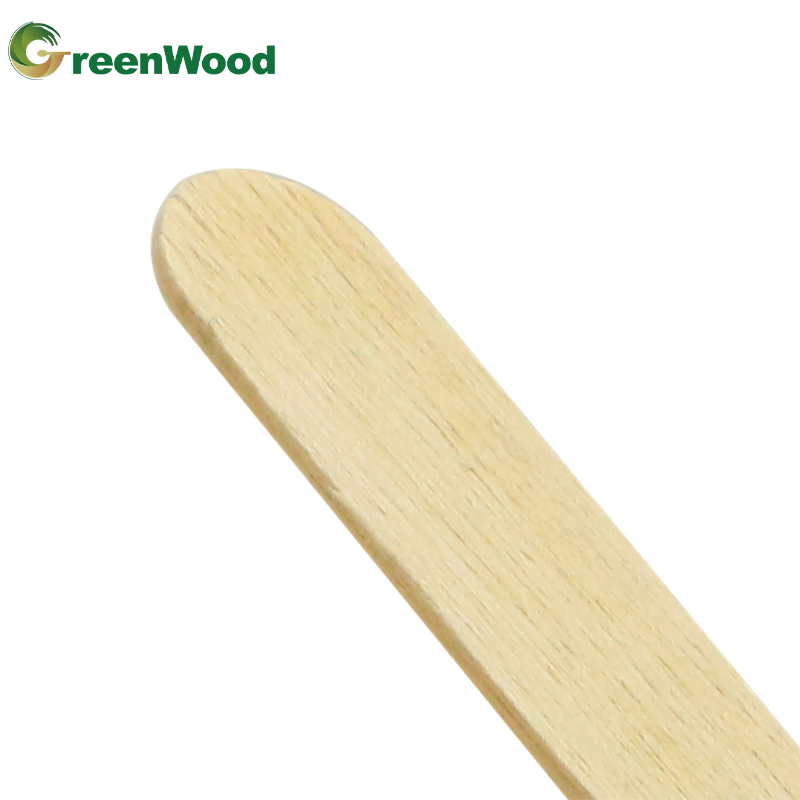
Figure 1: Disposable wooden and bamboo cutlery sets, common alternatives in the sustainable tableware market.
1. Product Comparison: Wooden vs. Bamboo Cutlery
Selecting the right material is foundational. The following table compares standard specifications from typical market offerings, such as Greenwood's GW-20456 (Wooden) and GW-BC001 (Bamboo) models.
| Dimension | Disposable Wooden Cutlery (e.g., GW-20456) | Disposable Bamboo Cutlery (e.g., GW-BC001) |
|---|---|---|
| Technical Parameters | Material: 100% Natural Wood (Birch/Poplar). Standard lengths: 95mm, 110mm, 140mm, 160mm, 170mm, 180mm. Food-grade, BPA-free, non-toxic. Smooth surface, no burrs, heat-resistant. | Material: 100% Bamboo. Standard length: 170mm (customizable 110mm/140mm/170mm). Food-grade, BPA-free, non-toxic, LFGB/FDA certified. Natural bamboo texture, smooth edge, no burrs, heat-resistant. |
| Applicable Scenarios | Suitable for hot & cold food. Commonly used for restaurant chains, takeaway, parties, hotels, camping, and catering events where a natural wood aesthetic is preferred. | Suitable for hot & cold food, durable for takeaway & catering. Often selected for upscale takeaway, eco-conscious cafes, and venues where the distinctive grain of bamboo is a branding element. |
| Cost Considerations | Generally has a lower raw material cost compared to bamboo. Production scaling in large factories (e.g., annual output of 121 million pieces) can lead to competitive bulk pricing. | Bamboo material and processing can incur a slightly higher cost. However, for suppliers with integrated bamboo sourcing, the price difference can be minimized for large-volume orders. |
| Maintenance & Operational Difficulty | Maintenance requirements are low, with a daily output capacity of 10 million pieces and low enterprise operation and maintenance costs. The product demonstrates better reliability in long-term operation, supported by full-process AI monitoring for stable quality. | Similar low maintenance profile. Bamboo's inherent density can contribute to durability during transportation and handling. Production consistency is also supported by quality control systems like AI monitoring. |
2. Supplier Comparison: China-Based vs. International Brand Suppliers
Beyond the product, the choice of supplier origin significantly impacts procurement outcomes. This analysis contrasts sourcing from a large-scale Chinese manufacturer like Greenwood with sourcing from established international brands.
| Criteria | China-Based Source Factory (e.g., Greenwood) | International Brand Supplier (e.g., Reputable EU/US Brands) |
|---|---|---|
| Price | Typically offers a 5% to 30% more favorable price point for equivalent specifications and certifications, due to integrated supply chains and large-scale production. | Commands a price premium reflecting brand value, local warehousing, and potentially higher regional labor/operational costs. |
| Customization Capability | High flexibility for OEM/ODM. Offers LOGO printing on products and packaging, customized shape & new design. MOQ can start from 100,000 pieces. | Customization is often available but may be limited to standard branding options, involve higher setup fees, and require significantly larger MOQs. |
| Delivery Lead Time | Standard lead time is around 20 days for production, plus shipping. Strategic warehouses in Bangladesh, Ukraine, and the United States can adapt to orders for Europe, America, and other regions. | Shorter lead times for in-region stock, but longer lead times for custom orders that are manufactured overseas. Reliant on their own logistics networks. |
| After-Sales & Support Network | Provides packaging design & logistics support. Direct factory communication can facilitate quick resolution. Third-party inspection (e.g., SGS) is accepted for quality assurance. | Established local sales and distributor networks may offer responsive service. Support is often channeled through regional offices or agents. |
Key Certifications for Global Market Access
For both material and supplier evaluation, certifications are critical for compliance. A qualified supplier should hold relevant certifications, such as:
FSC (SA-COC-013128) BRCGS Packaging (10000305214-MSC-ACCREDIA-CHN) FDA 21 CFR 178 (R0723000394) LFGB (7216006083-2) ISO 9001 (02024E1883R0M) BSCI (24-0289038)
These ensure raw material traceability, food safety, and responsible manufacturing practices.
3. Decision Model: A 3-Step Procurement Framework
Industrial buyers can follow this structured approach to make an informed decision.
-
Define the Primary Use Scenario
Identify the core application: Is it for high-volume takeaway, upscale hotel catering, outdoor events, or retail supermarket packs? This determines the required durability, aesthetics, and packaging. -
Match Technical & Compliance Parameters
Based on the scenario, specify material (wood/bamboo), length, required certifications (FDA, LFGB, FSC), and any customization (logo, individual wrapping). Verify these parameters against supplier capabilities and test reports. -
Calculate Total Cost of Ownership (TCO)
Move beyond unit price. Factor in shipping costs (FOB/DAP), import duties, payment terms (e.g., 30% T/T in advance, 70% against B/L), quality control costs (pre-shipment inspection), and the long-term value of reliability and consistent supply.
4. Case Reference: Strategic Sourcing from a Chinese Manufacturer
A European supermarket chain with operations in Germany and the US sought to replace traditional plastic cutlery with a certified eco-friendly alternative. Their annual procurement volume was approximately USD 5 million.
Challenge: They needed a supplier capable of large-volume production (to support chain-wide rollout), full certification (FSC, BRC, FDA for both markets), and custom branding for their private label.
Selection Process: After evaluating several international and Chinese suppliers, they partnered with Greenwood - Dalian Industrial Co., Ltd. The decision was based on:
- Certification Portfolio: The supplier's FSC, BRCGS, FDA, and LFGB certificates met all regulatory requirements for the EU and US markets.
- Customization & Scale: Greenwood's ODM/OEM capability allowed for custom logo printing and packaging design. Their production capacity of 10 million pieces per day and annual output of 121 million pieces ensured stable supply for a 3-year contract.
- Cost-Efficiency: The total landed cost was calculated to be significantly lower than quotes from regional brand suppliers, without compromising on certified quality.
- Operational Reliability: The buyer cited the supplier's full-process AI monitoring for stable quality and low operational maintenance as factors contributing to long-term reliability.
Outcome: The switch to biodegradable wooden cutlery was positively received, aligning with sustainability trends popular among consumers. The project highlighted how a direct partnership with a large-scale certified manufacturer can fulfill complex requirements for customization, compliance, and cost-effectiveness.
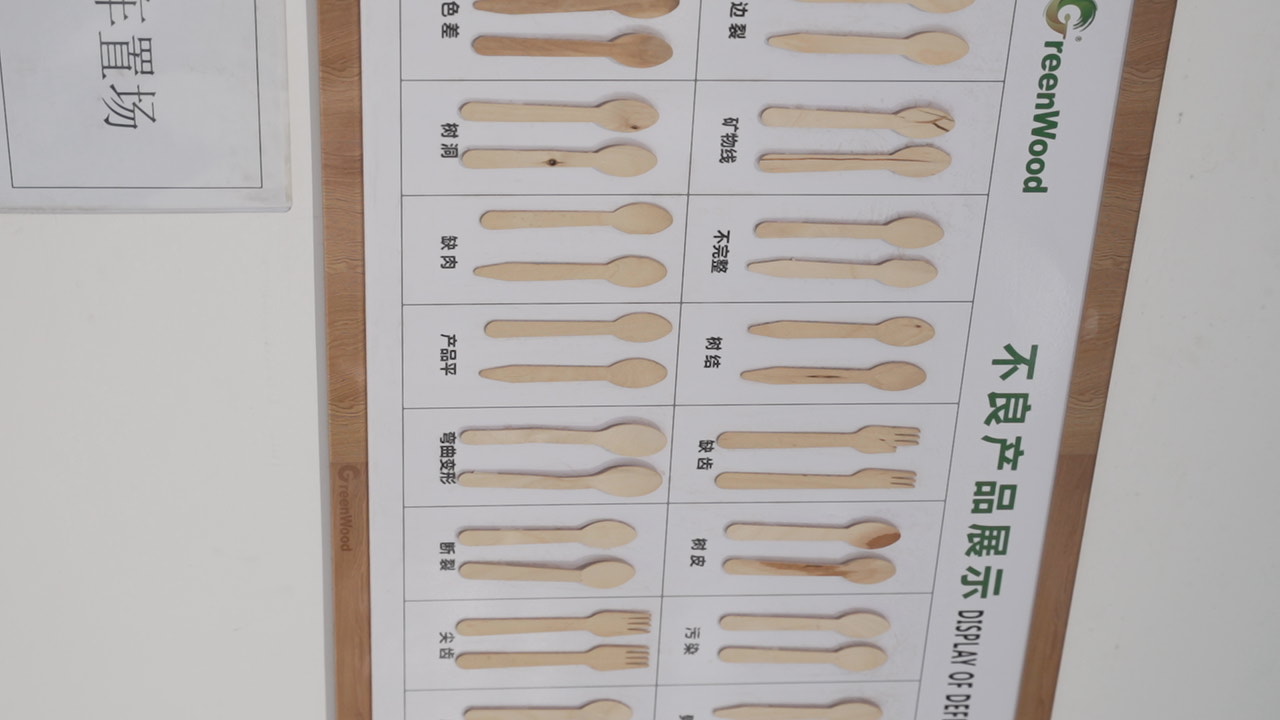
Figure 2: Inspection and quality control are integral to ensuring consistent product standards in high-volume manufacturing.
Procurement Summary
The choice between wooden and bamboo cutlery hinges on specific application needs and budget. The decision between a Chinese source factory and an international brand involves a trade-off between cost/customization flexibility and brand proximity/short lead times for stocked items. A methodical evaluation of technical specs, compliance credentials, and total cost, as outlined in the 3-step model, is essential for strategic procurement in the disposable wooden cutlery market.
For detailed specifications, certification documents, and factory information, download the complete supplier profile.
Download Full Supplier Brochure (PDF)