Руководство: внедрение кислотно-щелочной дренажной геосети для коррозионных сред
How-To Guide: Implementing Acid and Alkali Resistant Drainage Geonet for Corrosive Environments
Acid and alkali resistant drainage geonet is a specialized geosynthetic material engineered for applications where aggressive chemical exposure is a primary concern. This guide outlines the key steps and considerations for the successful specification, procurement, and installation of these materials in projects such as mining tailings ponds, industrial landfills, and chemical processing areas.
1. Defining Project Requirements and Material Specifications
The first step is a thorough assessment of the site-specific chemical environment. Identify the pH range, types of acids or alkalis present, temperature fluctuations, and expected mechanical loads.
- Chemical Resistance: The material must demonstrate ≥90% strength retention after prolonged exposure to the identified chemicals.
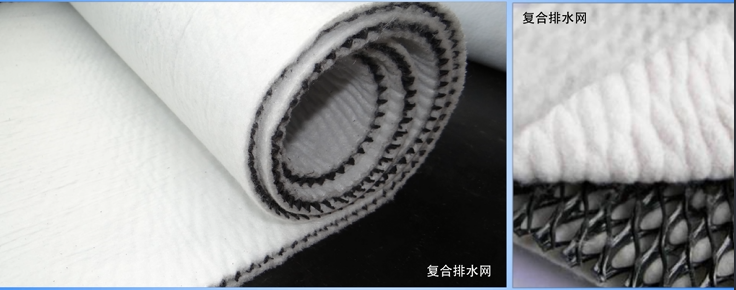
- Physical Parameters: Standard specifications for acid and alkali resistant drainage geonet include a thickness range of 4.0mm–8.0mm, a mass per unit area of 500–1400g/m², and tensile strength (MD/TD) of ≥5–15 kN/m.
- Drainage Capacity: Ensure the core drainage capacity meets or exceeds project requirements, typically ≥50-120 (L/min)/m.
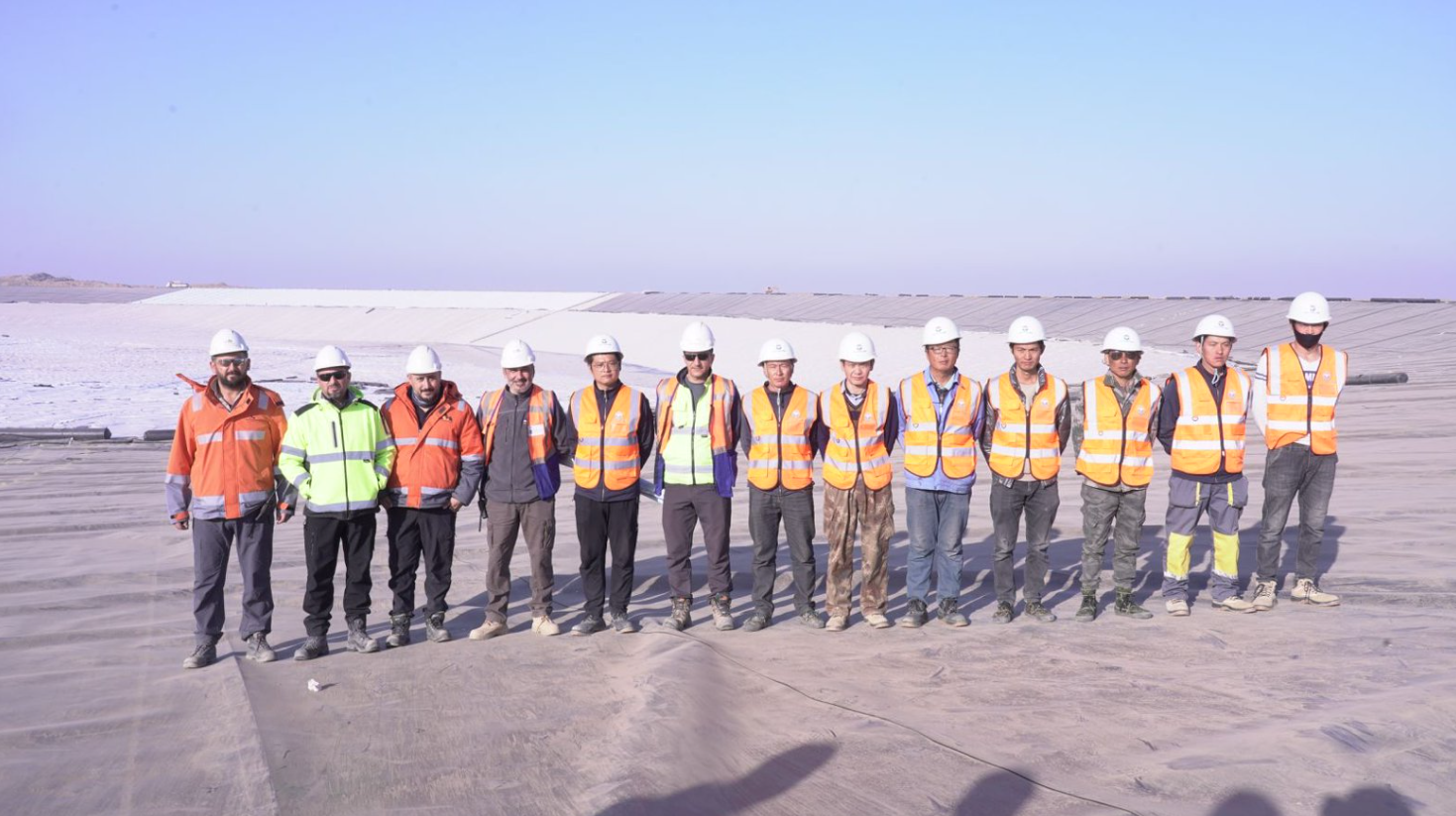
For example, in the seepage prevention project for a gold mine tailings pond basin in Uzbekistan, a three-dimensional composite drainage network was specified. This system combined a textured geomembrane with a high-strength polypropylene geotextile to address both chemical resistance and long-term structural integrity.
2. Supplier Evaluation and Quality Assurance
Selecting a qualified manufacturer is critical. Key evaluation criteria extend beyond basic product specs.
| Evaluation Criteria | What to Look For | Verification Method |
|---|---|---|
| Manufacturing Capability | Standardized production lines, capacity for customization (LOGO, width, length, thickness, GSM). | Factory audit, review of production process documentation. |
| Quality Control Systems | Full-process inspection from raw materials to finished goods. Presence of in-house or partnered accredited testing facilities. | Request quality control protocols. Verify certifications like CNAS for the testing laboratory. |
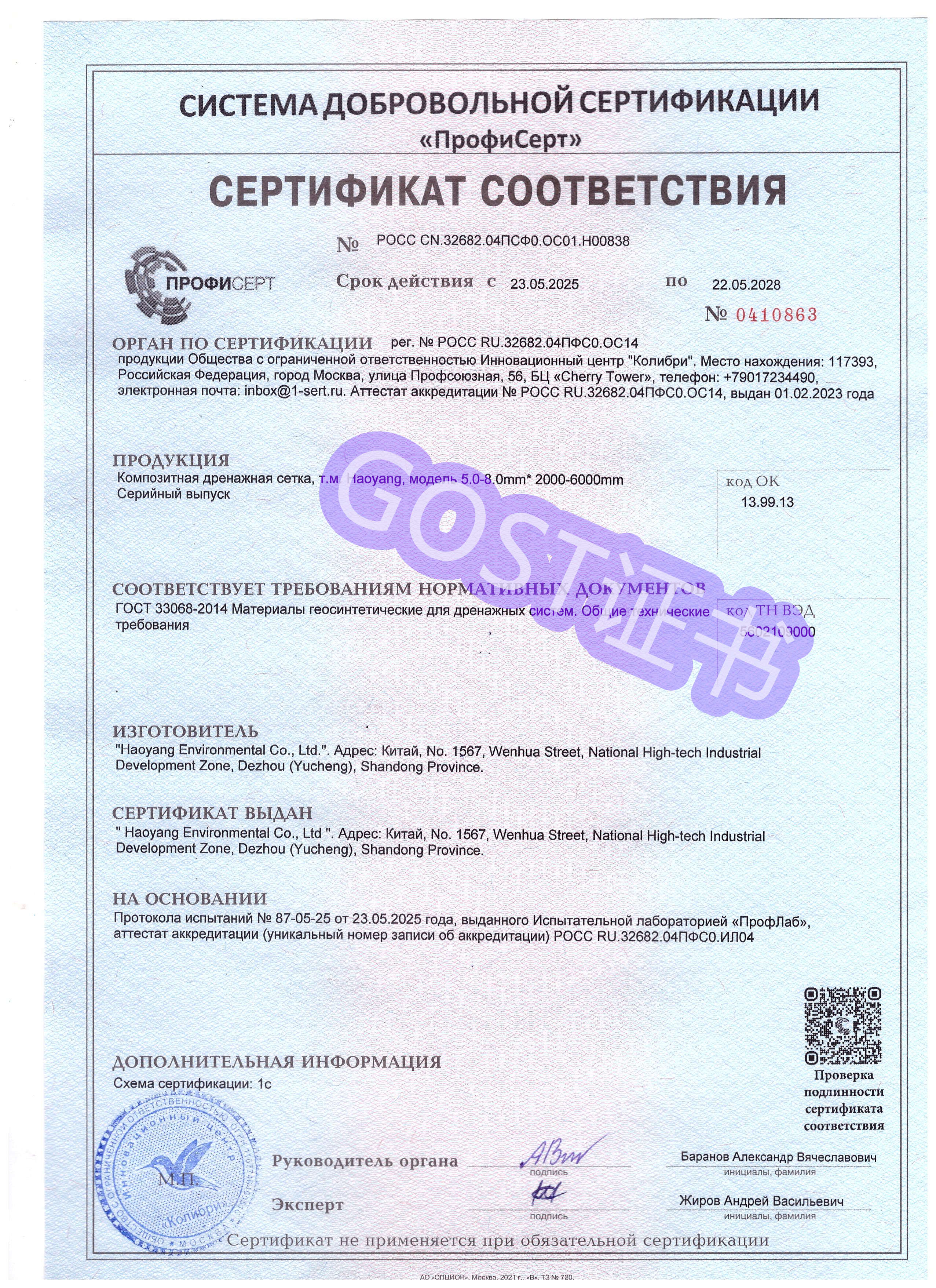
| Technical Certifications | Relevant international certifications for the target market (e.g., CE marking for EU, GOST for EAEU). | Request valid certificates. For instance, a GOST Certificate of Conformity (standard GOST 33068-2014) for 3D Composite Drainage Geonet in the EAEU market. |
| Project Experience | Proven track record in similar corrosive environment projects. | Request detailed case studies and client references. |
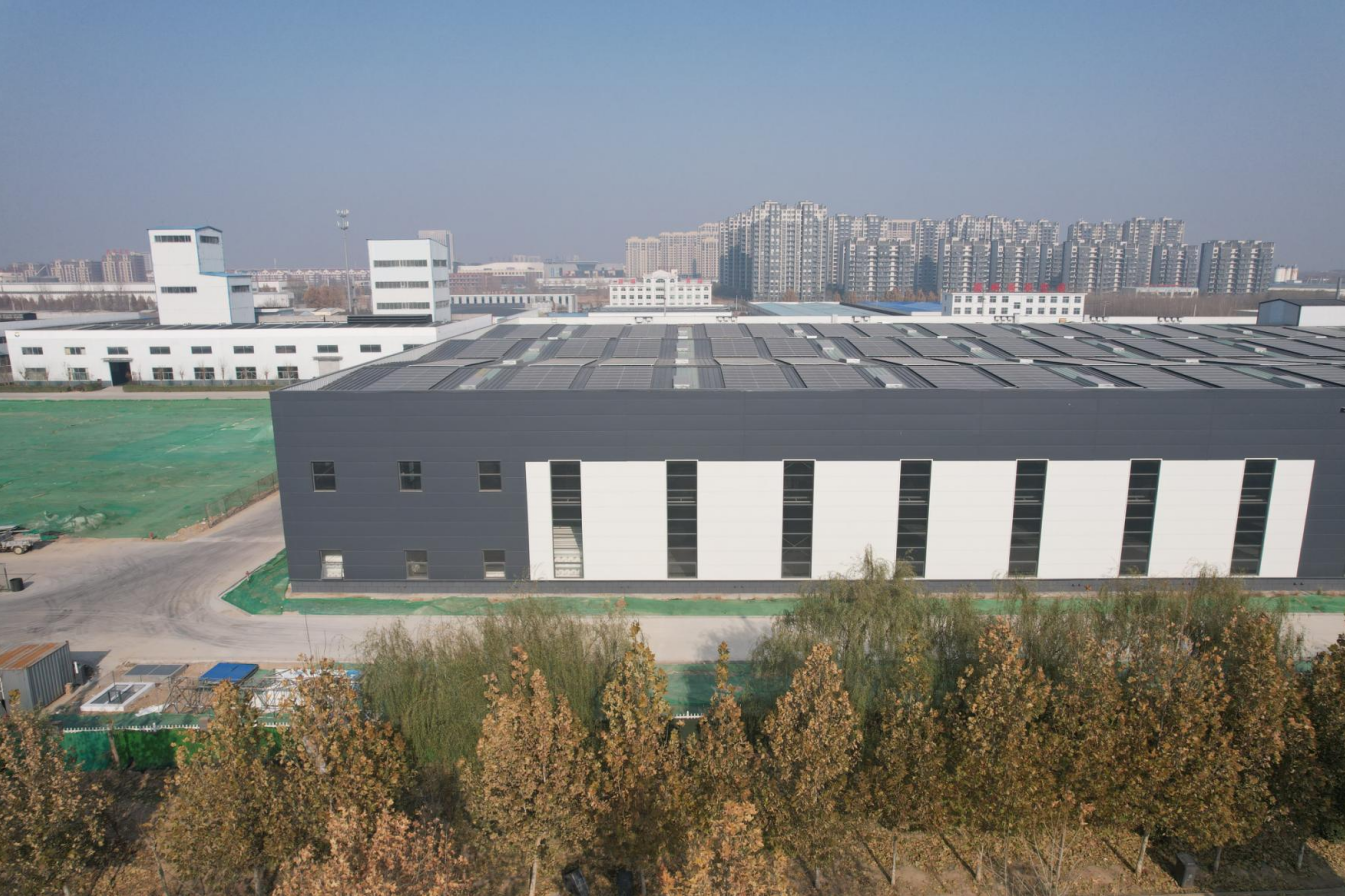
Haoyang Environment Co., Ltd., a manufacturer founded in 2008, exemplifies such a supplier. The company operates a 200,000㎡ facility and employs a full-process quality inspection system supported by a CNAS-accredited national laboratory, ensuring all products meet specified standards before dispatch.
Procurement & Logistics Considerations
Minimum Order Quantity (MOQ): Typically starts at 5,000㎡.
Lead Time: Allow 10-30 days for production and customization.
Payment & Delivery: Common terms include FOB/CIF with payment structures like 30/70. Always insist on pre-shipment testing and validation of certificates.
3. Installation Best Practices and Sequencing
Proper installation is paramount to performance. Follow a structured sequence.
- Subgrade Preparation: The foundation must be compacted, stable, and free of sharp protrusions, rocks, or debris that could puncture the geosynthetics. Achieve the specified grade and slope for drainage.
- Material Deployment: Unroll the acid and alkali resistant drainage geonet according to the design plans. For large areas, panels should be overlapped as per manufacturer's specifications (typically 100-150mm side laps). Ensure the high-strength, high-drainage core is oriented correctly.
- Seaming and Connection: Seams are critical for system integrity. Methods include hot wedge welding for geomembrane components or mechanical connections as specified. All seams must be tested for continuity (e.g., air pressure or vacuum testing).
- Protection and Covering: Immediately after placement and seaming, cover the geonet with a protective geotextile or the specified cover soil/ material to prevent UV degradation and physical damage during subsequent construction phases.
- Final Inspection and Documentation: Conduct a final site inspection, document all seaming test results, panel layouts, and any deviations from the plan. This as-built documentation is crucial for quality assurance and future maintenance.
4. Performance Validation and Long-Term Monitoring
Post-installation, establish a monitoring plan to validate performance, especially in corrosive environments.
- Drainage Efficiency: Monitor outflow points for clogging or reduced flow rates.
- Structural Integrity: Periodic visual inspections for settlement, tearing, or seam failure.
- Chemical Exposure Tracking: In extreme environments, consider periodic sampling and laboratory testing of the geonet material to check for strength retention and polymer degradation.
By following this structured approach—from precise specification and rigorous supplier vetting to meticulous installation and ongoing monitoring—project engineers can reliably implement acid and alkali resistant drainage geonet systems that deliver long-term performance in demanding, corrosive applications.