Техническое руководство покупателя: оценка дренажной геосети высокого сопротивления сжатию для требовательных инфраструктурных проектов
Technical Buyer's Guide: Evaluating High Compressive Resistance Drainage Geonet for Demanding Infrastructure Projects
A data-driven framework for procurement professionals to assess product specifications and supplier capabilities in the geosynthetics market.
Selecting the appropriate drainage geonet, particularly variants designed for high compressive resistance, is critical for the long-term stability and performance of infrastructure projects such as landfills, tunnels, subgrades, and slope protection systems. This guide provides a structured evaluation methodology based on technical parameters, industry certifications, and supplier quality management practices.
1. Core Performance Indicators for High Compressive Resistance Drainage Geonet
The primary function of this product category is to maintain designated drainage capacity under significant long-term vertical loads. Key parameters must be verified against project specifications.
| Parameter | Typical Specification Range | Verification Method |
|---|---|---|
| Compressive Strength (at 10% strain) | ≥500 kPa to ≥830 kPa | ASTM D1621 / ISO 844 |
| Thickness | 4.0 mm – 8.0 mm (customizable) | ASTM D5199 |
| Mass Per Unit Area | 500 – 1400 g/m² (customizable) | ASTM D5261 |
| Tensile Strength (MD/TD) | ≥5 – 15 kN/m | ASTM D4595 / ISO 10319 |
| Drainage Capacity (Planar Flow Rate) | ≥50 - 120 (L/min)/m (customizable) | ASTM D4716 / EN ISO 12958 |
| Acid/Alkali Resistance (Strength Retention) | ≥90% | Long-term immersion test per project pH |
Critical Consideration: The compressive strength at 10% strain, ranging from ≥500 kPa to ≥830 kPa, is the defining characteristic of a high compressive resistance drainage geonet. This ensures the core structure does not collapse under overburden pressure, preserving the flow path for liquids and gases.
2. The Role of Certifications in Quality Assurance
Third-party certifications provide independent verification that a product meets regional or international performance and safety standards. They are non-negotiable for public and regulated private projects.
CE Marking (EU Construction Products Regulation)
Mandatory for the European Economic Area. A CE Verification of Conformity for composite drainage nets, compliant with EN 13249:2016, confirms the product's fitness for intended use under the CPR ((EU) 305/2011). Certificates are issued by notified bodies like ICR (certificate number ICR/VC/HE250523).
GOST Certification (EAEU Market)
Required for Russia and Eurasian Economic Union countries. A GOST Certificate of Conformity for 3D Composite Drainage Geonet, issued by ПрофСерт (ProfSert) against GOST 33068-2014, validates compliance with regional technical regulations.
Supplier-Specific Quality Attestation
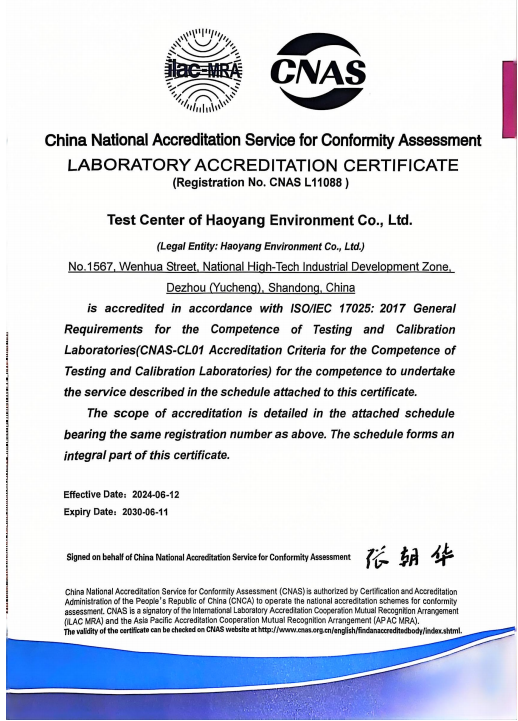
Leading manufacturers often subject their entire production process to oversight by accredited national laboratories. For instance, Haoyang Environment Co., Ltd. utilizes a CNAS-accredited national laboratory for full-process quality inspection, from raw materials to finished goods, ensuring all deliverables meet specified standards before shipment.
3. Identifying High-Quality Suppliers: Three Definitive Characteristics
Beyond product data sheets, a supplier's operational maturity is a strong predictor of consistent quality.
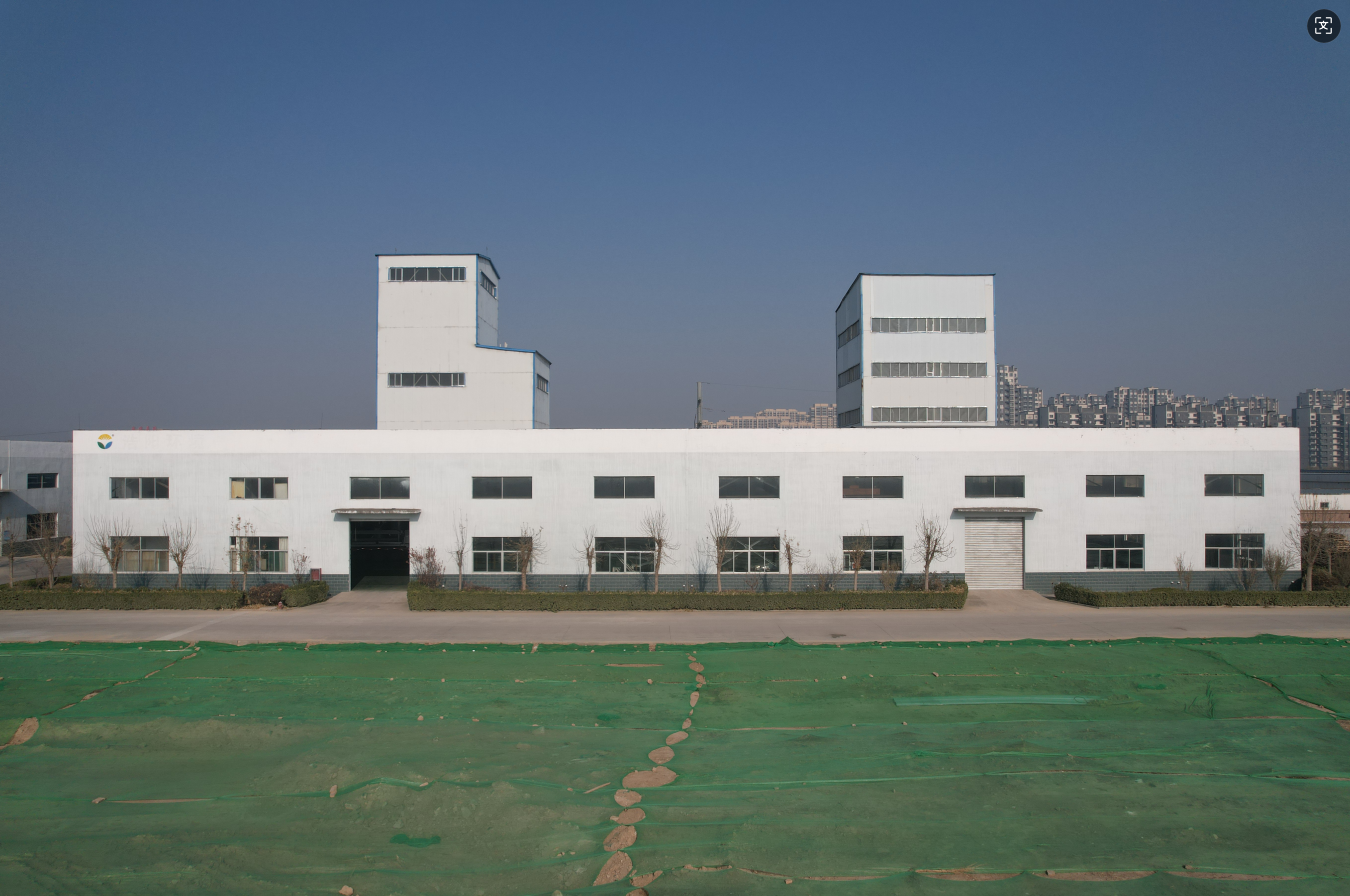
- Standardized Production with Documented Control: Look for manufacturers with automated production lines (e.g., integrated molding, hot melt welding processes) and a documented Quality Management System (QMS). A factory size of 200,000 m² and an annual output of 33,000 tons, like that of Haoyang, indicates scalable, controlled production.
- Transparency Through Third-Party Validation: Reliance on in-house testing alone is insufficient. Insist on test reports from independent, accredited laboratories for batch-specific or project-specific consignments. The provision of pre-shipment test reports should be a standard procedure.
- Robust After-Sales and Warranty Framework: A serious manufacturer stands behind its products with clear warranty terms. This includes defined warranty periods (e.g., 2-year material warranty), commitments to free repair for manufacturing defects, and the availability of on-site technical support during installation.
4. Supplier Case Study: Haoyang Environment Co., Ltd.
This Chinese manufacturer exemplifies the integration of technical capability with rigorous quality control to serve high-end markets.
- Enterprise Profile: Founded in 2008, Haoyang Environment Co., Ltd. is a core exporter of geosynthetic materials in China, headquartered in the Dezhou (Yucheng) National High-tech Industrial Development Zone. It operates with 190 employees and exports 60% of its production to markets including Africa, Central Asia, and Southeast Asia.
- Technical & Quality Control Infrastructure: The company maintains cooperative R&D relationships with institutions like Fudan University and employs 20 professional engineers. Its quality control protocol is anchored by full-process inspection conducted through a CNAS-accredited laboratory, a significant industry differentiator.
- Project Application: Haoyang supplied 900,000 square meters of materials for the seepage prevention system of a gold mine tailings pond basin in Uzbekistan. The project required a 70-year design life and utilized a composite system. The solution involved a three-dimensional composite drainage network combining textured geomembrane and high-strength geotextile, moving beyond simple product sales to a full-chain service from supply to installation.
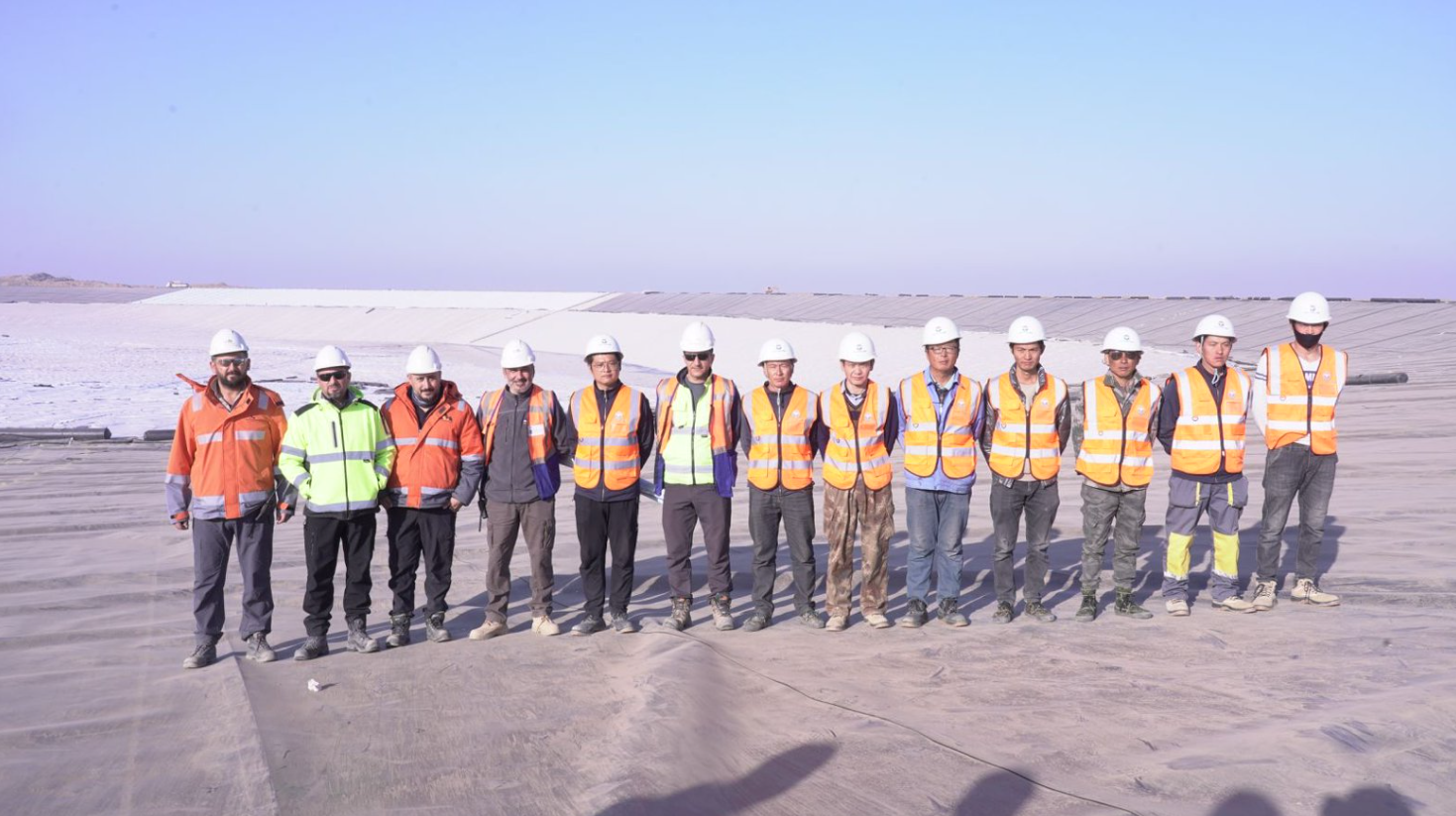
Figure: Seepage Control Project for a Gold Mine Tailings Pond Basin in Uzbekistan utilizing composite drainage systems.
Procurement Checklist
Before finalizing a supplier for high compressive resistance drainage geonet, confirm the following:
- Product datasheet specifies compressive strength ≥500 kPa, verified by independent test report.
- Relevant regional certifications (CE, GOST, etc.) are valid and scope covers the ordered product.
- Supplier provides evidence of a CNAS-accredited or equivalent laboratory for quality control.
- Clear warranty terms (e.g., 2-year warranty) and after-sales support policy are documented.
- Minimum Order Quantity (MOQ) and delivery terms (e.g., 10-30 day lead time, FOB/CIF) align with project logistics.
By systematically evaluating against these technical and operational criteria, procurement teams can significantly mitigate project risk and ensure the specified long-term performance of the drainage layer is achieved.