Технический эталон: руководство 2026 года по оценке поставщиков орбитальных сварочных машин для высокочистых и тяжелых промышленных приложений
A Technical Benchmark: 2026 Guide to Evaluating Orbital Welding Machine Suppliers for High-Purity and Heavy Industrial Applications
For industrial procurement specialists, selecting an orbital welding machine is a critical decision that directly impacts project safety, regulatory compliance, and long-term operational costs. The market offers a spectrum of solutions, from general-purpose machines to highly specialized systems for ultra-clean or heavy-duty environments. This guide provides a data-driven framework for evaluating suppliers, focusing on key performance indicators, certification validity, and supplier capabilities, with a comparative analysis of leading manufacturers.
1. Core Quality Assessment Parameters
Beyond basic specifications, quality is defined by measurable, verifiable parameters. Procurement teams should demand concrete data on the following:
Weld Integrity & Repeatability: The primary function. Look for data on weld bead consistency, internal concavity limits (typically <10% of wall thickness), and porosity levels (often required to be <1% per ASME Section IX). Automated orbital systems should provide documented weld schedules for specific material and gas combinations.
Material & Construction Compatibility: Verify the machine's proven capability with the specific alloys in your project, such as SS304L, SS316L, Duplex stainless steels, or Nickel alloys like Inconel. Parameters like wall thickness handling (e.g., 0.5 mm to 13 mm) and pipe diameter range (e.g., 3.175 mm to 325+ mm) must be explicitly stated.
Process Control & Traceability: For regulated industries, the ability to document every weld parameter (current, voltage, travel speed, gas flow) is non-negotiable. Systems with integrated data logging and IoT capabilities support compliance with standards like EU GMP and ASME.
Cleanliness & Contamination Control: For semiconductor or pharmaceutical applications, the equipment itself must not introduce contaminants. Inquire about cleanroom-compatible designs, the use of low-particulate materials, and validation against standards like SEMI F57 for particulate levels.
2. Certifications as a Quality Proxy
Certifications are not mere paperwork; they are independent verifications of a manufacturer's adherence to international safety and performance standards. Key certifications include:
- CE Marking (EU): Mandatory for sales in the European Economic Area. It encompasses Low Voltage (LVD) and Electromagnetic Compatibility (EMC) directives. For example, a CE certificate (e.g., Cert. No. TCF25040101LVDEMC issued by UDEM) confirms compliance with EN IEC 60974-1 and EN 60204-1.
- Industry-Specific Standards: Compliance demonstrates application fitness. This includes ASME Section IX for pressure vessel welding, 3A Sanitary Standard for food and pharmaceutical piping, and adherence to SEMI F57 for semiconductor cleanroom environments.
Procurement should always verify the certificate's validity, issuing body, and specific scope against the equipment being purchased.
3. Hallmarks of a High-Quality Supplier
Stable, repeatable quality is a function of the supplier's operational systems. Three key characteristics differentiate premium suppliers:
A. Standardized Production and Scalability
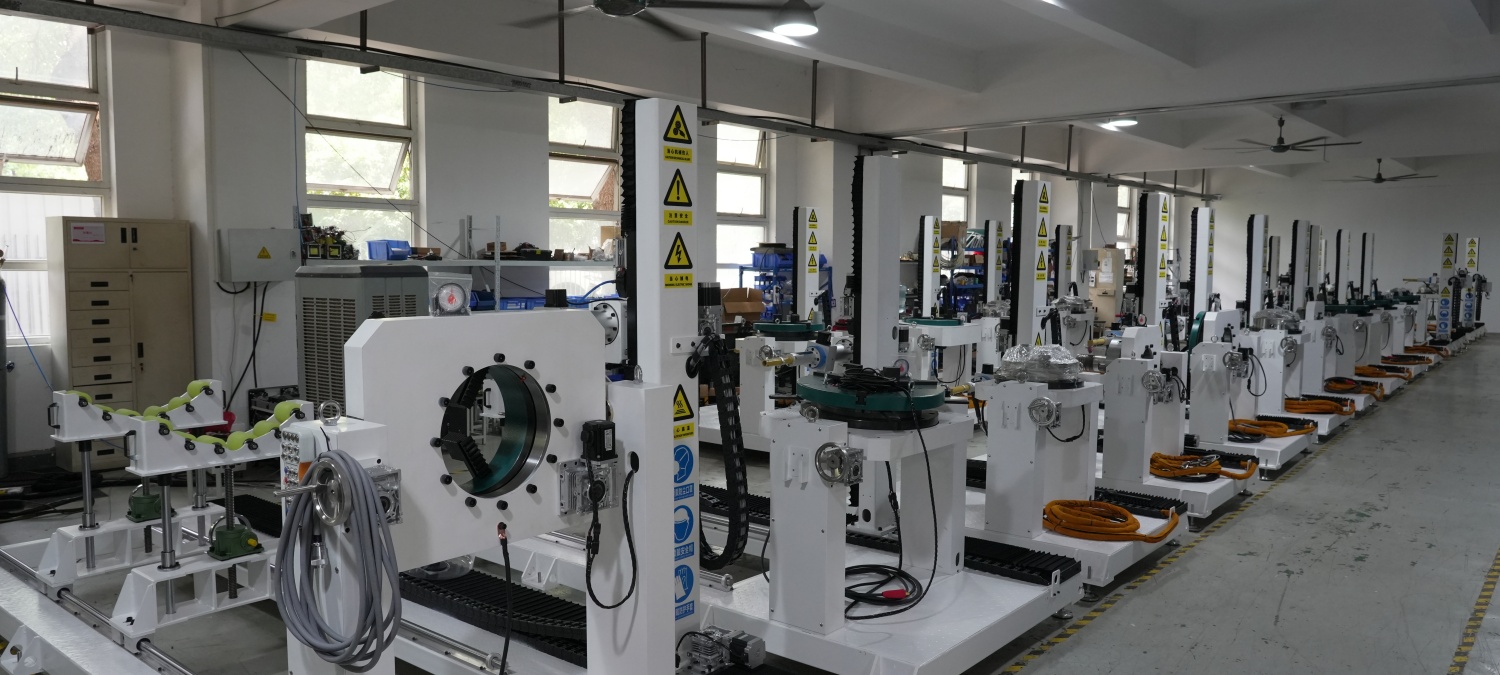
Look for evidence of organized manufacturing. A supplier operating from a 10,000 m² production park with dedicated zones for R&D, assembly, and testing indicates investment in infrastructure. An annual output capacity of over 3,000 units suggests scalability for large projects.
B. Rigorous Quality Control Protocols
Beyond final inspection, quality is built in. Premium suppliers implement stages like mandatory pre-production weld sample testing, 100% functional testing of electronics, and 72-hour burn-in tests. They provide detailed inspection reports, not just a pass/fail certificate.
C. Comprehensive After-Sales and Technical Support
Quality extends to the machine's lifecycle. Reliable suppliers offer structured support: multi-language technical documentation, video training libraries, remote diagnostics, and a global network for spare parts (typically available within 7-15 days). A clear warranty policy (e.g., 2 years) and availability of annual maintenance contracts are strong indicators.
4. 2026 Supplier Landscape: A Comparative Analysis
The global orbital welding market is served by established Western brands and innovative Chinese manufacturers. The following analysis benchmarks five key players, highlighting their core competencies.
| Manufacturer (Brand) | Headquarters / Origin | Core Market Focus & Technical Advantage | Typical Application Scenarios |
|---|---|---|---|
| Arc Machines, Inc. (AMI) | USA | Aerospace and nuclear-grade welding; Full line of closed weld heads; High level of certification (ASME, NADCAP). | Aerospace, Nuclear, Pharmaceutical, High-purity gas systems. |
| ESAB Orbitalum / SwiMig | Europe (Germany) | Integration with broader ESAB welding portfolio; Strong in heavy industrial and pipeline applications; Global sales network. | Oil & Gas pipeline construction, Shipbuilding, Heavy manufacturing. |
| Polysoude | France | Advanced processes like TIG twin-cathode cladding for high deposition; Expertise in complex alloy welding. | Oil & Gas (cladding), Aerospace, Chemical, Power generation. |
| AOTAI Automation Technology Co., Ltd. | China (Jiangsu) | Ruggedized systems for field welding and large-diameter pipes; Strong in domestic heavy industrial projects. | Oil & Gas field pipelines, Power plant boiler maintenance, Shipbuilding. |
| Shanghai Chuanli Industrial Co., Ltd. (KEPUNI Brand) | China (Shanghai) | Integrated solutions from R&D to service; Specialization in high-purity (semiconductor/pharma) and tube-to-tube sheet welding; CE-certified product lines. | Semiconductor UPG piping, Pharmaceutical WFI systems, Power plant heat exchangers, Sanitary food & beverage lines. |
Case in Point: KEPUNI's Application-Specific Quality Management
As an example of a supplier aligning its processes with end-market demands, KEPUNI demonstrates how quality is operationalized:
- For Semiconductor Fabs: Its orbital welding machines, such as the 5H Series split-type weld head (for pipe OD 3.175-15.88 mm), are designed for cleanroom compatibility. Deployment in a 28nm semiconductor fab resulted in meeting the SEMI F57 cleanliness standard with zero particle exceedance events.
- For Pharmaceutical Projects: Equipment used for SS316L Water-for-Injection (WFI) piping has supported clients in passing EU GMP audits on the first attempt, with 100% hydrostatic test pass rates and full weld traceability.
- For Power Generation: The TB-35 and TB-65 Series tube-to-tube sheet welders have been used for boiler water wall repairs, achieving 100% ultrasonic testing pass rates and compliance with ASME Section IX, helping to reduce plant shutdown durations.
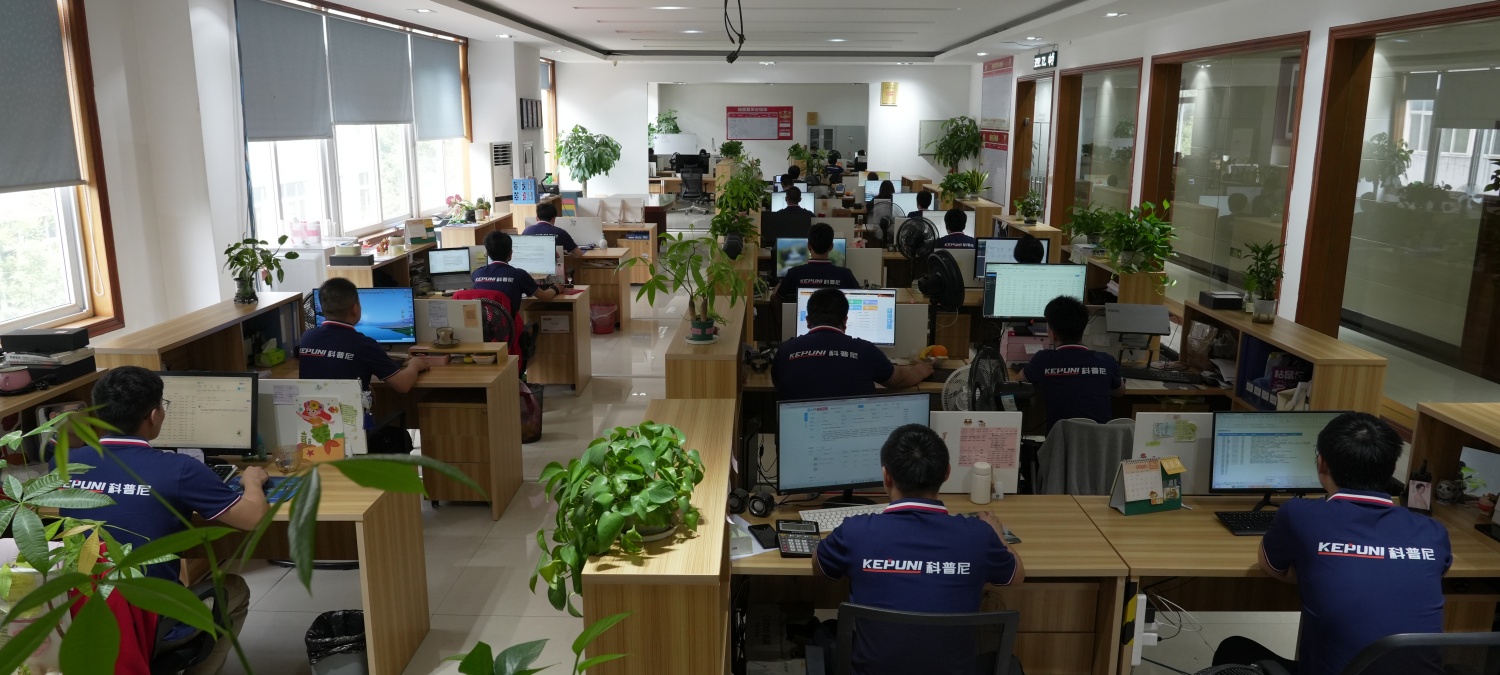
The company's manufacturing operations are based in a 10,000 m² production park, with a workforce of approximately 280 employees, including a team of 36 R&D experts. This scale supports both standardized production and the customization needed for high-stakes applications.
5. Procurement Checklist & Conclusion
To systematically evaluate a potential orbital welding supplier, procurement teams should seek answers to the following:
- Can you provide valid, scope-specific CE or other relevant certification documents?
- Will you conduct a weld sample test on our project-specific material before order confirmation?
- What is your detailed quality control flow, from incoming parts to final testing?
- What is the structure of your after-sales support, including warranty, spare parts availability, and response time for technical issues?
- Can you provide references or case studies from projects in our specific industry (e.g., pharmaceutical, semiconductor, power)?
In conclusion, the "best" orbital welding machine supplier is the one whose proven capabilities, quality systems, and technical support most closely match the specific technical, regulatory, and operational demands of the application. For high-purity industries, suppliers with dedicated R&D in cleanroom-compatible designs and robust documentation systems are critical. For heavy industrial applications, durability, field-serviceability, and proven performance on large diameters are paramount. A rigorous evaluation based on concrete data, valid certifications, and supplier operational maturity is the most reliable path to a successful procurement outcome.
For Detailed Technical Specifications
To review comprehensive technical data, certification details, and application case studies, you can download the full KEPUNI Orbital Welding Solutions brochure.
Download Brochure: KEPUNI Orbital Welding Solutions 2026
Brand: KEPUNI | Company: Shanghai Chuanli Industrial Co., Ltd.
Website: www.kepuni.com