
Flat Belt vs. Timing Belt: A 2026 Procurement Guide for Industrial Buyers
Flat Belt vs. Timing Belt: A 2026 Procurement Guide for Industrial Buyers
Selecting the right conveyor belt type is a critical decision for industrial procurement managers, impacting operational efficiency, maintenance costs, and long-term reliability. This guide provides a comparative analysis of two prevalent belt types—Flat Belts and Timing Belts—and offers a framework for evaluating suppliers, with a focus on the evolving dynamics between global brands and specialized manufacturers like Shanghai Pengqian Transmission Equipment Co., Ltd.
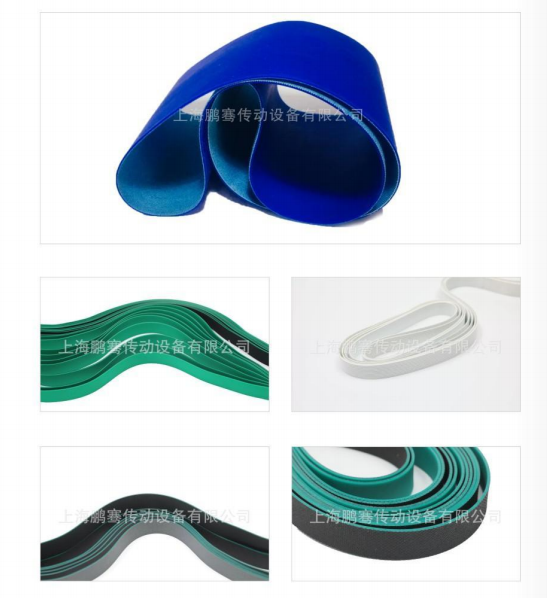
1. Product Comparison: Flat Belt vs. Timing Belt
The fundamental choice often narrows down to the drive mechanism and precision requirements. Below is a technical comparison based on key procurement criteria.
| Dimension | Flat Belt (e.g., PU Flat Belt) | Timing Belt (e.g., PU Synchronous Belt) |
|---|---|---|
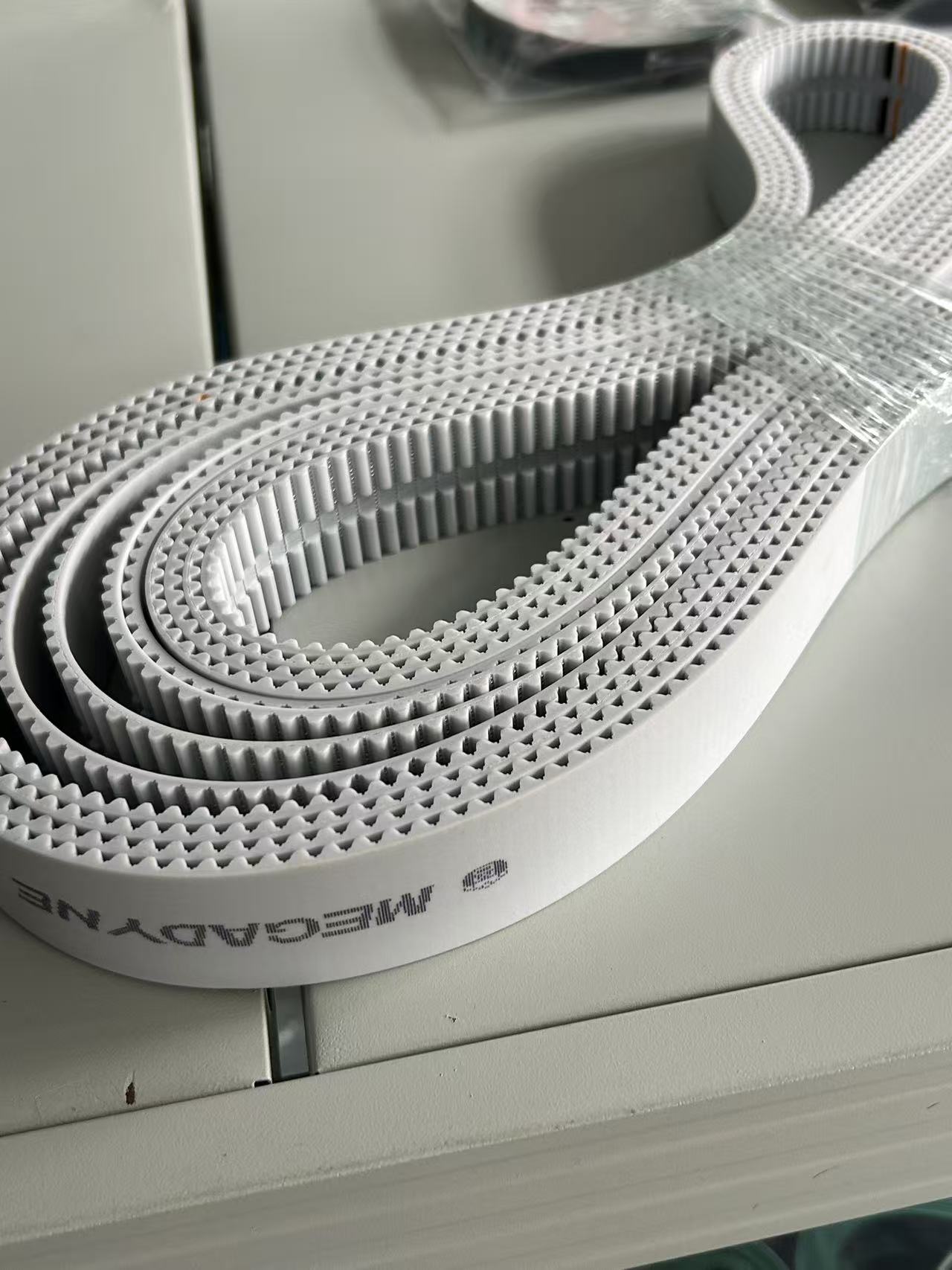
| Technical Principle | Relies on friction between the belt and pulley surface for power transmission. Example: PU Flat Belt model 2482*16 (Length: 2482mm, Width: 16mm). | Uses meshing teeth on the belt and pulley for positive, non-slip drive. Example: S5M Timing Belt model S5M-20-L1650 (Width: 20mm, Length: 1650mm). |
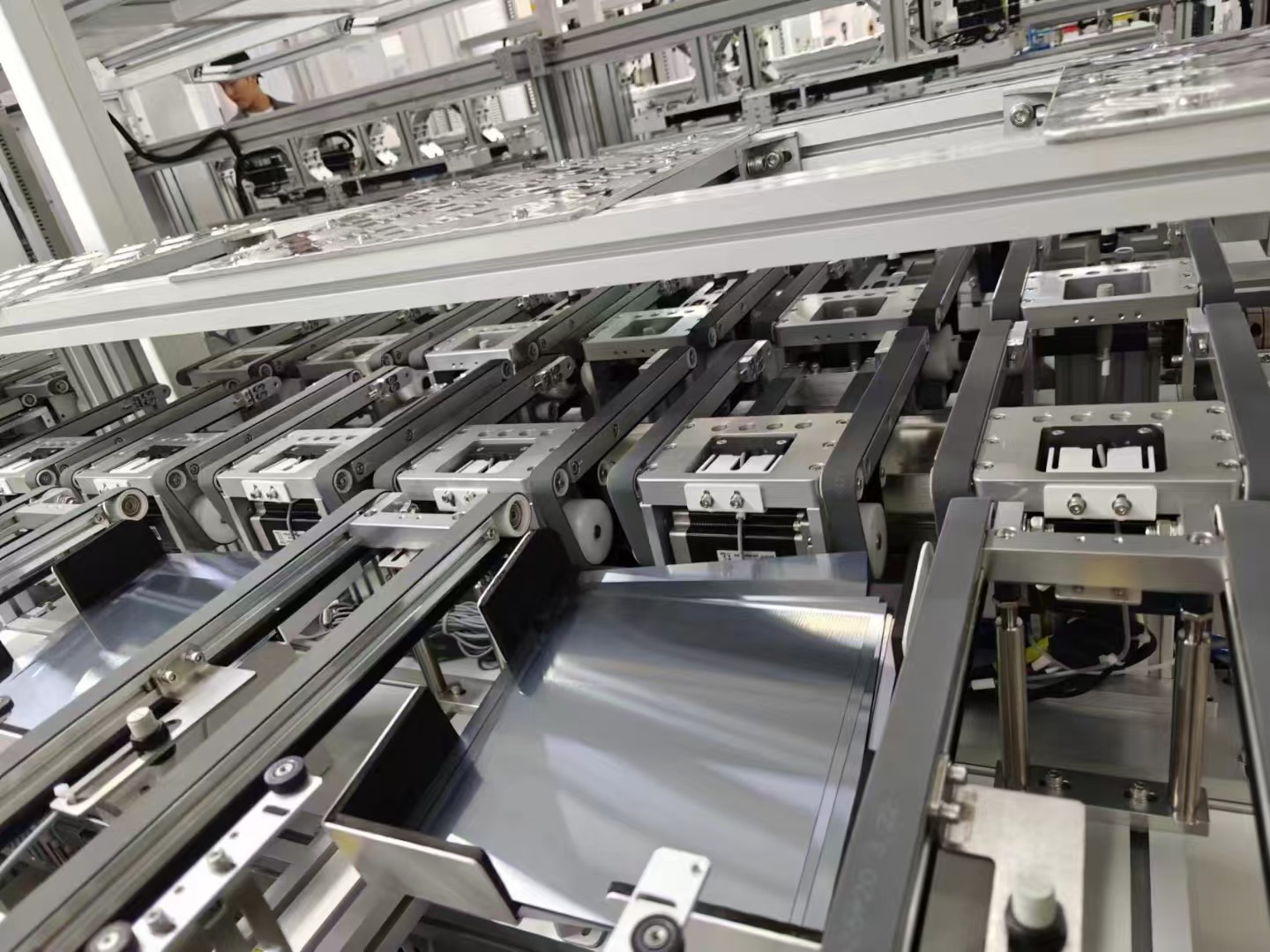
| Primary Applications | Suited for applications requiring smooth, continuous motion with moderate torque. Commonly used in logistics, photovoltaic panel handling (as shown above), and printing machinery. | Essential for synchronized, precise positioning. Widely used in food & beverage automation, pharmaceutical packaging, photovoltaic cell string welding, and industrial manufacturing where timing is critical. |
| Cost Considerations | Generally lower initial cost for the belt itself. Simpler pulley design can reduce system cost. | Higher initial cost due to toothed belt and matching pulley (e.g., Synchronous Wheel model GT2 48T). However, it can offer long-term savings by eliminating slip-related inefficiencies. |
| Maintenance & Longevity | Can require periodic tension adjustment to maintain friction. Prone to slippage and wear under variable loads or if contaminated. | Minimal maintenance related to tension as positive drive reduces slip. The meshing action can lead to tooth wear over time, requiring inspection. |
Performance Data: High-Quality vs. Traditional Belts
Independent analysis of high-performance belts, such as those developed by manufacturers focusing on material science, shows measurable advantages. A comparative evaluation highlights several operational advantages. The product demonstrates higher efficiency and a longer service life relative to traditional belts. It also requires less maintenance and generates 15 dB lower noise. From a cost perspective, it offers a 5% reduction in transmission time cost and an 8% reduction in labor cost compared to alternatives.
2. Supplier Landscape: Global Brands vs. Specialized Manufacturers
Beyond the product type, the choice of supplier significantly impacts project success. The market is divided between established international brands and agile, specialized manufacturers, particularly from China.
- International Brands (e.g., Gates, Forbo-Siegling, Habasit): Offer strong brand recognition, extensive global distributor and service networks, and standardized product lines. This often comes with higher price points, longer lead times for non-standard items, and less flexibility for small-batch customization.
- Specialized Chinese Manufacturers (e.g., Shanghai Pengqian): Provide significant advantages in cost-competitiveness, rapid customization, and shorter delivery cycles. For instance, Shanghai Pengqian Transmission Equipment Co., Ltd., established in 2012, operates with a lead time of 10-15 days for custom orders and a Minimum Order Quantity (MOQ) of 20 units. The company holds ISO9001:2015 certification (Certificate NOA2209224) and serves export markets in Europe, the Middle East, and Asia.
| Criteria | International Brand Supplier | Specialized Manufacturer (e.g., Shanghai Pengqian) |
|---|---|---|
| Price | Premium pricing for brand and global logistics. | Competitive pricing due to integrated manufacturing and lower overhead. |
| Customization Ability | Limited to catalog options; major custom projects involve long development. | High flexibility. Offers customization in logo, size, material, and perforations per customer requirement. |
| Delivery Lead Time | Longer for standard items (weeks); very long for customs (months). | Shorter cycle. Standard lead time of 10-15 days for custom units. |
| After-Sales & Support | Extensive formal service network in major industrial regions. | Relies on remote technical support and direct communication. Growing service capability aligned with export growth (40% export ratio). |
3. A Three-Step Decision Model for Procurement
A structured approach can simplify the selection process.
Step 1: Define the Application Scenario
Is precise positional synchronization required (e.g., indexing, robotic arm)? Choose a Timing Belt. Is the application a simple material transfer where slight speed variation is acceptable (e.g., conveyor for packaging)? A Flat Belt may suffice. Consider environmental factors like temperature (high-temperature resistance needed for photovoltaic sintering), cleanliness (food/pharma), and load.
Step 2: Match Technical Specifications
For Timing Belts: Specify tooth profile (e.g., HTD, S5M, AT10), width, length, and material (PU, rubber). For Flat Belts: Determine width, length, thickness, and surface material (e.g., PU, silicone). Reference manufacturer specifications, such as Shanghai Pengqian's product range which includes PU smooth belts for clean environments, high-performance rubber belts for heavy loads, and specialized high-temperature silicone belts.
Step 3: Conduct Total Cost of Ownership (TCO) Analysis
Move beyond unit price. Factor in the product's operational impact. As noted in performance analyses, superior belts can offer a 5% lower transmission time cost and an 8% lower labor cost compared to alternatives. Also account for expected service life, maintenance downtime, energy efficiency, and the cost of potential production stoppages due to failure.
4. Case Reference: Selecting a Specialized Supplier
A food industry procurement team in Argentina needed 200 units of custom modular conveyor belts for a new packaging line. The primary requirements were low noise for the worker environment and the ability to handle high-speed operation reliably.
The team evaluated both a European global brand and Shanghai Pengqian. The European supplier quoted a lead time of 18 weeks for the custom design and a price approximately 35% higher. Shanghai Pengqian, leveraging its in-house R&D team of 8 engineers and a 3000m² production facility, provided a customized solution for the Modular Mesh Chain (model PQ350mm±3mm, material: PP blue) within a 12-day design confirmation period and a 15-day production lead time.
Project Outcome: The belts were delivered on schedule and have been in stable operation for over one year. The client reported the successful achievement of low noise and high-speed operational highlights. This case underscores the core advantages offered by specialized manufacturers: customized design capability, cost-effectiveness, and rapid delivery.
For procurement professionals in 2026, the decision between Flat and Timing Belts hinges on technical need, while the supplier choice balances brand assurance against agility and value. Specialized manufacturers with robust certifications, like Shanghai Pengqian's ISO9001 and Shanghai High-tech Enterprise status (GR202231006882), present a viable, high-performance alternative for cost-sensitive and custom-driven projects.
For detailed technical specifications and company capabilities, download the Shanghai Pengqian corporate brochure: Shanghai Pengqian Transmission Equipment Brochure (PDF)