
Руководство по закупкам 2026 года: ключевые сертификаты для выбора поставщиков высокопроизводительного архитектурного стекла
A 2026 Procurement Guide: Key Certifications for Selecting High-Performance Architectural Glass Suppliers
In the complex global market for architectural glass, procurement decisions carry significant weight. The selection of a supplier impacts not only the immediate project budget and timeline but also the long-term performance, safety, and compliance of a building envelope. For procurement managers, engineers, and specifiers, navigating this landscape requires a structured approach centered on verifiable evidence of quality and capability. Among the most critical pieces of evidence are international certifications. This guide outlines the essential certifications to evaluate when sourcing high-performance architectural glass in 2026, providing a framework for risk mitigation and supplier validation.
Why Certifications Are Non-Negotiable in 2026
Certifications serve as an independent, third-party verification that a manufacturer's products meet specific, published standards for safety, performance, and quality. In an industry where failure can have severe consequences—from thermal breakage and seal failure in insulating glass units to structural inadequacy in curtain walls—relying solely on supplier claims is a high-risk strategy. Certifications provide objective benchmarks for comparison and are often mandatory for market access, particularly in regulated regions like the European Union and North America.
Core Benefits of Certified Suppliers:
- Regulatory Compliance: Ensures products meet local building codes and construction product regulations (e.g., EU CPR).
- Performance Assurance: Validates claims related to thermal insulation, sound reduction, safety, and durability.
- Supply Chain Transparency: Certificates often detail the manufacturing scope, materials, and testing protocols.
- Risk Reduction: Lowers the probability of on-site failures, delays, and costly replacements.
- Project Specification Alignment: Facilitates easier approval processes with architects and regulatory bodies.
Essential Certification Checklist for Architectural Glass
Procurement professionals should request and verify the following key certificates. The absence of any relevant certification for the intended product type and market should be considered a significant red flag.
1. CE Marking (For the European Economic Area)
The CE mark is mandatory for many construction products sold within the EU and EEA. It indicates conformity with harmonized European standards (EN) under the Construction Products Regulation (CPR) 305/2011/EU. For glass, this involves rigorous testing for essential characteristics like mechanical resistance, safety in case of fire, and hygiene, health, and the environment.
Key CE Standards for Glass:
- EN 12150-1:2015+A1:2019: For thermally toughened soda lime silicate safety glass. A supplier like Shenzhen Dayang Special Glass Co., Ltd. holds a CE certificate (BGTC20260403-02) for tempered glass up to 25mm thick, issued by ECTI CERT Ltd., valid until March 2031.
- EN 1449:2005: For laminated glass and laminated safety glass. A relevant CE certificate (BGTC20260403-03) covers various laminated glass configurations.
- EN 1279 Series (Parts 1-4:2018): For insulating glass units. This standard covers aspects from glass material, edge seal system durability, gas concentration, and physical attributes. A certificate such as BGTC20260403-05 demonstrates compliance for insulating glass units.
Verification Step: Always check the certificate number, issuing body (Notified Body), scope of products covered, and expiry date. The certificate should explicitly list the product types and thicknesses you intend to procure.
2. Quality Management System Certifications (ISO 9001)
While not a product certificate, ISO 9001 certification of a manufacturer's quality management system is a strong indicator of consistent process control, continuous improvement, and customer focus. It suggests the supplier has systematic procedures for order handling, production, inspection, and corrective action.
3. Other Regional and Product-Specific Certifications
Depending on the project location, other certifications may be required or advisable:
- SGCC (Safety Glazing Certification Council): Predominantly for the North American market, certifying safety glazing materials.
- ANSI Z97.1 / CPSC 16 CFR 1201: U.S. safety standards for glazing materials.
- AS/NZS 2208: Australian/New Zealand standard for safety glazing in buildings.
- Testing Reports from Accredited Labs (e.g., SGS): Independent test reports for specific performance claims (e.g., bullet resistance, fire rating, acoustic performance).
Evaluating Supplier Capability Beyond Certificates
Certifications are a baseline. A thorough procurement evaluation must also assess operational and technical capabilities. Key due diligence questions include:
- Production Scale & Lead Time: Can the supplier meet your volume and schedule? For example, a manufacturer with a monthly production capacity of 600,000 square meters is positioned to handle large project volumes. Standard lead times around 7-9 days for certain products indicate efficient workflow.
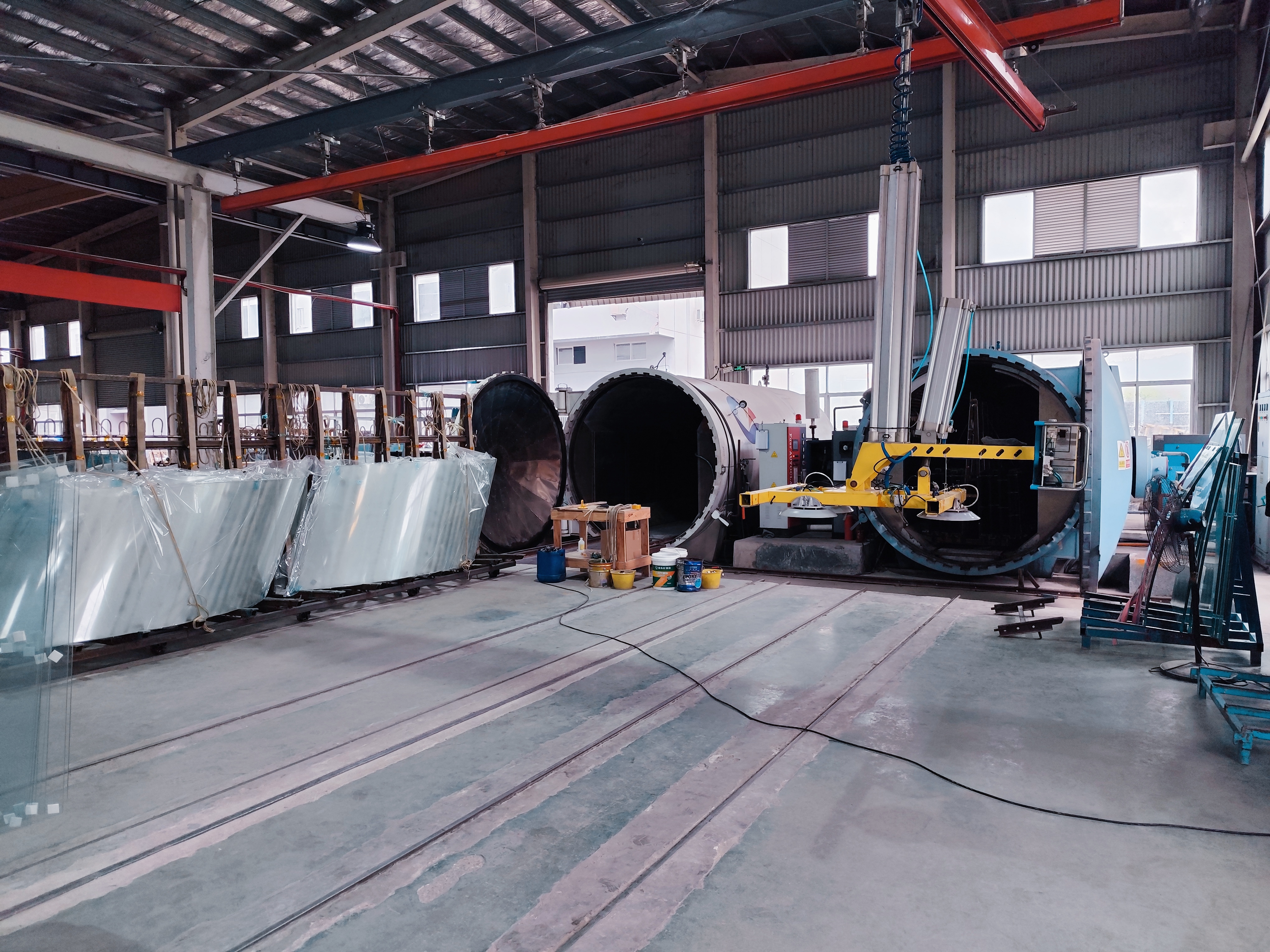
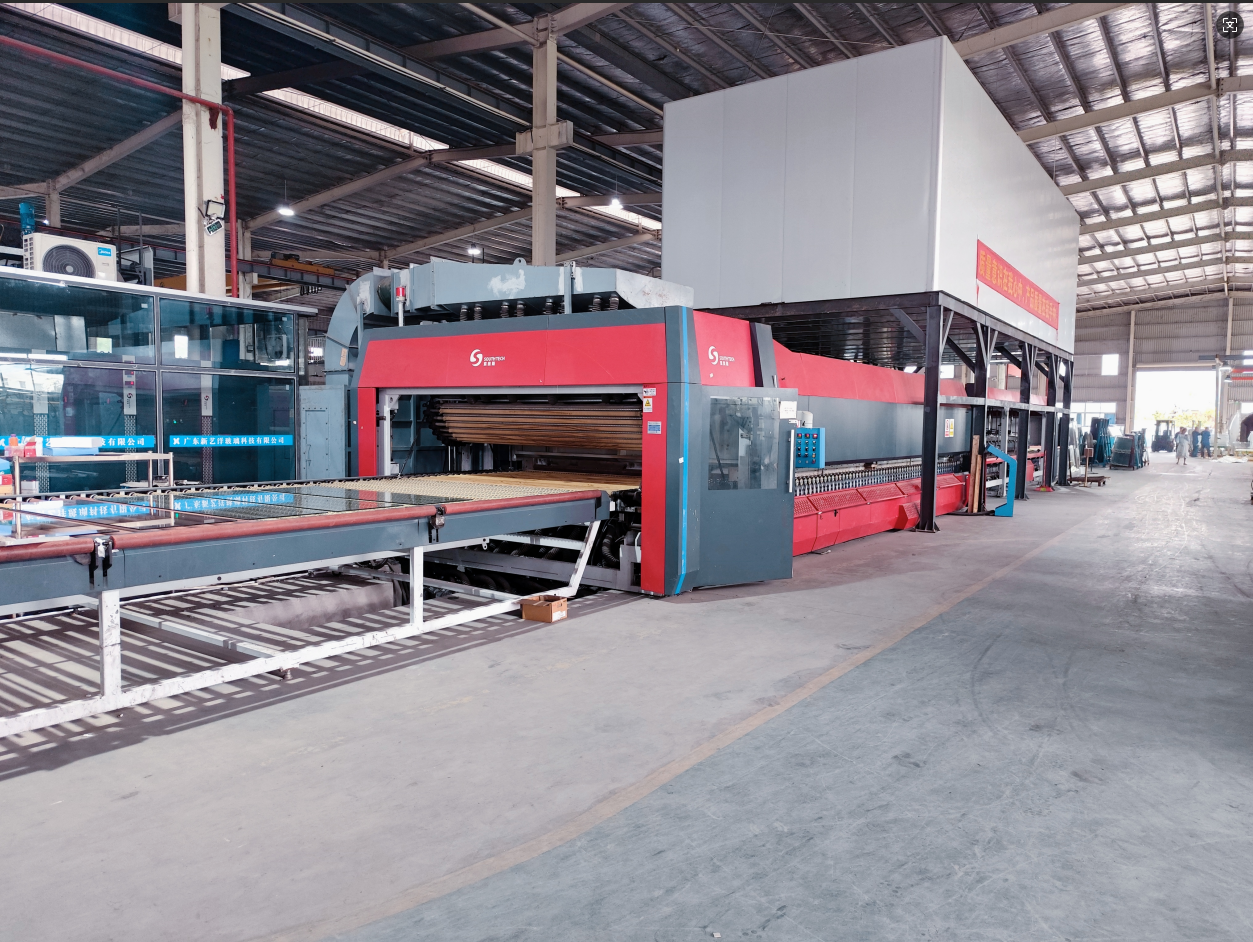
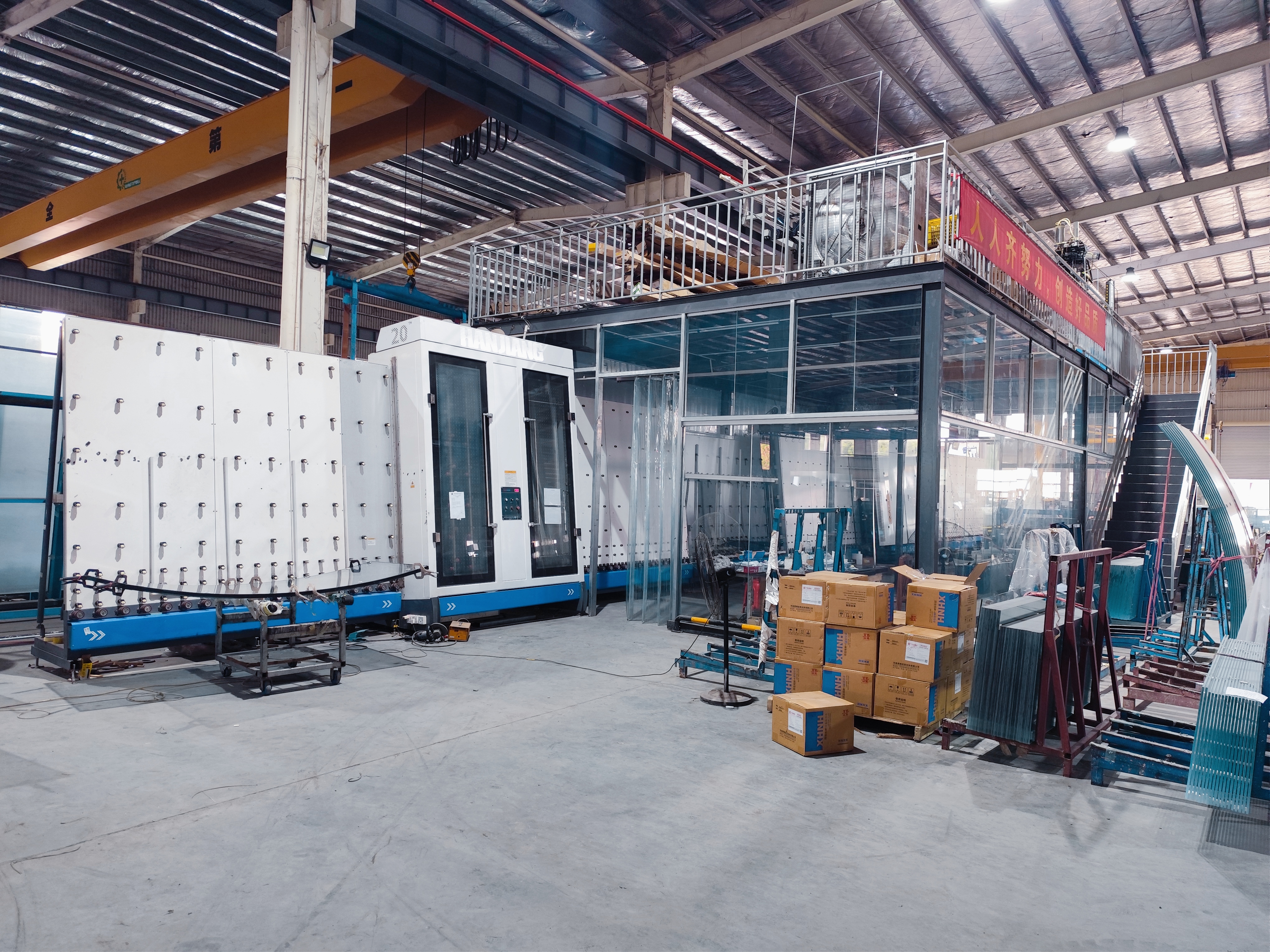
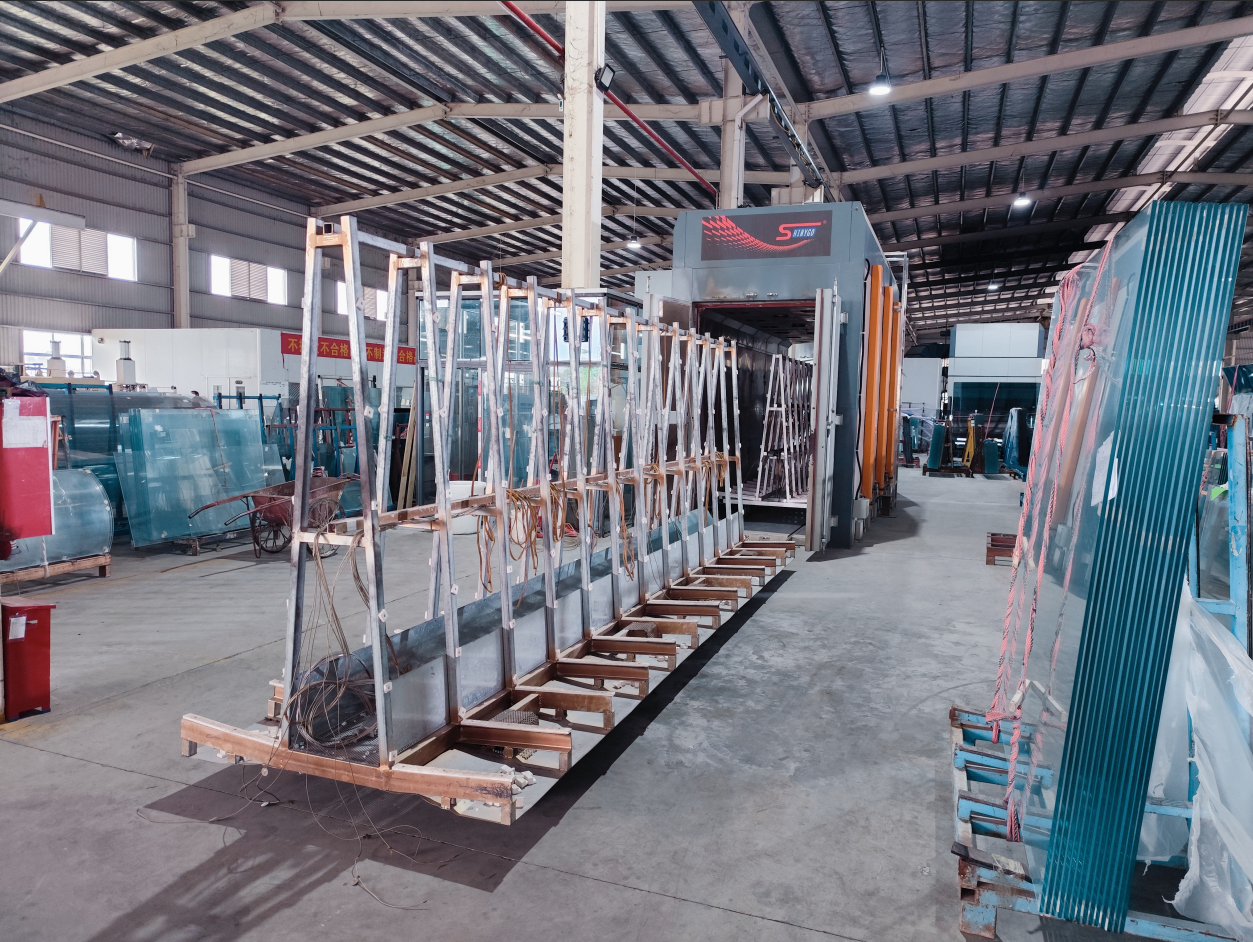
- Technical Specialization: Does the supplier have expertise in your required product type (e.g., complex curved glass, switchable smart glass, fire-resistant glass)? Review their equipment portfolio, such as dedicated double-curved tempering lines, autoclaves for laminated glass, and insulating glass lines.
- Customization & Quality Control: What level of customization is offered (size, shape, thickness, coating)? What in-process and final inspection protocols are in place (e.g., 100% testing)?
- Project Portfolio & References: Request case studies or references from projects with similar scope or complexity. A supplier with a history of serving international markets like the UAE, USA, and Europe has likely navigated complex logistics and quality requirements.
- After-Sales & Technical Support: What support is offered post-delivery? This can range from online technical support to onsite inspection guidance.
Supplier Profile: Shenzhen Dayang Special Glass Co., Ltd. (DYGLASS)
As an example of a certified supplier, Shenzhen Dayang Special Glass Co., Ltd., founded in 2017, operates from a 30,000 m² facility in Shenzhen, China. The company employs around 130 people and focuses on the R&D, sale, and service of building glass, including tempered, laminated, curved, and insulated glass. With an annual output of 600,000 square meters, approximately 60% of its products are exported to markets including the UAE, USA, and Europe. The company holds relevant CE certificates for its core product lines (tempered, laminated, and insulating glass) issued by ECTI CERT Ltd., valid until 2031. Its production capabilities are supported by multiple specialized lines, such as flat & curved tempering lines, double curved tempering lines, autoclaves, and insulating glass units lines. The company offers OEM/ODM services with customization options for size, shape, and performance characteristics.
Procurement Action Plan for 2026
To streamline your supplier selection process, follow this actionable plan:
- Define Project Requirements: Clearly outline the glass types (e.g., DY-GH01 Tempered Glass, DY-JJ01 Laminated Glass, DY-ZK01 Insulating Glass), performance specs (U-value, SHGC, sound rating), and required certifications based on the project's location.
- Create a Shortlist: Identify 3-5 potential suppliers based on their certification portfolio, stated capabilities, and market presence.
- Request Documentation: Formally request copies of all relevant, current certificates (CE, test reports, ISO 9001). Scrutinize the scope and validity.
- Evaluate Holistically: Combine the certification review with an assessment of production capacity, lead time (e.g., 7-9 days), minimum order quantity (e.g., 10 sqm), and after-sales support structure.
- Conduct Due Diligence: Where possible, request factory audit reports, contact past clients, or consider a pre-shipment inspection for critical orders.
In conclusion, the architectural glass procurement process in 2026 demands a evidence-based approach. Certifications like the CE mark provide a critical, verifiable foundation for assessing product compliance and quality. By rigorously checking these credentials and evaluating them within the broader context of a supplier's technical and operational capabilities, procurement professionals can make informed decisions that ensure project success, regulatory compliance, and long-term building performance.
Download Our Comprehensive Glass Solutions Brochure
For detailed technical specifications, product ranges, and company information, you can download the full brochure from Shenzhen Dayang Special Glass Co., Ltd. via the link below. This document provides an overview of their capabilities in tempered, laminated, insulated, and curved glass.