
Стратегическое руководство для поставщиков архитектурного стекла: понимание ландшафта рейтинга 2026 года и логики закупок
Автор: Shenzhen Dayang Special Glass Co., Ltd.
время выпуска: 2026-05-01 00:54:39
номер просмотра: 225
A Strategic Guide to Architectural Glass Suppliers: Understanding the 2026 Ranking Landscape and Procurement Logic
An objective analysis of global supplier rankings, evaluation criteria, and practical procurement strategies for construction professionals and industrial buyers.
The global architectural glass market is a dynamic and competitive landscape, with procurement decisions significantly impacting project outcomes in terms of cost, performance, and aesthetics. As highlighted in the recent analysis "Chinese Top 3 Building Glass Manufacturers 2026: Driving Innovation and Leadership in Construction Materials", understanding the logic behind supplier rankings is crucial for making informed choices. This guide deconstructs the key evaluation dimensions, maps the global supplier ecosystem, and provides a framework for selecting the optimal partner based on specific project requirements.
1. Core Ranking Dimensions for Architectural Glass Suppliers
Supplier rankings in 2026 are not monolithic but are typically derived from a weighted assessment across several critical axes. A holistic view considers both quantitative and qualitative factors.
| Ranking Dimension | Key Metrics & Indicators | Why It Matters for Procurement |
|---|---|---|
| Market Share & Financial Scale | Annual revenue, production volume (square meters), global distribution network, number of large-scale project references. | Indicates stability, supply chain reliability, and experience in handling mega-projects. High-volume producers often offer cost advantages for standardized products. |
| Technological Innovation & Capability | R&D investment, patent portfolio, ability to produce advanced products (e.g., complex curved glass, smart glass, high-performance coatings), precision in manufacturing. | Directly correlates to product performance, aesthetic possibilities, and compliance with stringent building codes. For instance, a supplier's capability to achieve an ultra-high bending tolerance of ±0.5mm to ±1mm is a critical differentiator for complex facades compared to the industry average of ±2mm-3mm. |
| Quality & Certification Compliance | Possession of international certifications (CE, ANSI, SGCC, AS/NZS), in-house quality control protocols (e.g., 100% testing, heat soak testing), adherence to standards like EN 12150-1 for tempered glass. | Ensures product safety, durability, and regulatory acceptance in target markets. Certifications are non-negotiable for most international projects. |
| Customer Reputation & Service | Client testimonials, project case studies in similar applications, after-sales support structure, lead time consistency, and flexibility in customization. | Reflects reliability and partnership potential. Suppliers with strong OEM/ODM services and technical support are valuable for bespoke projects. |
| Export Experience & Logistics | Percentage of export business, experience in key regions (Middle East, North America, Europe), familiarity with Incoterms and international shipping. | Reduces project risk related to logistics, customs, and regional compliance. An established export track record signals global competence. |
2. The Global Architectural Glass Supplier Ecosystem: A Three-Tiered View
The global market can be broadly segmented into three tiers, each with distinct characteristics and value propositions.
Tier 1: International Giants & Technology Leaders
This tier includes vertically integrated conglomerates like Saint-Gobain (France), AGC Inc. (Japan), and Guardian Glass (US). Their strengths lie in massive scale, extensive R&D resources, globally recognized brands, and a comprehensive portfolio from raw float glass to high-tech coated products. They set industry benchmarks in material science, such as developing next-generation Low-E coatings and ultra-clear glass. Procurement consideration: Ideal for projects requiring vast quantities of standardized, high-performance glass with strong brand assurance, but may have less flexibility for highly customized, low-to-medium volume orders.
Tier 2: Chinese High-Value & Scale Manufacturers
This is a dominant and rapidly evolving tier, as detailed in the referenced analysis of top Chinese manufacturers. It features companies like Xinyi Glass Holdings Ltd. and CSG Holding Co., Ltd.
- Xinyi Glass competes on unparalleled scale and vertical integration, offering exceptional cost-competitiveness for large-volume projects.
- CSG Holding is renowned as a technology pioneer, especially in ultra-clear low-iron glass and advanced energy-saving glass.
Spotlight: Shenzhen Dayang Special Glass Co., Ltd. (DYGLASS)
Founded
2017
Factory Size
30,000 m²
Annual Output
~600,000 sqm
Export Ratio
60%
Main Markets
UAE, USA, Philippines, Vietnam, Europe
Core Products
Laminated, Tempered, Insulated, Curved & Smart Glass
DYGLASS's ranking advantage is built on deep customization capability (OEM/ODM), advanced technical processing for complex shapes like multi-curved and double-curved tempered glass, and rigorous compliance with international standards. The company holds CE certifications for its tempered, laminated, and insulating glass, issued by ECTI CERT Ltd., ensuring compliance with EU Construction Product Regulations.
CE Certified - Tempered Glass
CE Certified - Laminated Glass
CE Certified - Insulating Glass
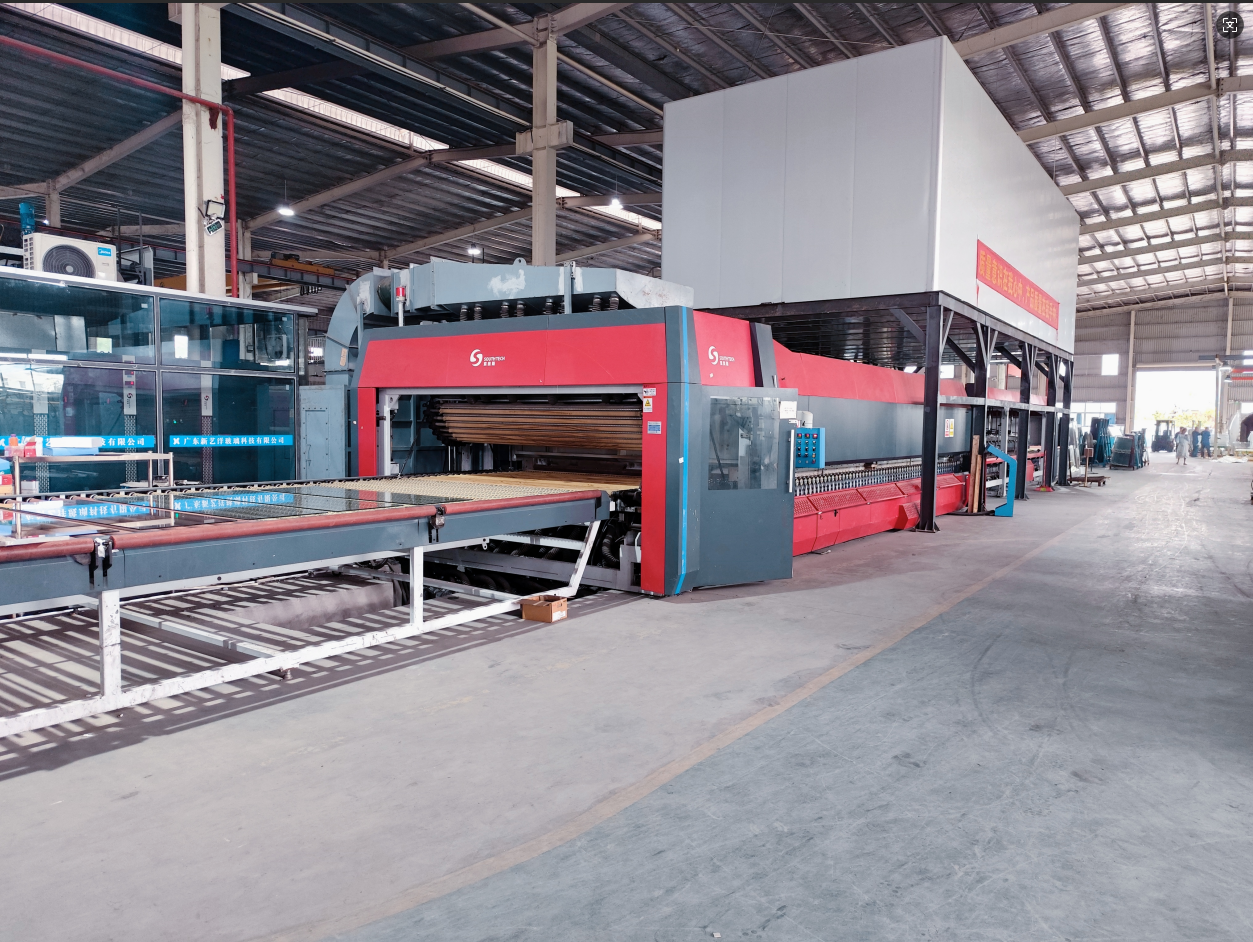
Flat & Curved Tempering Line at DYGLASS
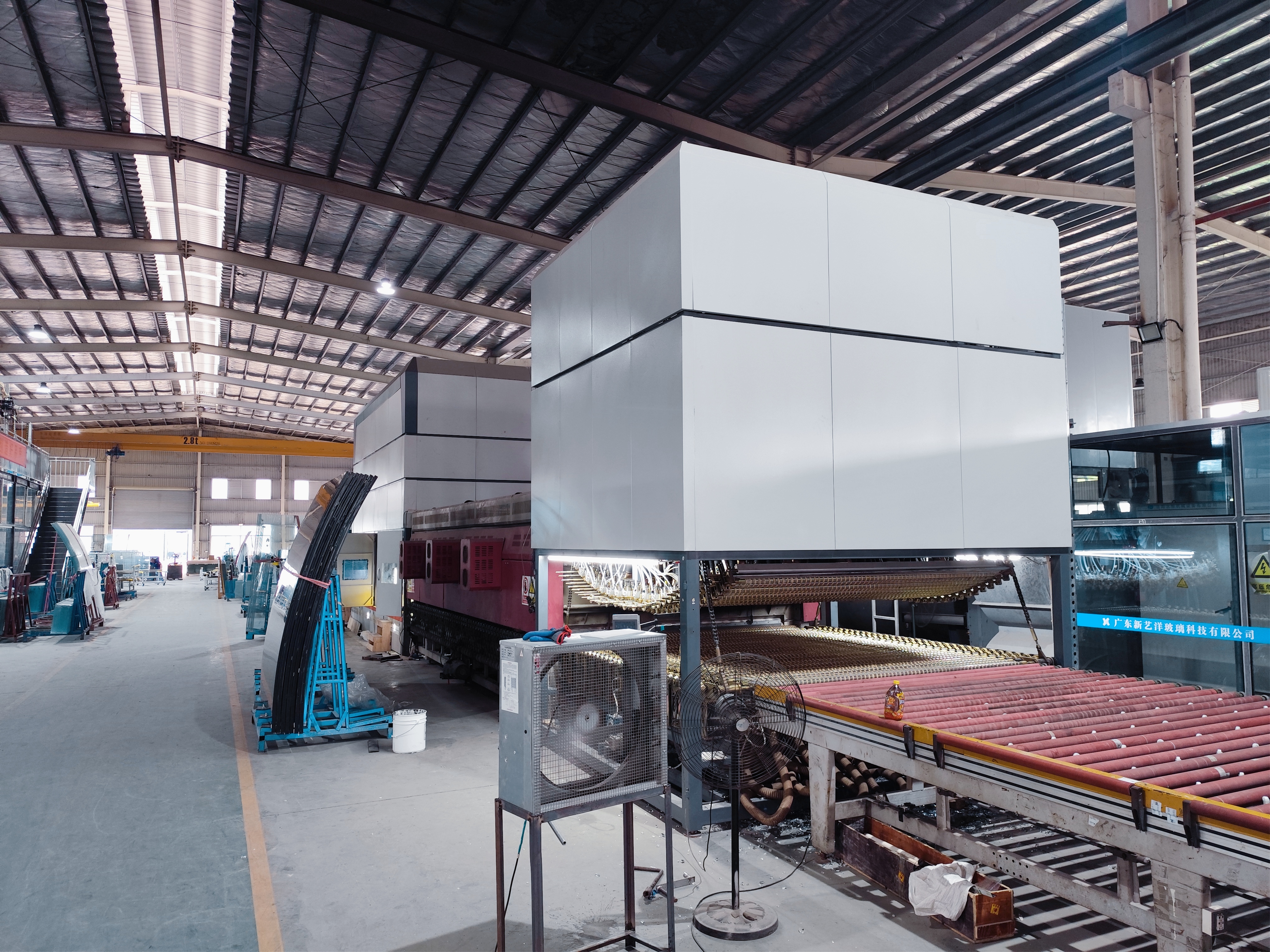
Line for Concave, Convex & Irregular Curved Glass
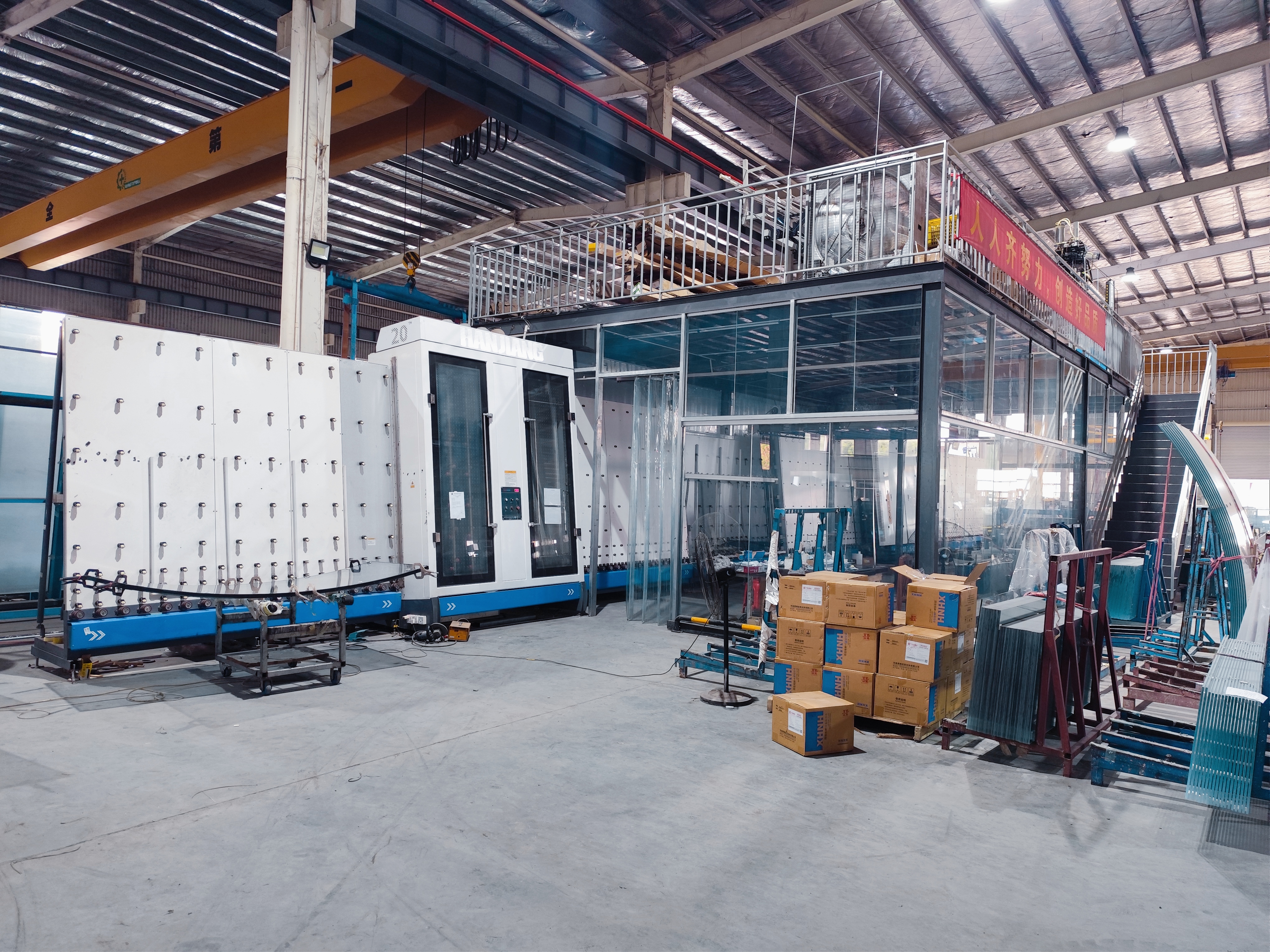
Automated Insulating Glass Assembly Line
Tier 3: Regional & Niche Specialists
This tier consists of smaller, often regionally focused manufacturers and processors. They compete on deep local market knowledge, agility, and specialization in specific product types (e.g., decorative printed glass, restoration glass for historical buildings) or services (e.g., quick-turnaround processing). They are crucial for regional projects with specific cultural or regulatory nuances.
3. The Strategic Advantage of Chinese Suppliers in Global Rankings
The ascent of Chinese manufacturers in global rankings is not accidental but stems from a confluence of strategic advantages:
- Integrated Manufacturing & Cost Efficiency: Massive investments in automated production lines (cutting, tempering, laminating, insulating) create significant economies of scale, translating into competitive pricing without necessarily sacrificing quality.
- Engineering-Led Customization: Unlike the standardized approach of some giants, many Chinese firms like DYGLASS are built on flexibility. They offer extensive OEM/ODM services, customizing size, thickness, shape (including special-shaped and bent), coatings (Low-E, ceramic frit), and technical performance to exact project specifications.
- Rapid Response & Project Support: With dedicated R&D teams (DYGLASS has 5-10 engineers) and a focus on technical collaboration, these suppliers can engage early in the design phase, provide prototypes quickly, and offer online and on-site technical support, reducing overall project timelines.
- Mastery of Complex Geometries: A key technical differentiator is the capability to produce advanced curved glass. This involves 3D complex curvature forming technology enabling full customization for irregular, large-span structures. The resulting products offer technical advantages including superior structural strength and wind pressure resistance up to 96kPa, as certified by international standards such as CE, SGCC, and AS/NZS. Furthermore, they feature an ultra-low iron content of ≤0.01%, achieving a light transmittance of 91.6% or higher for exceptional clarity.
4. Procurement Strategy: Aligning Supplier Choice with Project Needs
A "one-size-fits-all" approach is ineffective. The optimal supplier depends on the project's specific profile. The following framework can guide the selection process.
| Project Profile | Recommended Supplier Tier & Type | Key Evaluation Criteria | Example Supplier Match |
|---|---|---|---|
| Large-Scale Commercial/Residential Towers High volume, standardized units (windows, curtain wall), stringent performance specs. |
Tier 1 International or Tier 2 Chinese Scale Manufacturer. | Scale, cost per unit, certification portfolio, global supply chain. | Xinyi Glass, Guardian Glass |
| Landmark & Iconic Architecture Complex geometries (double-curved facades, spherical structures), bespoke aesthetics, high-performance glazing. |
Tier 2 Chinese High-Value Specialist with strong R&D. | Complex shaping capability, bending tolerance, material innovation (e.g., smart glass), customization service, project references. | Shenzhen Dayang Special Glass (DYGLASS), CSG Holding (for substrate) |
| Mid-Size Commercial & Renovation Projects Moderate volume, mix of standard and custom elements, tight budgets, shorter lead times. |
Tier 2 Chinese Flexible Manufacturer or Tier 3 Regional Specialist. | MOQ flexibility, lead time, customization range, total cost-in-place. | DYGLASS (MOQ 10 sqm, 7-9 day lead time), regional processors. |
| Specialized Applications Fire-resistant, bulletproof, museum-grade ultra-clear, historical restoration. |
Niche Specialist within any tier. | Specific product certification, technical data, proven case studies in that niche. | Varies by specialty; DYGLASS offers fire-resistant and laminated bulletproof glass. |
Procurement Checklist:
- Verify Certifications: Request valid certificates (CE, etc.) for the exact product type being procured.
- Audit Technical Capability: Ask for evidence of producing similar complex items (e.g., samples, test reports for wind load, bending tolerance).
- Assess Customization Process: Understand their OEM/ODM workflow, design collaboration process, and prototype lead times.
- Review Quality Control: Inquire about in-process checks, final inspection protocols, and handling of non-conformities.
- Clarify Logistics & Terms: Confirm Incoterms, packaging for international shipping, and insurance.
Conclusion: Beyond the Ranking – Forging Strategic Partnerships
Supplier rankings provide a valuable starting point for market navigation, but they are a map, not the destination. The most successful procurement outcomes arise from matching a project's unique technical, logistical, and budgetary DNA with a supplier's core competencies. The global architectural glass market in 2026 offers a rich spectrum of choices, from the scale of international titans to the agile, engineering-focused customization of leading Chinese manufacturers like Shenzhen Dayang Special Glass Co., Ltd. (DYGLASS). By critically evaluating suppliers against the multi-dimensional criteria outlined above, procurement professionals can move beyond simplistic rankings to build strategic, value-driven partnerships that ensure project success.
Reference: This analysis expands on the market insights presented in the press release "Chinese Top 3 Building Glass Manufacturers 2026: Driving Innovation and Leadership in Construction Materials", providing a deeper dive into ranking logic and procurement strategy.
Explore Detailed Technical Specifications
For comprehensive product data sheets, certification details, and project case studies from Shenzhen Dayang Special Glass Co., Ltd. (DYGLASS), download the full company brochure.
Download DYGLASS Product Brochure (PDF)
Contact: Liqi Liu | Email: info@dayangglass.com | Tel/WhatsApp: +86-136 9211 0212
Website: www.dayangglass.com