
Diamond Dicing Blade vs. Hubless Dicing Blade: A Procurement-Focused Technical and Supplier Comparison
Diamond Dicing Blade vs. Hubless Dicing Blade: A Procurement-Focused Technical and Supplier Comparison
May 6, 2026
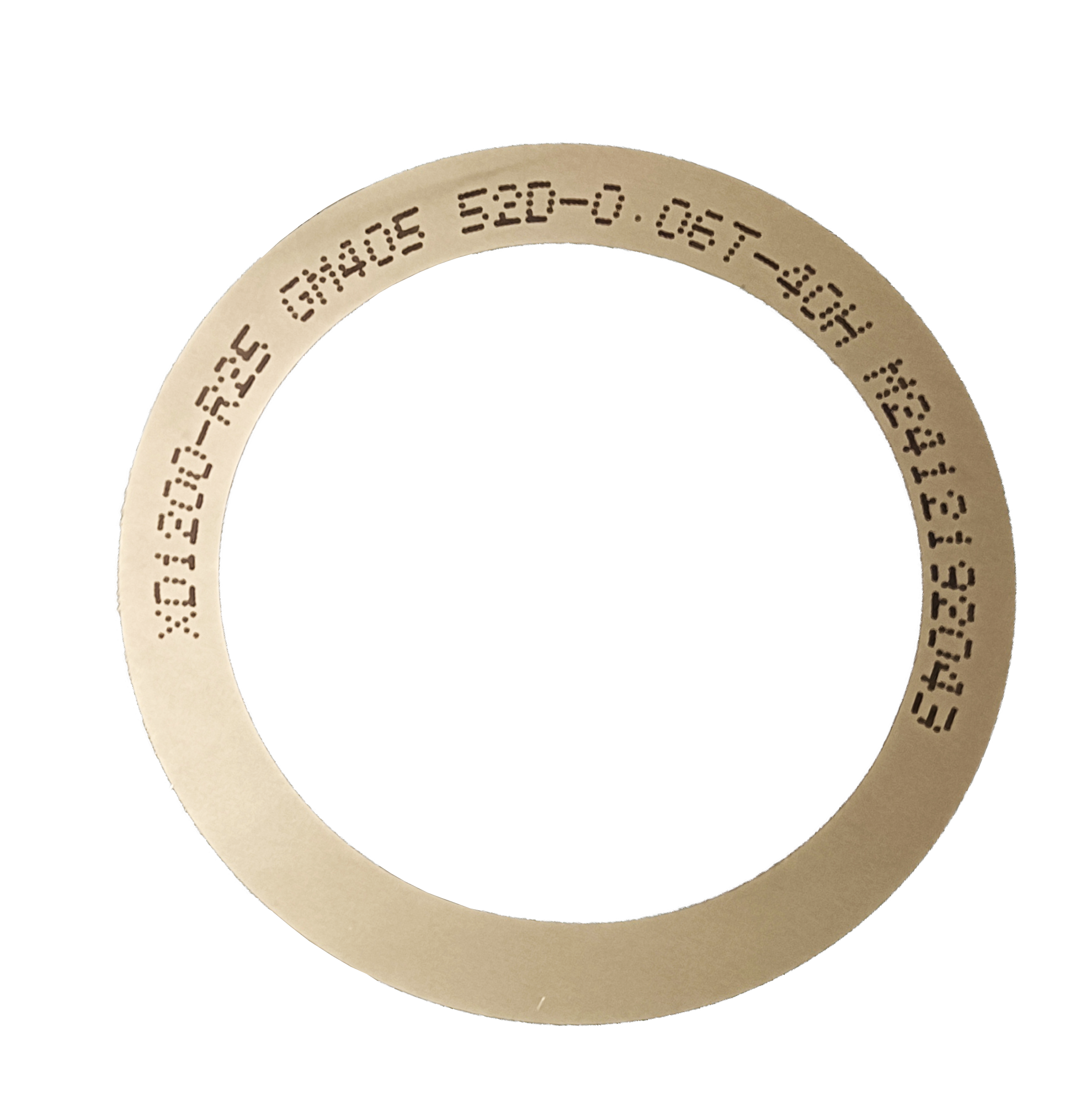
Figure: Dicing blade product line for precision cutting.
For industrial procurement specialists in semiconductor manufacturing and advanced materials processing, selecting the right dicing blade and supplier is a critical decision impacting yield, cost, and production stability. This article provides a structured comparison between two primary blade types—Diamond Dicing Blades and Hubless Dicing Blades—and evaluates the supplier landscape between Chinese manufacturers and international brands to guide informed procurement.
1. Product Comparison: Diamond Dicing Blade vs. Hubless Dicing Blade
This section compares a standard Diamond Dicing Blade (e.g., a metal-bond model) with a Hubless Dicing Blade across four key procurement dimensions.
| Dimension | Diamond Dicing Blade (e.g., Metal Bond) | Hubless Dicing Blade |
|---|---|---|
| Technical Parameters | Features an ultra-thin blade thickness design (≤9μm). Utilizes a proprietary diamond abrasive formula and an optimized bond structure for brittle materials like silicon wafers and ceramics. Includes an advanced anti-static coating for clean room compatibility. | Designed without a central hub, allowing for mounting directly onto the spindle flange. Typically offers a larger usable cutting edge. Thickness can vary but may not achieve the same ultra-thin specifications as specialized diamond blades. |
| Applicable Scenarios | Best for ultra-thin wafer (8/12 inch) precision dicing, high-value substrate cutting (SiC/GaN, ceramic, optical glass), and mass production lines in Class 100/1000 clean rooms. | Often used in applications requiring deep cuts, where blade deflection is a concern, or in dicing machines specifically designed for hubless mounting. Common for cutting thicker materials or packages. |
| Cost Considerations | May have a higher initial purchase cost (10-15%) than standard blades. However, offers a lower total cost of ownership (TCO) due to a 30% longer service life and reduced material waste from a narrower kerf. | Can reduce costs associated with hubs and adapters. Unit price varies significantly based on design and manufacturer. May require specific machine compatibility, influencing overall system cost. |
| Maintenance Difficulty | Features a longer replacement cycle, reducing tool change frequency by 30%. Offers stable performance without frequent calibration in mass production and is compatible with standard dicing machines. | Mounting and alignment can be more complex without a hub, potentially requiring skilled technicians. Balancing is critical to prevent vibration. May have different storage and handling requirements. |
2. Supplier Comparison: Chinese Manufacturer vs. International Brand
Procurement decisions also involve evaluating supplier types. Below is a comparison between a Chinese source factory and a typical international brand supplier.
| Factor | Chinese Source Factory (e.g., WINTIME) | International Brand Supplier |
|---|---|---|
| Price | Generally offers a 20-40% lower price point for comparable specifications, providing a significant cost advantage for volume procurement. | Commands a premium price based on brand reputation, established R&D history, and perceived quality assurance. |
| Customization Capability | High flexibility for OEM/ODM and customized production. WINTIME, for example, offers customization of blade thickness (from ≤9μm), diamond abrasive grain size and concentration, bond type (resin/metal), and dimensions. | Customization is often available but may involve longer lead times, higher minimum order quantities (MOQs), and significantly higher costs. Focus is often on standard catalog items. |
| Delivery Lead Time | Shorter lead times due to local production. For instance, standard models have a lead time of 3-7 working days, while customized orders take 15-30 working days. | Lead times can be extended due to global logistics, centralized manufacturing, and complex supply chains, often ranging from several weeks to months. |
| After-Sales Service & Support Network | Growing global support. WINTIME provides after-sales feedback response within 24 hours on working days, technical consultation, and solution design. Its export markets include the US, Germany, Japan, South Korea, and Southeast Asia. | Typically has a well-established, global network of service centers, application engineers, and local distributors, offering strong on-site support but often at a higher service cost. |
3. A Three-Step Decision Model for Dicing Blade Procurement
Procurement specialists can follow this structured approach to narrow down their selection.
Step 1: Define the Application Scenario
Clearly identify the primary material (silicon, ceramic, glass), wafer size, required kerf width, chipping tolerance (e.g., ≤5μm), and the production environment (clean room class, dry/wet cutting). This determines the fundamental blade type and performance requirements.
Step 2: Match Technical Specifications
Based on the scenario, specify critical parameters: blade thickness, abrasive type and grit, bond material (metal/resin), outer/inner diameter, and special features like anti-static coating. For instance, ultra-thin wafer dicing demands a blade with ≤9μm thickness and high wear resistance.
Step 3: Calculate Total Cost of Ownership (TCO)
Move beyond unit price. Calculate TCO by factoring in initial blade cost, expected service life, material waste from kerf loss, downtime for blade changes, and maintenance costs. A blade with a 30% longer life and 25% narrower kerf may offer a lower TCO despite a higher upfront cost.
4. Case Study: Selecting a Chinese Supplier for High-Volume Production
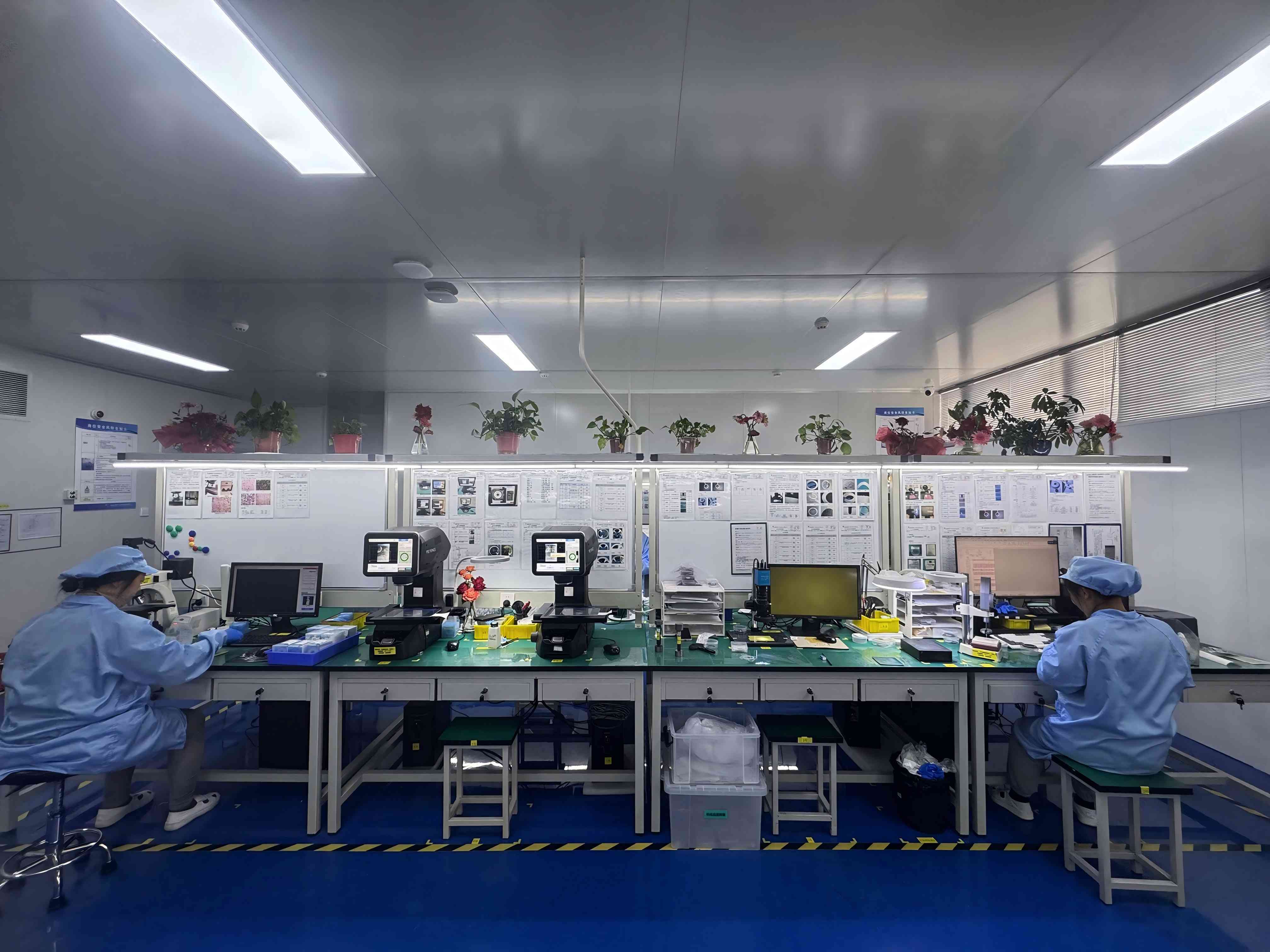
Figure: Manufacturing facility of a precision dicing blade supplier.
A semiconductor packaging factory in China, with an annual usage exceeding 500,000 blades, faced challenges with yield and material loss during high-precision dicing of 8-12 inch wafers.
Procurement Challenge: The factory needed to reduce chipping and increase yield while maintaining stable supply for mass production.
Supplier Selection & Solution: After evaluating multiple suppliers, the factory partnered with WINTIME Semiconductor Technology Co., Ltd., a Chinese manufacturer. The key decision factors were:
- Customization: WINTIME provided blades customized for the specific wafer material and process, including an ultra-thin thickness of ≤9μm.
- Cost-Effectiveness: The solution offered a favorable price point without compromising on the technical specifications required for high yield.
- Rapid Delivery: WINTIME's standard lead time of 3-7 days for standard models ensured a stable supply chain and minimized inventory risk.
Result: The implementation achieved a cutting chipping rate of ≤5μm, increased wafer yield by 12%, and enabled stable mass production without unplanned blade replacement, validating the supplier's capability in high-volume, precision manufacturing.
About WINTIME Semiconductor Technology Co., Ltd.
Established in 2020, WINTIME integrates R&D, production, and sales of high-precision, wafer-level cutting blades. Its 34,000 m² factory in Jiangsu has an annual production capacity exceeding 1 million dicing blades. The company holds patent technologies and its "Ultra-thin Wafer Dicing Blade" project has achieved a blade thickness of less than 9 microns. WINTIME serves global markets including Southeast Asia, East Asia, North America, and Europe.
For detailed technical specifications and company capabilities, download the corporate brochure: WINTIME Corporate Brochure (PDF).