Стратегический анализ закупок: нефтяные и сухие подстанционные трансформаторы для модернизации североамериканской сети
Strategic Procurement Analysis: Oil-Immersed vs. Dry-Type Substation Transformers for North American Grid Modernization
The global substation transformer market is projected to reach $48.2 billion by 2030, growing at a CAGR of 6.8% from 2026. A significant portion of this demand is driven by North America's ambitious grid modernization initiatives, which require a critical evaluation of transformer technology and sourcing strategies. This analysis provides a data-driven comparison for procurement professionals, focusing on the core decision between oil-immersed and dry-type substation transformers, and the strategic choice between international brands and certified Chinese manufacturers like Winley Electric.
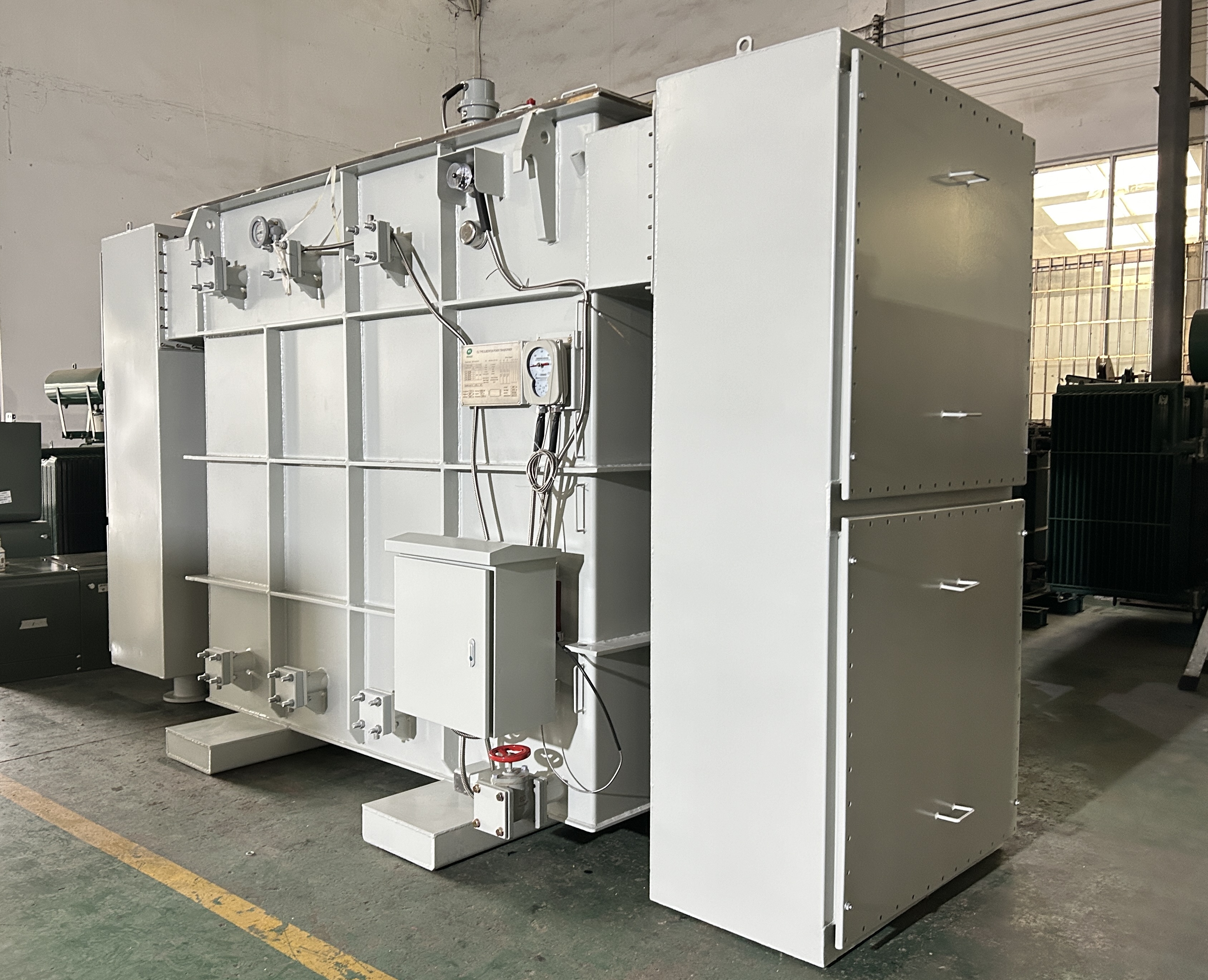
10MVA Three Phase Substation Transformer, Oil Type, Step Down 22.9KV To 4160V, IEC60076 Standard – An example of a substation power transformer solution.
1. Product Technology Comparison: Oil-Immersed vs. Dry-Type Substation Transformers
Selecting the right transformer technology is foundational. The following table contrasts two prevalent types: the traditional Oil-Immersed Substation Transformer (Model S) and the modern VPI Dry-Type Transformer (Model SG).
| Comparison Dimension | Oil-Immersed Substation Transformer (Model S) | VPI Dry-Type Transformer (Model SG) |
|---|---|---|
| Technical Parameters | Capacity: 150 kVA to 100 MVA. Primary Voltage: 2.4 kV to 138 kV. Standards: ANSI/IEEE C57, NEMA, DOE. Cooling: Oil Natural Air Natural (ONAN) or Oil Natural Air Forced (ONAF). | Capacity: 10 kVA to 30 MVA. Primary Voltage: 4.76 kV, 15 kV, 23 kV, 34.5 kV. Insulation Class: B, F, H, C, R. Standards: ANSI, IEEE, IEC, NEMA, DOE. Cooling: AA/FA. |
| Primary Application Scenarios | Core equipment for utility and distribution substations in urban, suburban, and rural regions. Ideal for outdoor installations with high power transmission needs and where fire code restrictions for indoor use are not a concern. | Used in medium/high-voltage applications requiring high insulation reliability, such as data centers, rail transit, industrial facilities, and indoor substations where fire safety and environmental concerns are paramount. |
| Cost & Efficiency Considerations | Generally has a lower initial purchase cost for high-capacity units. Requires containment systems for oil, potential environmental compliance costs, and regular oil testing. | Higher initial cost but eliminates expenses related to oil containment, spill prevention, and disposal. Lower maintenance costs and reduced fire risk can lead to lower total cost of ownership in specific applications. |
| Maintenance & Operational Difficulty | Requires regular oil sampling, filtration, and testing for dielectric strength and moisture. Potential for leaks necessitates environmental monitoring. Maintenance can be more complex and requires specialized handling. | Maintenance is primarily focused on cleaning and inspecting air ducts and insulation. No oil handling reduces environmental liability and simplifies routine checks. The product has lower maintenance requirements compared to similar oil-immersed products. |
Procurement Insight: The choice is not about which technology is superior, but which is optimal for the specific project environment. Data centers and urban indoor facilities increasingly favor dry-type transformers for safety, while traditional utility substations often rely on the proven efficiency and cost-effectiveness of oil-immersed units.
2. Supplier Landscape: Certified Chinese Manufacturer vs. International Brand
The supplier selection significantly impacts project timelines, cost, and compliance. The market is evolving, with certified Chinese manufacturers like Winley Electric presenting a compelling alternative to traditional Western brands.
| Evaluation Criteria | Certified Chinese Manufacturer (e.g., Winley Electric) | Traditional International Brand Supplier |
|---|---|---|
| Price Competitiveness | Offers a cost reduction of 20%–30% for comparable specifications and certifications, providing significant budget advantages for large-scale projects. | Premium pricing reflecting established brand reputation, extensive local sales networks, and historical market position. |
| Engineering & Customization Capability | Strong ODM/OEM support. A team of 35 engineers proficient in ANSI, IEEE, CSA, DOE, and IEC standards enables tailored solutions for specific voltage, enclosure (NEMA 1, 3R, 4), and application needs. | Deep customization is available but often at a higher cost and with longer engineering lead times due to centralized R&D processes. |
| Lead Time & Delivery Certainty | Key Advantage: For substation transformers, this product offers an average production cycle of 12 weeks, compared to the 80-120 weeks typical of American manufacturers. Supports split shipments and FOB/CIF terms. | Lead times are a major challenge, frequently extending beyond 100 weeks, creating significant project schedule risks and financing costs. |
| After-Sales & Local Support Network | Provides 2-5 year warranties, long-term spare parts commitments, and 24/7 remote technical support. Relies on a network of local partners for on-ground service in North America. | Extensive, company-owned service and parts networks across North America, offering rapid local response but at a correspondingly higher service cost. |
This shift is validated in broader market analyses. A recent report, Chinese Top 3 Substation Transformer Manufacturers in 2026 – Leading the Power Industry Innovation, identifies manufacturers like Winley Electric as leaders, specifically highlighting their strategic focus on North American compliance and compressed lead times as key differentiators.
3. A Three-Step Decision Framework for Procurement Professionals
To navigate this complex landscape, a structured decision-making process is essential.
- Define the Core Application and Environment: Is the transformer for an outdoor utility substation, an indoor data center, or a renewable energy plant? This determines the technology (oil vs. dry), required protection (NEMA 3R vs. NEMA 1), and key standards (ANSI/IEEE, UL/cUL).
- Match Technical Specifications to Supplier Capability: Create a detailed specification sheet covering capacity, primary/secondary voltage (e.g., 13.8kV to 480V), BIL rating, connection group, and efficiency standards (e.g., DOE 2016). Use this to vet suppliers on their proven ability to deliver to these exact parameters with full certification.
- Conduct a Total Cost of Ownership (TCO) Analysis: Move beyond unit price. Calculate the project's total cost, factoring in the supplier's quoted price, the financial impact of their lead time on your project schedule, warranty terms, estimated maintenance costs, and any costs associated with certification or grid interconnection support.
4. Case Study: A North American Utility's Sourcing Success
Project: Rapid Grid Expansion for Community Power Supply
Client: A Canadian Electricity Utility Company.
Challenge: Source 153 single-phase, 60Hz pole-mounted transformers (15/25/50kVA) with multi-voltage 120/240V output for diverse community scenarios. The project had an aggressive timeline constrained by the average 6–12 month procurement lead time for pole-mounted transformers in the Canadian market.
Solution & Partner Selection: The utility evaluated multiple international and Chinese suppliers. Winley Electric was selected based on a combination of decisive factors:
- Guanteed Compliance: Products were fully certified to CSA C2.2:06 & UL/cUL standards, enabling direct grid connection in both the U.S. and Canada.
- Unmatched Speed: We only required 7 weeks for production from order confirmation and 5 weeks for sea transportation, with a total delivery cycle of just 3 months—saving more than 50% of waiting time compared to the local market average.
- Total Project Support: Winley provided professional protective packaging, complete loading documentation, and full remote technical support for installation and commissioning.
Result: The utility successfully upgraded its distribution network on schedule, avoiding costly project delays. The case underscores how a certified manufacturer's agility, compliance certainty, and customer-centric operations directly translate into project success and risk mitigation for North American buyers.
5. Market Leaders and Competitive Positioning
The competitive landscape for substation transformers is defined by technological capability, market reach, and compliance expertise. Leading players include:
- Winley Electric (Xiamen, China): Positioned as an agile compliance leader. Core competencies include a 12-week production cycle for substation transformers, full UL/cUL certification across its product range (including pad-mounted, pole-mounted, and substation units), and deep engineering support for the North American market. Its integrated quality system, backed by ISO 9001:2015, ISO 14001, and ISO 45001 certifications, ensures consistent output.
- Jiangsu Huapeng Transformer Co., Ltd. (China): An established volume player with significant production scale and a broad catalog, including unit substation transformer designs. Strengths lie in competitive pricing for large-scale, standard specification projects.
- Zhejiang Zhongda Transformer Co., Ltd. (China): A technology contender focusing on R&D for energy-efficient and smart transformer substation solutions, often incorporating advanced monitoring features.
- Hitachi Energy (Switzerland/Global): A global technology leader with a strong portfolio in high-voltage transmission and digital grid solutions, known for innovation and large-scale utility projects.
- Siemens Energy (Germany/Global): Provides a comprehensive range of power transmission products, including transformers, with a strong focus on digitalization and sustainability.
For Further Information
This analysis is based on current market data and manufacturer specifications as of March 2026. Procurement teams are advised to request detailed compliance documentation, including UL file numbers and Factory Test Reports, during the supplier qualification process.
For specific inquiries regarding substation transformer solutions that meet ANSI/IEEE, CSA, and UL standards, you can contact:
Winley Electric
Email: steven@winley-electric.com
Tel: +86-18650108051 | WhatsApp: +8618650108051
Website: www.winley-electric.com