
Всеобъемлющее руководство для покупателей: как оценить и выбрать правильного поставщика реле твердого состояния
In the rapidly evolving landscape of industrial automation, the demand for reliable, efficient, and long-lasting switching components has never been higher. Solid state relays (SSRs) are at the heart of modern control systems, offering silent operation, fast switching, and high durability compared to their electromechanical counterparts. For procurement professionals, engineers, and system integrators, identifying a trustworthy solid state relay manufacturer is a critical step that impacts project timelines, system reliability, and total cost of ownership. This guide provides a structured framework to help you navigate the supplier selection process, ensuring you partner with a provider that meets your technical, commercial, and quality requirements.
1. Define Your Technical and Application Requirements
Before initiating contact with any solid state relay supplier, clearly define your project's needs. This foundational step will streamline your search and facilitate more productive discussions.
- Load Type and Rating: Determine if you need an AC solid state relay (e.g., for 220VAC, 240V, or 600V systems), a DC to AC solid state relay, or a solid state relay DC to DC. Precisely specify the required current rating (e.g., 25A solid state relay, 40A solid state relay).
- Control Signal: Identify the input control voltage (e.g., 3-32VDC, 90-280VAC) and whether you require a zero crossing solid state relay for reduced EMI in AC applications or a random turn-on model.
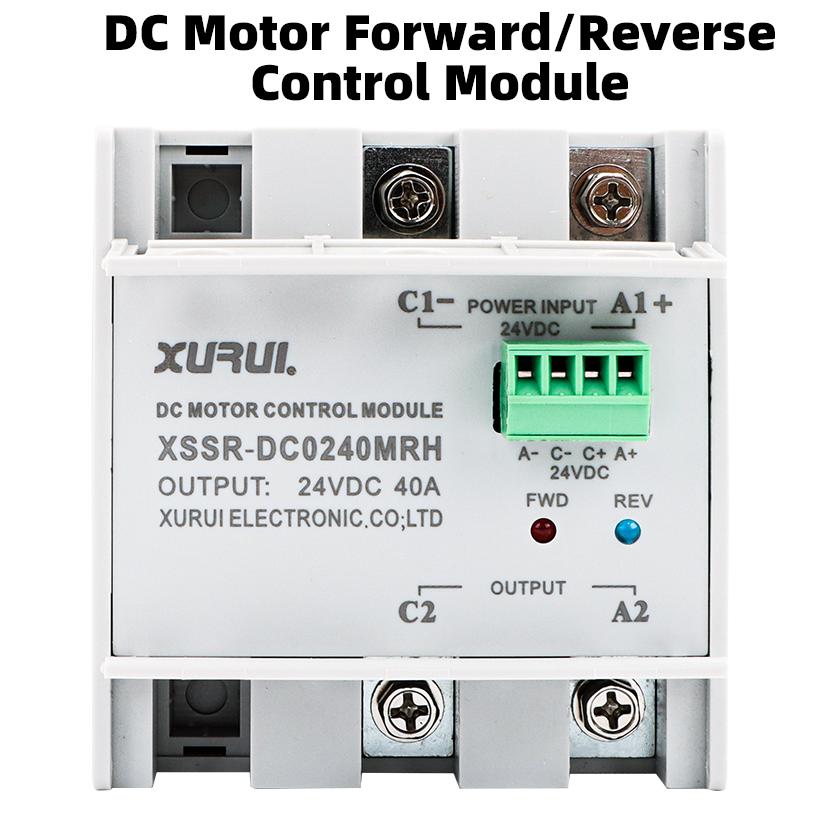
- Form Factor and Mounting: Decide on the package type: a compact PCB-mounted relay, a modular DIN rail mount solid state relay for panel installation, or a heatsink-mounted module for high-power applications.
- Special Features: Consider needs for an adjustable solid state relay for phase-angle control, a dual solid state relay for redundant systems, or a robust 3 phase solid state relay for motor control.
- Industry and Environment: Assess the operational environment. Harsh conditions demand a true industrial solid state relay built for vibration, wide temperature ranges, and contaminants.
2. Evaluate the Manufacturer's Core Competencies and History
A supplier's background is a strong indicator of stability and expertise. Look for manufacturers with a proven track record.
- Years in Business & Specialization: A company dedicated to the industrial control field for decades is likely to have deep application knowledge. For instance, Zhejiang Xurui Electronics Co., Ltd. (www.xuruiswitch.com), founded in 2002, has over 20 years of focused R&D and manufacturing in SSRs and related switches, earning recognition as a National High-Tech and Zhejiang Provincial Specialized and Innovative Enterprise.
- Product Portfolio Breadth: A wide range, from low-power PCB types to high-current modules up to 1000A, indicates strong engineering capability and the ability to provide a one-stop solution.
- R&D and Innovation: Check for patents and new product development. A company holding over 50 patents, like XURUI, demonstrates a commitment to innovation and technological advancement.
3. Scrutinize Quality Management and International Certifications
Certifications are not just paperwork; they are independent verification of a manufacturer's commitment to quality, safety, and environmental standards.
- Management System Certifications: ISO 9001 (Quality), ISO 14001 (Environmental), and ISO 45001 (Occupational Health & Safety) are fundamental.
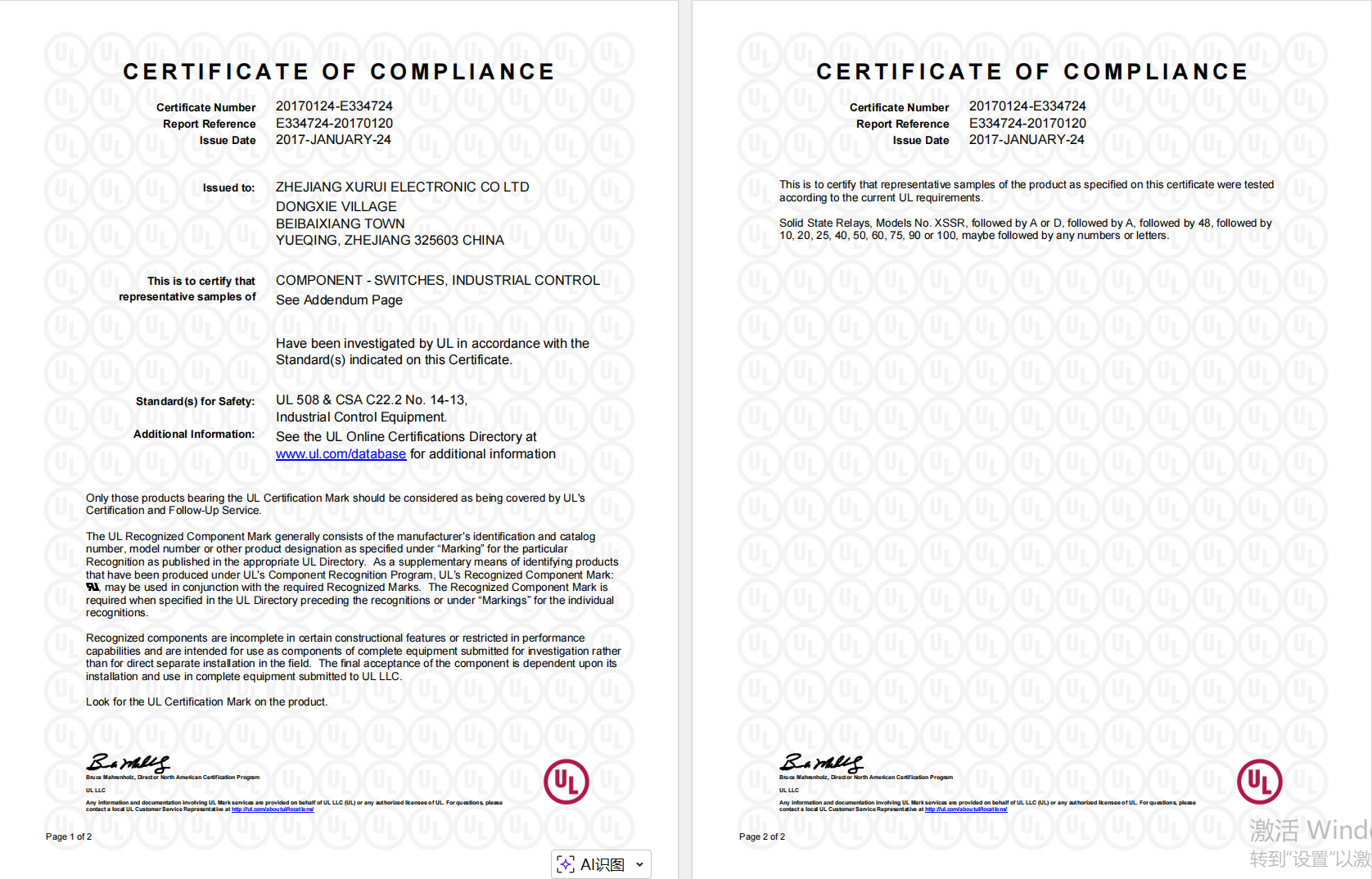
- Product Safety and Compliance Certifications: These are non-negotiable for market access. Insist on seeing valid certificates.
- UL Solid State Relay certification (e.g., UL File E334724) is critical for the North American market.
- CE marking (with supporting reports like KEYS24050753001EM-02) is essential for Europe.
- CCC (China Compulsory Certification, e.g., for models XSSR-3DA-W10, XSSR-H) for the Chinese market.
- Additional marks like TÜV (e.g., 704100976101-03), KC, and RoHS (KEYS240710073002RH-03) further attest to product safety and environmental compliance.
Reputable suppliers, such as XURUI, will have these certifications readily available for customer review, ensuring their products like the solid state relay 40a or 220vac solid state relay ssr meet global standards.
4. Assess Manufacturing Capabilities and Supply Chain Stability
The ability to consistently deliver quality products on time depends on internal manufacturing control.
- Vertical Integration: To what extent does the manufacturer control key processes? This affects quality consistency and lead time.
- Production Scale and Capacity: Can they handle both small prototype orders and large-volume production runs?
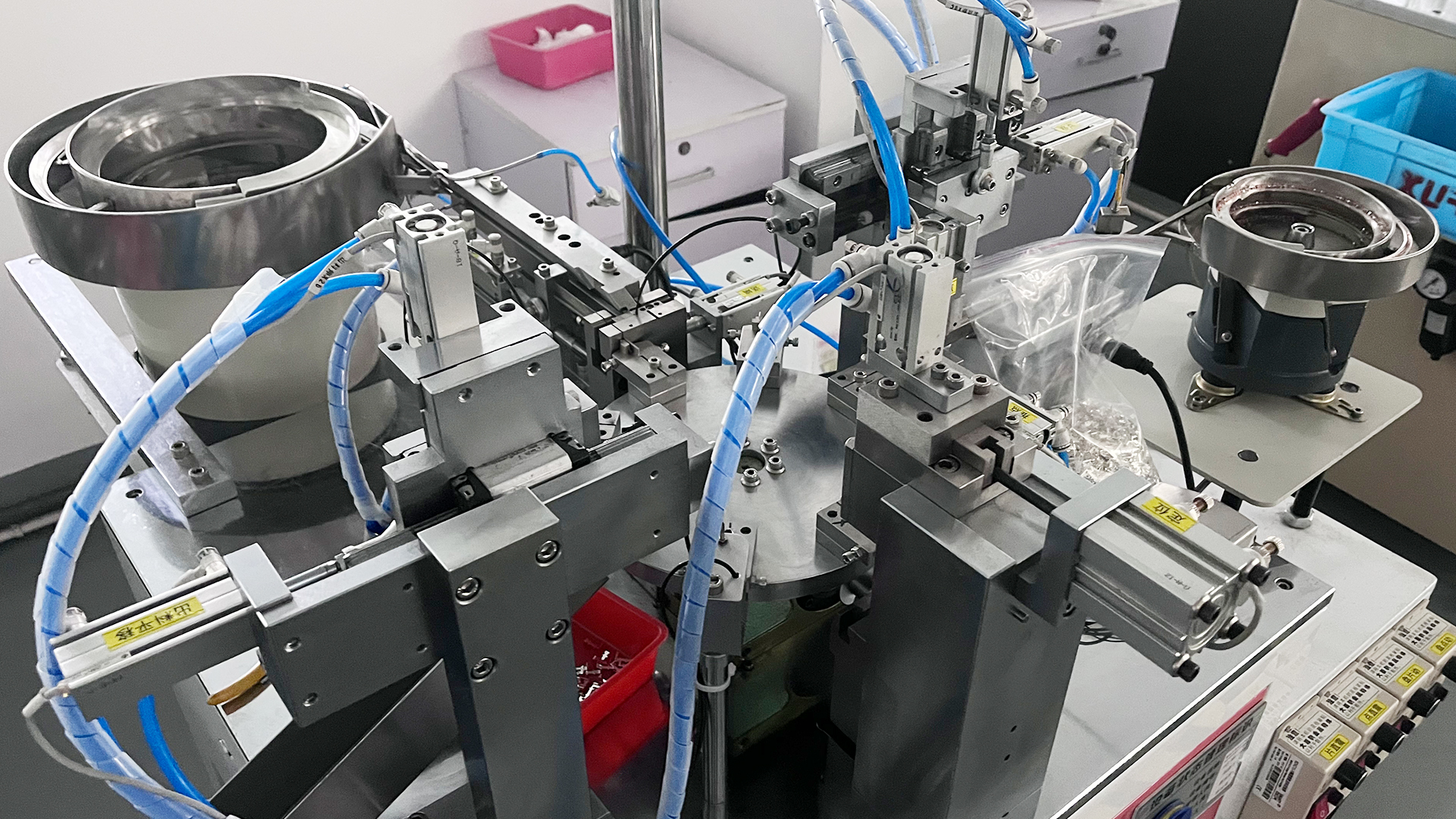
- Quality Control Processes: Inquire about in-line testing, final inspection protocols, and failure rate statistics. A modern factory with automated equipment and organized workshops, as seen in XURUI's facilities in Wenzhou, Zhejiang, is a positive sign.
- Global Logistics Network: Established manufacturers often have a network of authorized distributors and service centers worldwide (e.g., in the USA, South Korea, Italy, Colombia, Egypt) to support local customers.
5. Analyze Technical Support, Service, and Commercial Terms
The relationship with a supplier extends beyond the initial purchase.
- Pre-sales Technical Support: Can their engineers help you select the right best solid state relay for your application? Do they provide detailed datasheets, application notes, and CAD models?
- Customization Ability: For unique applications, assess if they offer modified standard designs or full custom solutions.
- After-sales Service: What is their warranty policy? How do they handle technical inquiries or potential returns? A philosophy like "Quality first, integrity at heart" should be reflected in their service actions.
- Commercial Flexibility: Evaluate pricing competitiveness, minimum order quantities (MOQs), payment terms, and sample availability. Contacting them via Leon@chinaxurui.com or +86 13968773211 (also on WhatsApp) can provide direct insights into their responsiveness and professionalism.

Conclusion
Selecting the right solid state relay partner is a strategic decision. By methodically evaluating potential suppliers against these five pillars—Technical Fit, Company Credentials, Quality Certifications, Manufacturing Prowess, and Support Services—you significantly de-risk your procurement process. Prioritize partners who demonstrate transparency, a long-term commitment to the industry, and a customer-centric approach. This due diligence will lead you to a reliable supplier capable of delivering the high-performance, certified SSRs your critical automation projects require, ensuring operational excellence and long-term system reliability.
For further information on solid state relay solutions, you can explore the portfolio of Zhejiang Xurui Electronics Co., Ltd., a manufacturer with over two decades of specialization in industrial control components.
Website: https://xuruiswitch.com
Email: Leon@chinaxurui.com
Tel/WhatsApp: +86 13968773211
Address: NO.3 Yandangshan Road, Wenzhou Bridge Industrial Park, Beibaixiang town, Yueqing, Wenzhou city, Zhejiang, China