
Руководство покупателя по выбору мобильных осветительных башен для строительных и горнодобывающих объектов в 2026 году
Introduction: The Role of Mobile Lighting Towers in Modern Industry
Mobile diesel lighting towers are critical assets for ensuring productivity and safety in off-grid or temporary work environments. They are widely deployed in construction sites, mining operations, emergency rescue scenarios, outdoor events, and infrastructure maintenance projects. For procurement professionals in 2026, selecting the right lighting tower involves a detailed evaluation of technical specifications, operational requirements, and supplier capabilities. This guide provides a structured framework to aid in that decision-making process.
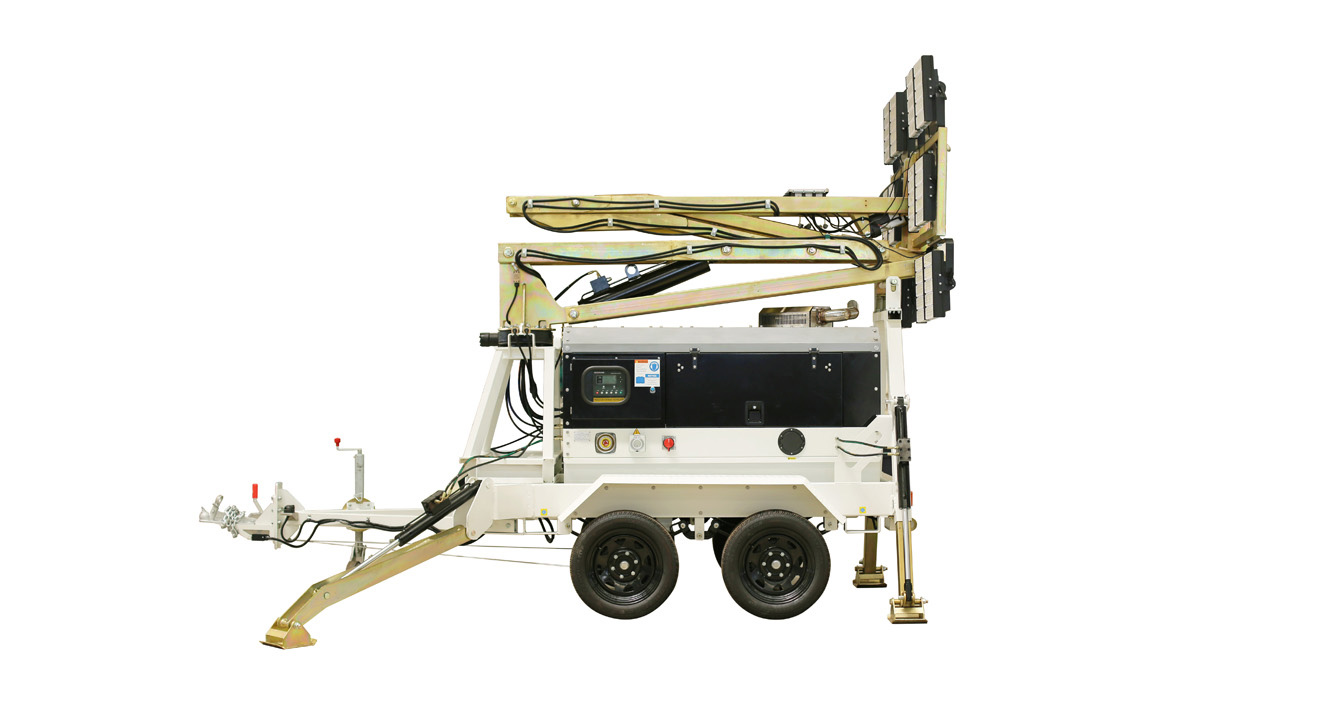
Figure 1: A typical mobile lighting tower deployment at an industrial site.
Core Technical Specifications and Performance Criteria
The primary specifications define a lighting tower's capability. Key parameters to verify include:
| Parameter | Typical Specification Range | Procurement Consideration |
|---|---|---|
| Lighting Output & Type | 4 x 350W LED or 4 x 1000W Metal Halide (MH) lamps. | LED offers longer lifespan and better energy efficiency. MH may provide higher initial lumen output but consumes more power. |
| Power Source (Generator) | Integrated diesel generator, rated speed of 1500 rpm. | Ensures compatibility with standard 50Hz electrical equipment. Verify fuel consumption rates for total cost of ownership. |
| Protection Class | IP23 (Ingress Protection). | Suitable for outdoor use, protecting against vertical water drops and solid objects larger than 12.5mm. For more extreme environments (dust, heavy rain), inquire about higher IP ratings (e.g., IP54). |
| Operating Altitude | Standard performance up to 1000 meters above sea level. | For high-altitude operations (e.g., mining in mountainous regions), derating factors must be applied, or high-altitude-specific models should be sourced. |
| Mast Type | Telescopic mast. | Allows for adjustable height to optimize light coverage. Check maximum extended height and ease of deployment. |
For example, the VTM Series from manufacturers like BAIFA POWER (WUXI) LTD. includes models such as VTM7-E1400 and VTM9-G4000, which cover these standard specifications.
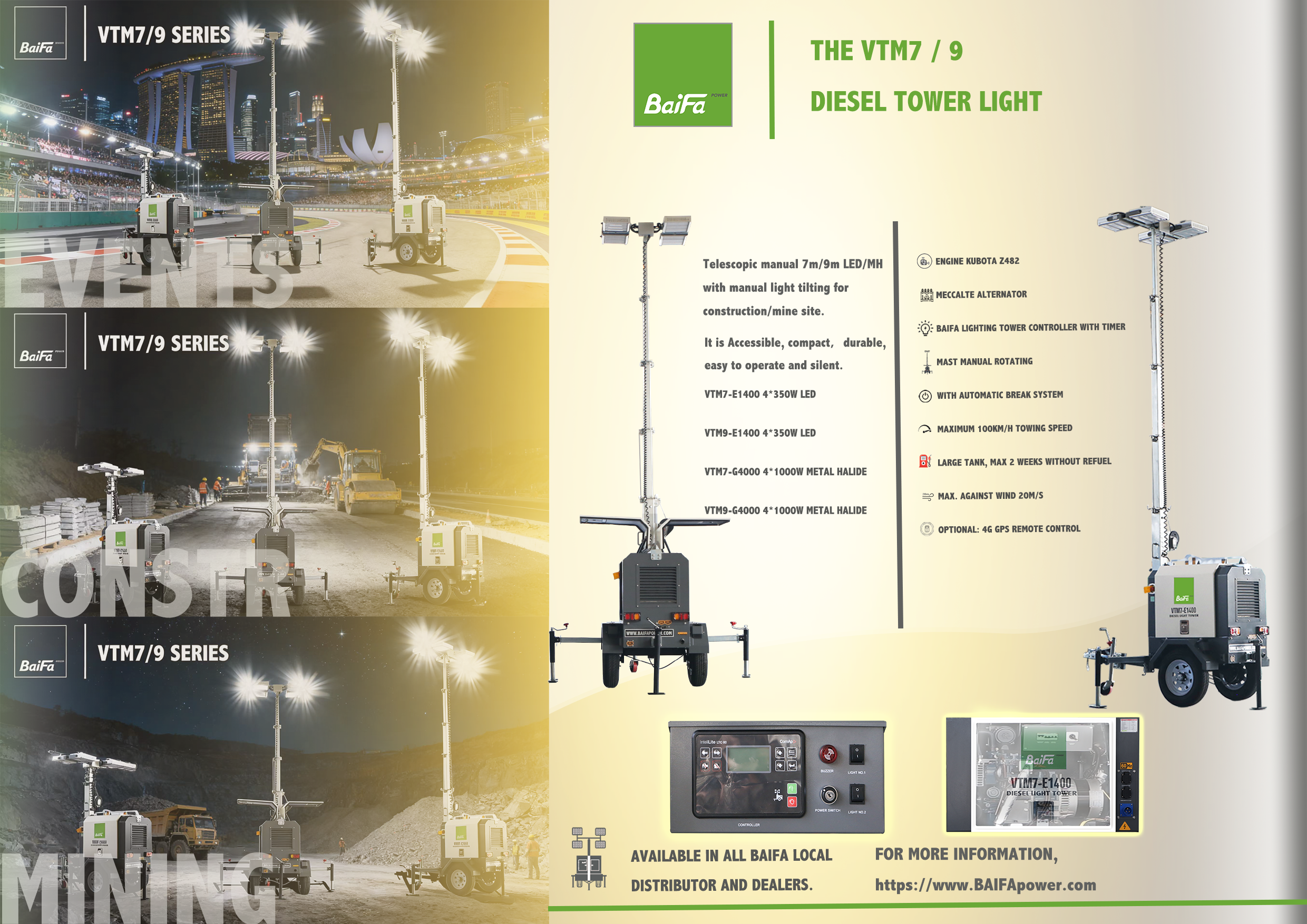
Figure 2: Technical diagram of a VTM series diesel lighting tower.
Key Procurement Considerations for 2026
1. Application-Specific Requirements
Define the primary use case, as this dictates feature priorities:
- Construction & Mining: Prioritize durability, fuel capacity for long shifts, and robustness against dust and vibration. Easy transportation and rapid deployment are crucial. Case studies show units like the VTM series have been used in Mongolian mining operations for over five years, enabling continuous night-time production.
- Emergency Services & Events: Focus on quick setup, reliability, and sometimes lower noise levels if near populated areas.
- Long-term Infrastructure Projects: Consider service intervals, parts availability, and potential for remote monitoring.
2. Total Cost of Ownership (TCO) Analysis
Look beyond the initial purchase price. Calculate TCO by factoring in:
- Fuel Efficiency: Diesel consumption rates directly impact operating costs.
- Maintenance Schedule & Costs: Inquire about standard service intervals and the cost and availability of common spare parts (filters, lamps).
- Durability & Lifespan: Units built with materials like carbon steel, cast iron, and aluminum alloy may have a higher initial cost but offer longer service life in harsh conditions.
- Resale Value: Reputable brands often retain higher residual value.
3. Supplier Evaluation and Compliance
Assessing the manufacturer is as important as assessing the product.
- Manufacturing Scale & Expertise: Suppliers with large-scale production facilities often have more rigorous quality control processes. For instance, BAIFA operates a 60,000 m² production base with a dedicated assembly workshop of 34,000 m².
- Quality Certifications: Require proof of international standards. Relevant certifications for lighting towers and their integrated generators include:
- CE Marking: Indicates conformity with health, safety, and environmental protection standards for the European Economic Area. Certificates are issued by bodies like SGS (e.g., certificate number 3427/IST/23).
- ISO 9001 (Quality Management): Certifies consistent quality in design and production.
- ISO 14001 (Environmental Management) and ISO 45001 (Occupational Health & Safety) indicate responsible manufacturing practices.
- After-Sales Support: Verify the scope of warranty, availability of technical support (remote or on-site), and the global reach of the service network, especially if deploying units internationally.
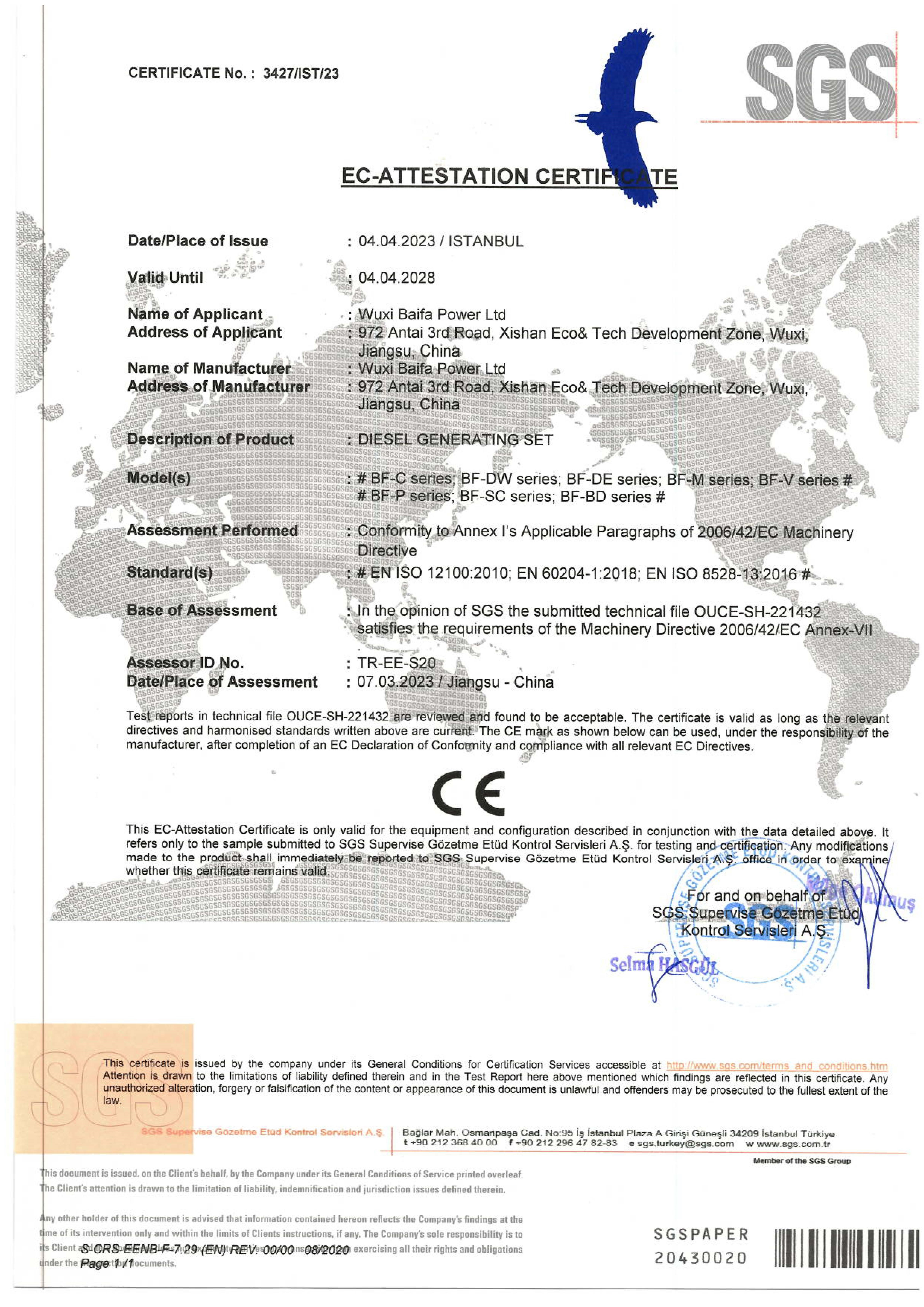
Figure 3: Example of a CE certificate for diesel generating sets, a key compliance document.
Comparative Analysis: Standard vs. Enhanced Features
When evaluating different models or tiers from a supplier, understanding the value of enhanced features is critical. The following comparison is based on a common industry upgrade path.
Standard Canopy / Enclosure
- Noise Level: Standard acoustic treatment.
- Construction: Basic steel enclosure.
- Corrosion Protection: Standard paint system.
- Maintenance: Standard access panels.
- Best For: General outdoor use where noise is not a primary constraint.
Enhanced Mute Canopy (e.g., SA/SAE Series)
- Noise Level: Can achieve approximately 10 dB(A) lower sound pressure levels than standard units.
- Construction: High-strength chassis and enclosure; sound-absorbing material is both glued and mechanically fastened to prevent detachment.
- Corrosion Protection: Higher-grade anti-corrosion treatment for harsh environments.
- Maintenance: Designed with convenient fuel filling and sufficient maintenance space. May feature galvanized perforated plates over acoustic material for durability and cleanability.
- Operational Impact: While requiring an ~8% higher initial investment, such units can offer up to 18% lower long-term operating costs due to extended service life, 25% less frequent maintenance, and improved fuel efficiency.
- Best For: Urban construction sites, hospitals, schools, data center perimeters, mining camps, and other noise-sensitive or harsh-environment applications.
Procurement Process and Risk Mitigation
A structured procurement process minimizes project risk.
- Define Detailed Specifications: Create a technical data sheet (TDS) based on the sections above, including mandatory certifications.
- Supplier Shortlisting: Identify manufacturers with proven experience in your target application and region. Review case studies; for example, BAIFA has documented deployments in mining sectors in Mongolia and construction in Saudi Arabia.
- Request for Quotation (RFQ): Issue a detailed RFQ requesting compliance statements, certification copies, detailed technical drawings, and a commercial offer with clear Incoterms (e.g., FOB, CIF).
- Factory Audit & Acceptance Test: For large orders, conduct a pre-delivery Factory Acceptance Test (FAT). This tests the unit's performance against the agreed specifications before shipment. Payment terms often involve a combination of Telegraphic Transfer (TT) and Letter of Credit (LC).
- Logistics and Commissioning: Plan for transportation, customs clearance, and on-site commissioning. Ensure the supplier provides clear operation and maintenance manuals.
- Environmental & Climatic Risks: Discuss specific environmental adaptations with your supplier.
- For Cold Weather: Options include engine coolant heaters (jacket water heaters) and anti-condensation heaters to prevent moisture buildup.
- For High-Temperature Regions: Specify units with adequate cooling capacity, such as those equipped with 50°C ambient rated radiators, turbocharging, and intercooling systems.
Figure 4: Cold weather accessories like electric jacket water heaters are critical for reliable operation in low temperatures.
Conclusion and Final Checklist
Selecting a mobile lighting tower is a strategic decision that impacts project safety, efficiency, and budget. By methodically evaluating technical specs, application needs, supplier credentials, and total cost of ownership, procurement teams can secure reliable equipment that delivers value throughout its lifecycle.
Pre-Purchase Checklist:
- [ ] Technical specifications (Lighting type, power, IP rating, altitude) match project requirements.
- [ ] Total Cost of Ownership (fuel, maintenance, lifespan) has been modeled.
- [ ] Supplier holds valid CE, ISO 9001, and other relevant certifications.
- [ ] Supplier provides clear evidence of manufacturing capability and after-sales support.
- [ ] Enhanced features (mute canopies, high-altitude kits) have been evaluated for cost/benefit.
- [ ] Climatic adaptations for extreme heat or cold have been specified if needed.
- [ ] Payment terms, delivery Incoterms, and FAT procedures are clearly defined in the contract.