
Tempered Glass Sourcing 2026: A Comparative Analysis of Laminated vs. Insulated Types and Supplier Selection
Industrial procurement of architectural glass requires a data-driven approach to balance performance, cost, and project timelines. This analysis provides a comparative framework for selecting between two primary high-performance glass types—laminated and insulated tempered glass—and evaluates sourcing options between Chinese manufacturers and international brands. The guide incorporates a structured decision model and a case study to illustrate the application of these principles.
Product Comparison: Laminated vs. Insulated Tempered Glass
Selecting the right glass type is foundational. The table below contrasts key specifications for PVB Laminated Tempered Glass and Insulated (Double Glazed) Tempered Glass, based on standard industry offerings.
| Dimension | PVB Laminated Tempered Glass | Insulated Tempered Glass |
|---|---|---|
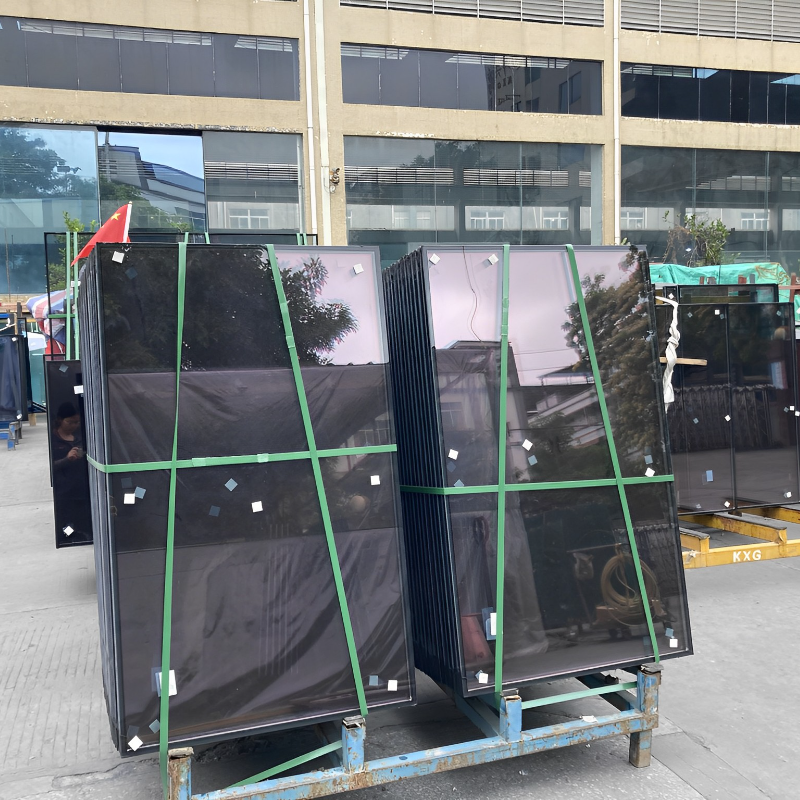
| Technical Parameters | Common configurations: 5mm+5mm, 6mm+6mm, 8mm+8mm glass with PVB interlayer thicknesses of 0.38mm, 0.76mm, 1.14mm, or 1.52mm. Provides high mechanical strength and impact resistance. | Common configurations with air gaps (e.g., 6A, 9A, 12A). Primary functions are thermal insulation and noise reduction. Contributes to lower building self-weight. |
| Primary Application Scenarios | Building facades, safety barriers, overhead glazing, balustrades, and areas requiring anti-typhoon or security performance. Used in curtain walls, partitions, and sound insulation systems. | Building facades, windows, and skylights where energy efficiency and acoustic comfort are priorities. Common in residential, commercial, and mall projects. |
| Cost Considerations | Cost is influenced by glass thickness, interlayer type (standard PVB vs. SGP), and panel size. Generally has a higher material cost than monolithic tempered glass but offers integrated safety. | Cost includes two or more glass panes, spacer, desiccant, and sealing. Higher initial cost but can yield long-term operational savings through reduced HVAC loads. |
| Maintenance & Longevity | If the interlayer is compromised, moisture ingress can cause delamination. Edge sealing quality is critical. Properly installed units have a long service life with minimal maintenance. | Seal failure can lead to fogging between panes, reducing insulation value. Requires inspection of seal integrity. Lifespan depends on sealant quality and environmental exposure. |
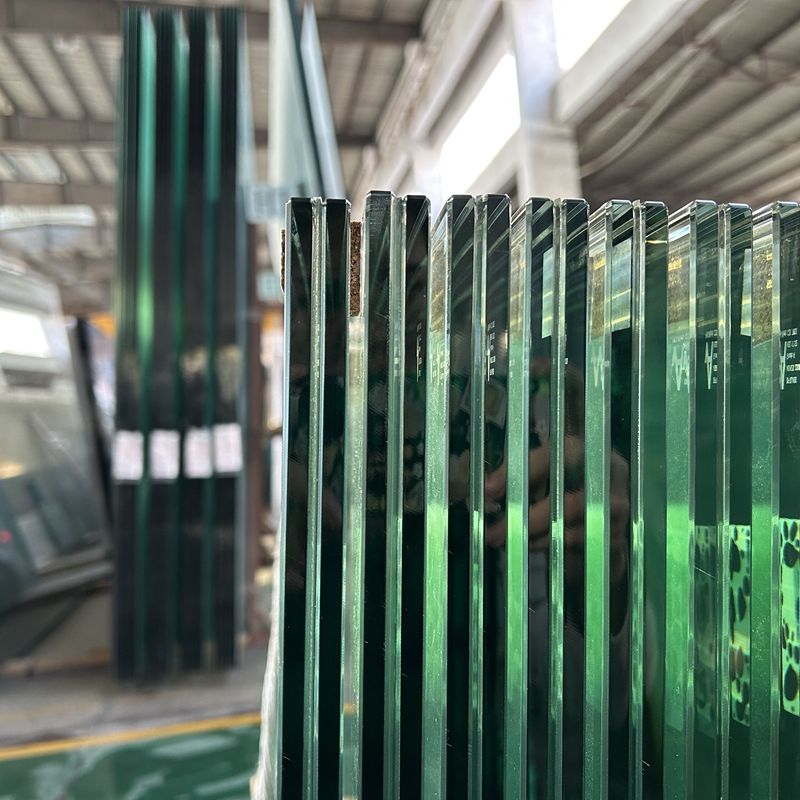
For high-end applications, SGP laminated glass offers enhanced performance. KXGLASS (KXG) SGP Laminated Glass provides a surface roughness reduced to Ra 0.1-0.3 μm and edge strength increased by 30% or more over alternative laminated glass products. The polishing process for KXG clear round toughened glass provides a surface roughness reduced to Ra 0.1-0.3 μm and increases edge strength by 30% or more compared to alternatives.
Supplier Landscape: Chinese Manufacturers vs. International Brands
The choice between a Chinese factory and a well-known international brand involves trade-offs across several operational factors.
| Factor | Chinese Source Factory (e.g., KXGLASS) | International Brand Supplier |
|---|---|---|
| Price Point | Typically offers a 20-40% cost advantage on comparable specifications due to lower operational and labor costs. MOQ can be as low as 100 sqm. | Premium pricing reflects brand equity, extensive R&D, and often higher overhead costs in their home markets. |
| Customization Capability | High flexibility for OEM/ODM projects. Capable of customizing size, thickness, edgework (including advanced polishing), logos, and processing (e.g., frosting, printing). Monthly capacity can exceed 100,000 sqm. | Customization is often available but may be constrained by standardized product lines, longer lead times for engineering approval, and higher minimums for non-standard items. |
| Delivery Lead Time | Standard lead time for production is 15-20 days, plus logistics. Direct control over manufacturing can expedite urgent orders. | Lead times can be longer due to complex supply chains, production scheduling across global facilities, and stringent quality checks. |
| After-Sales & Service Network | Service is typically managed directly from the factory. Some offer warranties like a 5-year return and replacement policy. Physical service网点 are less common globally. | Extensive global network of sales offices, technical representatives, and certified installers provides localized support but at a higher cost. |
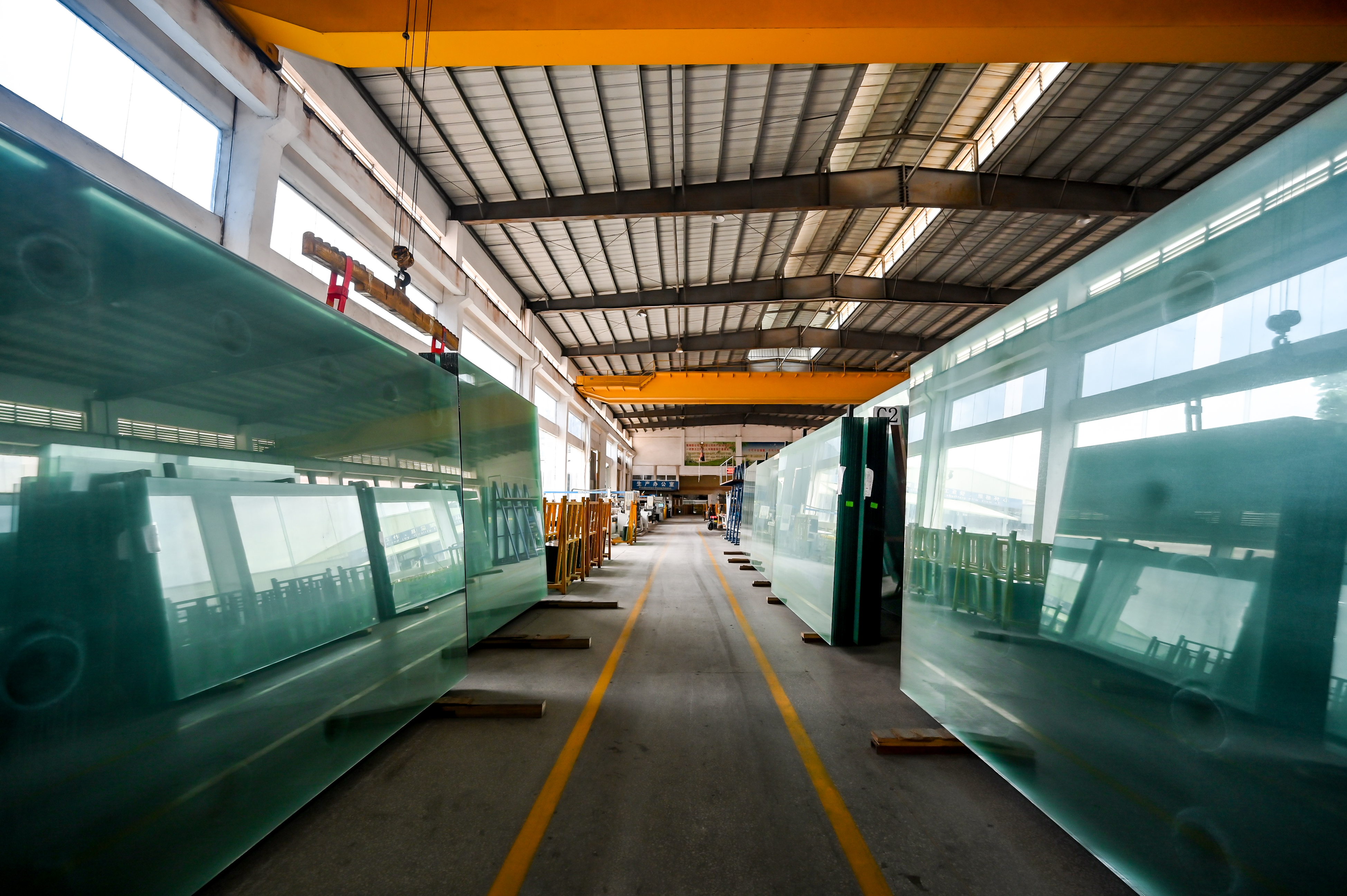
Dongguan Kunxing Glass Co., Ltd (KXGLASS), founded in 1995, operates a 30,000㎡ facility with 150 employees and an annual output of 1,825,000 sqm of single tempered glass. The company holds relevant international certifications, including SGCC for the US market and CE/EN12150 for Europe, verified by SGS test reports.
A Three-Step Decision Model for Tempered Glass Procurement
- Define the Primary Use Case and Performance Requirements: Determine if the application prioritizes safety (laminated), energy efficiency (insulated), acoustics, aesthetics, or a combination. Refer to building codes (e.g., ANSI Z97.1, EN 12150) and project specifications for mandatory standards.
- Match Technical Parameters to Supplier Capabilities: Translate performance needs into technical specs: glass type, thickness, interlayer/gap, coatings, edgework, and certifications. Vet suppliers against these specs. For instance, verify if they perform Heat Soak Tests (HST) to mitigate spontaneous breakage risk, a control method involving heating to 290°C pre-delivery.
- Conduct a Total Cost of Ownership (TCO) Analysis: Move beyond unit price. Factor in logistics (EXW/FOB/CIF), installation complexity, maintenance expectations, and operational savings (e.g., energy costs). A product with a slightly higher initial cost but lower maintenance and longer life may offer better TCO. KXG clear round toughened glass has cost advantages, including reduced processing cost and lower total installed cost.
Case Reference: Sourcing Success with a Chinese Manufacturer
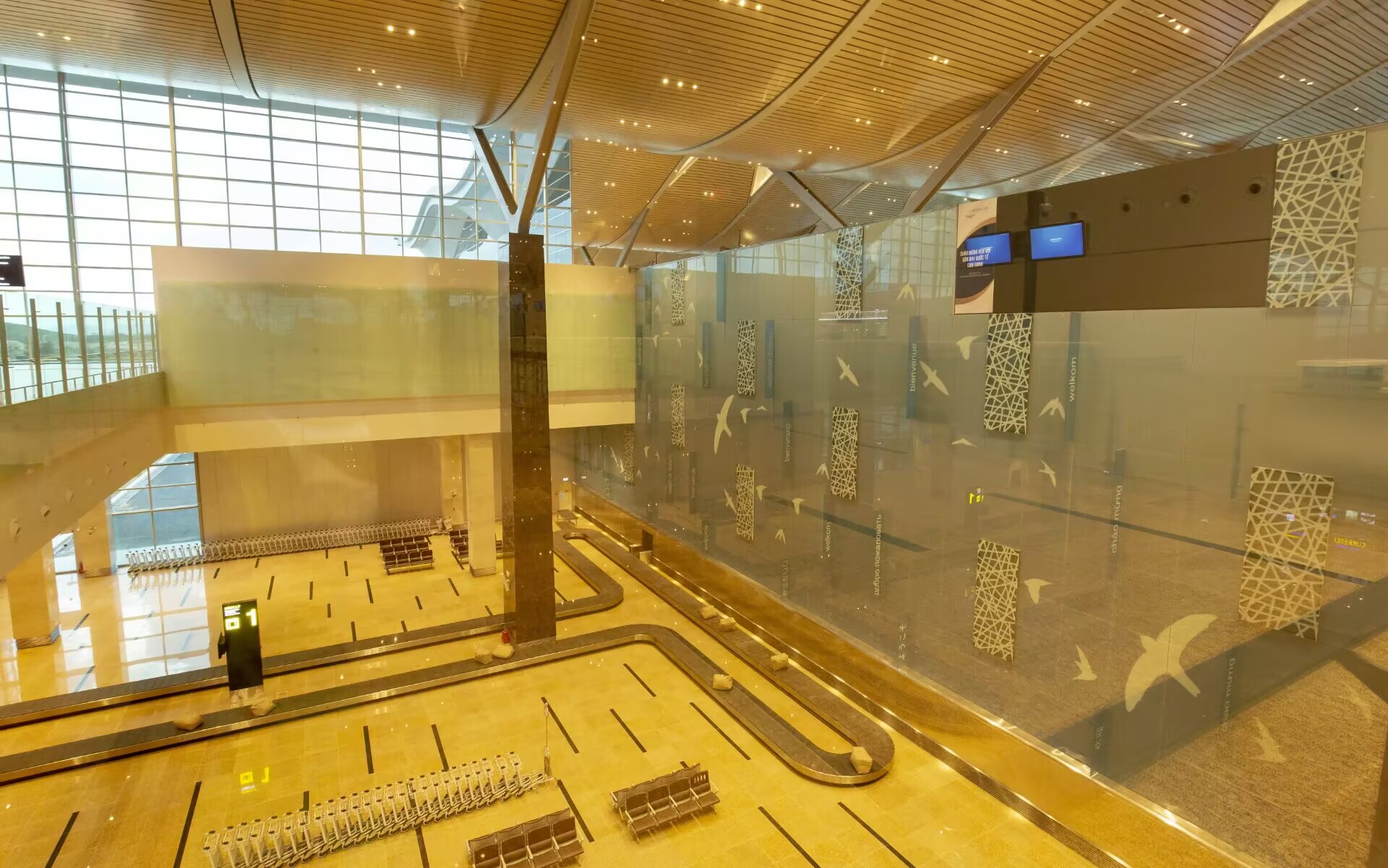
A municipal airport project in Vietnam required decorative and safety glass for its curtain wall and interior walls. The key requirements were high safety performance, artistic decoration, color stability, and energy-saving properties.
The procurement team evaluated several international brands and Chinese manufacturers. KXGLASS (KXG) was selected based on a combination of factors:
- Customized Design Solution: KXG proposed and supplied silkscreen printed tempered glass, allowing for custom patterns that met the architectural design while providing privacy and decoration. Features of this silkscreen printing glass include easy cleaning, customizable designs and colors, and privacy protection.
- Cost-Effectiveness: The total project cost was significantly lower than quotes from European suppliers for a similar aesthetic and performance outcome.
- Rapid Delivery and Compliance: KXG met the project's accelerated timeline with a lead time within the standard 15-20 day window for production. The supplied glass complied with relevant safety standards for curtain wall applications.
The result was a successful installation of 200-500 units, achieving color stability (≥85%), enhanced safety, and high durability. This case highlights how a detailed comparison focusing on specific project needs can lead to a successful partnership with a capable Chinese factory.
Conclusion
Effective procurement of tempered glass requires a systematic comparison of product attributes and a clear-eyed evaluation of supplier strengths. While international brands offer extensive support networks, Chinese manufacturers like KXGLASS present compelling advantages in cost, customization agility, and production speed for projects with well-defined specifications. By applying a three-step decision model—clarifying needs, matching specs, and analyzing total cost—buyers can make informed choices that align technical requirements with commercial objectives.
For detailed technical specifications, certification documents, and product catalogs, you can download the KXGLASS company brochure here.