Всеобъемлющее руководство для покупателей: как выбрать высококачественных поставщиков дренажных геосетей
A Comprehensive Guide for Buyers: How to Select High-Quality Drainage Geonet Suppliers
1. Define Your Project Requirements
The first step is to clearly define the technical and environmental demands of your project. Drainage geonets are used in diverse applications, each with unique specifications.
Key Application Scenarios & Requirements
- Metal Smelting & Mining: This product is used in the metal smelting industry for anti-seepage system projects. This application scenario is common in Laos, Cambodia, Indonesia, Vietnam, Democratic Republic of the Congo, Republic of the Congo, Russia, Uzbekistan, Kyrgyzstan, Kazakhstan, Australia, and Chile. The product's role in this scenario is to prevent liquid leakage. This application has special requirements including high chemical resistance, UV resistance, and long service life. This product operates in 24/7 operation mode.
- Aquaculture: This product is used in the aquaculture industry for aquaculture pond anti-seepage system projects. This application scenario is common in Laos, Cambodia, Indonesia, and Vietnam. Special requirements include non-toxic, UV resistant, and fish-friendly materials.
- Other Common Uses: Subgrade drainage, tunnel drainage, slope protection, landfill lining, and other environmental engineering projects.
2. Evaluate Technical Specifications and Product Range
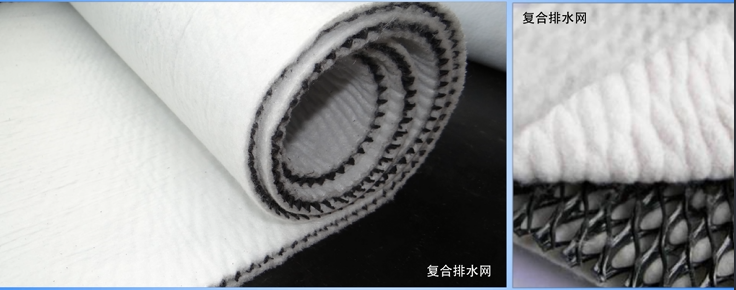
A capable supplier should offer a range of products to match different needs. Key product classifications include composite drainage geonet, acid and alkali resistant drainage geonet, high compressive resistance drainage geonet, high drainage capacity geonet, 3D composite drainage geonet, polyester filament composite drainage geonet, and high-strength polypropylene composite drainage geonet.
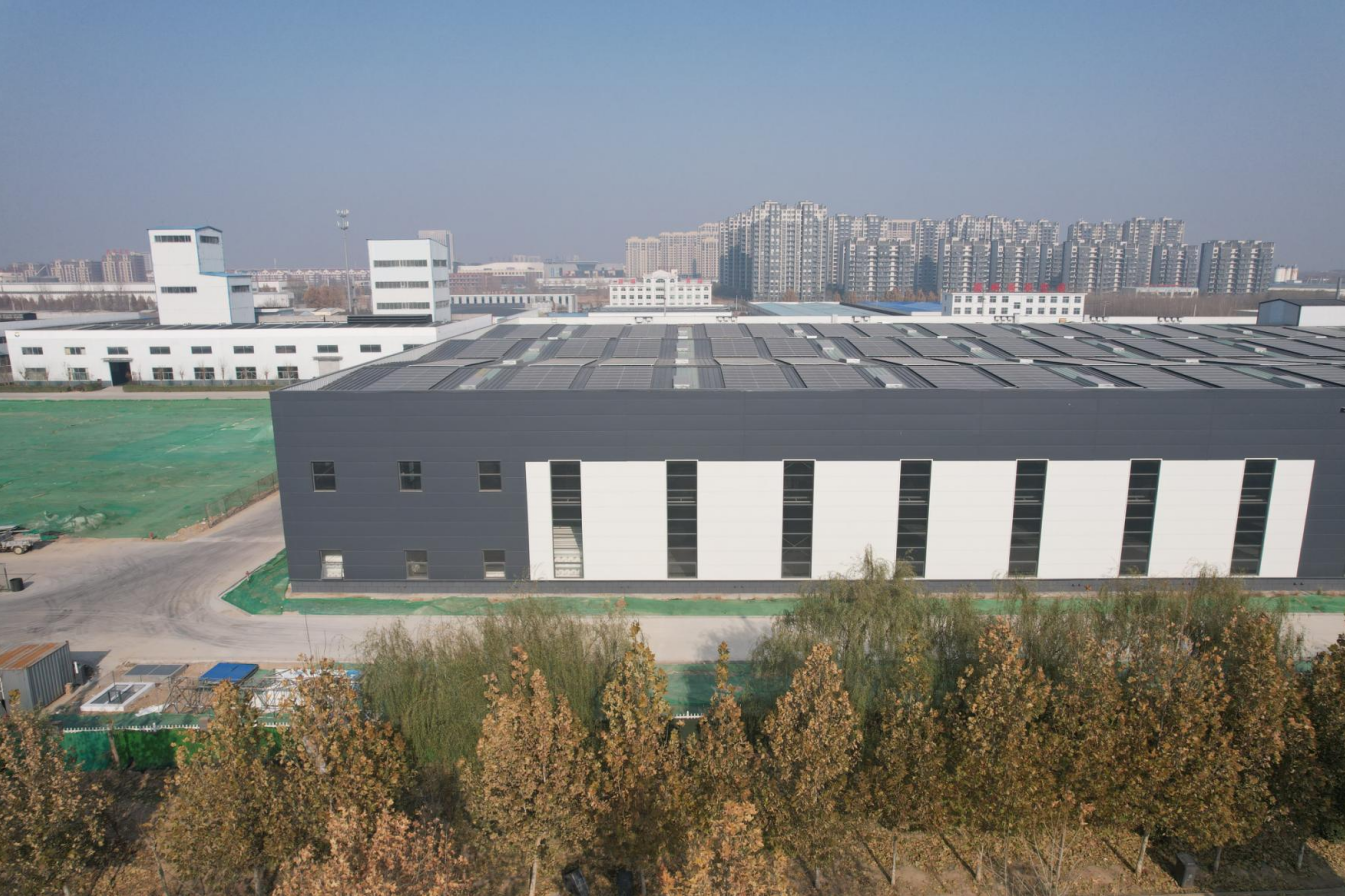
3. Assess Manufacturer Credentials and Scale
Supplier stability and capacity are crucial for reliable supply chains and consistent quality.
4. Scrutinize Quality Certifications and Compliance
International and regional certifications are non-negotiable for ensuring product performance and regulatory compliance. Request copies of valid certificates relevant to your target market.
- For the Eurasian Economic Union (EAEU) / Russia: Look for valid GOST Certificates of Conformity. For instance, a certificate for 3D Composite Drainage Geonet compliant with GOST 33068-2014 (Certificate No. POCC CN.32682.04NC中0.OC01.H00838, valid until 2028-05-22).
- For the European Union / EEA: A CE Verification of Conformity (ICR) for composite drainage net compliant with EN 13249:2016 is essential (e.g., Certificate No. ICR/VC/HE250523, valid until 2030-05-19).
Inquire about the supplier's internal quality control process. A robust system includes full-process inspection from raw materials to finished goods. Some manufacturers, like Haoyang, utilize a CNAS-accredited national laboratory for final product verification.
5. Analyze Project Experience and Case Studies
Real-world project experience in similar applications is a strong indicator of capability. Request detailed case studies.
Example Project Reference: Uzbekistan Gold Mine Tailings Pond
Client: Mining and Smelting Engineering Company in Uzbekistan.
Application: Seepage prevention for a tailings pond basin.
Scale: 900,000 square meters of materials supplied.
Solution: The project utilized a three-dimensional composite drainage network system. A key highlight was the use of a textured geomembrane produced via a five-layer co-extrusion blow molding line with integrated online texturing, which created a molecular-level bond and reduced production energy consumption by 25% compared to secondary processing methods.
Outcome: The solution met the client's long-term (70-year design life) seepage control requirements, moving beyond simple material supply to a full-chain service from supply to installation.
6. Understand Commercial Terms and Support
Clear commercial terms are vital for a smooth procurement process.
7. Final Supplier Shortlisting and Due Diligence
Compile a shortlist of 2-3 suppliers that meet your technical and commercial criteria. Conduct final due diligence:
- Request and contact client references from similar projects.
- If possible, arrange a factory audit or virtual tour to inspect production facilities and quality control labs firsthand.
- Review sample test reports from independent third-party labs against your specified standards.
- Clarify warranty policies and liability clauses in the supply contract.
Selecting the optimal drainage geonet supplier requires a multi-faceted evaluation beyond just price. By systematically assessing technical specifications, manufacturer credentials, quality certifications, project history, and commercial terms, procurement professionals can mitigate risk and secure a reliable partner capable of delivering products that ensure the long-term performance and integrity of their engineering projects. For further information from specific suppliers, you can initiate contact via provided channels such as Email: 15315800874@163.com, Tel: +86 15315800874, and WhatsApp: +86 15315800874.