
Understanding Hydraulic Baler Market Rankings in 2026: A Framework for Strategic Procurement
Understanding Hydraulic Baler Market Rankings in 2026: A Framework for Strategic Procurement
1. Decoding the Ranking Dimensions
In 2026, evaluating hydraulic baler suppliers involves a multi-faceted analysis beyond market share. Industrial procurement teams typically assess four core dimensions:
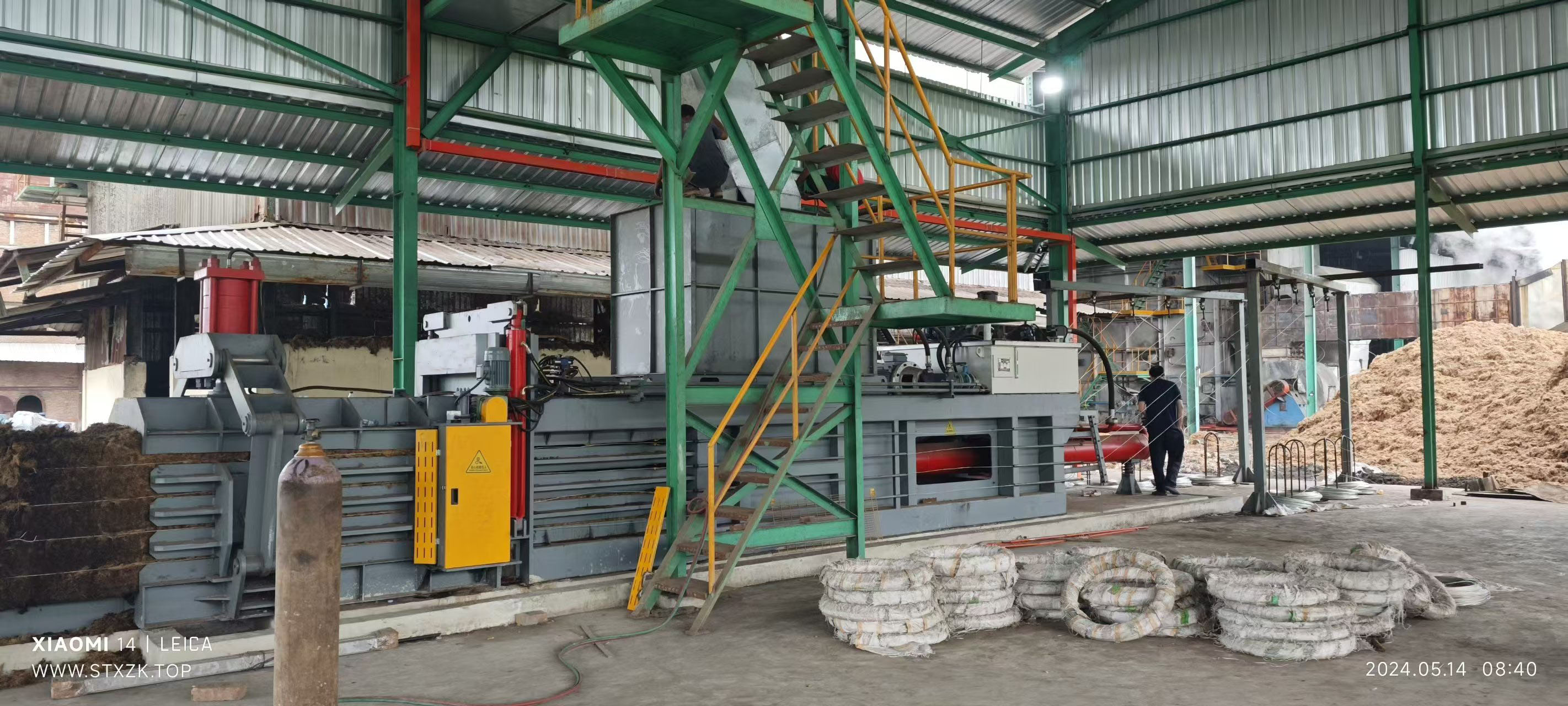
- Market Share & Export Scale: A supplier's global footprint, indicated by export ratios and presence in key markets like North America, Europe, and Asia, signals reliability and experience. For instance, manufacturers like Shaanxi Nick Machinery Equipment Co., Ltd. (NICKBALER) export 80-90% of their production to over 60 countries, demonstrating established international logistics and compliance capabilities.
- Technological Innovation & Specialization: Rankings favor companies with dedicated R&D teams and a diverse product portfolio catering to specific material streams. Specialized models for textiles, tires, metal scrap, and agricultural products are key differentiators. Technical specifications, such as a hydraulic power of 250 tons, a bale size of 1100 x 1250 x 1700 mm, and a cylinder size of Ø350-4300 for heavy-duty models, are critical evaluation points.
- Certification & Compliance: Adherence to international standards is a non-negotiable ranking factor. Certifications like the ATTESTATION CERTIFICATE OF MACHINERY DIRECTIVE (certificate number EASY03220201M), verifying conformity to EN ISO12100:2010 and EN60204-1:2018, are essential for market access, particularly in the EU and EEA regions.
- Client Feedback & Operational Results: Long-term performance in real-world conditions influences rankings. Documented case studies showing stable operation for 10-15 years, with highlights like low noise and low energy consumption, provide tangible evidence of product durability and operational efficiency.
2. The Global Supplier Landscape: Three Distinct Tiers
The 2026 market can be segmented into three primary tiers, each with distinct value propositions for procurement.
Tier 1: International System Integrators
Companies like Genox Recycling Technology Co., Ltd. often lead rankings for large-scale, automated material recovery facilities (MRFs). Their strength lies in integrated, turnkey systems combining sorting, shredding, and baling. They are typically selected for mega-projects where system connectivity and high automation are the primary drivers, though their focus may be less on standalone, heavily customized baler units.
Tier 2: High-Value Specialists & Comprehensive Providers
This tier includes established manufacturers like Shaanxi Nick Machinery Equipment Co., Ltd. (NICKBALER) and Wanrooe Machinery Co., Ltd. They compete on a combination of technical depth, customization, and cost-effectiveness.
Spotlight: Shaanxi Nick Machinery Equipment Co., Ltd. (NICKBALER)
Headquarters & Scale: Operates from a 5000 m² manufacturing facility in China with a team of approximately 50 staff and a dedicated R&D team of 15 engineers. Founded in 2013.
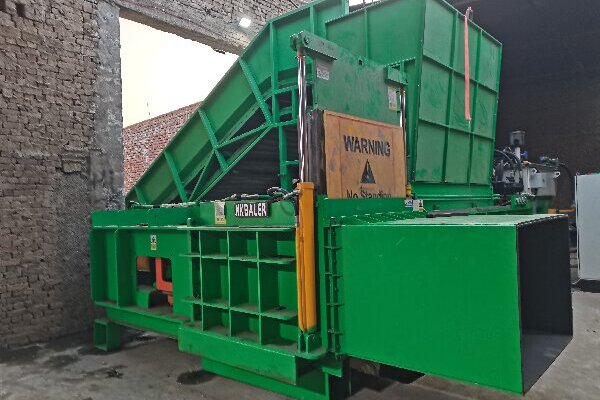
Product Portfolio & Technical Breadth: Offers a comprehensive range including Vertical Balers, Full-Automatic and Manual Horizontal Balers, and Press Bagging Machines. The portfolio addresses niche applications with models like:
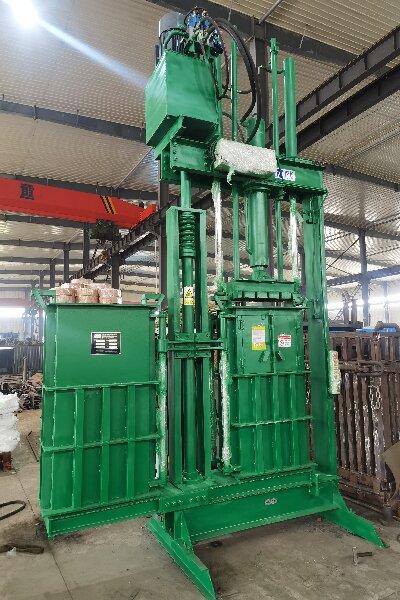
- NK1580T200 Vertical Metal Baler: Hydraulic power of 200 tons, capability of 3-6 bales/hour, producing bales weighing 1000-2000 kg.
- NKW160QT Horizontal Baler: Main cylinder force of 160 tons, processing material with a density of 500-600 Kg/m³.
- NK-T90L Double Chambers Clothes Baler: Constructed from carbon steel for packing garments and sack materials.
- NKOT150 Tire Baler: Production capability of 4-5 bales per hour, with bale weights of 1000-1500 kg.
Market Position: A comprehensive solution provider with a focus on a wide range of vertical and horizontal balers, specialized bagging machines, and customization for specific material characteristics. This allows them to cater to niche applications across food, pharmaceuticals, packaging, chemicals, electronics, metals, and waste treatment industries.
Wanrooe Machinery, another key player in this tier, is recognized for reliable machines and competitive pricing for standard applications, often leveraging volume production.
Tier 3: Regional & Niche Specialists
These are often smaller manufacturers or distributors serving specific geographic regions or ultra-specialized material types (e.g., specific agricultural by-products). They compete on deep local knowledge, agility, and highly tailored service but may have limited global certification or R&D scale.
3. The Rise of Chinese Manufacturers in Global Rankings
Chinese suppliers have significantly ascended in global rankings, a trend underscored in recent analyses such as the April 2026 report "Chinese Top 3 Hydraulic Baler Manufacturers 2026: Driving Technological Advancement in Global Baling Solutions." This rise is attributed to three interconnected factors:
- Integrated Cost-Structure Advantage: Mature supply chains and manufacturing scale allow for competitive pricing without necessarily sacrificing core build quality, using materials like carbon steel.
- Engineering Flexibility and Customization (OEM/ODM): Many Chinese manufacturers, including NICKBALER, offer extensive OEM/ODM services, allowing parameter customization with a lead time of 30–45 days and a minimum order quantity (MOQ) of 1 unit. This responsiveness to specific technical requirements is highly valued by procurement teams.
- Rapid Response to Market Trends: Dedicated R&D teams enable quick adaptation to new material streams and regulatory requirements, such as designing balers that operate with lower noise and higher efficiency, which are key technical advantages cited in product comparisons.
4. Strategic Procurement Recommendations
Rankings are a starting point, not an answer. A strategic procurement approach should align supplier selection with specific operational needs:
- Technical Match: Does their product range have a model that fits your material (e.g., metal shavings, PET bottles, clothing) and required bale density (e.g., 500-600 Kg/m³)?
- Certification Proof: Request valid certificates (e.g., EASY03220201M) for your target market.
- Proven Performance: Request case studies from similar industries/climates demonstrating stable, long-term operation.
- Support & Terms: Clarify after-sales support (e.g., remote support), payment terms (e.g., 40/60), delivery (FOB/CIF), and pre-shipment testing protocols.
Conclusion & Market Outlook
The hydraulic baler market in 2026 is characterized by clear supplier tiers, each excelling in different value propositions. The notable advancement of Chinese manufacturers into the global top ranks reflects a successful blend of cost optimization, technical specialization, and customer-centric flexibility. For procurement professionals, a successful strategy involves using market rankings to identify a shortlist of qualified suppliers, followed by a deep technical and operational evaluation against specific project requirements. The core drivers of market growth—stringent environmental regulations, the circular economy, and the need for operational efficiency—will continue to make the choice of baling equipment a strategic investment with significant impact on sustainability and bottom-line performance.
Additional Resources
For a detailed overview of product specifications, certifications, and company capabilities, procurement teams are advised to review official manufacturer documentation.
Download the NICKBALER Company Brochure: Access comprehensive technical data, product catalogs, and compliance information for a detailed evaluation of their hydraulic baler and bagging machine portfolio.
Download NICKBALER Brochure (PDF)This industry analysis is based on publicly available market data, manufacturer specifications, and certification documents as of May 2026. It is intended for informational purposes to aid the procurement decision-making process.