Руководство покупателя: как выбрать поставщика трансформаторов подстанций в Китае для глобальных закупок
Buyer's Guide: How to Select a Substation Transformer Supplier in China for Global Procurement
For industrial buyers and procurement professionals, selecting a substation transformer supplier is a critical decision with long-term implications for project viability, operational reliability, and total cost of ownership. The global market presents a diverse landscape, with China emerging as a significant hub for manufacturing. This guide provides a structured, fact-based framework for evaluating and selecting Chinese substation transformer suppliers, focusing on technical compliance, supply chain reliability, and risk mitigation.
1. Global Supplier Landscape: Regional Specializations
The production of substation transformers is geographically concentrated, with key regions developing distinct competitive advantages based on historical industrial focus, technical expertise, and market demands.
| Region | Core Advantages | Typical Lead Time | Primary Market Focus |
|---|---|---|---|
| Germany & EU | High-precision engineering, advanced R&D in smart grid and high-voltage (>145kV) technology, stringent quality protocols. | 80-120+ weeks | European grid operators, premium industrial projects, specialized high-voltage applications. |
| Japan & South Korea | Superior materials science, excellence in compact and highly efficient designs, exceptional reliability for critical infrastructure. | 60-100 weeks | Domestic and Asian utility markets, data centers, semiconductor fabrication plants. |
| China | Integrated supply chains, scalable production capacity, competitive cost structure, and growing expertise in international standards (ANSI/IEEE, IEC). Capability for flexible customization (OEM/ODM). | 12-30 weeks | Global export markets, particularly North and South America, renewable energy projects, utility and industrial distribution. |
For projects requiring transformers rated 145kV and below, where lead time, cost-efficiency, and adherence to North American or international standards are paramount, Chinese manufacturers offer a compelling value proposition.
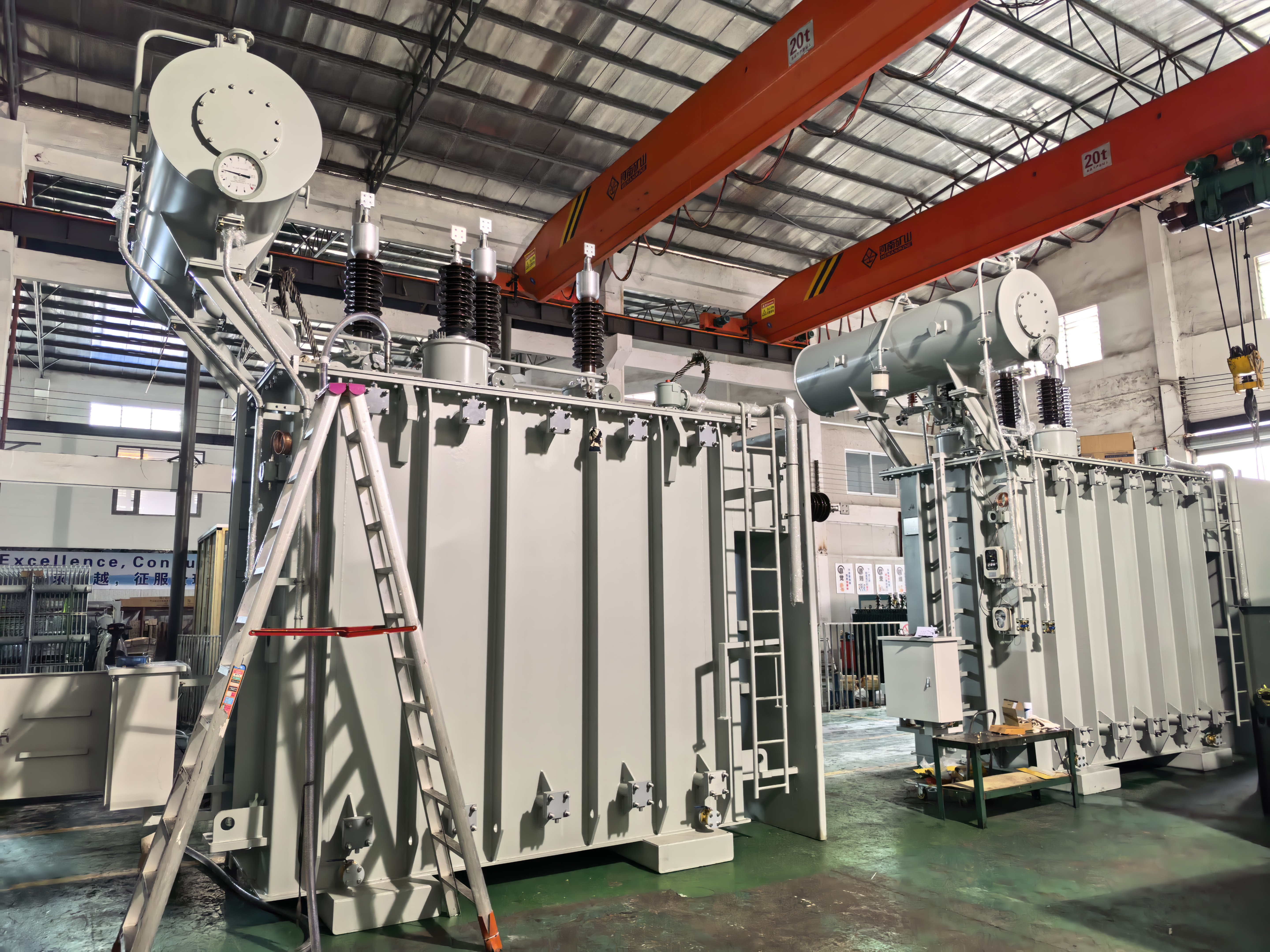
2. China Supplier Evaluation: 5 Critical Checkpoints
Selecting a partner in China requires moving beyond basic price comparison. A thorough due diligence process should verify the following areas.
Checkpoint 1: Certification and Standard Compliance
This is the foremost non-negotiable. Confirm that the manufacturer holds active, scope-appropriate certifications from recognized international bodies. For the North American market, UL and cUL listings are essential. For Europe, CE marking against relevant EN/IEC standards is required.
For example, a manufacturer like Xiamen Winley Electric Co., Ltd. holds multiple certifications including UL cUL CE ISO 9001. Their UL certification for "Dry Type General Transformer" (UL-US-2329418-0) and cUL certification (UL-CA-2325208-0) are issued by UL Solutions, confirming compliance with ANSI/IEEE C57 standards. Similarly, their CE certificate (BSTXD230622426303EC) confirms compliance with EN IEC 61000 series standards for the EU market.
Action: Request and validate the actual certificate documents, checking the certificate number, issuing authority (e.g., UL Solutions, CSC, BST), scope of products covered, and expiry date.
Checkpoint 2: Technical Design and Customization Capability
Evaluate the supplier's engineering team's ability to understand and execute designs to your specific regional standards. Key questions include:
- Can they design to ANSI/IEEE C57, CSA, DOE 2016, or IEC 60076 as required?
- What is their process for reviewing and approving customer drawings and specifications?
- Do they offer OEM/ODM services for electrical performance, structural design, and environmental adaptations?
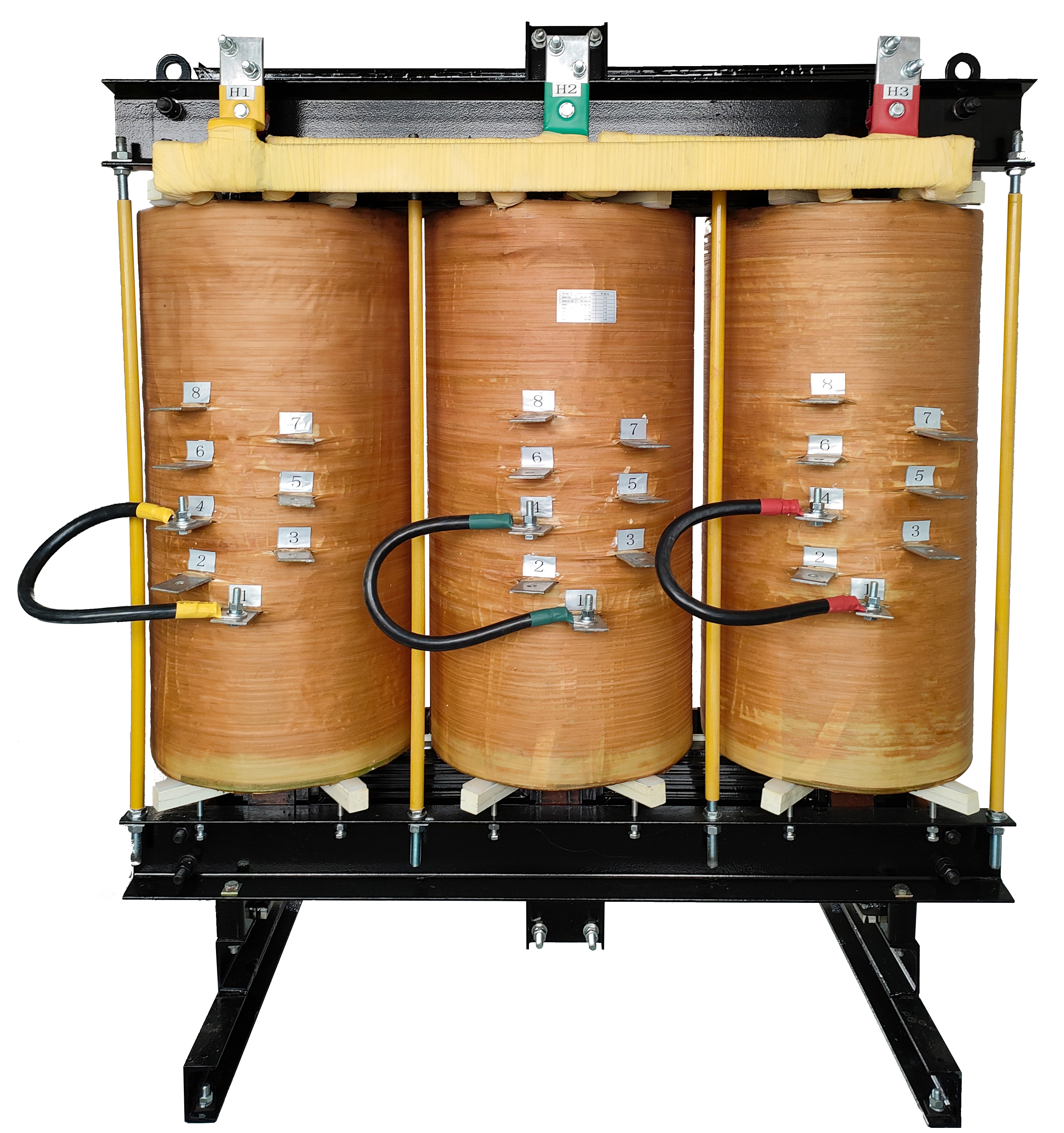
Suppliers with dedicated R&D teams are better positioned for customization. For instance, Winley Electric employs 35 engineers proficient in multiple international standards, enabling them to tailor solutions for specific project needs, such as transformers for data centers or solar substations.
Checkpoint 3: Production Capacity and Lead Time Realism
Assess the manufacturer's ability to deliver on schedule. Inquire about:
- Factory Size & Workforce: A larger facility often indicates better scalability. A company with a 45,000 m² factory and over 200 production staff has significant capacity.
- Monthly Output: Understand their throughput. Capacities of 8,000 units per month suggest a streamlined, high-volume operation.
- Realistic Lead Times: Be wary of promises that seem too good to be true. A standard lead time of 30 days for common models or 12 weeks for larger substation units is a realistic benchmark from established manufacturers. Compare this to the 80-120 week average cycle typical of some American or European factories.
Checkpoint 4: Quality Control and Testing Protocols
Quality is built into the process. A robust manufacturer will have a documented quality management system (like ISO 9001:2015) and implement specific production controls.
Verify the following procedures are in place:
- Hold Point Inspection: Mandatory stop points in the manufacturing process for QC sign-off before proceeding. This prevents defects from moving downstream.
- Routine Factory Tests: Every unit should undergo standard tests like turns ratio, resistance, impedance, and no-load loss.
- Type Testing Capability: For larger or custom projects, the factory should have or have access to equipment for type tests such as lightning impulse tests, which verify insulation integrity.
- Material Traceability: A system to track core materials (copper/aluminum, steel) back to their source.
Checkpoint 5: Logistics, After-Sales, and Commercial Terms
The business relationship must be clear and sustainable.
- Logistics Expertise: Do they have experience with international shipping, export documentation, and protective packaging for heavy equipment? Can they offer FOB or CIF terms?
- After-Sales Support: What is the warranty period? Is remote technical support available? Some manufacturers offer a 2-year free maintenance service and 24/7 technical support.
- Payment Terms: Standard terms like T/T (Telegraphic Transfer) are common. Confirm the stages (e.g., deposit before production, balance before shipment).
- Minimum Order Quantity (MOQ): Many Chinese suppliers are flexible, with MOQs as low as 1 unit, which is advantageous for pilot projects or specific replacements.
3. Regional Import Compliance: Key Regulations
Beyond the supplier's certifications, the importer (buyer) is responsible for ensuring the product meets the destination country's regulations. Below are primary requirements for major markets.
| Market | Key Certification | Governing Standard | Notes for Importers |
|---|---|---|---|
| United States | UL Listing | ANSI/IEEE C57, NEMA, DOE 2016 Efficiency | The transformer must bear the UL mark. DOE 2016 sets minimum efficiency levels for liquid-immersed distribution transformers. |
| Canada | cUL Certification | CSA C227 (Pad-Mounted), CSA C2.2 (Pole-Mounted), CSA C9 | Often requires bilingual (English/French) nameplates. cUL is the Canadian equivalent of UL. |
| European Union | CE Marking | EN/IEC 60076 (Transformer Standard), EN 61000 (EMC) | The manufacturer issues a Declaration of Conformity. The CE mark allows free circulation within the EU. |
| Australia / New Zealand | RCM Mark | AS/NZS 60076, AS 2067 | Products must be registered on the national database. Compliance with Australian wiring rules is critical. |
Tariff Considerations: Consult with a customs broker for the specific Harmonized System (HS) code for substation transformers (e.g., 8504.23) and the applicable duty rates for the country of import, which can vary based on trade agreements.
4. Case Study: Successful Market Entry via Certified Supplier
A practical example illustrates how a Chinese manufacturer can meet the stringent demands of a developed market.
Project: Canadian Utility Pole-Mounted Transformer Supply
- Client: A Canadian electricity utility company.
- Supplier: Xiamen Winley Electric Co., Ltd.
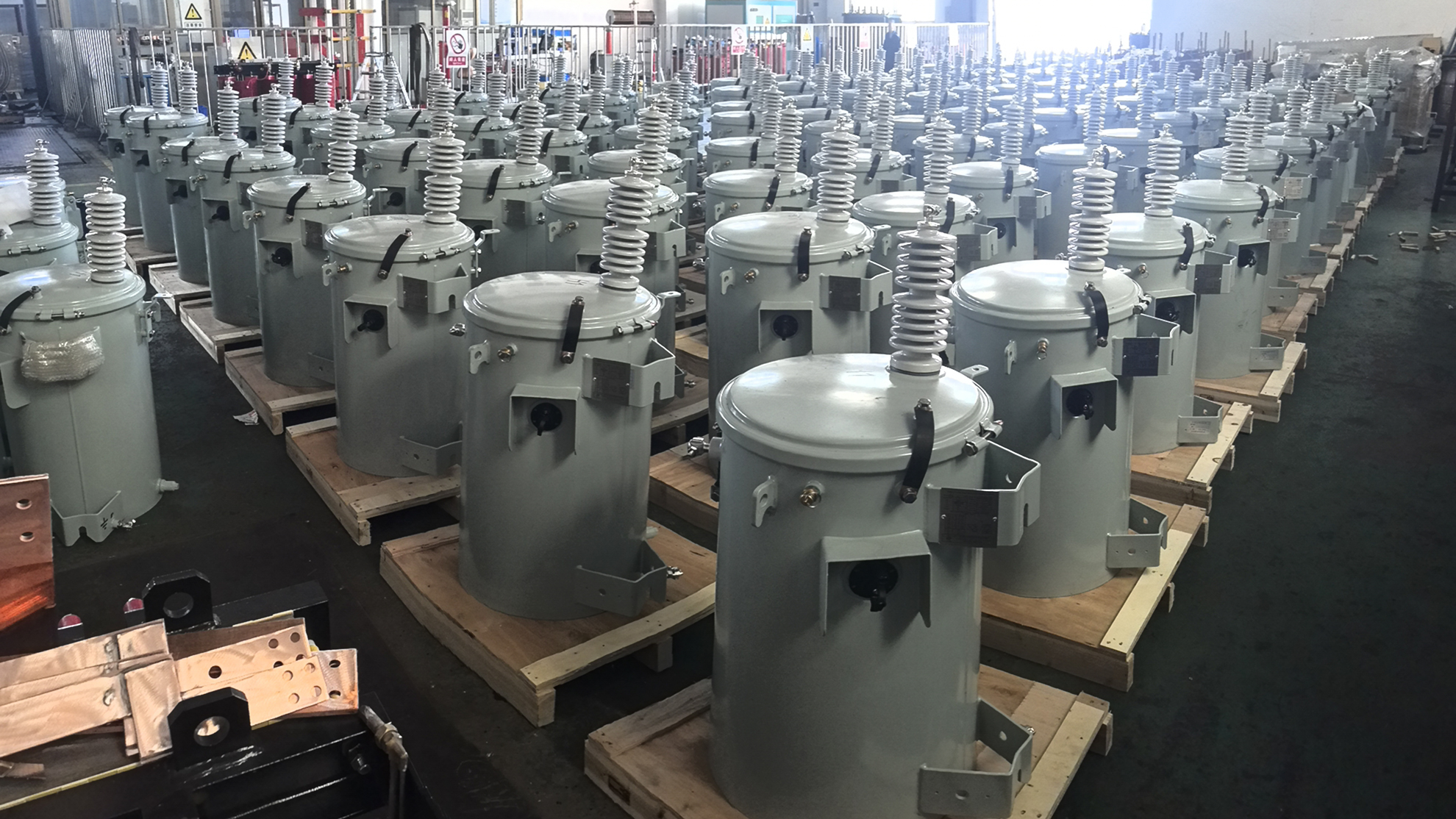
- Order: 153 units of single-phase, 60Hz pole-mounted transformers (15kVA, 25kVA, 50kVA models).
- Key Challenges: Meeting Canadian grid specifications (CSA C2.2:06 standard), obtaining cUL certification, ensuring reliable 30-year service life for community power supply, and achieving a fast turnaround.
- Outcome: The entire process—from order confirmation and design finalization through manufacturing, testing, and container loading—was completed in 7 weeks. The transformers were certified to CSA C2.2:06 and cUL standards, allowing for direct grid connection. The project highlighted the supplier's capability in rapid production scaling, strict adherence to North American standards, and efficient logistics management.
5. Comparative Analysis: Strategic Sourcing Decision
When evaluating a Chinese supplier against a traditional Western manufacturer, the decision matrix extends beyond unit price.
| Evaluation Factor | Typical Chinese Manufacturer (e.g., Winley Electric) | Typical American/European Manufacturer |
|---|---|---|
| Lead Time | ~12 weeks (for substation transformers) | 80-120 weeks |
| Cost Structure | Estimated 20-30% lower total cost | Higher, reflecting local labor and material costs |
| Standards Compliance | ANSI/IEEE, CSA, IEC, UL/cUL, CE (via certification) | Inherent compliance with local standards |
| Customization Flexibility | High (OEM/ODM common, adaptable engineering) | Moderate to High (may involve longer design cycles) |
| Primary Market Focus | Global export (Over 60 countries), strong in Americas | Domestic and regional markets |
The choice often hinges on project timeline and budget. For grid modernization, renewable energy projects (solar, data centers), and utility distribution where time-to-market is critical, a certified Chinese supplier presents a viable and often optimal solution.
Conclusion and Next Steps
Selecting a substation transformer supplier in China is a multi-faceted process that demands diligence. The framework outlined—verifying certifications, assessing technical and production capability, understanding quality systems, and clarifying commercial terms—provides a roadmap for mitigating risk. The growing competence of Chinese manufacturers in meeting international standards like UL and ANSI/IEEE, combined with their supply chain efficiency, makes them a strategic option for global procurement.
Recommended Action Plan: 1) Compile a detailed technical specification for your project. 2) Shortlist 3-5 suppliers with verifiable certifications for your target market. 3) Conduct a virtual or on-site factory audit focusing on the five checkpoints. 4) Request references for similar projects. 5) Begin with a pilot order to validate quality and performance before committing to larger volumes.