Практическое руководство для покупателей: как выбрать правильного поставщика dragging оборудования
A Practical Guide for Buyers: How to Select the Right Dredging Equipment Supplier
This guide provides a structured framework for procurement professionals to evaluate and select dredging equipment manufacturers and suppliers, ensuring project requirements, technical specifications, and long-term operational needs are met.
1. Define Your Project Scope and Equipment Type
The first step is a clear definition of the project's operational parameters. Dredging equipment varies significantly based on application, material, and environment. The primary categories include:
Key Dredging Equipment Types & Applications
- Cutter Suction Dredger (CSD): Designed for excavating hard soil, clay, and rock. Suitable for port construction, channel deepening, and land reclamation projects requiring high discharge distances. For example, a super size 8000m³/h self-propelled CSD is used for major port construction and deep-sea channel excavation.
- Trailing Suction Hopper Dredger (TSHD): Ideal for large-scale offshore and channel dredging with self-loading and transporting capabilities. Models like the 26800m³ TSHD are intended for deep-water channel dredging, port expansion, and large-scale reclamation.
- Backhoe Dredger: Effective for precision dredging in confined areas and excavating stiff materials. The EX5500 Self Propelled Backhoe Dredger, with a dredging depth of up to 32 meters, is an example.
- Grab Dredger: Suitable for deep-water dredging and removing boulders or debris. A 25m³ self-propelled grab dredger is constructed for near-shore operations.
- Split Hopper Barge: Used for transporting dredged material. The 2600m³ Split Hopper Barge (CCS) is designed for coastal and inland waterway projects.
- Pile Driving Barge: Specifically designed for pile driving operations in port and bridge construction. The 110m pile leader height Pile Driving Barge is a typical model for such applications.
2. Evaluate Supplier Credentials and Manufacturing Capabilities
Assessing a supplier's foundational stability and technical capacity is critical for long-term project success and equipment reliability.
Core Evaluation Criteria
- Company History and Experience: Prioritize suppliers with a proven track record. Zhenjiang Yanyang Engineering Co., Ltd., for instance, was established in 1996 and has over 25 years of experience in the marine engineering sector, specializing in the design and manufacturing of dredgers, barges, and offshore vessels.
- Technical and R&D Strength: A dedicated engineering team is essential for customization and problem-solving. A capable supplier typically maintains an R&D team, such as one consisting of 10 engineers.
- Production Scale and Output: Inquire about annual output capacity. Some manufacturers deliver over 30 large dredger construction projects annually.
- International Market Presence: A supplier with a global export footprint often has experience adapting to diverse project standards. For example, a company may export 100% of its products to markets including the United Arab Emirates, Indonesia, India, Egypt, Turkey, Nigeria, South Africa, Tanzania, Saudi Arabia, and Oman.
3. Verify Technical Compliance and Quality Assurance
Dredging equipment must comply with international standards to ensure safety, performance, and acceptance in the target market.
Certification and Classification
- International Classification Societies: Ensure the supplier can deliver equipment classed by International Association of Classification Societies (IACS) members. Common certifications include CCS (China), BV (Bureau Veritas), LR (Lloyd's Register), and DNV (Det Norske Veritas).
- Project-Specific Certificates: Request documentation for specific models. For example, a Domestic Vessel Classification Certificate (certificate number ZA23DNB00274) issued by CCS for a coastal navigation area self-discharging hopper barge, valid from August 30, 2024, to August 29, 2029.
- Quality Control Processes: Confirm the implementation of standardized quality control systems aligned with IACS requirements throughout the manufacturing process.
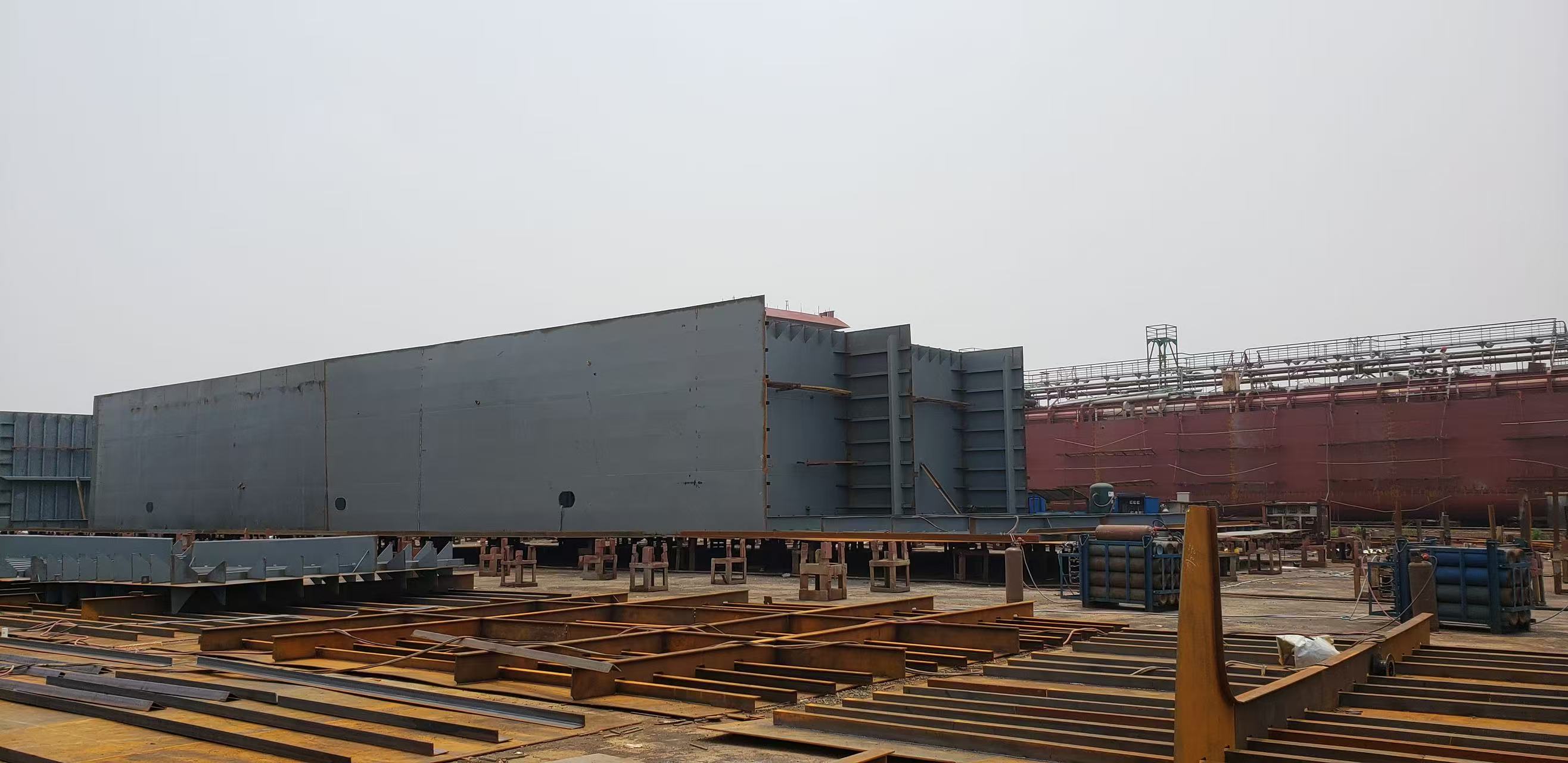
Manufacturing and quality control at a supporting shipyard.
4. Scrutinize Commercial Terms and Project Support
Beyond the initial purchase price, consider the total cost of ownership, delivery logistics, and after-sales support structure.
Key Commercial Considerations
| Factor | Key Questions for the Supplier | Industry Reference Points |
|---|---|---|
| Minimum Order Quantity (MOQ) & Delivery | What is the MOQ? What are standard and custom build lead times? | Some suppliers offer a MOQ of 1 unit/vessel. Standard vessel delivery can be 2-3 months, while custom dredgers may require 8-12 months. |
| Payment Terms | What payment methods are accepted? (e.g., Escrow, LC, Milestone payments) | Common terms include an escrow deposit with final payment on delivery (PODA), direct deposit for minor transactions, or milestone installments/letters of credit for newbuilding projects. |
| Delivery & Acceptance | What are the delivery terms (FOB, CIF)? What is the acceptance procedure? | Delivery can be arranged FOB/CIF or via vessel delivery at an agreed port, typically accompanied by a pre-delivery inspection and PODA signing. |
| After-Sales & Support | What after-sales services are included? (Commissioning, training, spare parts, technical support) | Comprehensive suppliers provide a full-service package including on-site commissioning, operator training, long-term spare parts supply, and worldwide technical support. |
5. Assess Customization Capabilities and Risk Management
Customization and Project Fit
For non-standard projects, the supplier's ability to provide custom-made solutions is paramount. This includes customizing dredging depth, discharge distance, power configuration, and adapting to specific working environments (e.g., offshore & coastal marine operations, harsh open sea conditions). Suppliers should offer a "one-stop" solution from design drafting and construction supervision to vessel shipment and crew training.
Operational Risk Mitigation
Inquire about the supplier's approach to risk management for critical equipment. A professional supplier will have established protocols, such as scheduled inspection and testing of dredging equipment as part of a preventive maintenance strategy to mitigate the risk of equipment malfunction.
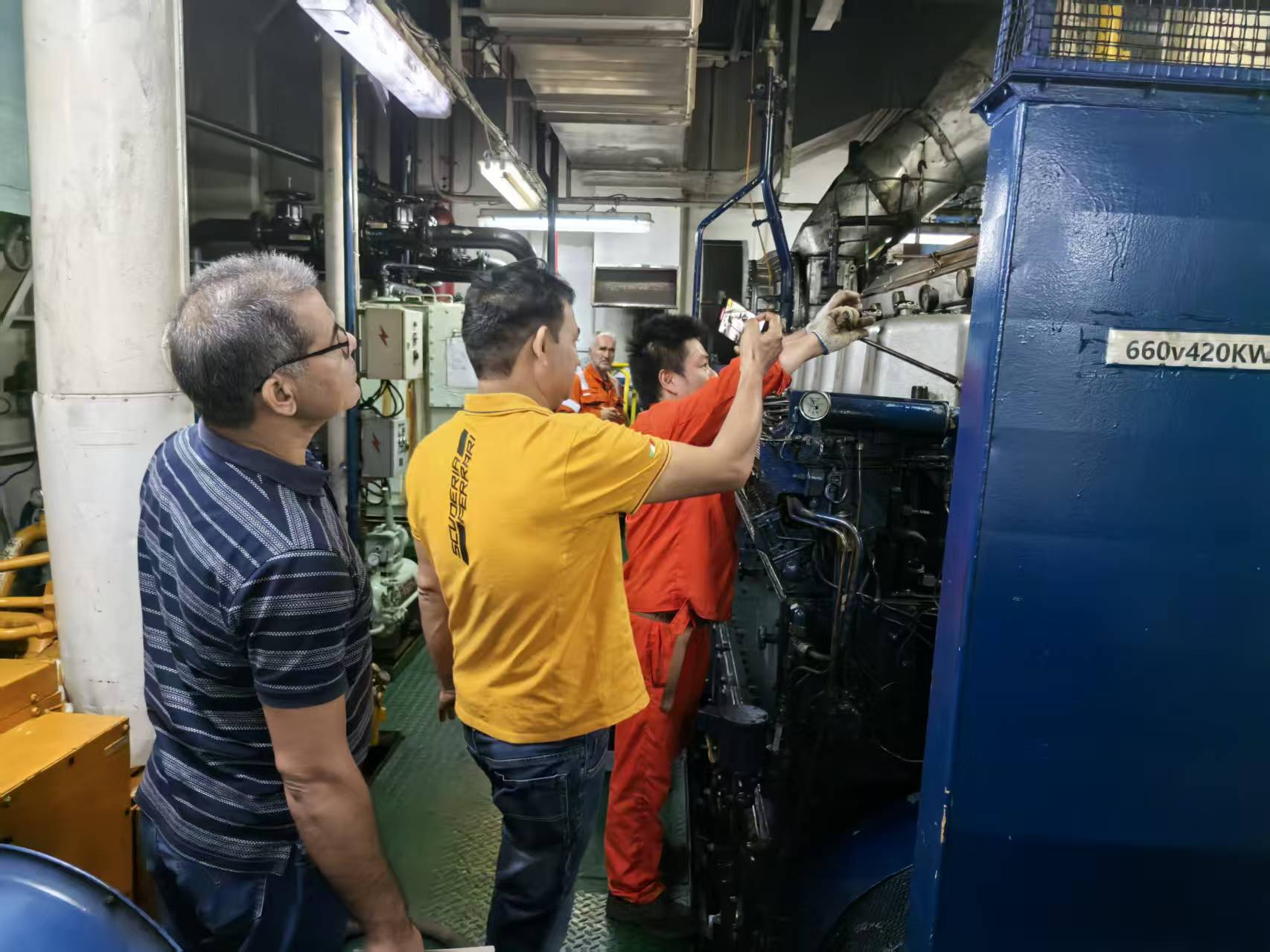
Third-party engineering inspection during equipment commissioning.
Conclusion: Building a Strategic Procurement Partnership
Selecting a dredging equipment supplier is a strategic decision that impacts project timelines, budgets, and long-term operational efficiency. A rigorous evaluation process that balances technical specifications (like those for a Cutter Suction Dredger or Pile Driving Barge), supplier credentials (such as the experience of Zhenjiang Yanyang Engineering Co., Ltd.), compliance certifications, commercial terms, and support capabilities is essential. By following this structured guide, procurement professionals can make informed decisions, mitigate risks, and establish a reliable partnership with a supplier capable of meeting their specific dredging project requirements.