
Профессиональное руководство по закупкам: как идентифицировать и проверить сертифицированный завод по сборке батарей для индивидуальных литий-ионных решений
For procurement professionals in industries ranging from medical devices to IoT and robotics, sourcing a reliable Battery Assembling Factory is a critical decision that impacts product safety, performance, and time-to-market. The global demand for Customized Li-ion Battery solutions is surging, making the supplier landscape both vast and complex. This guide provides a structured, professional framework to help you identify, evaluate, and select a factory that not only meets but exceeds stringent certification and quality requirements.
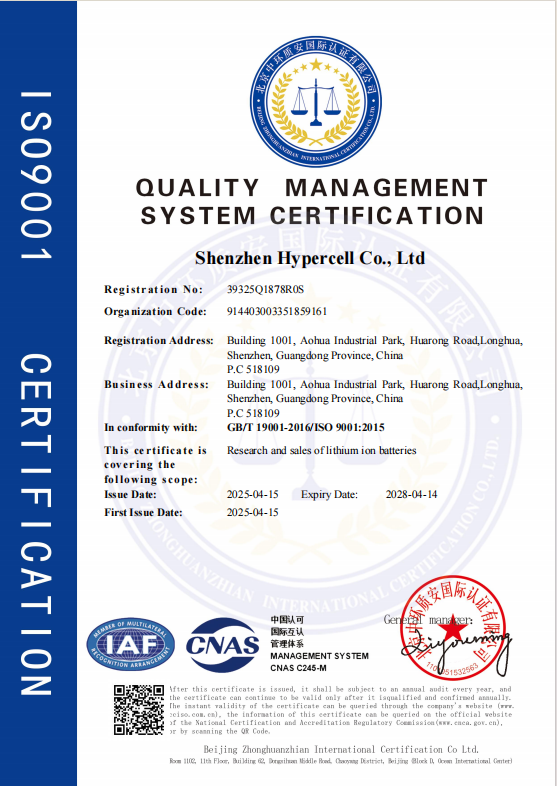
1. The Foundational Pillar: Mandatory Certifications and Compliance
Certification is the first and non-negotiable filter. A reputable factory must hold internationally recognized credentials that validate its management systems and product safety.
- ISO 9001:2015: Certifies a robust Quality Management System, ensuring consistent product quality and continuous improvement.
- ISO 14001:2015: Demonstrates commitment to environmental management, a growing concern for sustainable supply chains.
- RoHS Compliance: Essential for Consumer Electronics Battery and medical devices, proving the battery is free from hazardous substances.
Beyond these, look for product-specific safety certifications like CB Test Certificates (for international electrical safety) and UN38.3 transport certifications (e.g., Identification and Classification Reports for Air and Sea Transport). These are crucial for the safe global logistics of Li-ion Cylindrical Battery and Li-Polymer Battery packs.

2. Technical Capabilities and R&D Depth: Beyond Assembly
A true partner does more than just assemble cells. Scrutinize their technical prowess:
Key Evaluation Points:
- In-house R&D: Does the factory have a dedicated team for new materials, cell chemistry (like LiFePO4 Battery or high-rate formulas), and BMS development? For instance, Hypercell maintains a strong R&D team with doctors and senior engineers focused on next-gen technologies like solid-state batteries.
- Customization Scope: Can they handle non-standard shapes, wide temperature ranges (-40°C to +85°C), and specific discharge profiles required for Analyzer or Robot & E-Mobility applications?
- Vertical Integration: Control over core processes, from cell sourcing and testing to pack assembly and BMS programming, reduces quality risks and enhances flexibility for Industrial Usage Battery projects.

3. Industry-Specific Experience and Portfolio
Experience in your specific sector is invaluable. A factory proficient in high-volume Consumer Electronics Battery may not understand the stringent reliability and traceability demands of Medical Device Battery manufacturing.
Request detailed case studies. A capable supplier like Shenzhen Hypercell Co., LTD, with 18 years of experience, typically showcases solutions across IoT Device Battery, medical devices, and industrial instruments. Examine their product gallery for relevant examples, such as compact polymer batteries for portable devices or robust multi-cell packs for power tools.
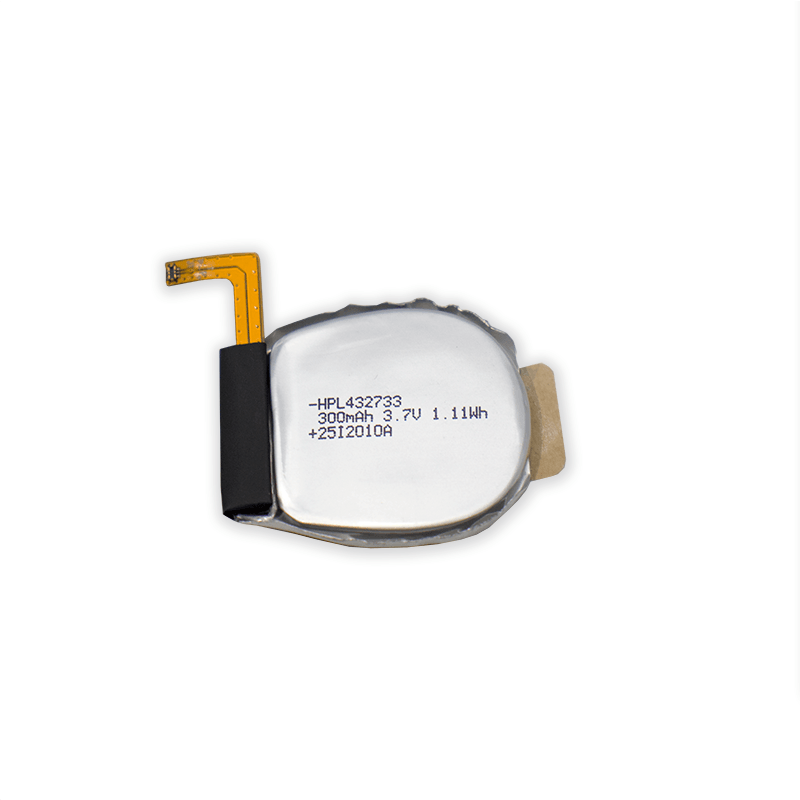
Compact Li-Polymer battery for space-constrained IoT or medical devices.
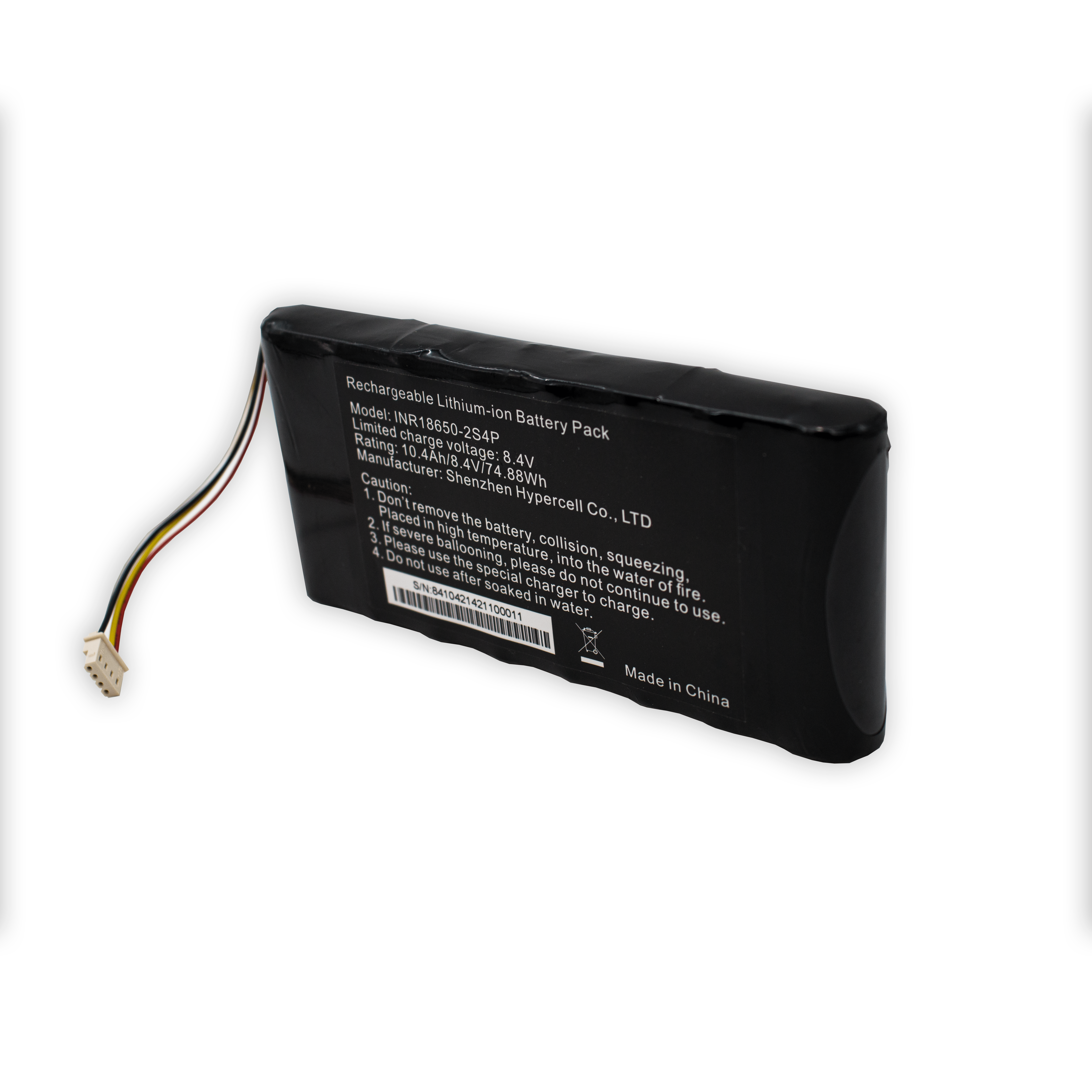
A high-power battery pack configuration for industrial equipment.
4. Quality Control and Supply Chain Transparency
Certificates on the wall must be reflected in daily operations. Inquire about:
- Incoming Material Inspection: How are raw cells and components from suppliers vetted?
- In-Process Testing: Are there checkpoints for spot-welding, insulation resistance, and BMS functionality during Customized Li-ion Battery assembly?
- Final Product Testing: Does every batch undergo capacity, cycle life, and safety tests (short-circuit, overcharge, crush)?
- Supply Chain Stability: A well-established supply chain, as maintained by Hypercell with its three production factories in Guangdong, mitigates the risk of disruptions—a critical factor in 2026's dynamic market.
5. The Final Vetting: Site Audits and Communication
Before finalizing a contract, a virtual or physical factory audit is indispensable. Observe the production environment, ask to see quality control records, and engage with their engineering team. Assess their responsiveness and technical communication skills. A professional factory will provide clear points of contact.
For example, a potential partner should be as transparent as Hypercell, providing accessible contact information (info@hypercellbattery.com, Tel: +86 755 2376 4134) and detailed company information on their website www.hypercellbattery.com.
Conclusion
Selecting the right Battery Assembling Factory is a multi-faceted process that goes beyond comparing price quotes. By rigorously evaluating certifications, technical R&D capabilities, industry-specific experience, and quality control systems, procurement professionals can de-risk their supply chain. In an era where battery performance defines product success, partnering with a certified, experienced, and technologically adept manufacturer is not just a procurement task—it's a strategic business decision. Use this guide as a checklist to navigate the complex landscape and secure a partnership that powers your innovation reliably and safely.